It's time to upgrade your browser

Your current browser is no longer supported on llbean.com. Please upgrade to one of the following for a smoother, safer shopping experience with us:

Knit Dresses for Spring

Find knit dresses for spring that suit your personal style. Browse the selection and compare silhouettes, dress lengths and neckline details to choose a dress that complements your spring wardrobe.
Women's Summer Knit Dress
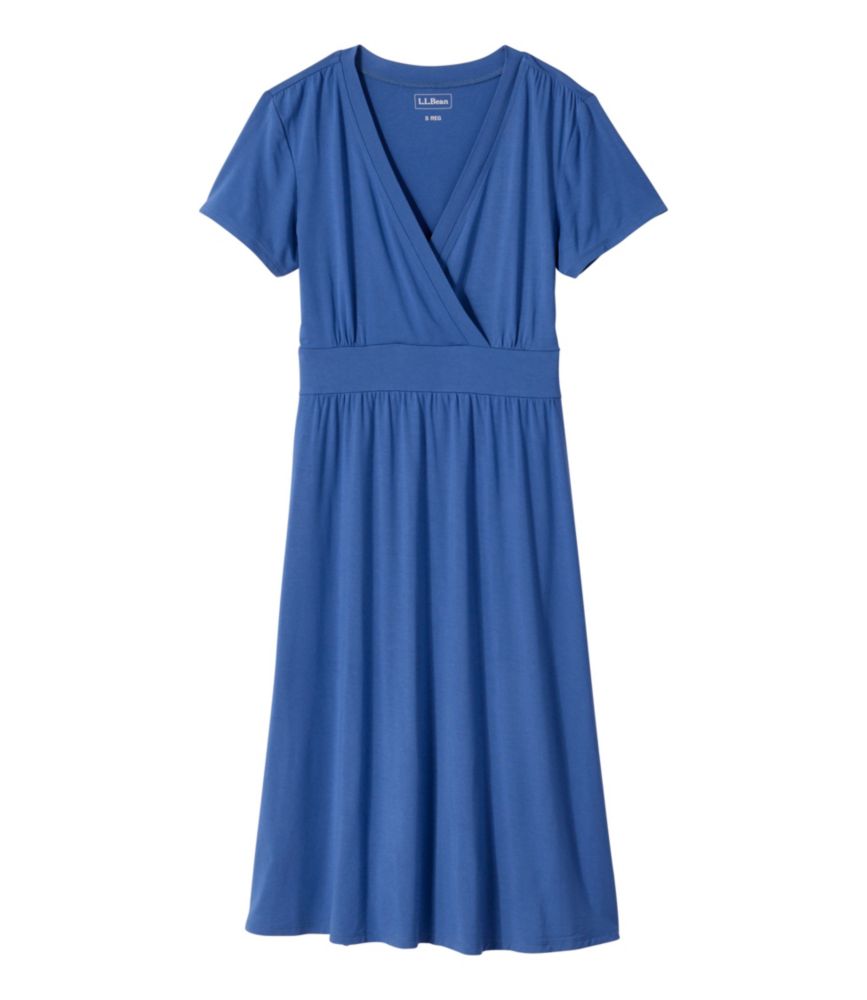
L.L.Bean Women's Summer Knit Dress
A blue summer knit dress with an A-line silhouette, faux-surplice styling, and soft stretch jersey fabric.
(627)
$54.95 $29.99
SALE
$54.95 $29.99
SALE
Women's Summer Knit Dress, Three-Quarter-Sleeve Scoopneck
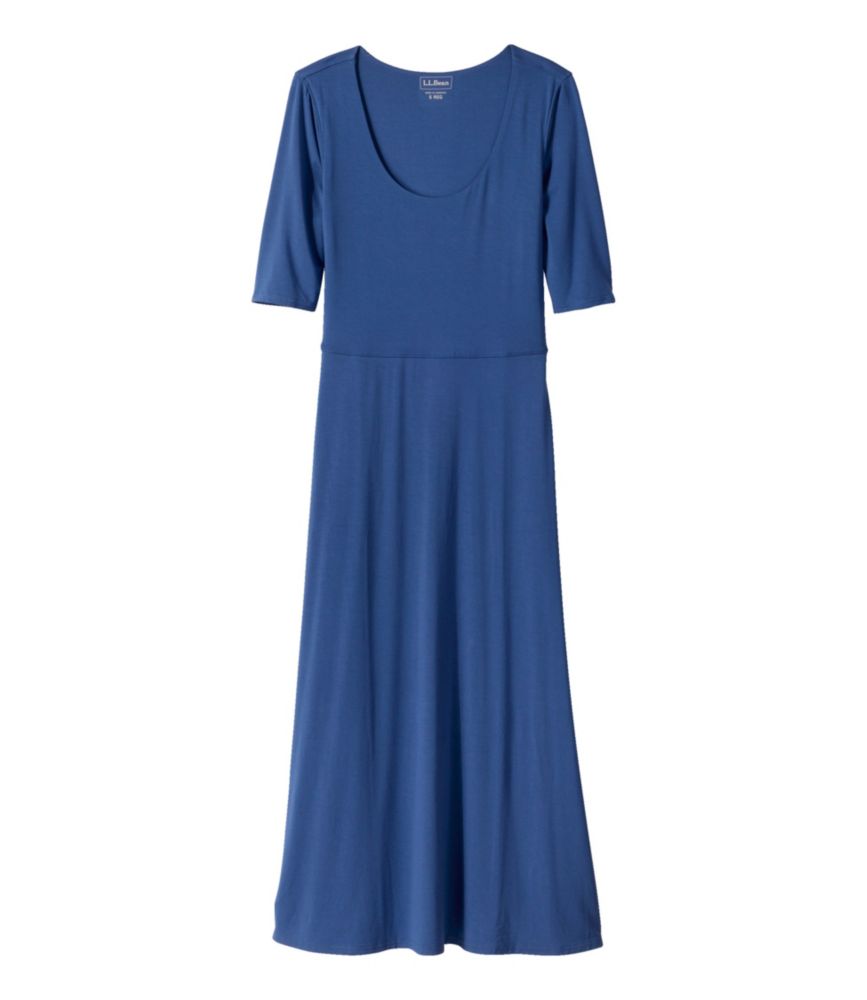
L.L.Bean Women's Summer Knit Dress, Three-Quarter-Sleeve Scoopneck
A blue rayon-blend jersey knit midi dress with a flattering fit-and-flare silhouette and three-quarter sleeves.
(0)
$59.95 $39.99
SALE
$59.95 $39.99
SALE
Women's Rocky Coast Slub-Knit Splitneck Dress
L.L.Bean Women's Rocky Coast Slub-Knit Splitneck Dress
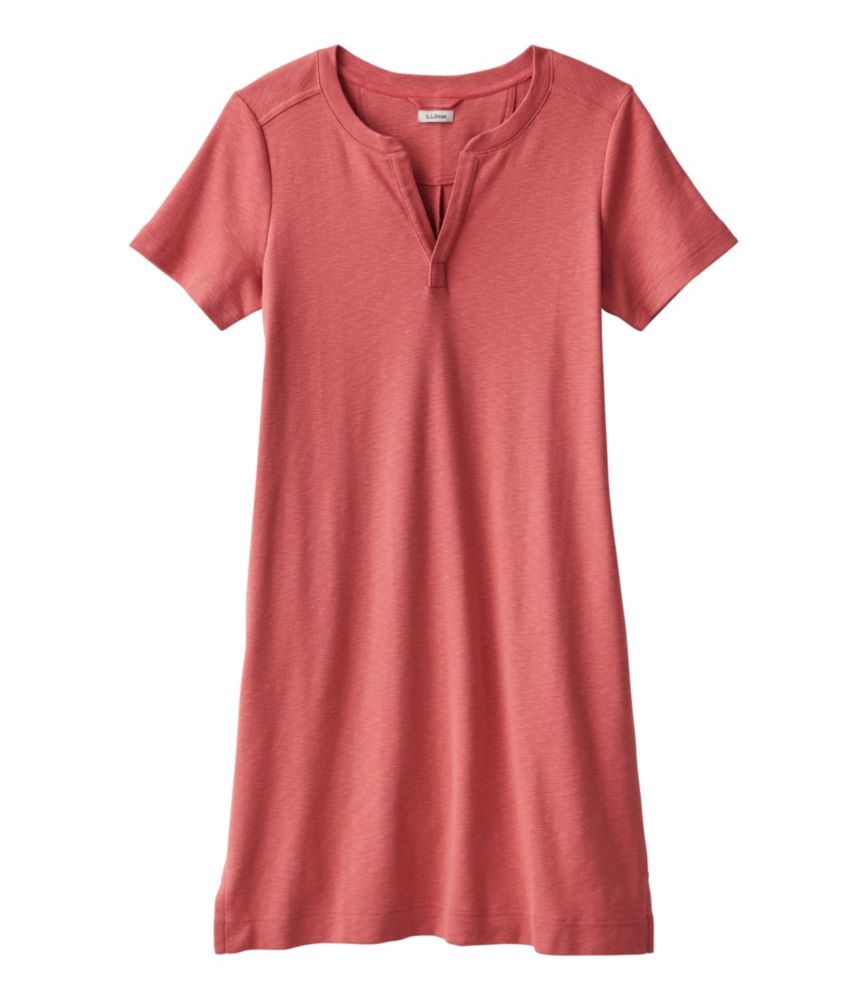
A women's orange cotton slub-knit dress with a split neck, side slits and convenient pockets.
(0)
$69 $33.99
SALE
$69 $33.99
SALE
Women's Summer Knit Maxi Dress, Print
L.L.Bean Women's Summer Knit Maxi Dress, Print
A blue printed knit maxi dress in stretch jersey with faux-surplice styling and an empire waist.
(0)
$69 $33.99
SALE
$69 $33.99
SALE
Women's Summer Knit Dress, Three-Quarter-Sleeve Scoopneck Print
L.L.Bean Women's Summer Knit Dress, Three-Quarter-Sleeve Scoopneck Print
A blue printed midi dress in soft stretch jersey with scoopneck, three-quarter sleeves, and fit-and-flare styling.
(0)
$69.95 $44.99
SALE
$69.95 $44.99
SALE
Women's Summer Knit Maxi Dress
L.L.Bean Women's Summer Knit Maxi Dress
A black knit maxi dress with a flattering fit-and-flare silhouette, soft stretch jersey and longer side slits.
(0)
$59.95 $29.99
SALE
$59.95 $29.99
SALE

Knit Dresses for Spring

Knit dresses for spring bring together a familiar wardrobe favorite and a season that invites a fresh look at personal style. Their appeal starts with the dress itself: a single piece that sets the direction for an outfit, with room to make it individual through shoes, jewelry and an extra layer. A simple silhouette can take on a different character with a denim jacket, a neatly shaped cardigan or a favorite necklace. The dress remains the centerpiece, while the finishing touches reflect the person wearing it. Spring style does not have to mean a particular palette, either. A preference for quiet neutrals, rich colors or expressive patterns can all belong in a spring wardrobe; the strongest connection is often to shades and details someone already enjoys wearing. Length is another important part of that overall look. Mini, midi and maxi describe different proportions, not different levels of formality, and the same general length can look quite different depending on the neckline, sleeve shape and hem. A hem near the knee creates a different balance from one near the ankle, particularly when paired with different footwear. Small details matter just as much: the placement of a seam, the shape of a cuff or the outline of a neckline can give an otherwise simple dress its character. Exploring knit dresses is an opportunity to consider those details together rather than treating any single feature as the deciding factor. For a spring wardrobe with a timeless point of view, familiar shapes and thoughtful proportions offer plenty of possibilities without depending on a passing trend. The result can be personal rather than prescribed: a dress chosen because its overall look belongs alongside the clothes already in the closet, with enough room for different combinations and individual expression.

Fit gives those visual details their full context. A dress described as fitted, straight or relaxed expresses a different silhouette, but the size label alone does not explain how that silhouette will look on every person. Measurements, garment length and the accompanying fit description provide a more useful picture together. Two people of the same height may have different torso lengths, shoulder widths and preferred waist placement, so the same dress can create a different outline on each. A waist seam that sits higher on one person may sit closer to the natural waist on another; a hem described in general terms may also land differently. Those distinctions are especially relevant when a favorite feature is the line of the dress itself. Someone who likes a defined shape may pay particular attention to the waist and bodice, while someone who prefers a straighter outline may focus on the relationship between the bust, hips and hem. Neither preference requires a particular body type. It is a matter of choosing the proportions that feel most like personal style. A familiar dress can provide a useful reference for preferred length and measurements, especially when comparing written sizing information. Sleeve length and neckline deserve the same consideration, including how they relate to jackets or cardigans already worn regularly. An outer layer that ends at the waist changes the visual balance differently from one that reaches the hip, and a necklace may sit differently against a high neckline than an open one. Footwear adds another point of contrast: sneakers, flats and sandals each change the outline at the hem. These are styling choices rather than rules, and a spring knit dress need not follow one fixed formula. Looking at the complete outfit helps keep the emphasis on personal preference, with the dress as part of a wardrobe rather than a separate look that needs entirely different accessories.

Fabric and care details add another dimension to that choice. Knit describes the construction, but it does not replace the individual fabric information that belongs with a garment. The composition listed in a dress’s description and the instructions on its care label deserve attention alongside its appearance. A fabric name alone is not a complete account of a finished dress, just as a photograph cannot answer every question about its dimensions or care requirements. Cleaning method, drying directions and any special handling instructions are practical considerations, particularly for someone who prefers a straightforward clothing-care routine. Following the garment’s own label keeps those decisions tied to the actual dress rather than to assumptions about knit clothing in general. Durability is worth considering with the same attention to detail: construction information, finishing details and care requirements are more useful than broad expectations based on the category name. Quality also has a personal side. A dress can have an appealing shape and still be the wrong choice if its care needs do not suit the recipient or its proportions differ from what that person enjoys. That is especially relevant when choosing a spring knit dress as a gift. Familiarity with the recipient’s preferred sizing, neckline, sleeve length and overall silhouette matters more than choosing a style simply because it looks appealing on someone else. Looking to the dresses they already reach for can offer a clearer sense of their taste without requiring an exact match. The same thoughtfulness applies when adding to an existing wardrobe. A dress may echo a favorite shape while introducing a different length, or complement familiar accessories without repeating every detail of something already owned. Spring provides a seasonal theme, but the choice can remain grounded in enduring preferences rather than a complete wardrobe change. With attention to the individual description, fit information and care label, the focus stays on what matters: a knit dress whose style and details make sense for the person who will wear it.

FAQs