It's time to upgrade your browser

Your current browser is no longer supported on llbean.com. Please upgrade to one of the following for a smoother, safer shopping experience with us:

Safety Boots

Explore safety boots and compare styles, sizing and listed features to find the right pair for your needs. Check individual product specifications and any listed safety ratings against your workplace requirements before making your choice.
Read More
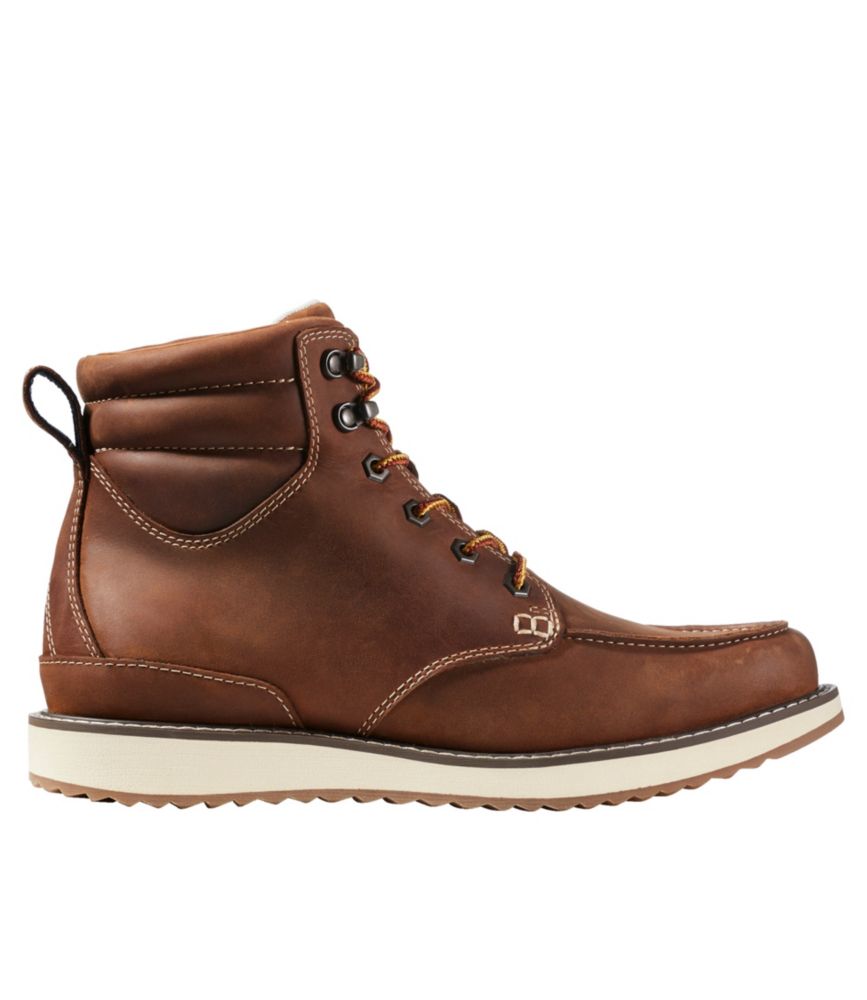
Men's Stonington Boots, Moc-Toe
L.L.Bean Men's Stonington Boots, Moc-Toe
A brown water-resistant leather boot with sneaker-like comfort, moisture-wicking lining, molded EVA cushioning, and rubber traction.
(1,099)
$170 $170
SALE
What customers like:
Durable construction
Versatile use
Lightweight design
Stylish appearance
Comfortable fit
$170 $170
SALE
Men's Storm Chaser Boots 5, Leather Lace-Up
L.L.Bean Men's Storm Chaser Boots 5, Leather Lace-Up
A black leather, rubber and nylon boot with waterproof protection, 200-gram insulation and grippy traction for winter weather.
(774)
$170 $170
SALE
What customers like:
Perfect fit
Comfort
Warmth
Great color
Improved traction
$170 $170
SALE
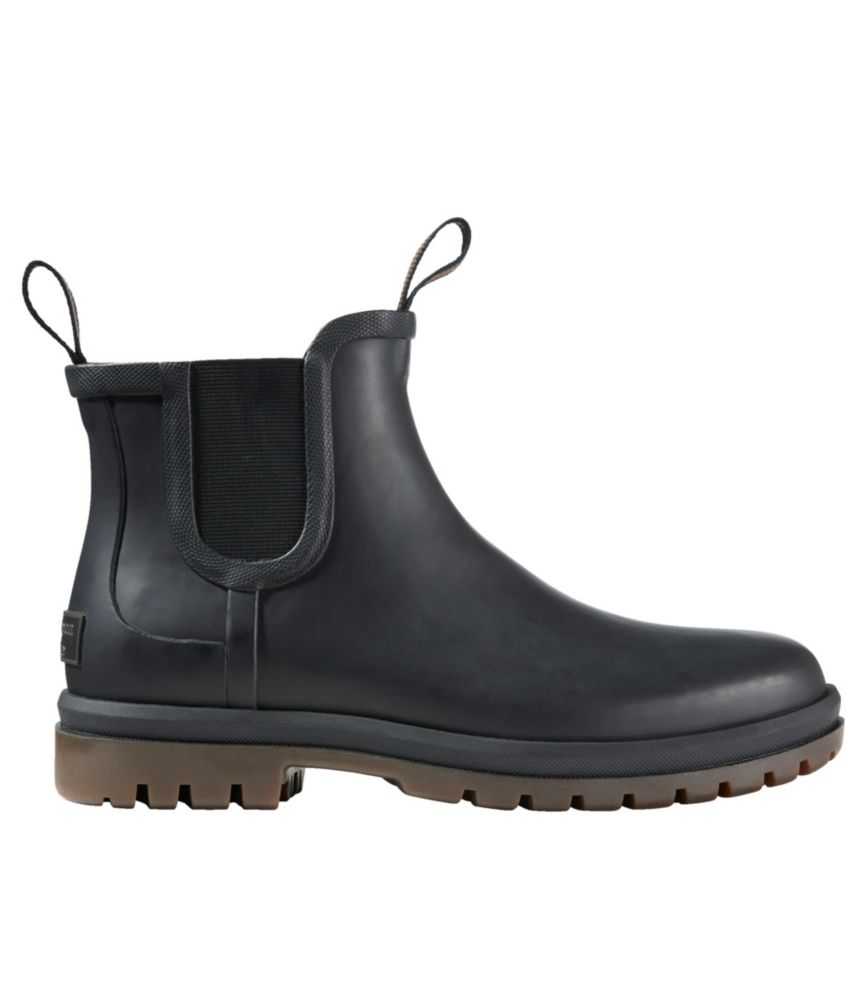
Women's Rugged Wellie® Chelsea Boots
L.L.Bean Women's Rugged Wellie® Chelsea Boots
A black rubber waterproof boot with cushioned EVA pods and a grippy outsole for wet conditions.
(715)
$99.95 $99.95
SALE
What customers like:
Waterproof
Attractive appearance
Quality
Comfort
Good fit
$99.95 $99.95
SALE
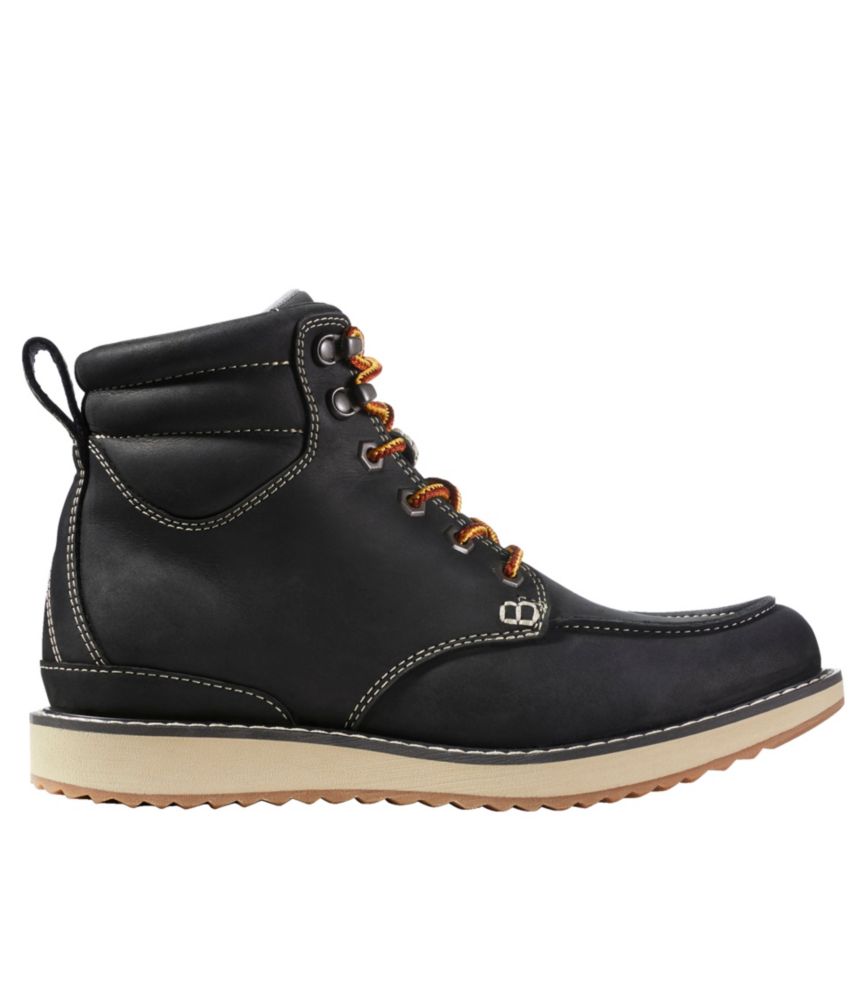
Women's Stonington Boots, Moc Toe
L.L.Bean Women's Stonington Boots, Moc Toe
A black, water-resistant leather work boot with EVA cushioning, moisture-wicking lining, and durable rubber traction.
(389)
$170 $119.99
SALE
What customers like:
Great fit
Versatile
Comfortable
Well made
Looks great
$170 $119.99
SALE
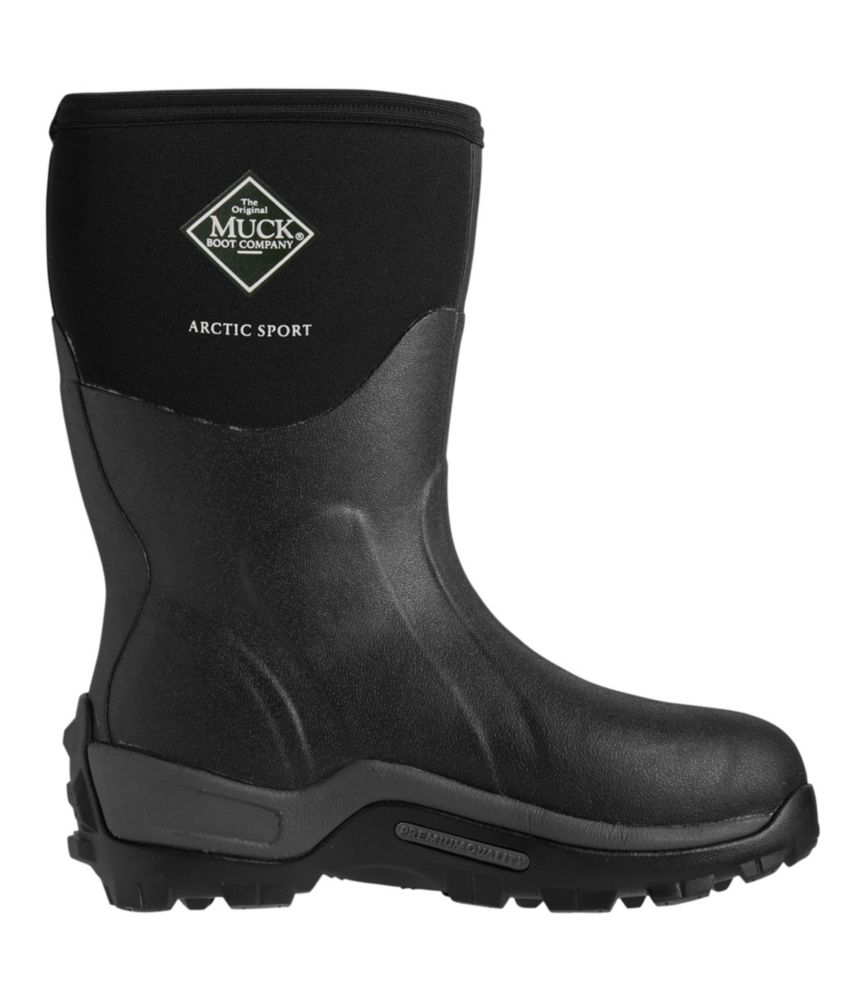
Men's Arctic Sport Muck Boots, Mid-Cut
Muck Men's Arctic Sport Muck Boots, Mid-Cut
A black waterproof, insulated boot with rubber-neoprene construction, warm fleece lining, toe protection, and rugged traction.
(179)
$180 $180
SALE
What customers like:
High durability
Lightweight
All-around use
Watertightness
Keeps feet warm
$180 $180
SALE
Kids' Puddle Stompers Rain Boots
L.L.Bean Kids' Puddle Stompers Rain Boots
A blue waterproof rubber-and-cotton rain boot with grab handles, sure-grip traction and reflective detailing for puddle-stomping.
(158)
$49.95 $49.95
SALE
What customers like:
Attractive design
Lightweight
Durable material
Good fit
Nice color
$49.95 $49.95
SALE
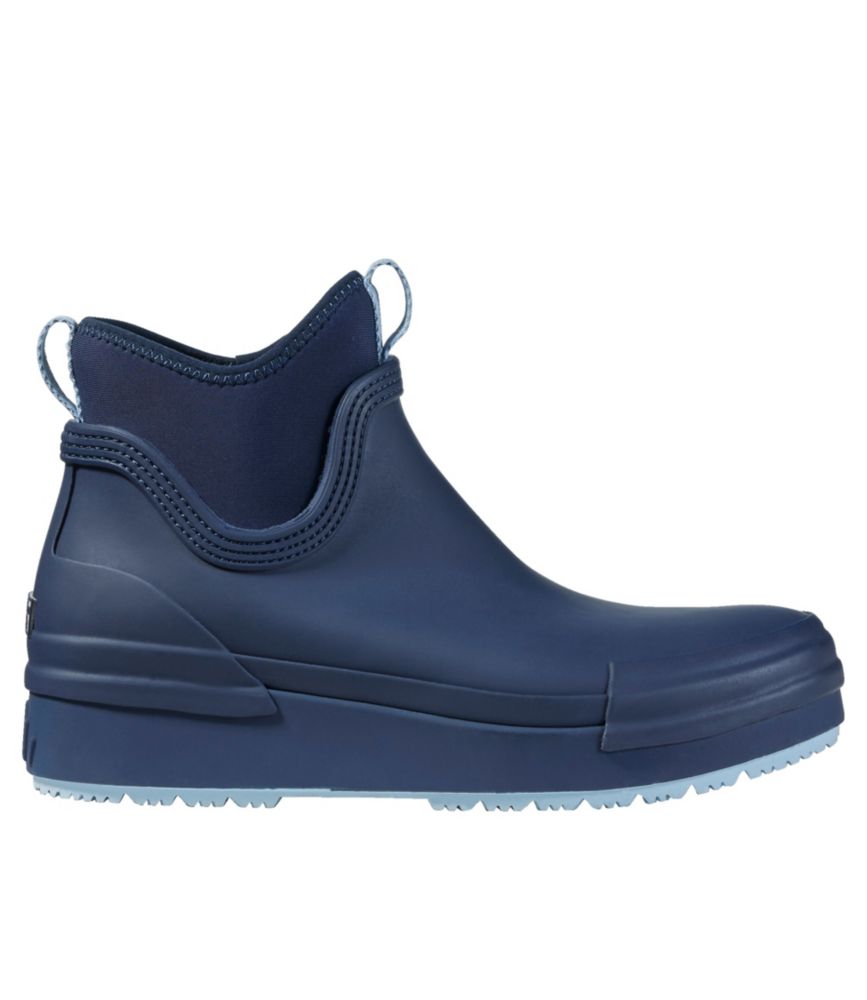
Women's Bean Light Wellie® Boots, Pull-On
L.L.Bean Women's Bean Light Wellie® Boots, Pull-On
A blue waterproof rain boot with rubber protection, recycled polyester lining, cushioning, pull tabs, and traction.
(0)
$99.95 $99.95
SALE
$99.95 $99.95
SALE
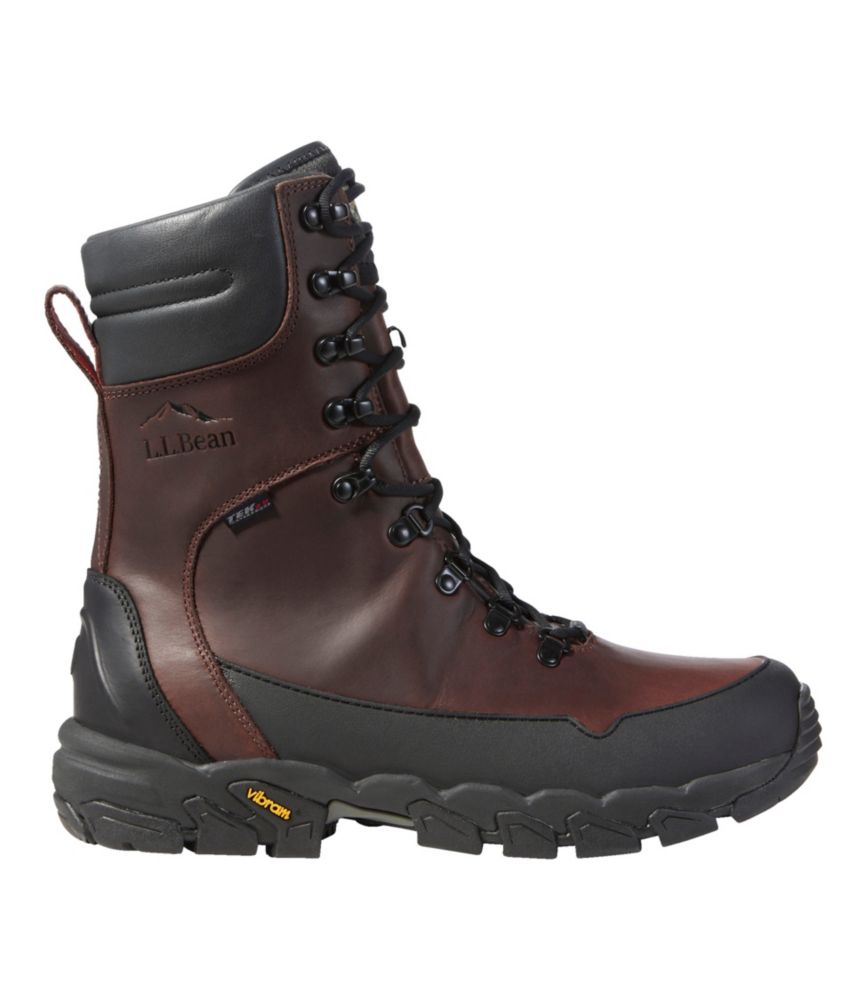
Men's Maine Warden's Field Boot
L.L.Bean Men's Maine Warden's Field Boot
A rugged brown leather boot with waterproof protection, warm insulation, odor resistance, and exceptional all-terrain traction.
(0)
$280 $280
SALE
$280 $280
SALE
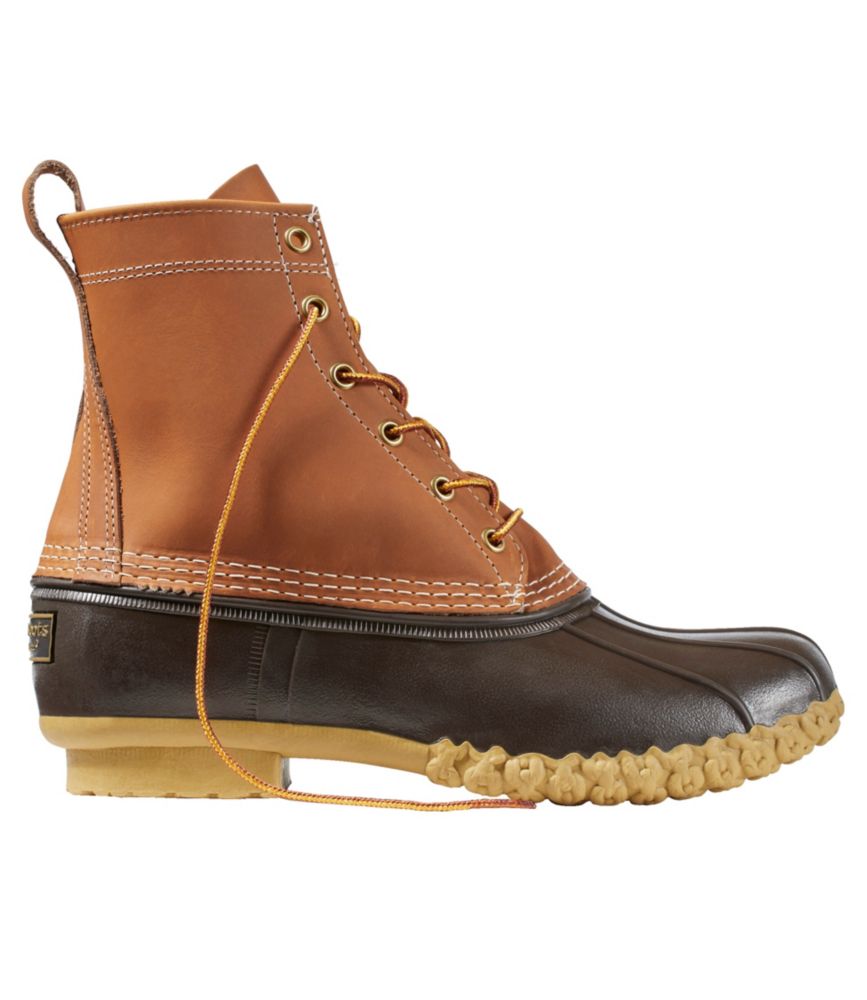
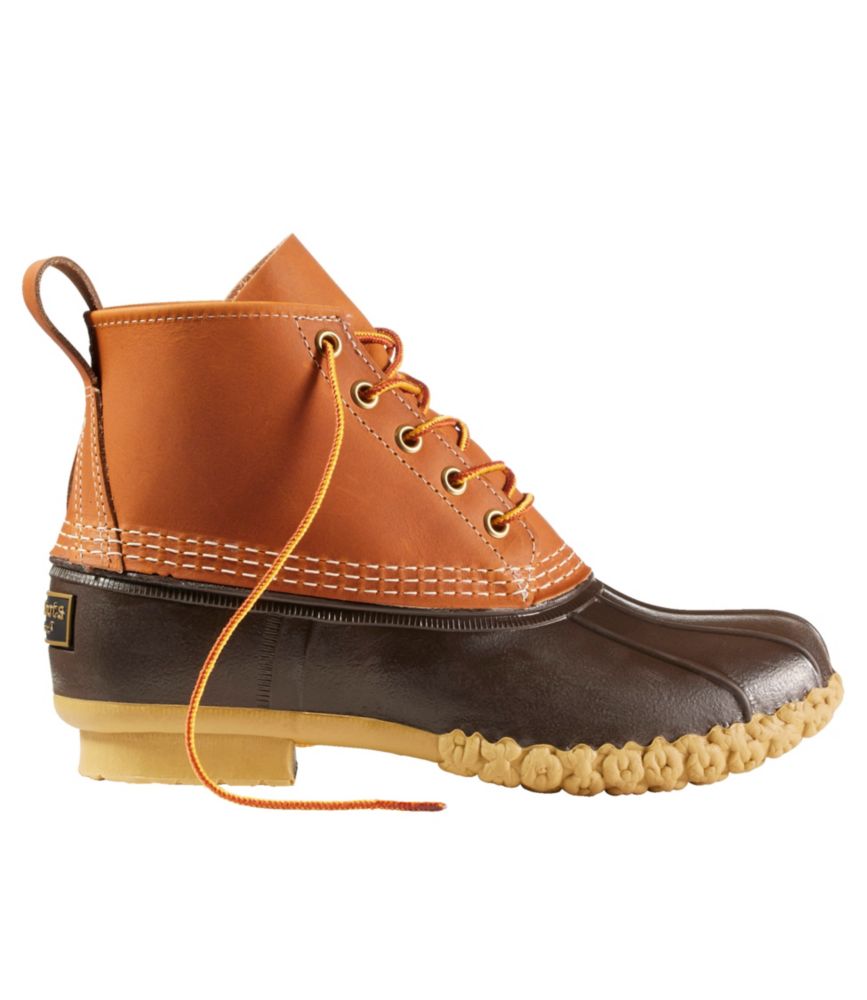
Men's Bean Boots, 8"
L.L.Bean Men's Bean Boots, 8"
A brown leather-and-rubber waterproof boot with supportive steel shank, cushioned insole, and durable chain-tread outsole.
(0)
$150 $150
SALE
$150 $150
SALE
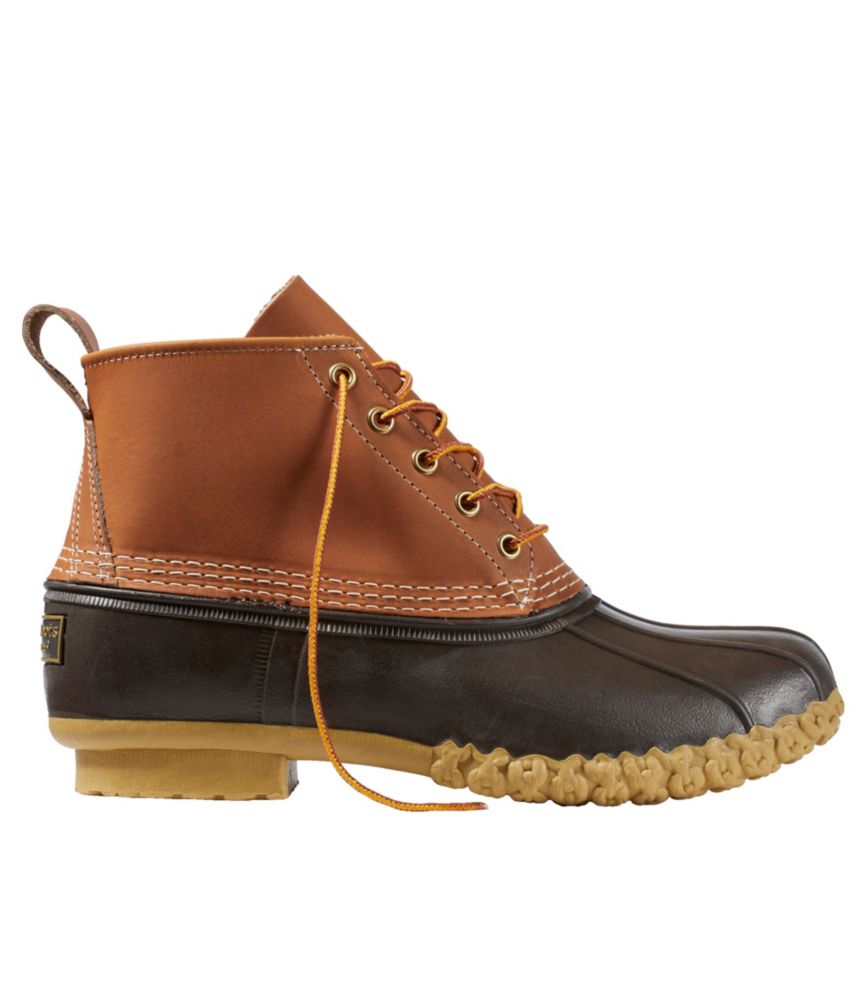
Men's Bean Boots, 6"
L.L.Bean Men's Bean Boots, 6"
A brown leather-and-rubber waterproof boot with supportive steel shank and durable chain-tread outsole for wet conditions.
(0)
$140 $140
SALE
$140 $140
SALE
Women's Maine Warden's Field Boot
L.L.Bean Women's Maine Warden's Field Boot
A rugged brown leather boot with waterproof breathable protection, 100-gram insulation, and superior all-terrain traction.
(0)
$280 $280
SALE
$280 $280
SALE
Women's Bean Boots, 6"
L.L.Bean Women's Bean Boots, 6"
A brown leather-and-rubber waterproof boot with supportive steel shank, cushioned insole and durable chain-tread outsole.
(0)
$140 $140
SALE
$140 $140
SALE

Safety Boots

Safety boots bring a practical consideration to choosing footwear: the right pair needs to match both the person wearing it and the requirements that prompted the search. The category name is a starting point, not a substitute for the details attached to an individual pair. A substantial-looking boot does not, by appearance alone, establish that it meets a particular requirement, and similar silhouettes can have different specifications. Where footwear requirements apply, those requirements should be compared with the manufacturer’s stated information before a choice is made. That distinction matters whether someone is replacing a familiar pair, preparing for a new role, or helping a family member find footwear they have requested. Within those boundaries, personal preferences still have a place. The height of the boot, the shape around the ankle, the arrangement of the laces, and the overall profile all contribute to how a pair looks and feels to its wearer. Some people prefer a straightforward, understated appearance; others look for more visibly defined stitching or a fuller boot shape. These are useful points of comparison, but they are separate from the specifications that determine suitability. Materials deserve the same careful attention. Rather than assuming that every boot in a category shares the same construction, shoppers can find the relevant composition and construction information in each pair’s description. Details about the upper, lining, sole, and closure help distinguish one design from another without relying on looks or category labels. For a broader view of footwear styles, Work Shoes offers another category to explore, with the same need to check each pair against any applicable requirements. The most useful comparison keeps three things distinct: what a boot is documented to offer, how it fits, and whether its design suits the wearer’s preferences. A choice that accounts for all three is more considered than one based on a familiar size or a rugged appearance alone.

Fit is an especially personal part of choosing safety boots, and a size label tells only part of that story. Two people who wear the same shoe size may have different preferences through the forefoot, heel, and instep, while two boot designs with the same marked size can feel different on the same person. Length and width both deserve attention, along with the space inside the boot and the shape of its opening. A useful fitting starts with the socks the wearer expects to use, rather than whichever pair happens to be closest at hand. With both boots on and fastened as directed, standing and taking a few ordinary steps can reveal details that are easy to miss while seated. Toes should not feel crowded, the heel should not move excessively, and the opening should not create uncomfortable pressure. A boot that feels noticeably tight or awkward should not be chosen on the assumption that wear will solve the problem. Manufacturer sizing notes are a better reference than guessing, particularly when moving between unfamiliar designs. Anyone using an insert should also check the manufacturer’s guidance about compatibility rather than assuming an addition will leave the original fit or specifications unchanged. Small everyday preferences matter here, too. The way a closure adjusts, the amount of room around the ankle, and how readily the wearer can put the boots on and take them off can all influence a choice. Picture the familiar routine of sitting by the door, loosening the laces, settling each heel into place, and fastening both boots before heading out. That sequence is worth considering alongside the initial impression in a mirror. It helps keep the purchase grounded in the wearer’s actual experience rather than in an image of what a safety boot ought to look like. When a previous pair has fit well, its size and design notes can provide a reference, but they should not replace checking the information for a different pair.

Care and durability are also best understood through the details of the boots themselves, not through broad assumptions about the category. Different materials and constructions can call for different cleaning methods, so the manufacturer’s care directions should take priority over a familiar household routine. A brush, cleaner, conditioner, or other treatment should be used only when appropriate for the stated material and instructions. More treatment is not necessarily better, and a method used on another pair may not be suitable. Establishing a simple place for footwear care makes those directions easier to follow: a spot to set the boots down, read the care information, and look them over without rushing. Regular attention also creates an opportunity to notice changes in the laces, closures, seams, interior, or sole. Visible wear should be assessed according to manufacturer guidance and any applicable footwear requirements; appearance alone cannot establish that a pair remains suitable. There is no single replacement schedule that fits every boot and every wearer, and a claim about service life should not be inferred from the category name. Keeping the product information accessible can make later care and replacement decisions more straightforward. These considerations are particularly useful when safety boots are being purchased as a gift. Footwear can be a thoughtful choice for someone who has specifically asked for it, but the recipient’s exact size, preferred fit, and stated requirements matter more than the surprise. Choosing together, or working from the recipient’s clearly identified preferences, avoids asking someone else to make a highly personal fitting decision. Even a close match in appearance may differ in ways that matter to the wearer. For personal purchases and gifts alike, the strongest starting point is clear information: documented specifications, relevant sizing notes, complete material details, and care instructions that can be followed. Those details give the collection its practical context while leaving room for individual taste. Safety boots should be considered pair by pair, with attention to the person who will wear them and the requirements the footwear needs to meet.
Read More

FAQs