It's time to upgrade your browser

Your current browser is no longer supported on llbean.com. Please upgrade to one of the following for a smoother, safer shopping experience with us:

Retro Running Shoes

Find retro running shoes with the classic athletic look you’re after. Browse vintage-inspired sneakers and compare silhouettes and design details to choose a pair that feels right for your wardrobe.
Read More
Men's 1985 Mountain Classic Sneakers
L.L.Bean Men's 1985 Mountain Classic Sneakers
A gray sneaker featuring water-resistant suede, recycled nylon, and a grippy VertiGrip rubber outsole for traction.
(0)
$110 $79.99
SALE
$110 $79.99
SALE
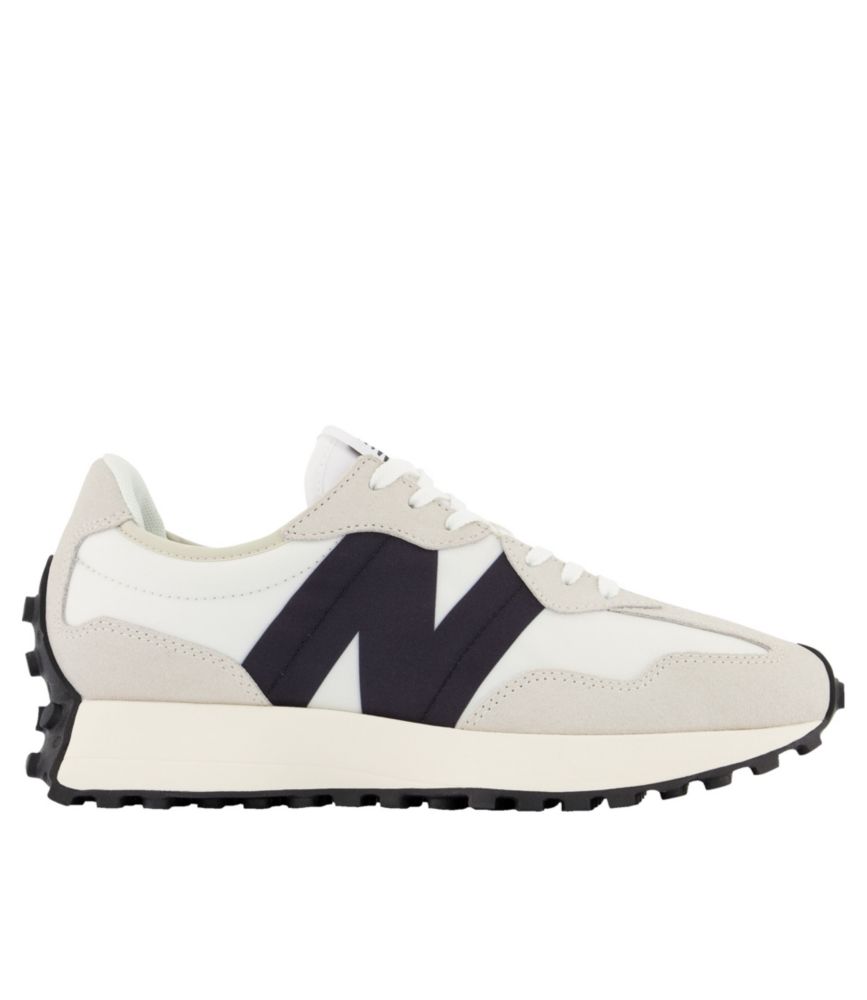
Women's New Balance 327 Running Shoes
New Balance Women's New Balance 327 Running Shoes
A retro-inspired running shoe with a durable suede, mesh, and nylon upper in classic white.
(0)
$99.99 $99.99
SALE
$99.99 $99.99
SALE
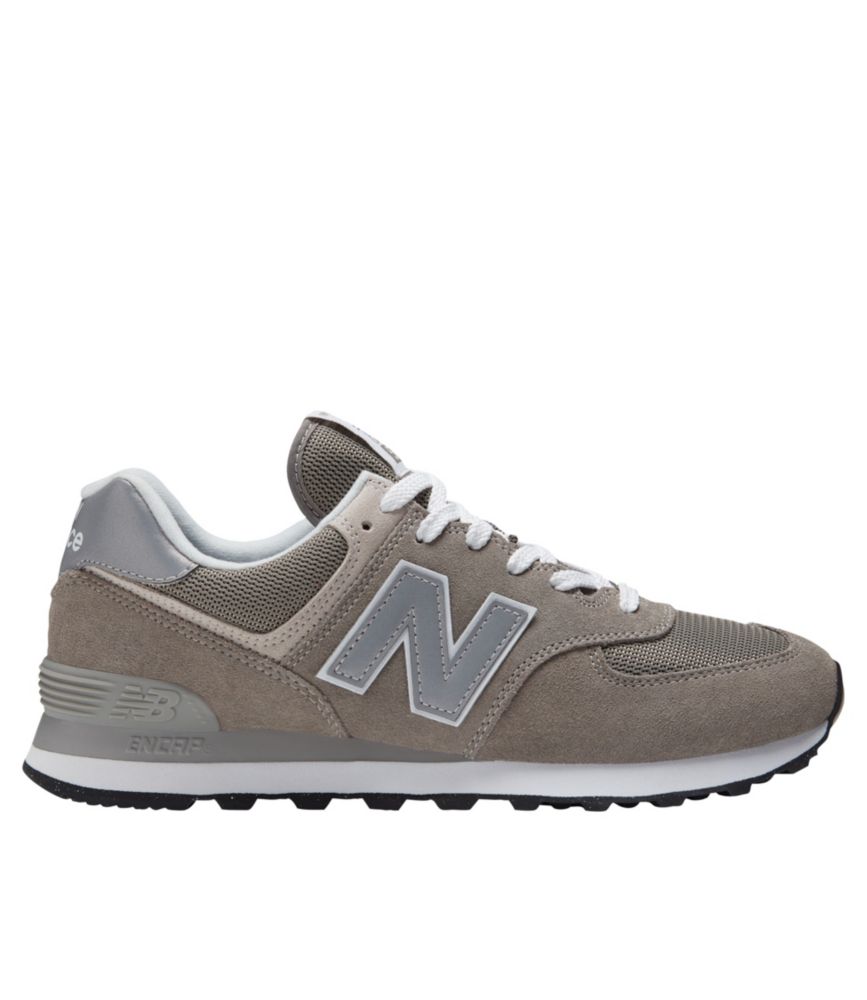
Men's New Balance 574V3 Walking Shoes
New Balance Men's New Balance 574V3 Walking Shoes
A versatile walking shoe with a breathable suede-and-mesh upper and durable rubber outsole for all-day comfort.
(0)
$89.99 $89.99
SALE
$89.99 $89.99
SALE
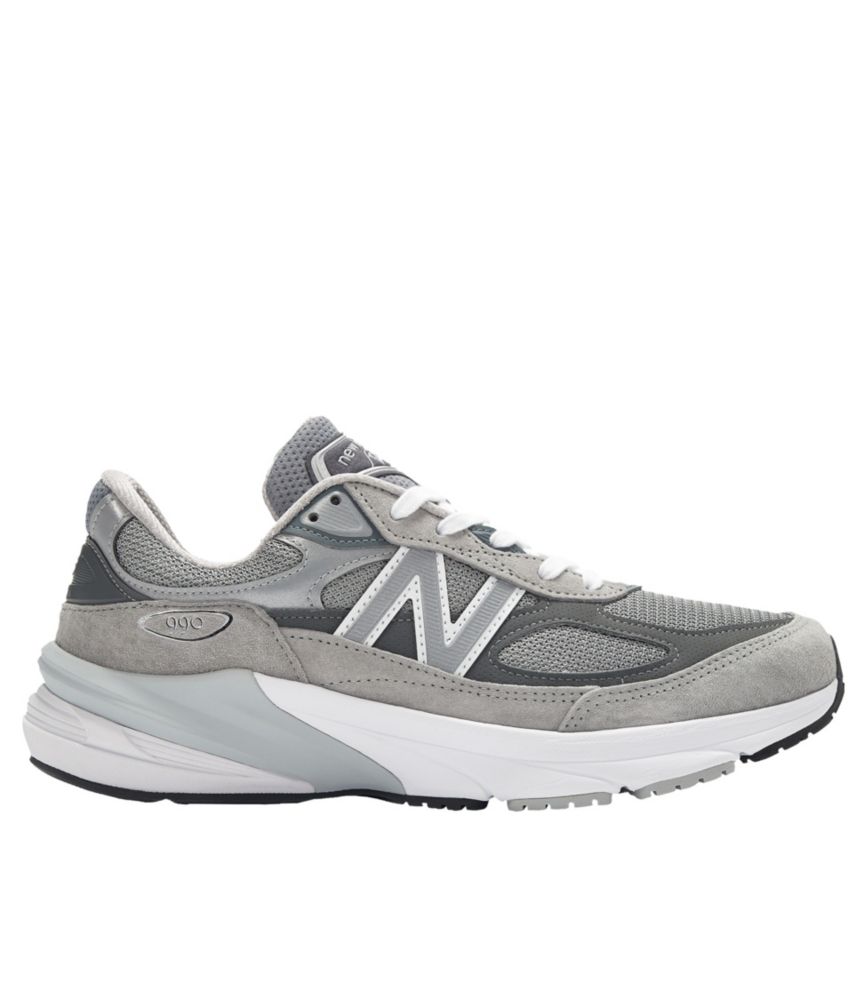
Men's New Balance 990V6 Running Shoes
New Balance Men's New Balance 990V6 Running Shoes
A classic multi-color sneaker featuring breathable mesh, pigskin leather, and all-day cushioning with reliable stability.
(0)
$199.95 $199.95
SALE
$199.95 $199.95
SALE
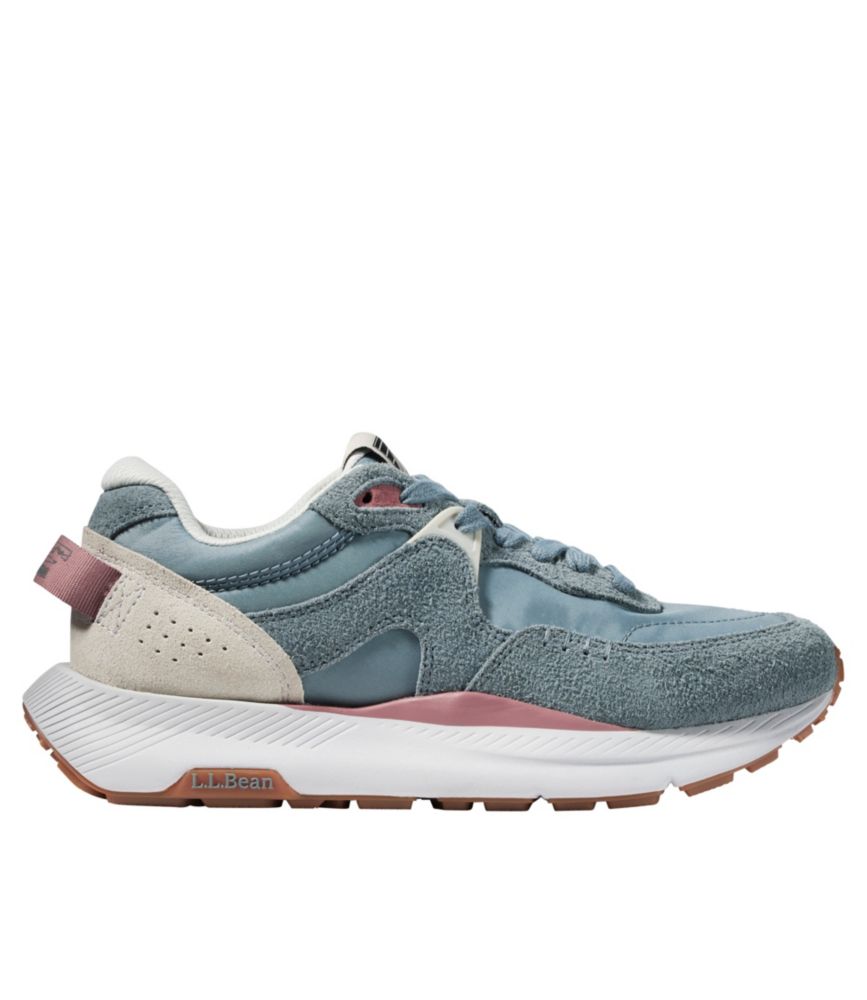
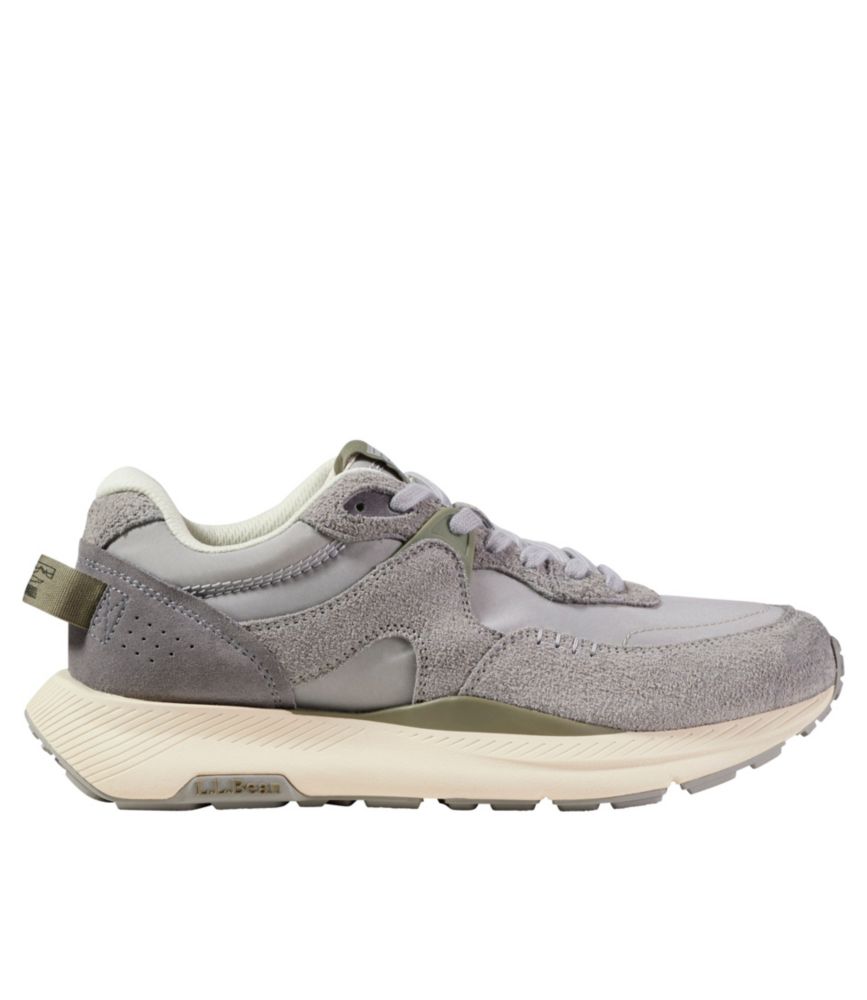
Women's 1985 Mountain Classic Sneakers
L.L.Bean Women's 1985 Mountain Classic Sneakers
A gray suede, rubber, and nylon sneaker offering cushioned comfort, water resistance, and rugged outdoor traction.
(0)
$110 $79.99
SALE
$110 $79.99
SALE
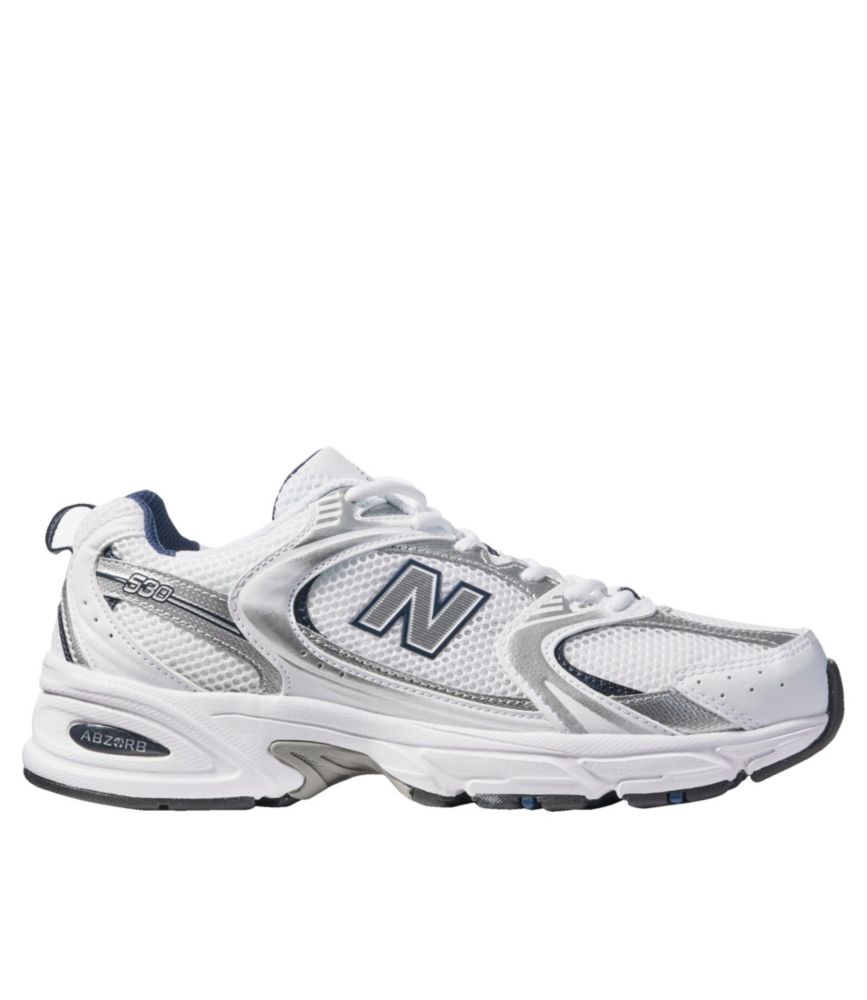
Adults' New Balance 530 Running Shoes
New Balance Adults' New Balance 530 Running Shoes
A white unisex running shoe featuring a breathable mesh upper and ABZORB midsole for lasting comfort.
(0)
$99.99 $99.99
SALE
$99.99 $99.99
SALE
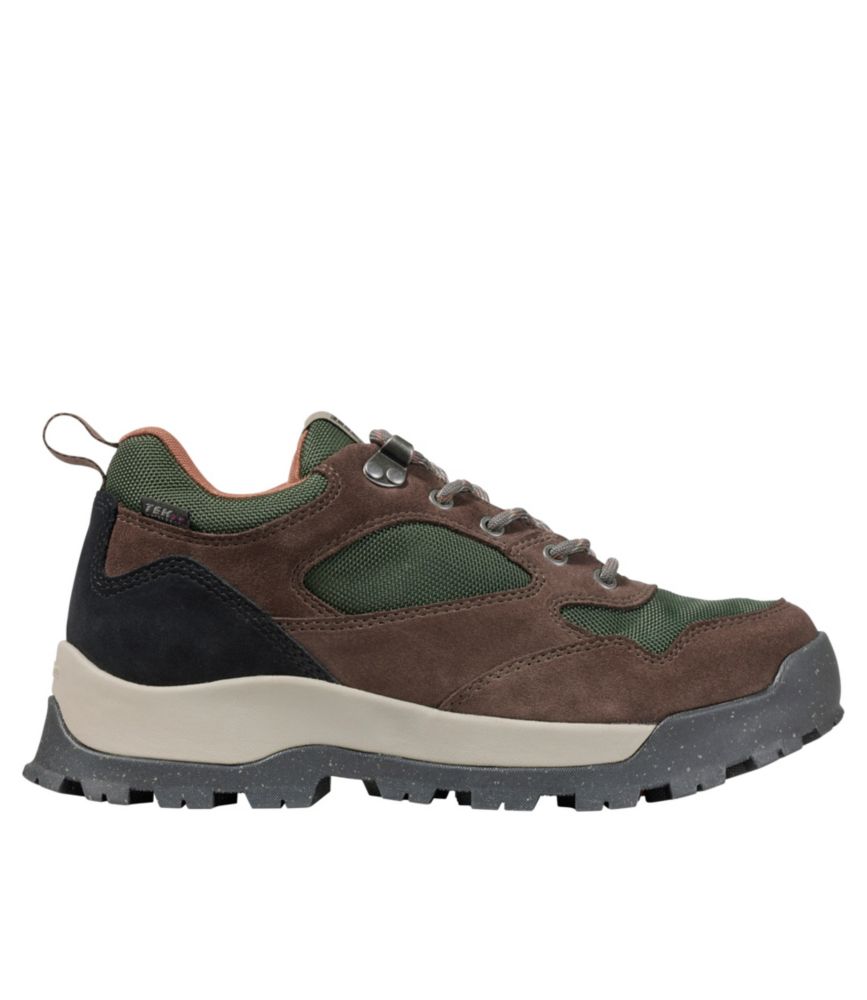
Men's Heritage Hiking Shoes, Waterproof
L.L.Bean Men's Heritage Hiking Shoes, Waterproof
A waterproof gray hiking shoe with suede-and-nylon upper, grippy rubber outsole, and recycled mesh lining.
(0)
$140 $99.99
SALE
$140 $99.99
SALE

Retro Running Shoes

Retro running shoes bring the visual history of running footwear into focus through familiar shapes, distinctive proportions, and athletic details. The term describes a look inspired by earlier generations of running shoes rather than one particular decade or construction. Some designs recall the low profiles and restrained lines associated with earlier track styles; others reflect the layered, more substantial appearance of later running footwear. That range is part of the appeal. A narrow shape with a simple color scheme has a different character from a rounded silhouette with sweeping panels and strong contrasts, yet both can belong to the same retro tradition. The most recognizable details are often small: the outline of the toe, the placement of a side panel, the shape of the tongue, or the way a contrasting section frames the heel. Together, those elements give a shoe its personality without requiring a loud design. Color also helps define the look. Muted shades can emphasize shape and proportion, while contrasting accents draw attention to individual lines. Tonal combinations offer a quieter interpretation of the same athletic heritage. For someone drawn to timeless style, the interest often lies in that balance between familiar design and individual expression. Retro does not have to mean an exact reproduction, and it does not describe the age or condition of the shoes themselves. It can refer to a faithful archival appearance or a broader interpretation of a past era. A style that brings back memories of school track meets may appeal to one person, while another simply appreciates its clean outline. Neither requires a head-to-toe vintage wardrobe. The connection is visual and personal: a familiar athletic shape, a thoughtful combination of colors, and details that feel distinctive without overwhelming the rest of an outfit.

The differences among retro running shoes become especially clear when considered alongside familiar clothing. A lower-profile silhouette creates one set of proportions beneath straight-leg jeans, while a fuller shape makes a different statement with a wider trouser opening. A cropped hem leaves more of the shoe visible, bringing the tongue, collar, and lacing pattern into the overall look. With longer pants, the toe shape and side profile may become the defining details. These relationships matter more than matching every color exactly. A small accent can echo a shirt or sweater, but a restrained shoe can also provide a visual counterpoint to patterned clothing. During the cooler months, the contrast between an athletic silhouette and the texture of a favorite sweater can give a familiar outfit a fresh sense of balance. Personal preference should lead the choice, especially when a pair is meant to become part of an established wardrobe rather than the starting point for a completely different one. Someone who favors understated clothing may appreciate subtle paneling and closely related shades; someone who enjoys bolder design may be drawn to pronounced curves or more visible contrast. Shoppers exploring Men's Vintage Running Shoes can consider those same details when comparing the overall character of different silhouettes. Photographs from the side, above, and behind help reveal how each design is put together visually. The side view shows the relationship between the upper and sole, while the overhead view makes the toe outline and lacing arrangement easier to compare. A rear view can reveal an accent that is less noticeable elsewhere. Looking at the whole shape keeps the decision grounded in the design rather than a single detail. The appeal of retro footwear is often found in these considered proportions, where several modest elements create a recognizable look.

Appearance is only one part of choosing a pair, and the retro label does not establish materials, fit, care requirements, durability, or intended activity. Those details belong to the individual shoe and deserve a separate look in its description. Material information explains what each part is made from; photographs alone cannot reliably establish composition or how a surface should be cleaned. Care instructions are particularly useful when a design has several different panels or finishes, since the appropriate treatment may depend on the combination. A familiar-looking shape is not a reason to assume that an old cleaning routine will apply. Fit deserves the same attention. The size printed inside a previous pair is a useful reference, but it is not a complete picture of how another design will feel. Length, width, space around the toes, and the way the heel sits all contribute to the fit of a particular shoe. Trying shoes with the socks intended for them makes the comparison more relevant, and checking both feet helps avoid choosing by appearance alone. Any model-specific sizing notes can add context that a photograph cannot provide. Likewise, a substantial-looking sole or multiple layers should not be treated as proof of durability; construction details and the stated purpose provide a better basis for comparison. Running heritage and suitability for a planned run are separate considerations. When choosing footwear for running, the individual description should explicitly identify that intended use rather than leaving the decision to a retro appearance or category name. These distinctions also matter when shoes are a gift. A recipient might appreciate a silhouette that recalls a favorite era, a restrained color palette, or an interest in athletic design, but personal fit remains essential. Knowing the preferred size, width, and general shape is more helpful than choosing solely for a nostalgic connection. The most considered choice brings the visual appeal and the individual details together: a design that suits the person’s taste, clear information about its construction and care, and a fit assessed on its own merits. That leaves room to enjoy what makes retro running shoes distinctive—the recognizable lines, expressive proportions, and enduring connection to running’s design history.
Read More

FAQs