It's time to upgrade your browser

Your current browser is no longer supported on llbean.com. Please upgrade to one of the following for a smoother, safer shopping experience with us:

Men's Vintage Running Shoes

Explore men's vintage running shoes for a classic athletic look. Browse retro-inspired sneakers and compare shapes, colors and design details to find a pair that complements your personal style.
Read More
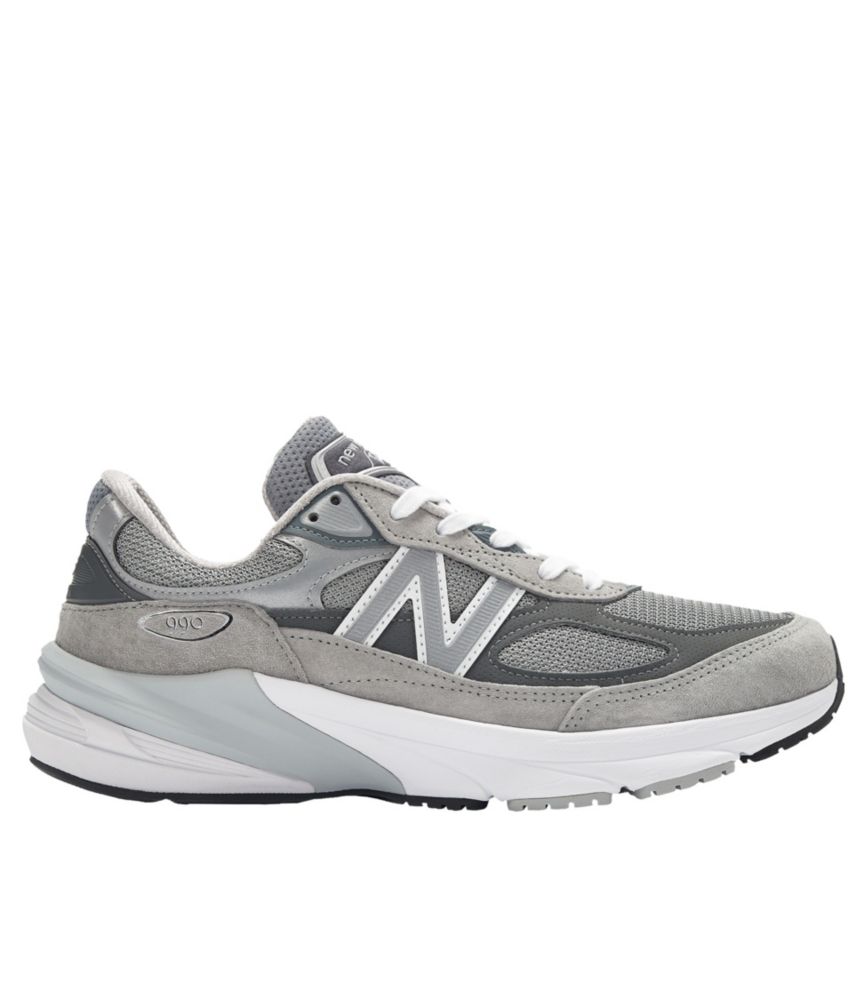
Men's New Balance 990V6 Running Shoes
New Balance Men's New Balance 990V6 Running Shoes
A classic sneaker with breathable mesh, pigskin leather, and all-day cushioning for comfort and stability.
(0)
$199.95 $199.95
SALE
$199.95 $199.95
SALE
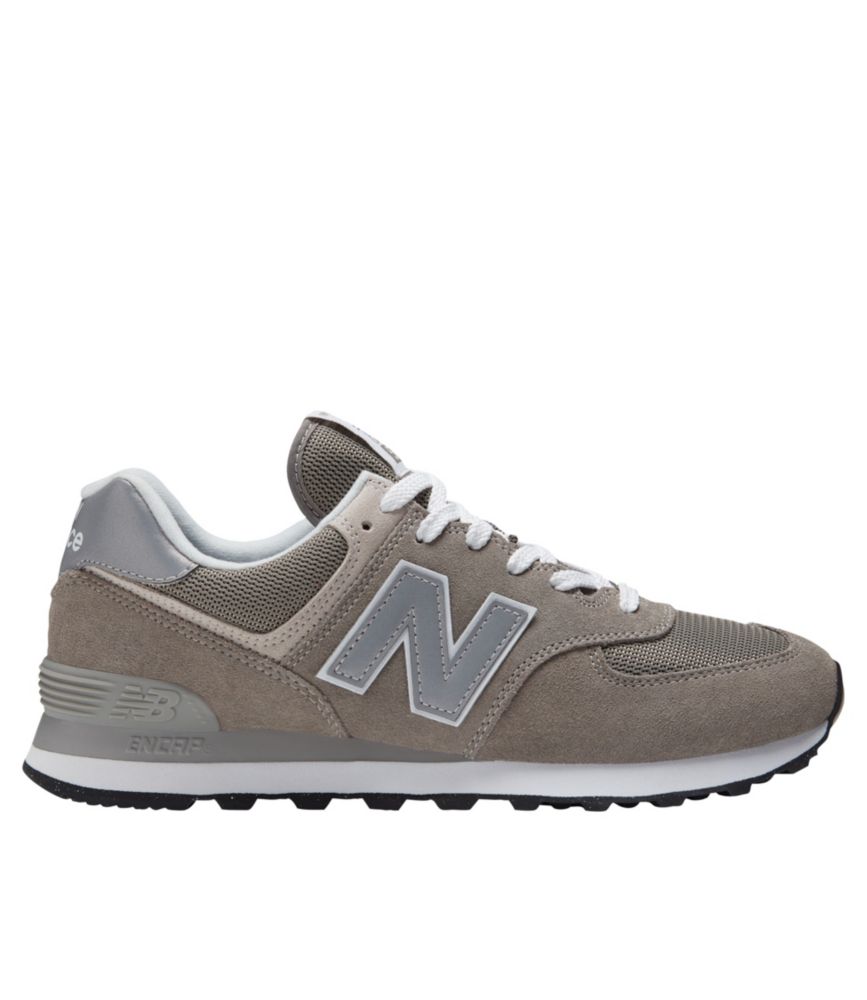
Men's New Balance 574V3 Walking Shoes
New Balance Men's New Balance 574V3 Walking Shoes
A versatile walking shoe with a breathable suede-and-mesh upper, ENCAP® midsole, and durable rubber outsole.
(0)
$89.99 $89.99
SALE
$89.99 $89.99
SALE
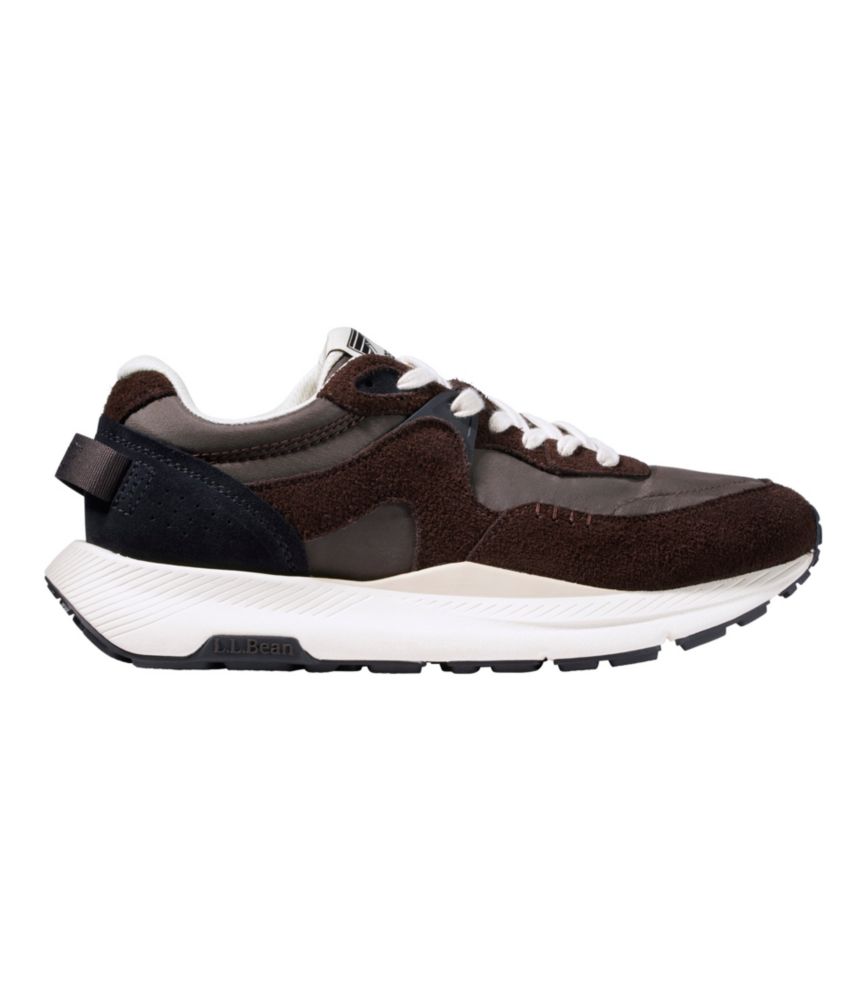
Men's 1985 Mountain Classic Sneakers
L.L.Bean Men's 1985 Mountain Classic Sneakers
A brown suede, rubber, and nylon sneaker featuring water resistance, retro style, and exceptional cushioning.
(0)
$110 $79.99
SALE
$110 $79.99
SALE

Men's Vintage Running Shoes

Men’s vintage running shoes bring a familiar athletic look to a timeless style: recognizable proportions, thoughtfully placed details, and colors that feel as considered as the shape itself. The appeal comes from the visual history of running footwear, when distinct side panels, contrasting accents, and clearly defined soles helped give different designs their identity. In this context, “vintage” can describe an earlier design influence rather than the age of the shoes themselves. Vintage-inspired running shoes are not necessarily original pairs from decades past, and a heritage appearance alone says little about how a shoe will fit or perform. That distinction leaves room to appreciate the style for what makes it distinctive. A narrow profile creates a different impression from a fuller shape, just as a restrained two-color design looks different from one with several contrasting panels. Some interpretations lean toward the simple outlines associated with earlier running footwear; others reference the more layered athletic styling of later decades. Neither approach needs to look like a costume or a complete recreation of a particular era. The most appealing choice often has one or two details that feel familiar without overwhelming the rest of an outfit. Think of a light-colored side panel against a darker body, a contrasting heel detail, or a sole whose shape gives the shoe a clear outline. Those visual relationships are part of what makes retro running style recognizable even when individual designs differ considerably. For someone drawn to understated clothing, a quieter color combination can feel like a natural extension of an existing wardrobe. Someone who enjoys a little more contrast may prefer a shoe with a bolder arrangement of colors. The common thread is an appreciation for athletic design with a sense of history, rather than a need to follow every change in fashion. Men’s vintage-style running shoes offer a theme centered on that enduring visual character, with the finer distinctions found in each pair’s proportions, detailing, and overall appearance.

Choosing among vintage-inspired designs is often a matter of noticing how the whole shoe comes together. The view from above reveals the shape of the toe and the balance between the front of the shoe and the lacing area, while a side view makes the relationship between the upper and sole easier to compare. A close-up can show whether a design gets its character from stitching, panel placement, or changes in color. These details can matter more than an exact match to a shoe remembered from an old photograph. A pair that recalls a favorite athletic style may still have a different shape, sizing system, or construction, so familiarity with the look should not replace attention to the individual description. Fit deserves the same consideration as appearance. The listed size, width options, and any stated fit guidance provide a better starting point than assuming all retro running shoes fit alike. When trying on a pair, the socks normally worn with the shoes can help make the comparison more meaningful. Notice the space around the toes, how the heel sits, and whether the laces can be adjusted without creating pressure across the top of the foot. An attractive outline is only one part of choosing a pair that feels right. For the visual side of the decision, trouser shape also changes how the shoes appear. A straight hem leaves a different amount of the shoe visible than a tapered one, and a longer hem may obscure details around the collar or heel. Simple combinations let those distinctions stand out: dark jeans beside a contrasting shoe, plain chinos with a restrained color scheme, or an unembellished shirt that leaves the footwear as the main athletic reference. These are styling choices, not rules about who can wear the look. Vintage running style can appeal equally to someone who remembers its earlier influences and someone encountering those shapes for the first time. Its familiarity makes room for personal preference rather than requiring a particular age, background, or approach to getting dressed.

The vintage label is a description of style, not a substitute for the practical information attached to an individual shoe. Materials, construction, care requirements, and intended use should come from the product details rather than assumptions based on a photograph. Similar-looking pairs can have different care instructions, and contrasting sections of the same shoe may require attention to the manufacturer’s directions. Before choosing a pair, it is worth knowing how the maker recommends cleaning it and whether any specific treatments should be avoided. Following those directions is more useful than applying a familiar cleaning method simply because it worked on another pair. Durability also cannot be judged by a retro appearance alone. A substantial-looking sole or a prominently stitched panel may be part of the visual design without establishing how the shoe will hold up under a particular routine. For anyone choosing footwear for running, the individual product’s stated purpose and fit information matter more than its historical references. An athletic silhouette does not, by itself, establish suitability for a particular distance, surface, or training plan. Shoppers comparing the vintage theme with a more explicitly gym-focused category can also explore Mens Gym Running Shoes, keeping the same attention on each shoe’s description rather than treating the category name as a complete set of specifications. As a gift, vintage-inspired running shoes are a thoughtful possibility for someone with a clear affection for classic athletic design, especially when their preferred size, width, and color preferences are known. A recipient who consistently chooses quiet, neutral combinations may appreciate a different look from someone whose favorite shoes feature distinct color contrasts. Knowing those preferences can be more helpful than choosing the design with the strongest nostalgic reference. Whether the attraction begins with a remembered silhouette, a particular combination of colors, or the straightforward character of classic athletic styling, the best choice brings visual preference and individual product details together. That balance keeps the focus on shoes selected with care, with an enduring look that feels personal rather than prescribed.
Read More

FAQs