It's time to upgrade your browser

Your current browser is no longer supported on llbean.com. Please upgrade to one of the following for a smoother, safer shopping experience with us:

Pull-On Hiking Boots

Find pull-on hiking boots with the slip-on design you’re looking for. Browse available styles and check each pair’s sizing, fit guidance and intended use to help choose boots that suit your hiking plans.
Read More
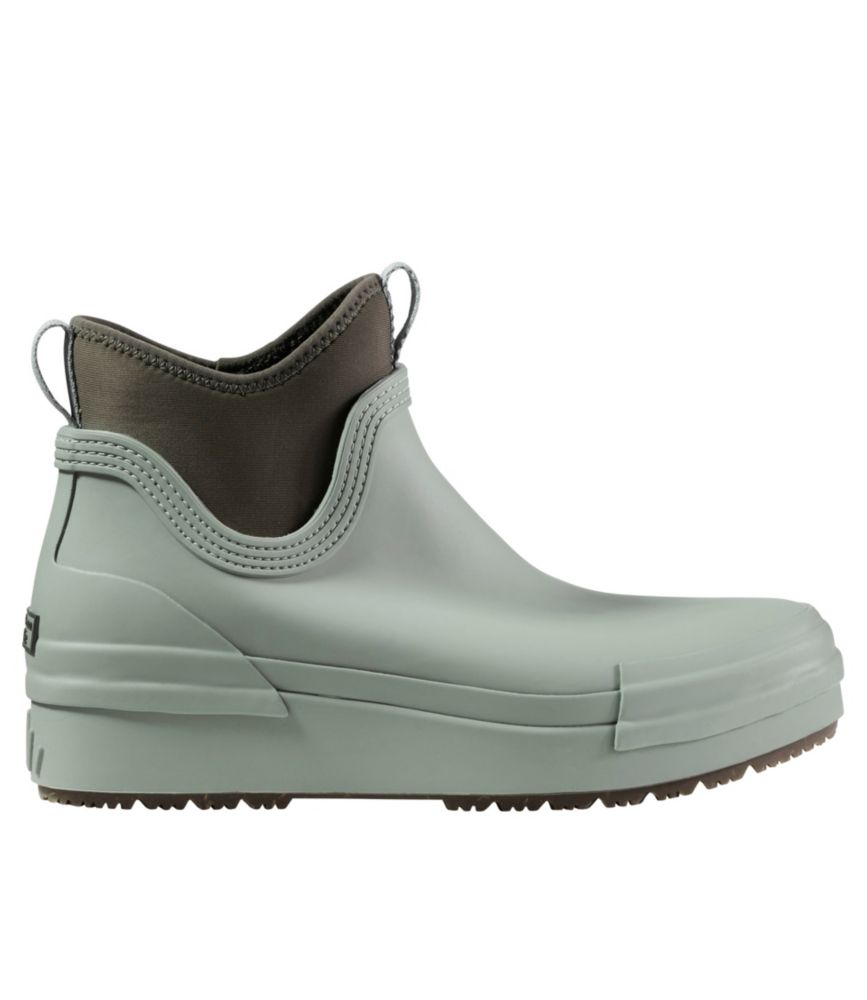
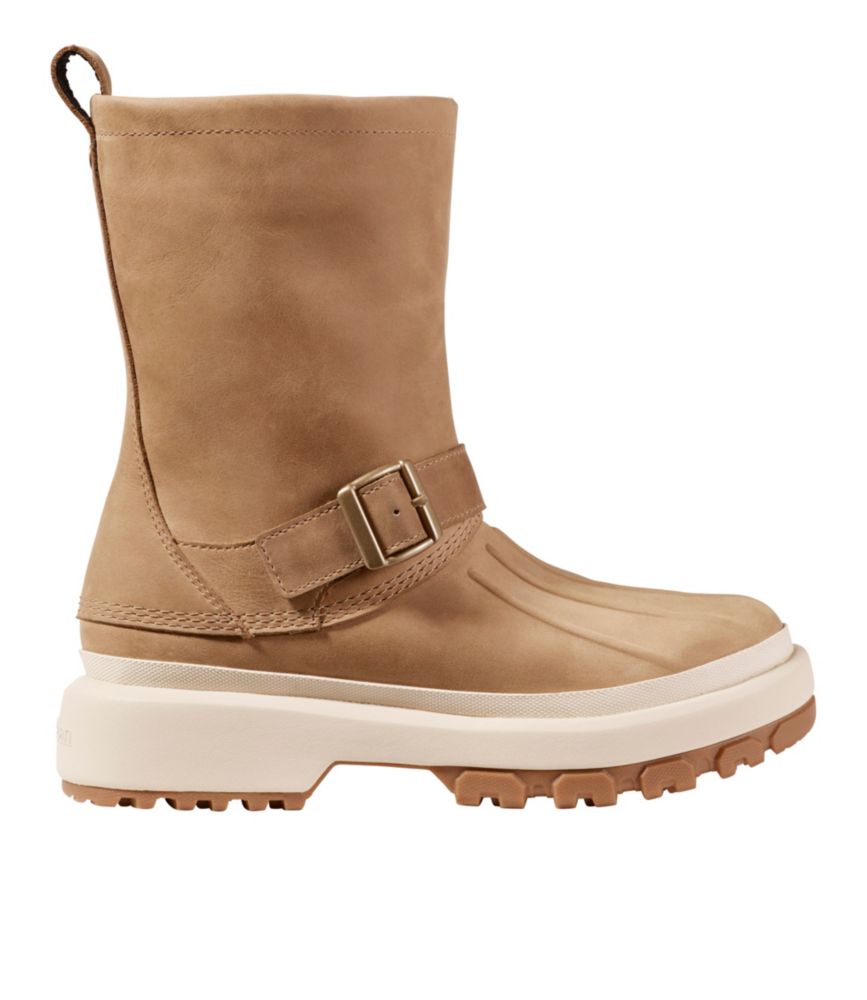
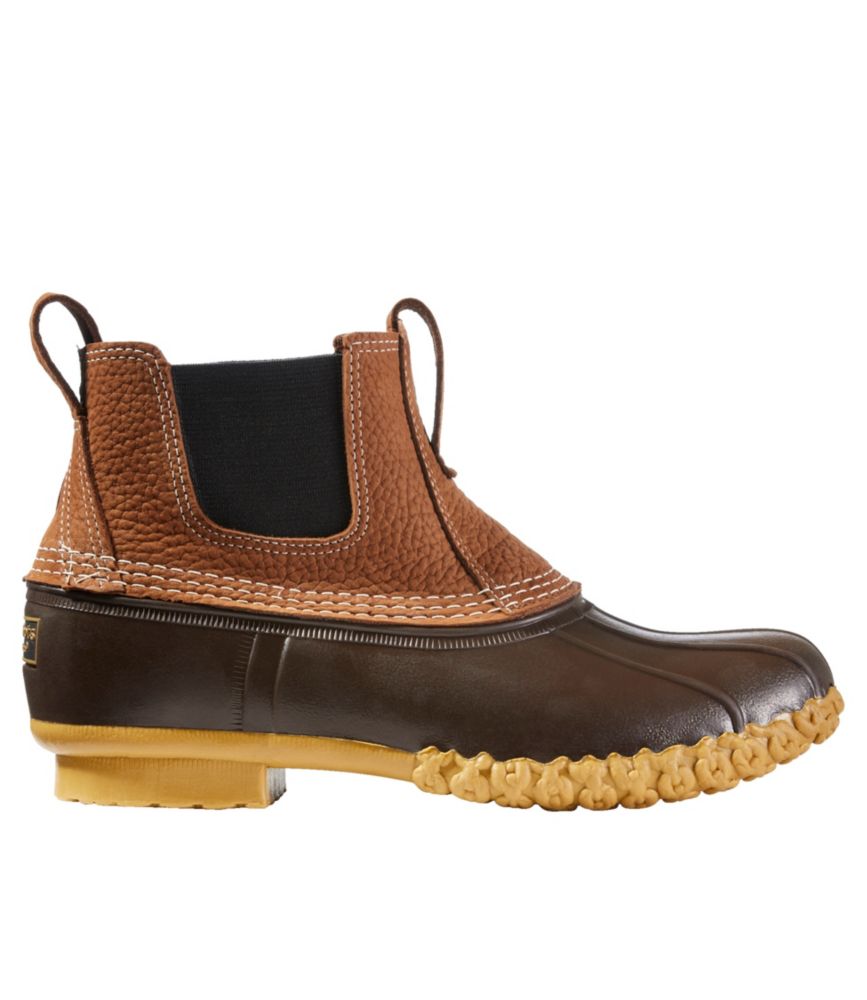
Men's Bean Boots, 6.5" Chelsea
L.L.Bean Men's Bean Boots, 6.5" Chelsea
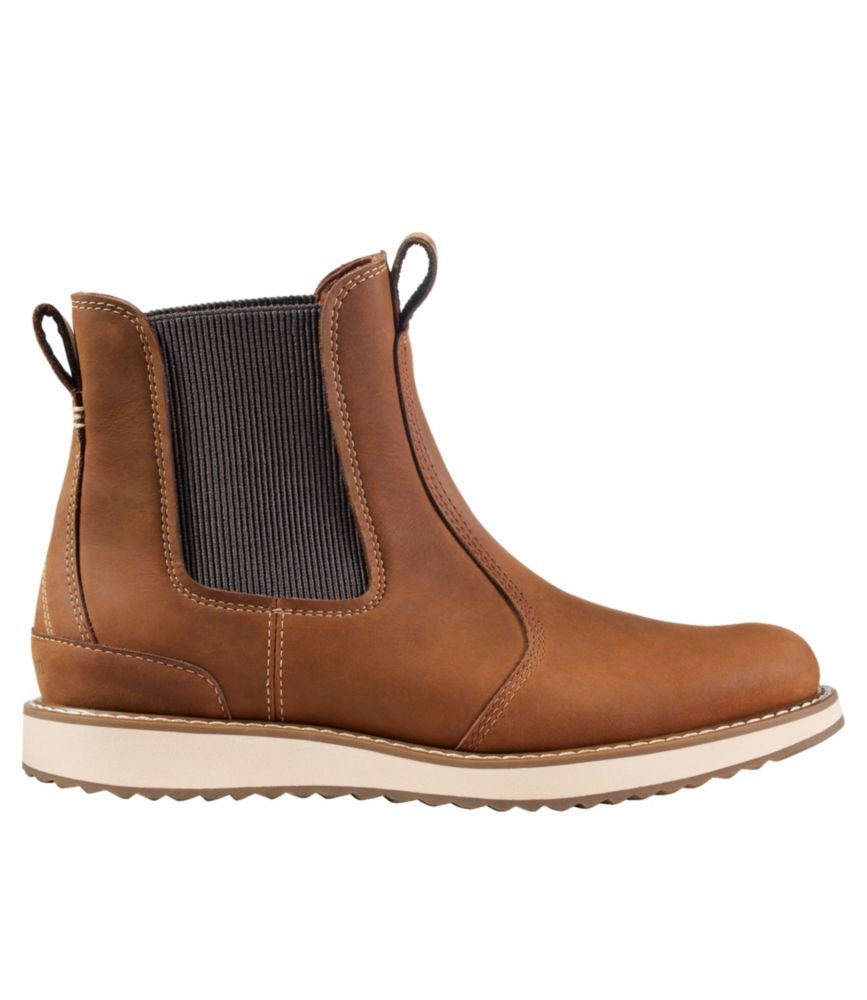
A waterproof Chelsea boot with a soft leather upper and durable rubber bottom for wet conditions.
(263)
$160 $160
SALE
$160 $160
SALE
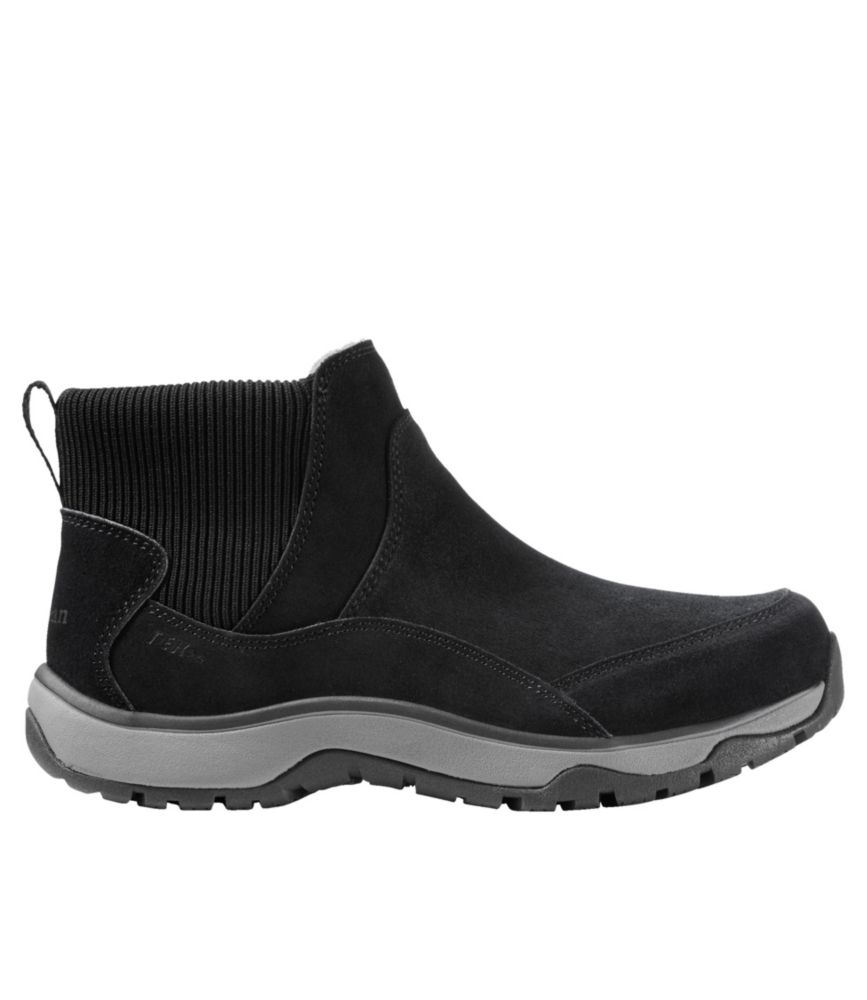
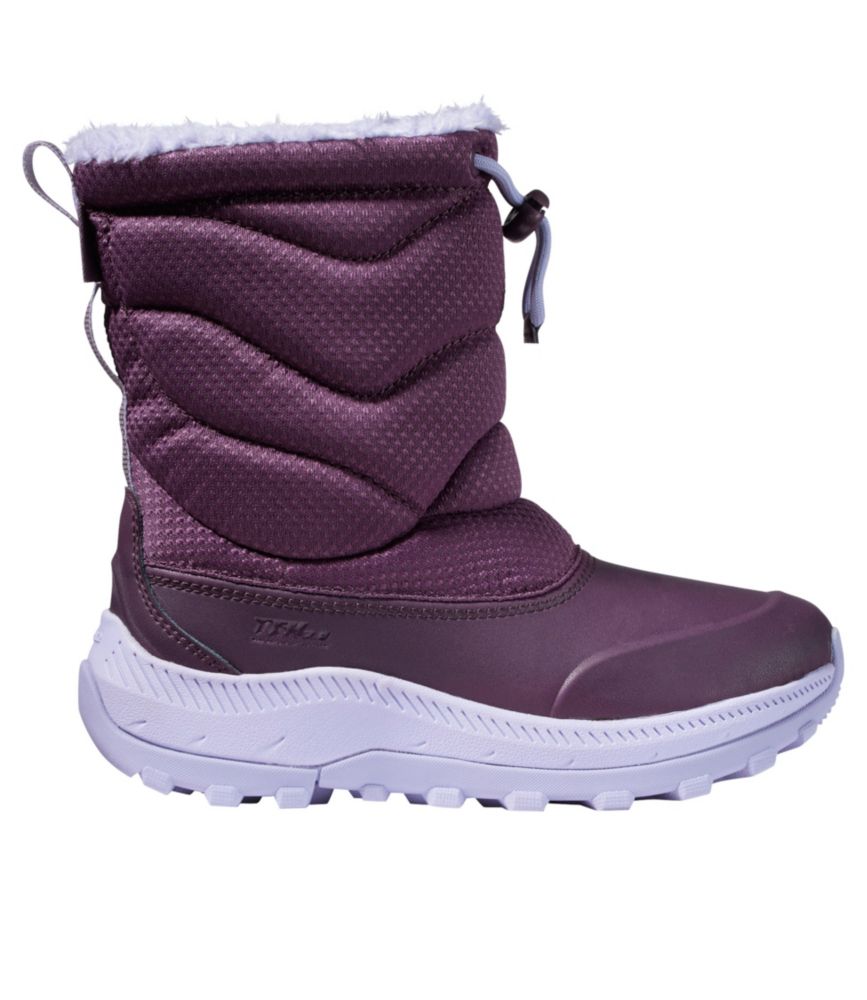
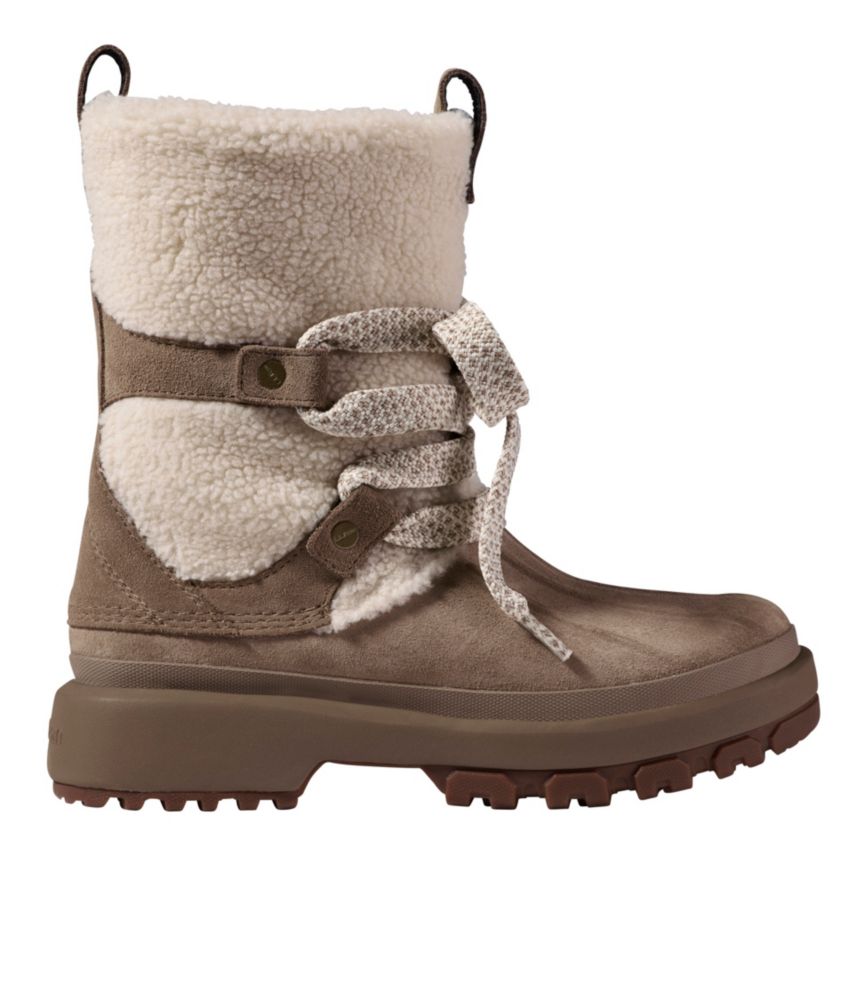
Women's Snow Sneaker 5 Boots, Pull-On
L.L.Bean Women's Snow Sneaker 5 Boots, Pull-On
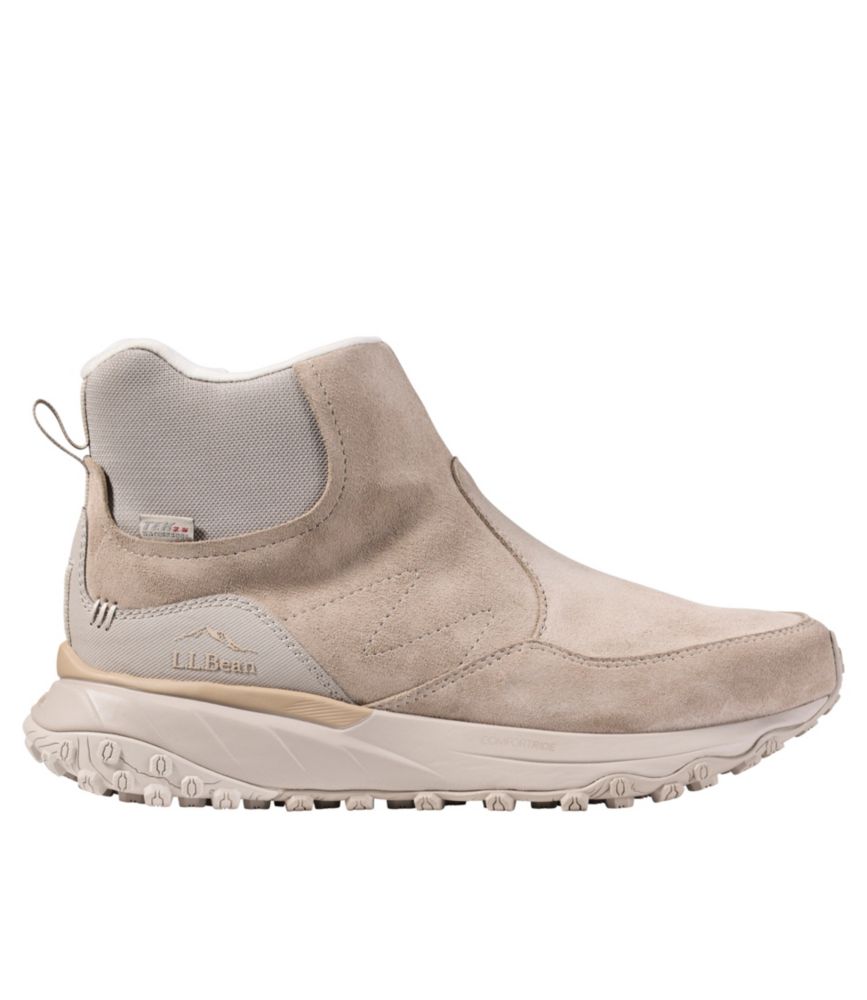
A pull-on winter boot with ColdShield insulation, suede upper, and VertiGrip rubber outsole for snowy conditions.
(747)
$150 $150
SALE
What customers like:
Easy to pull on
Comfort
Warmth
Good grip
Well made
$150 $150
SALE
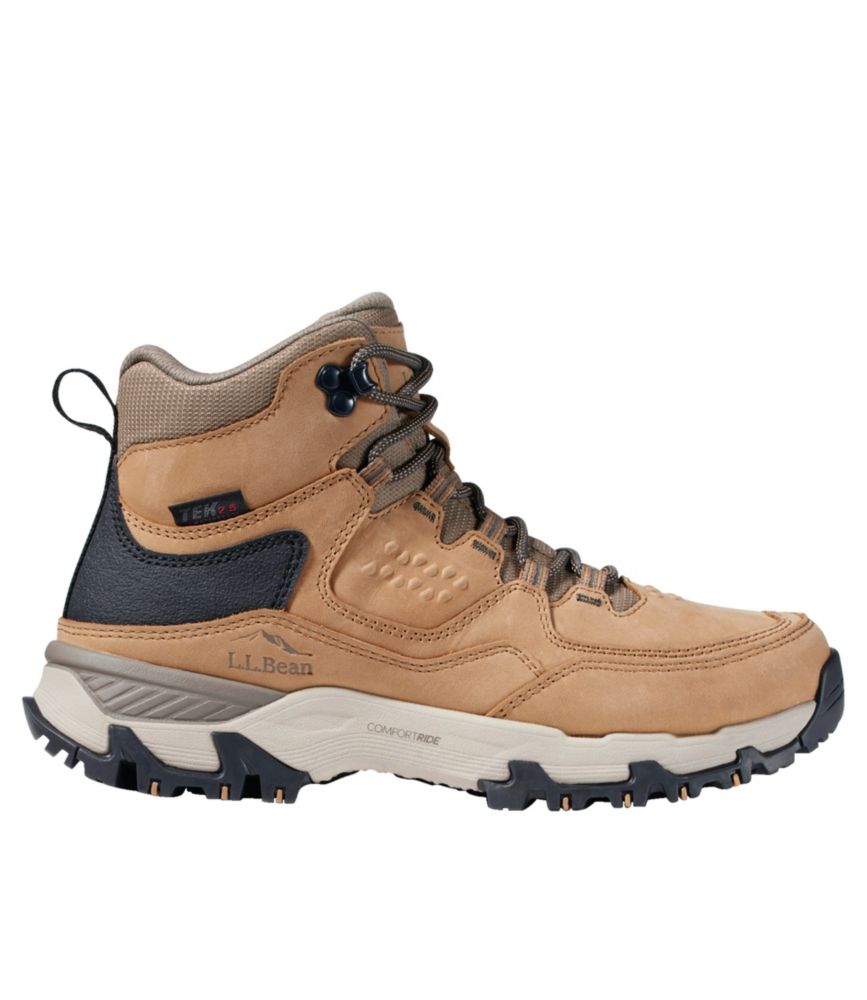
Men's Oboz Bridger Mid B-Dry Hiking Boots
Oboz Men's Oboz Bridger Mid B-Dry Hiking Boots
A midheight hiking boot with waterproof nubuck leather, breathable membrane, and superior arch support for tricky trails.
(181)
$200 $200
SALE
What customers like:
Light
Sturdy
Comfortable
Good quality orthotic base
Looks great
$200 $200
SALE
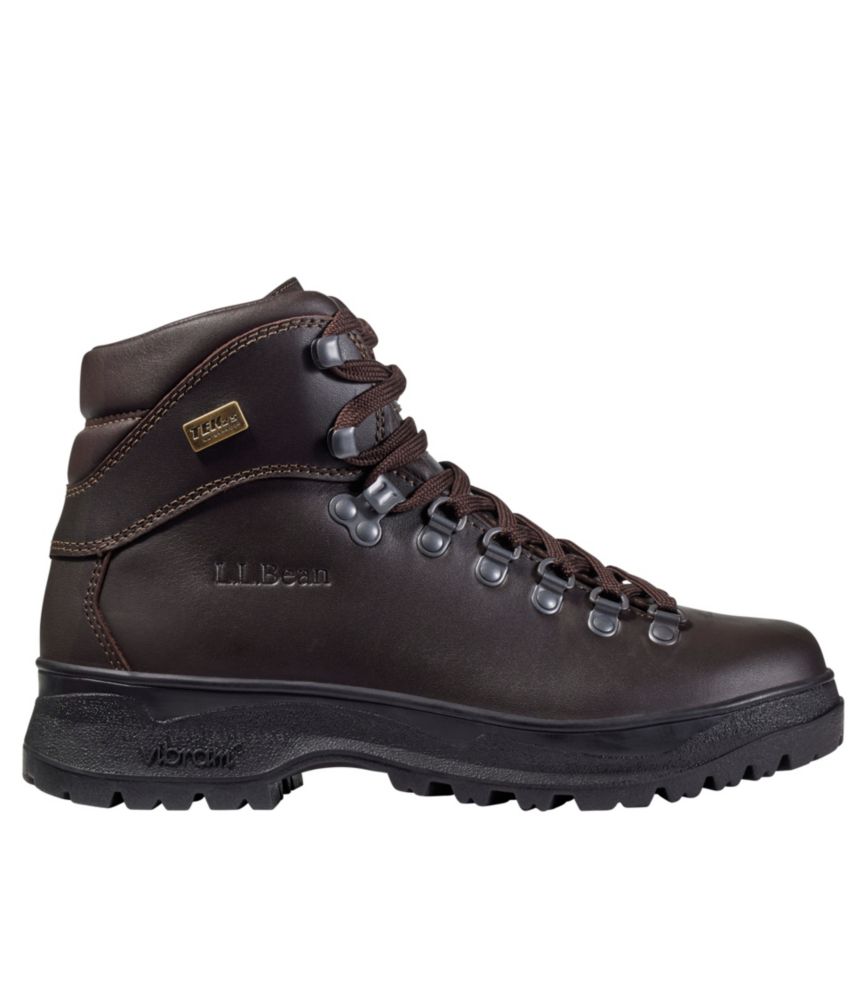
Men's Cresta II Waterproof Hiking Boots, Leather
L.L.Bean Men's Cresta II Waterproof Hiking Boots, Leather
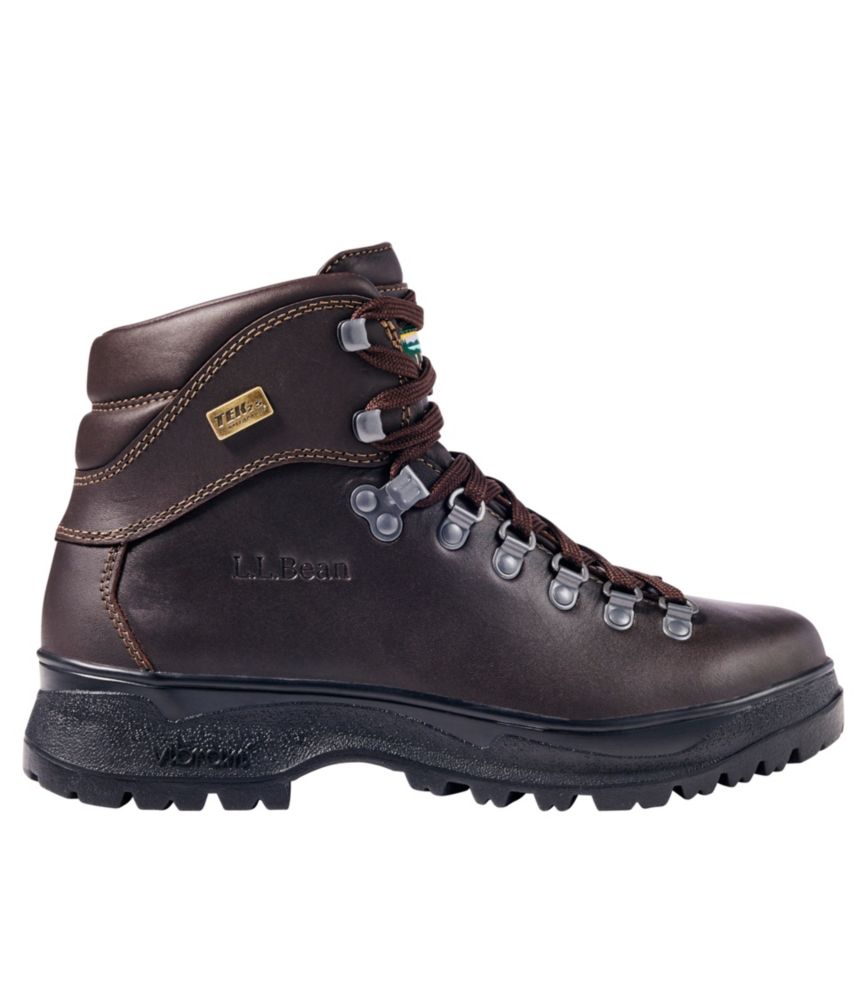
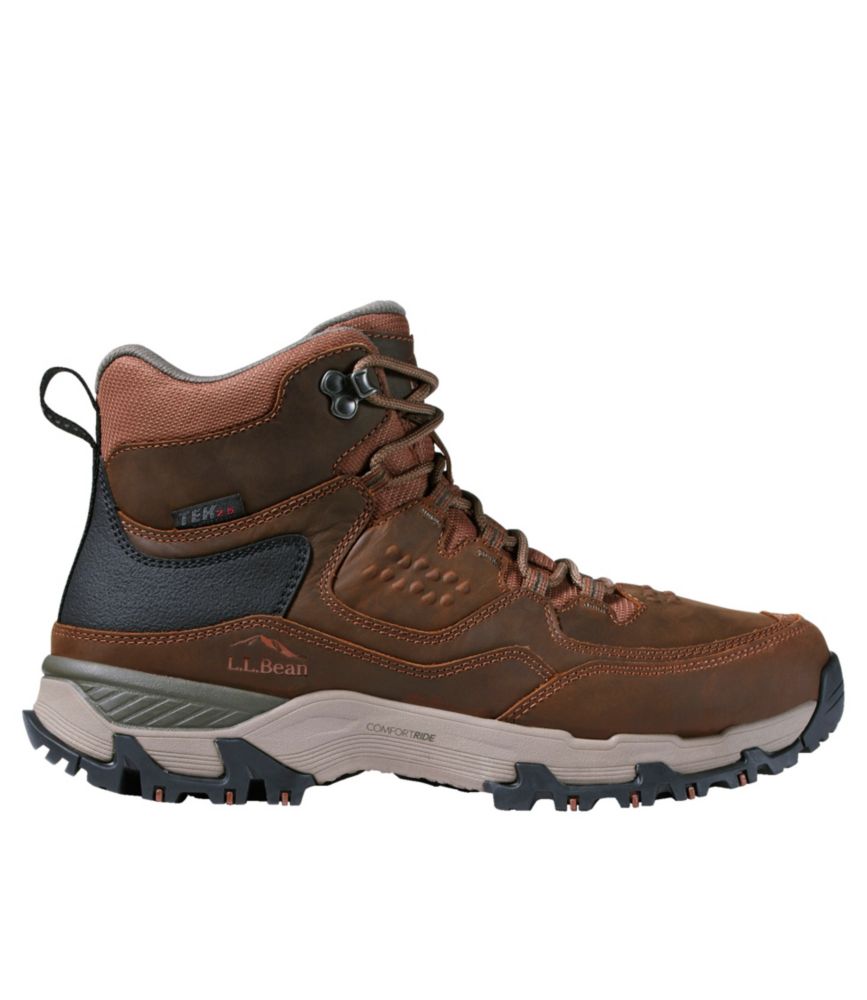
A rugged brown leather hiking boot with waterproof membrane and Vibram® sole for reliable traction and comfort.
(0)
$280 $280
SALE
$280 $280
SALE
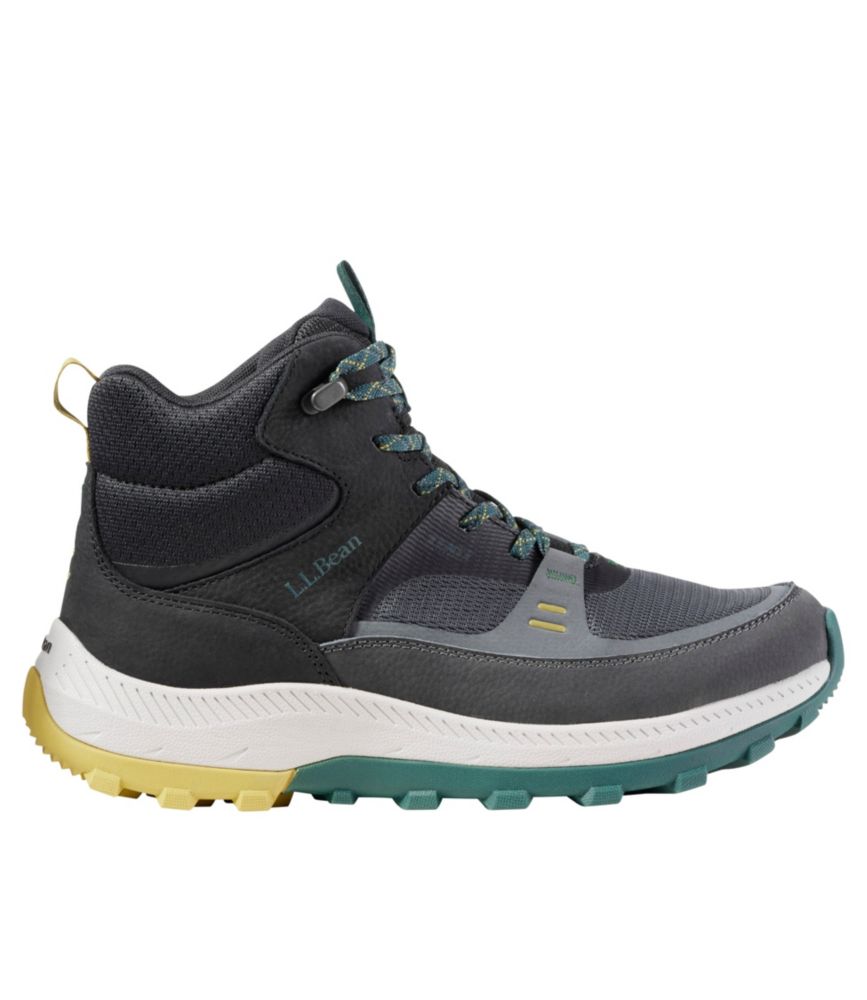
Men's Access Hiking Boots, Waterproof
L.L.Bean Men's Access Hiking Boots, Waterproof
A waterproof black hiking boot with recycled mesh, nubuck leather, and grippy rubber outsole for superior traction.
(0)
$150 $126.99
SALE
$150 $126.99
SALE
Men's Heritage Hiking Boots, Waterproof
L.L.Bean Men's Heritage Hiking Boots, Waterproof
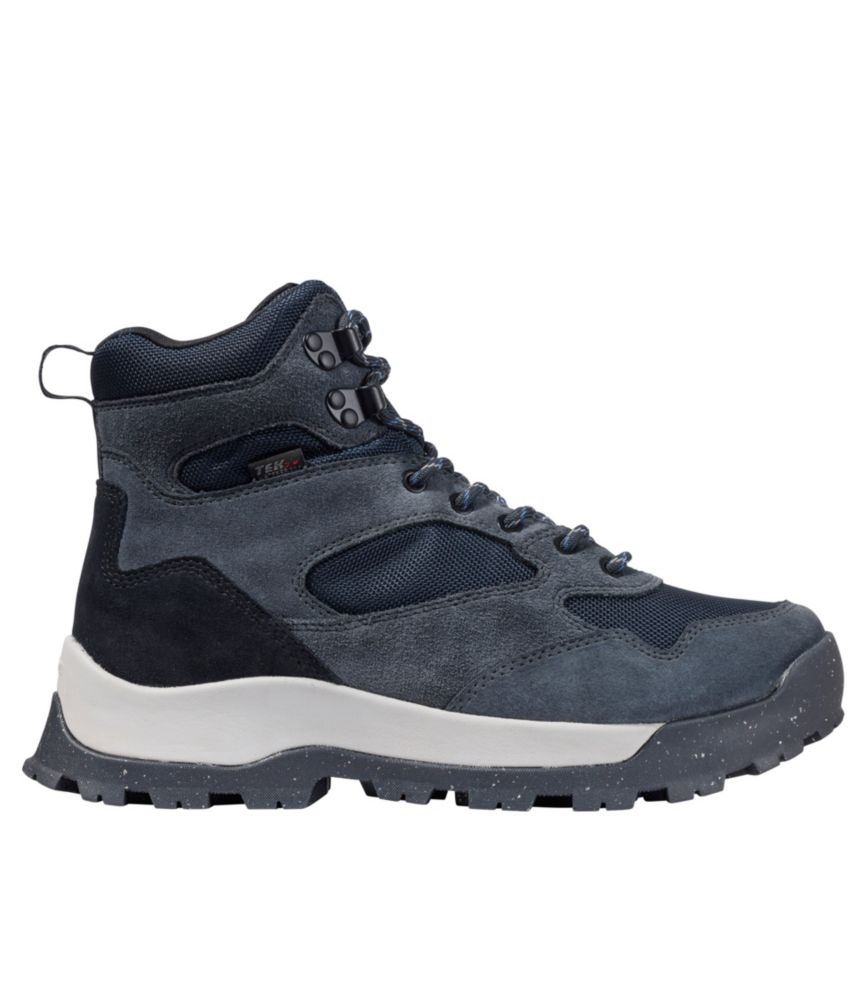
A waterproof gray hiking boot with recycled mesh lining, suede-and-nylon upper, and grippy rubber outsole.
(0)
$150 $109.99
SALE
$150 $109.99
SALE
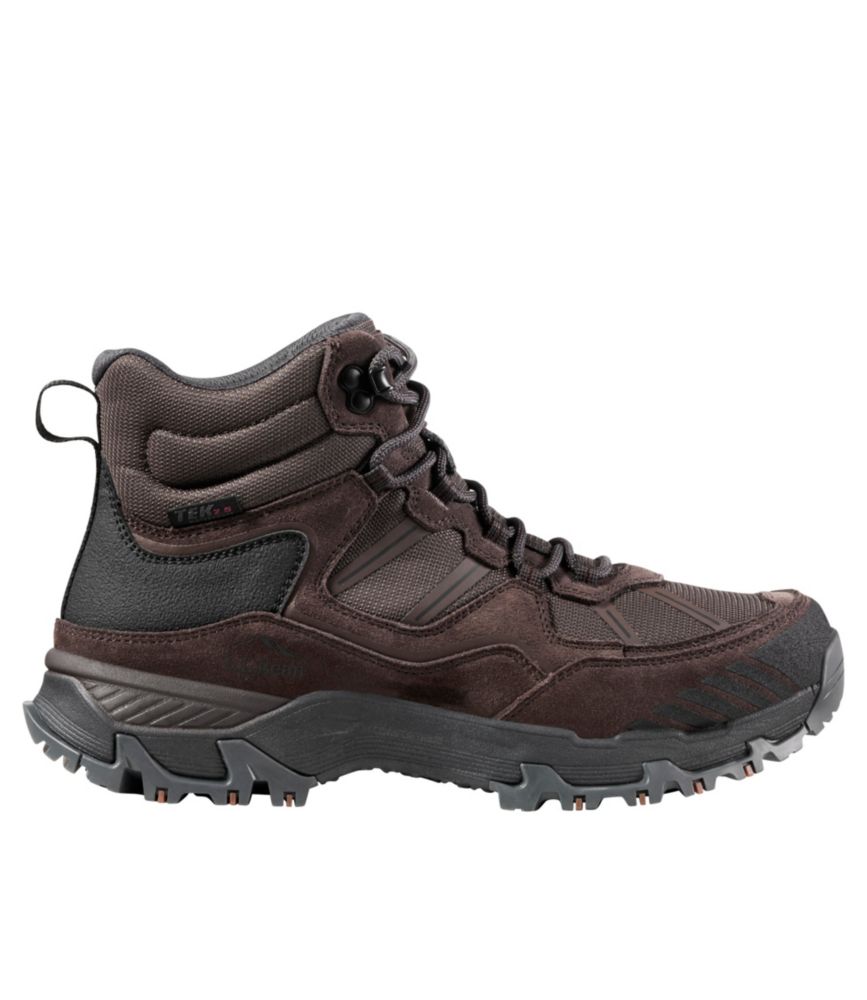
Men's Trail Model X Waterproof Hiking Boots
L.L.Bean Men's Trail Model X Waterproof Hiking Boots
A brown suede hiking boot with waterproof protection and enhanced traction for wet and muddy trails.
(0)
$120 $120
SALE
$120 $120
SALE

Pull-On Hiking Boots

Pull-on hiking boots bring a familiar footwear style to the shared pleasure of heading out on a trail. The defining feature is the pull-on design: instead of relying on laces to close the boot, the opening allows the foot to slide inside. That distinction gives the category its character, but it is only one part of choosing a pair. Shape, sizing, construction, and the details of an individual design all deserve attention, especially for footwear that will accompany time spent hiking. A favorite loop through the woods, a trail discovered with a friend, and a family outing with plenty of stops can each inspire a different picture of the right boot. The best starting point is the hiking someone actually enjoys, rather than an imagined adventure far beyond their usual plans. Product descriptions should connect that picture to the stated purpose of each pair; a pull-on silhouette alone does not establish what terrain or distance a boot is intended for. For someone who likes the look of boots without a lace-up front, this category offers a distinctive place to begin browsing. The overall proportions matter, too, from the shape of the toe to the height of the opening and the way the boot looks with hiking pants. Those visual details are worth considering alongside the less visible information in the size chart and construction description. A thoughtfully chosen pair should reflect personal preferences without letting appearance stand in for fit or suitability. Pull-on hiking boots are not a single specification shared by every design. They are a style of hiking footwear whose individual details still matter, making clear descriptions and familiar sizing references more useful than broad promises. That balance keeps the choice grounded in real plans: the trail on the map, the people coming along, and the kind of hiking that makes getting outside something to look forward to.

Fit is especially worth a close look when comparing pull-on hiking boots, because there are no laces to adjust across the front of the foot. The opening, the space over the instep, the shape around the heel, and the room at the toes are all separate parts of the fit. A familiar shoe size is a useful reference, but the measurements and fit notes attached to a particular design provide a better basis for comparison than the number alone. Trying boots with the socks intended for hiking also makes the experience more representative of how they will be worn. A pair that looks right beside the door can feel different once both boots are on and there is time to walk around. Pressure over the top of the foot, cramped toes, or noticeable movement at the heel are details to take seriously rather than dismiss as part of choosing a new style. Getting a foot through the opening and having the right fit once inside are related, but they are not the same thing. Personal preferences matter here: some shoppers have a clear sense of the boot shape they like, while others are comparing pull-on and lace-up designs for the first time. Browsing related categories, including lightweight hiking boots, can help put those preferences in context without treating one characteristic as the whole decision. The point is not to collect the longest list of features. It is to find the combination of shape, fit, and stated hiking purpose that makes sense for the wearer. For a gift, that usually means knowing more than a recipient’s usual size. Their preferred fit, the socks they wear, and whether they already enjoy pull-on footwear can make the selection more personal. A hiking companion who has mentioned wanting this style offers a clearer starting point than a guess based only on appearance.

Materials, care, and durability belong in the same conversation, but the useful information comes from each boot’s own description rather than assumptions about the category. The upper, lining, sole, and other components deserve separate attention when that information is provided. Two pairs with a similar outline may have different construction details and care requirements, so a shared pull-on shape should not be taken to mean identical upkeep or intended use. Clear material information helps shoppers understand what they are choosing; it does not need to become a string of sweeping promises. The same is true of durability. Quality matters, and so does understanding the maker’s directions for wearing, cleaning, and storing a particular pair. Before reaching for a cleaner or treatment already on the shelf, it is worth checking that the care instructions call for it. A routine that suits one pair of boots may not be appropriate for another. For someone who prefers straightforward upkeep, reading those directions before making a selection can be just as useful as studying the photographs. Close-up images, meanwhile, offer another way to examine the overall design, including the opening, seams, and proportions, while written specifications supply details a picture cannot confirm. Together, those sources help make comparisons more concrete. There is room for personal taste throughout the process: a simple profile, a particular toe shape, or a boot height that feels familiar may be what first catches someone’s eye. The lasting value of that choice, though, lies in how well it matches the wearer’s needs and expectations. Whether the next outing is a well-known hiking route with family or a first visit to a nearby trail with friends, choosing footwear remains a personal decision grounded in fit and accurate product information. Pull-on hiking boots offer a clear style preference around which to build that decision, with the individual details providing the reasons to choose one pair over another.
Read More

FAQs