It's time to upgrade your browser

Your current browser is no longer supported on llbean.com. Please upgrade to one of the following for a smoother, safer shopping experience with us:

Polyurethane Sneakers

Find polyurethane sneakers that suit your style, and check each pair’s product details to see where polyurethane is used in the shoe. Compare designs, review sizing information and check care instructions to help narrow your choices.

Read More
Women's 1985 Mountain Classic Sneakers
L.L.Bean Women's 1985 Mountain Classic Sneakers
A tan suede, mesh and nylon sneaker offering cushioned comfort, thermoregulation and rugged rubber traction outdoors.
(0)
$110 $64.99
SALE
$110 $64.99
SALE
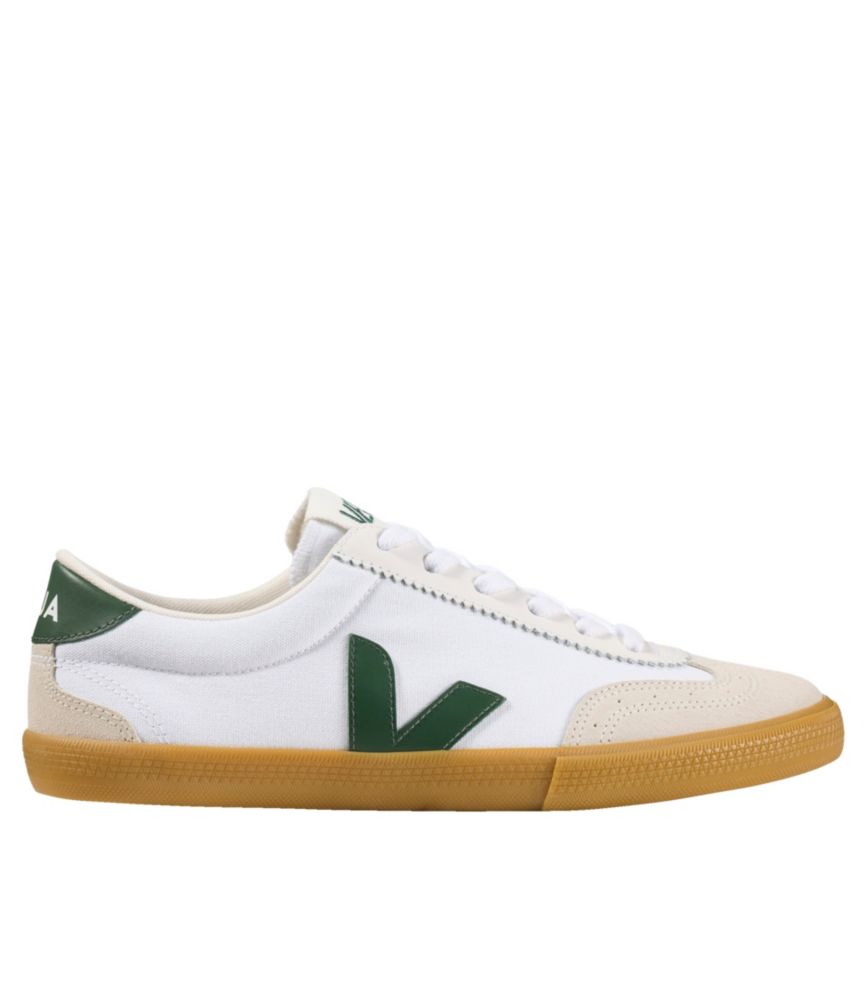
Women's VEJA Volley Sneakers, Canvas
Veja Women's VEJA Volley Sneakers, Canvas
A white canvas-and-leather sneaker with cushioned comfort, perforated accents, and a wild-rubber outsole.
(0)
$145 $145
SALE
$145 $145
SALE
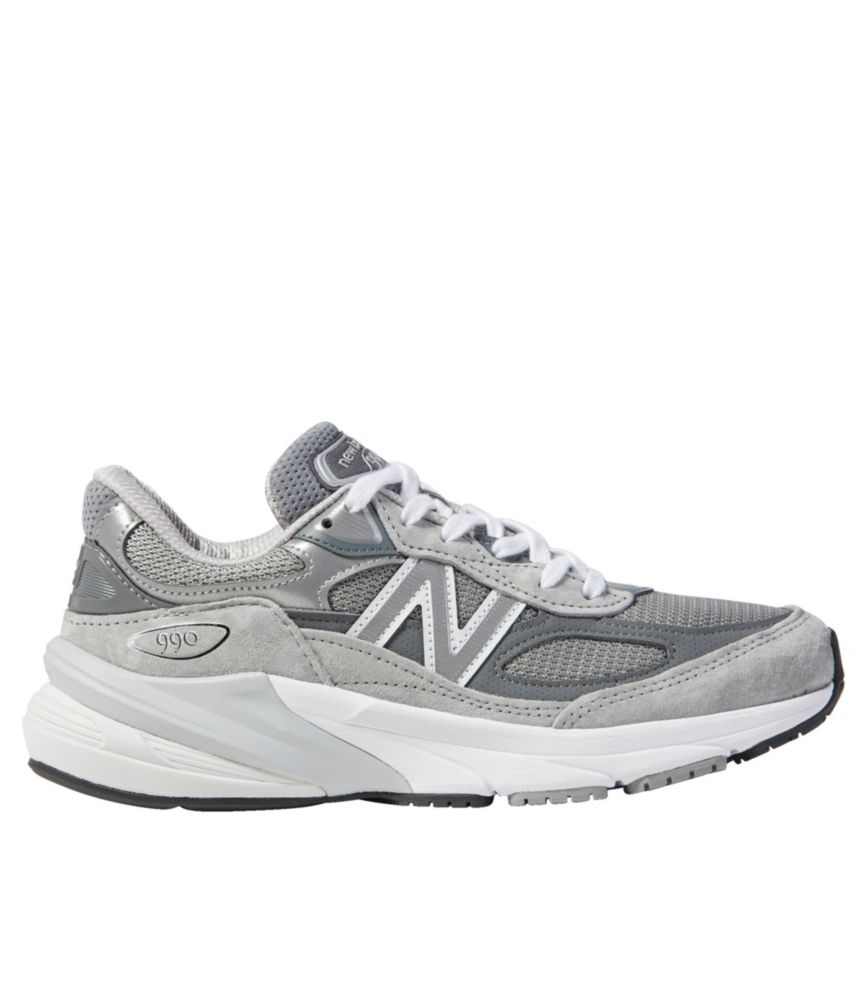
Women's New Balance 990V6 Running Shoes
New Balance Women's New Balance 990V6 Running Shoes
A multicolor leather-and-mesh sneaker with cushioned stability, breathable comfort, and a durable rubber outsole.
(0)
$199.95 $199.95
SALE
$199.95 $199.95
SALE
Men's Comfort Walkers 2, Ventilated
L.L.Bean Men's Comfort Walkers 2, Ventilated
A gray walking shoe with water-resistant suede, breathable mesh, supportive cushioning, and a temperature-regulating lining.
(0)
$110 $110
SALE
$110 $110
SALE
Men's 1985 Mountain Classic Sneakers
L.L.Bean Men's 1985 Mountain Classic Sneakers
A blue suede, rubber and nylon sneaker with cushioned comfort, thermoregulating lining and reliable outdoor traction.
(0)
$110 $64.99
SALE
$110 $64.99
SALE
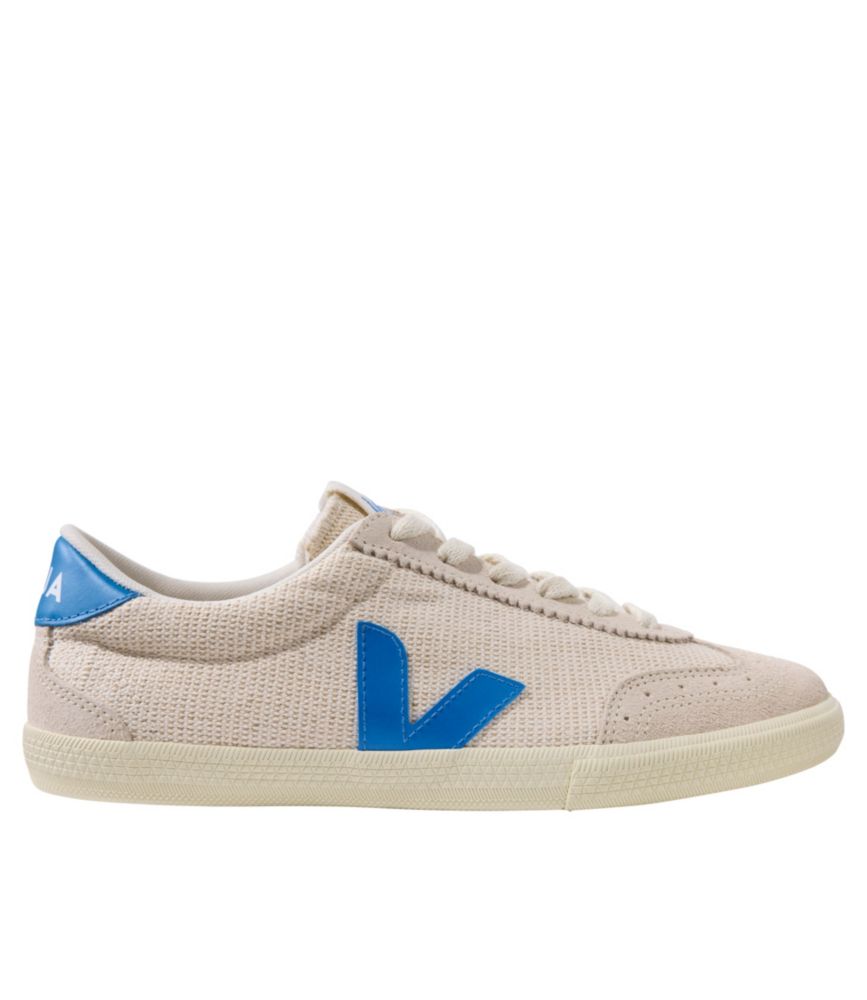
Women's VEJA Volley Sneakers, Mesh
Veja Women's VEJA Volley Sneakers, Mesh
A tan mesh sneaker with breathable comfort, cushioned organic-cotton insole, and wild Amazonian rubber outsole.
(0)
$145 $145
SALE
$145 $145
SALE
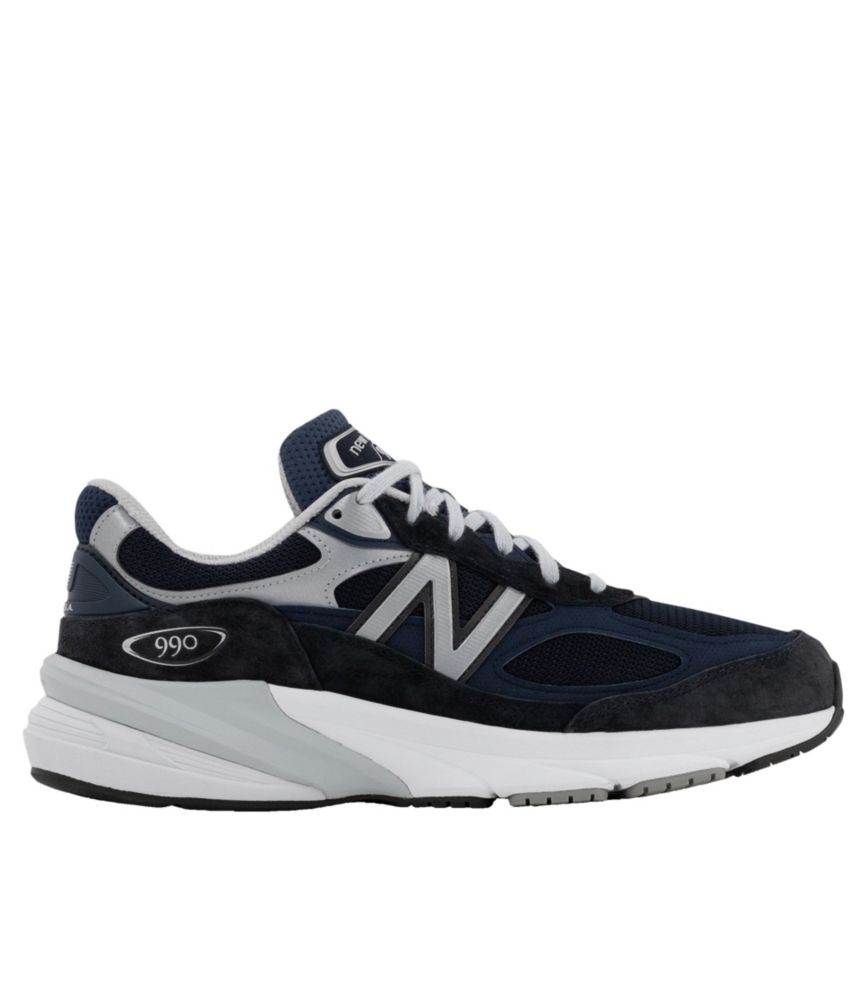
Men's New Balance 990V6 Running Shoes
New Balance Men's New Balance 990V6 Running Shoes
A blue leather-and-rubber sneaker with breathable mesh, cushioned support, and dependable stability for all-day comfort.
(0)
$199.95 $199.95
SALE
$199.95 $199.95
SALE

Polyurethane Sneakers

Polyurethane sneakers are sneakers that incorporate polyurethane in one or more components, rather than a single, uniform type of shoe. Polyurethane is often abbreviated as PU in product descriptions, and its placement is an important detail when comparing pairs. It may be identified in the upper, midsole, or outsole; those terms describe different parts of the shoe. The upper forms the portion around the foot, the midsole sits between the upper and outsole, and the outsole is the bottom surface that meets the ground. A reference to polyurethane in one component does not mean the entire sneaker is made from that material. Looking for the component name alongside the material name gives a clearer picture of the construction than the category label alone. From there, the overall shape and finishing details help distinguish one style from another. The curve of the toe, the height of the opening, the arrangement of panels, and the proportions of the sole all contribute to a sneaker’s appearance. A simple outline can appeal to someone who prefers understated clothing, while a more detailed design may appeal to someone who likes footwear to stand out. Neither preference requires a complicated wardrobe: comparing a sneaker’s shape with the pants and other clothing already in regular rotation is a practical starting point. Photographs from the side, above, and behind can each reveal something different about those proportions. Close-up images are especially useful for understanding where panels meet and how the finish looks, while written specifications provide details that a photograph cannot establish. The related Synthetic Sneakers collection offers another place to browse and compare descriptions. In either collection, the most useful comparison is between the details of individual pairs, rather than an assumption that a shared material name means an identical shoe.

Fit deserves the same attention as appearance when choosing polyurethane sneakers. A familiar shoe size is a helpful starting point, but the shape around the toes, the width through the middle of the foot, and the fit at the heel all matter. Two pairs marked with the same size can feel different, so an individual size chart and any provided fit notes are worth reading together. Measuring both feet and comparing those measurements with the applicable chart gives more context than relying on an old size alone. If one foot is larger, account for that difference when evaluating the fit. The socks normally worn with sneakers belong in the comparison, too; trying shoes with a noticeably different sock can give a misleading impression of the space inside. During a try-on, check both shoes while standing, then take a few steps on a clean indoor surface. Toes should have room without being pressed against the front, and the heel should not be slipping noticeably with each step. Pay attention to pressure at the widest part of the foot and around the opening, not just to the amount of space at the toe. If the style has laces, adjust them before deciding whether the fit is right, rather than judging the shoe with the laces exactly as they arrived. A good starting fit is more useful than counting on a tight area to change with wear. For anyone comparing sizes, keeping track of where each pair feels different can make the choice clearer: extra length does not necessarily address a width concern. When sneakers are a gift, the recipient’s usual size, preferred shape, and experience with similar footwear are useful information. A quick conversation about those preferences can be more helpful than choosing solely from a photograph, especially for someone who is particular about how shoes fit.

Care and construction details round out the decision, particularly for shoppers who want to understand what owning a pair will involve. Polyurethane identifies a material, but it does not replace the care directions for the complete sneaker. Instructions may address a particular component or the shoe as a whole, so it helps to read them closely before choosing a cleaner or cleaning method. Do not assume that soaking, machine washing, brushing, or applying a treatment is appropriate without checking the directions for that pair. Where instructions are unclear, confirming the recommended approach is better than experimenting with a visible area. Keeping those directions with the purchase information makes them easier to find later. Durability is another consideration best explored through the individual construction description and care information, rather than appearance alone. A substantial-looking sole, a smooth finish, or a prominent seam cannot tell the whole story from a photograph. Look for concrete details that explain how the shoe is put together, and consider the stated intended use alongside fit and personal preference. There is also value in thinking through the smaller choices that make a pair feel right for its owner. Someone who keeps a wardrobe simple may prefer a restrained silhouette with few contrasting details; someone who enjoys mixing shapes and proportions may make a different choice. Viewing sneakers beside a favorite pair of pants can clarify whether the toe shape and sole profile suit the look being considered. For a gift, those familiar preferences often offer better direction than trying to guess what would be a departure from the recipient’s usual style. The aim is a considered choice: polyurethane clearly identified in the construction, sizing information that makes sense for the wearer, care requirements that are understood, and an appearance that feels like a natural addition to the wardrobe.
Read More

FAQs