It's time to upgrade your browser

Your current browser is no longer supported on llbean.com. Please upgrade to one of the following for a smoother, safer shopping experience with us:

Ortholite Sneakers

Find your next pair of Ortholite sneakers by comparing available styles and choosing the look you like. Check individual product descriptions and sizing information for details on fit, construction and care to help narrow your choice.
Read More
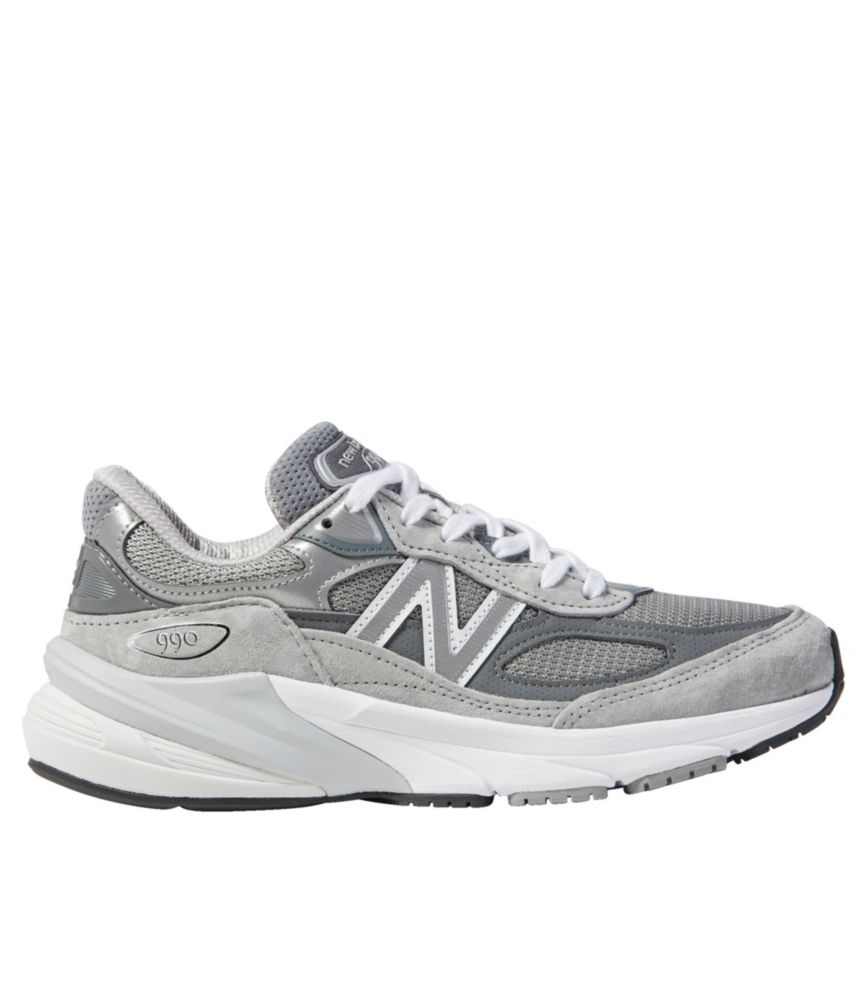
Women's New Balance 990V6 Running Shoes
New Balance Women's New Balance 990V6 Running Shoes
A multicolor sneaker with breathable mesh, pigskin leather, cushioned support, and a durable rubber outsole.
(0)
$199.95 $199.95
SALE
$199.95 $199.95
SALE
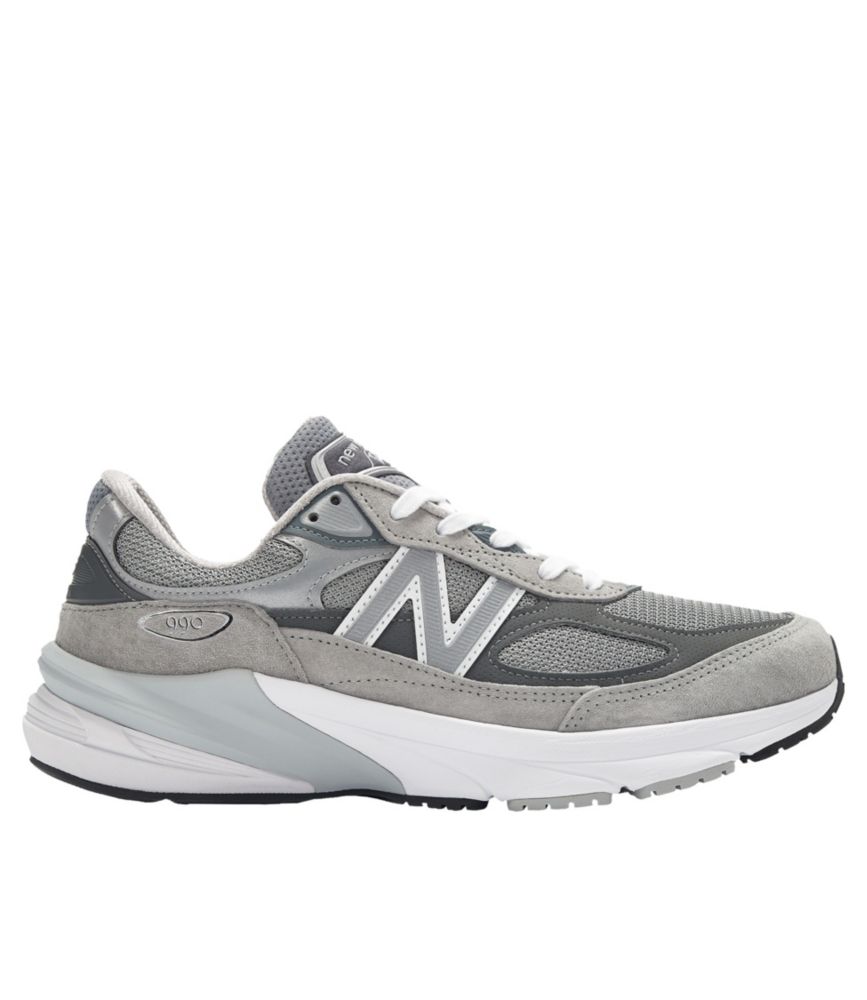
Men's New Balance 990V6 Running Shoes
New Balance Men's New Balance 990V6 Running Shoes
A multicolor leather-and-mesh sneaker with cushioned support, breathable comfort, and a durable rubber outsole.
(0)
$199.95 $199.95
SALE
$199.95 $199.95
SALE
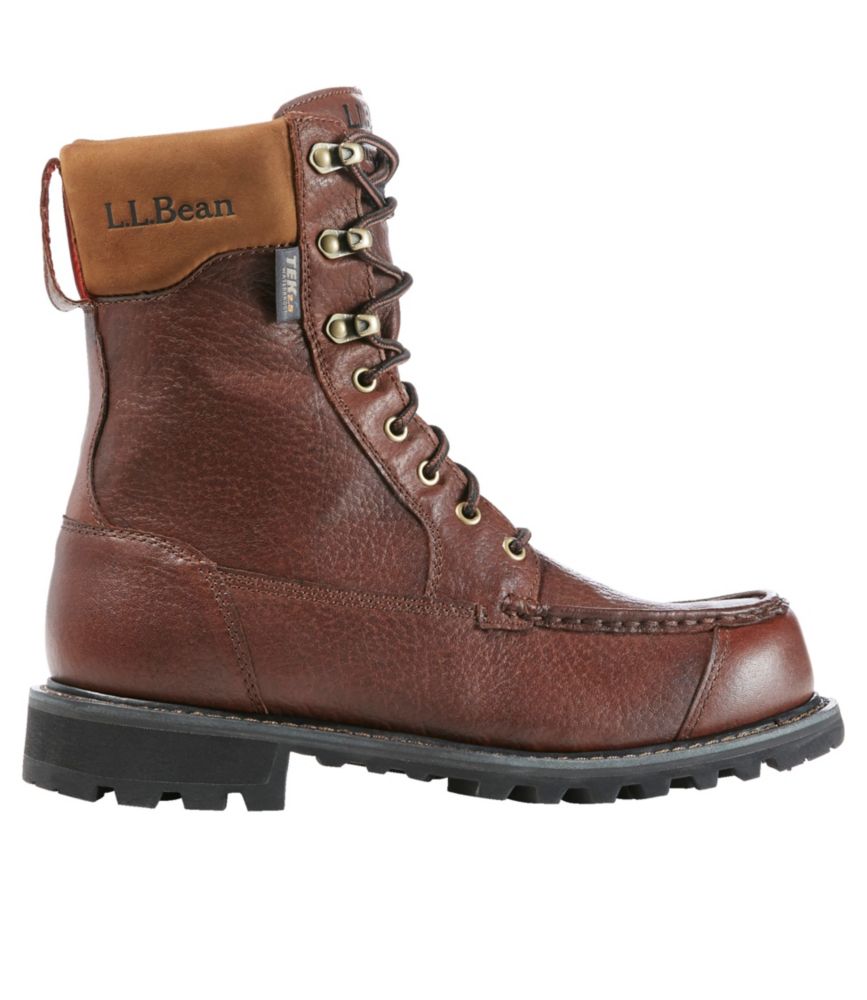
Men's Kangaroo Upland Hunter's Boots, Uninsulated
L.L.Bean Men's Kangaroo Upland Hunter's Boots, Uninsulated
A brown kangaroo leather hunting boot with waterproof breathable lining, supportive welted construction and high-traction Vibram outsole.
(178)
$260 $260
SALE
What customers like:
Boots keep feet dry
Well-made
Comfort
Durability
Great performance in wet conditions
$260 $260
SALE

Ortholite Sneakers

OrthoLite sneakers are sneakers made with OrthoLite insoles. The name identifies one component of the footwear, rather than a single silhouette, fit or overall design. That distinction leaves plenty of room for personal preference: the pair that catches someone’s eye may have a simple outline, a more pronounced profile or details that give a familiar sneaker shape its own character. Choosing among those looks starts with the clothes already in the closet and the details that feel most natural to wear. A preference for clean lines might point toward an understated design, while an interest in contrast might make panel shapes, stitching and the relationship between the upper and sole more important. Product photographs can help show those proportions, especially when viewed from the side, above and behind. The shape of the toe, the height of the collar and the outline of the sole all contribute to the overall appearance, even when two pairs seem similar at first glance. For a wardrobe built around jeans and simple shirts, a familiar sneaker silhouette can be an appealing finishing touch; with neatly cuffed trousers, the proportions around the ankle may matter more. These are choices about personal style, not rules about what someone should wear. A favorite pair of pants, the usual length of a hem and a preference for subtle or noticeable details offer more useful direction than a passing trend. Color deserves the same thoughtful approach: consider whether footwear should blend with an outfit or provide a distinct accent, without expecting one shade to work the same way for everyone. The appeal of OrthoLite sneakers begins with the category itself, but the choice becomes more personal when the complete design receives as much attention as the name. Looking closely at the whole shoe keeps the focus on a pair that reflects individual taste rather than a label alone.

Fit is a separate consideration from appearance, and a familiar size is a starting point rather than the entire decision. The size information for the selected style, including any stated width options or fit notes, offers a better basis for comparison than assuming every sneaker will feel alike. Measurements are particularly useful when an older pair has a faded size label or when the last footwear purchase was some time ago. Comparing both feet with the relevant size chart can also help clarify a choice between neighboring sizes. During a try-on, the socks intended for the pair belong in the picture, along with the way the heel, toes and sides of the foot sit inside the shoe. A toe that presses against the front, a heel that repeatedly lifts or a section that feels noticeably tight deserves attention rather than an assumption that the fit will change. Where the description provides information about the insole or closure, those details can help explain the design; they should not be treated as identical across the category. The same careful comparison applies when looking through Men's Ortholite Shoes, where the recipient’s measurements and preferences remain more useful than the category name alone. For a gift, knowing someone’s preferred sneaker shape can be as valuable as knowing the size printed inside an existing pair. Some people favor an understated appearance, while others notice a distinctive sole profile or contrasting detail first. A quick conversation about the footwear they already enjoy can make the choice more personal without turning it into a guessing game. If the gift is meant to replace a well-loved pair, identifying what the recipient liked about that pair provides useful context: its proportions, its fit or simply how it looked with favorite clothes. The goal is a thoughtful match to the person, not an expectation that an insole name will determine every part of the experience.

Care and construction deserve attention alongside style and fit, particularly when comparing sneakers that appear alike in photographs. The OrthoLite name does not identify every material in a shoe or establish one cleaning method for all pairs. Material information and care directions belong to the individual design, so those details are the appropriate reference before choosing a cleaning product or method. Keeping the original care information makes that reference easier to find later, especially when several pairs of shoes share a shelf. After a mark or spill, checking those directions is a more considered approach than treating every sneaker exactly like the previous pair. The same principle applies to any separate instructions for the insole: follow the information supplied for the selected footwear rather than assuming that every component can be handled in the same way. Durability is another reason to look beyond a category label. Clear photographs and construction descriptions can help explain how a shoe is put together, but appearance alone cannot establish how long it will last for a particular person. General statements about the collection are less useful than the details of the design under consideration and the way the owner cares for it. Intended use also belongs in that individual description; a sneaker’s appearance or insole name should not substitute for stated product information. For someone comparing several pairs, keeping style, fit, construction and care as distinct considerations makes the differences easier to understand without expecting one detail to answer every question. That leaves room for the small things that make footwear feel like a personal choice: the outline seen beneath a favorite hem, the balance of understated and noticeable details, and a look that still feels right after the outfit changes. OrthoLite sneakers offer a focused place to begin that comparison, with the final decision resting on the complete shoe and the person who will wear it.
Read More

FAQs