It's time to upgrade your browser

Your current browser is no longer supported on llbean.com. Please upgrade to one of the following for a smoother, safer shopping experience with us:

Polyurethane Insoles

Shop polyurethane insoles with your shoe size and footwear type in mind. Compare the sizing, dimensions and shoe compatibility listed in individual product details to help narrow your choices, particularly when replacing existing insoles.
Read More
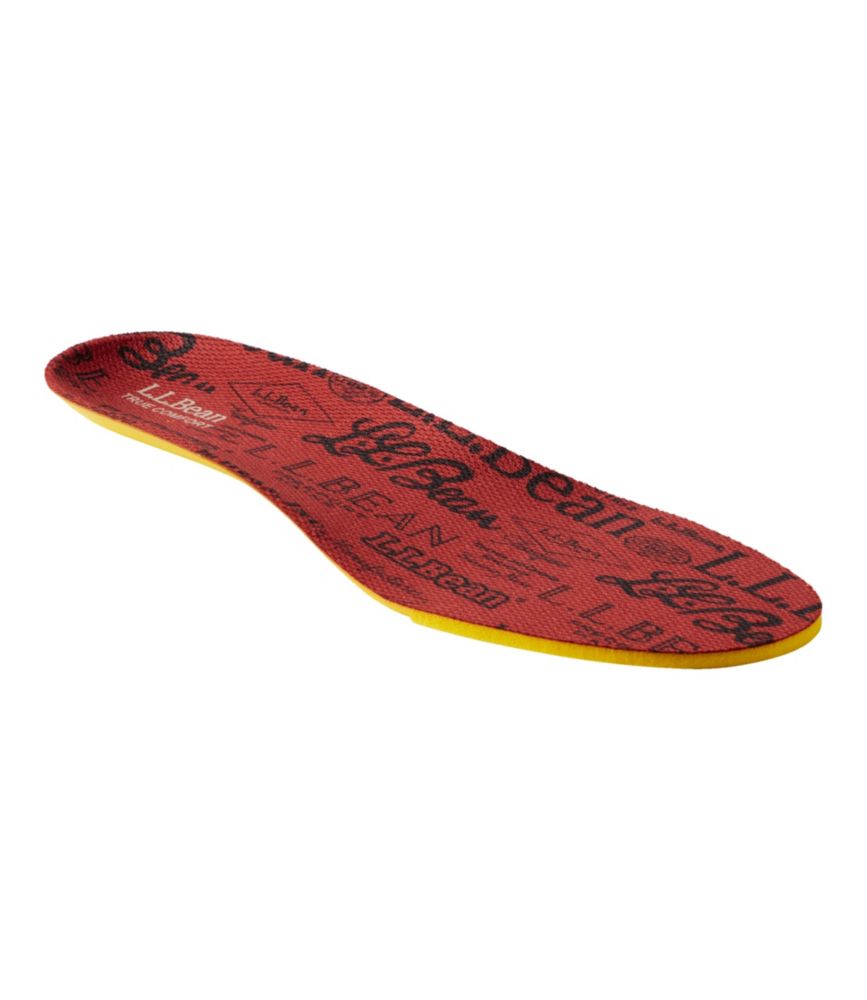
L.L.Bean True Comfort Insoles
L.L.Bean L.L.Bean True Comfort Insoles
A red, full-length polyurethane foam insole offering cushioning, moisture-wicking comfort, antimicrobial odor control, and ergonomic support.
(0)
$32.95 $32.95
SALE
$32.95 $32.95
SALE
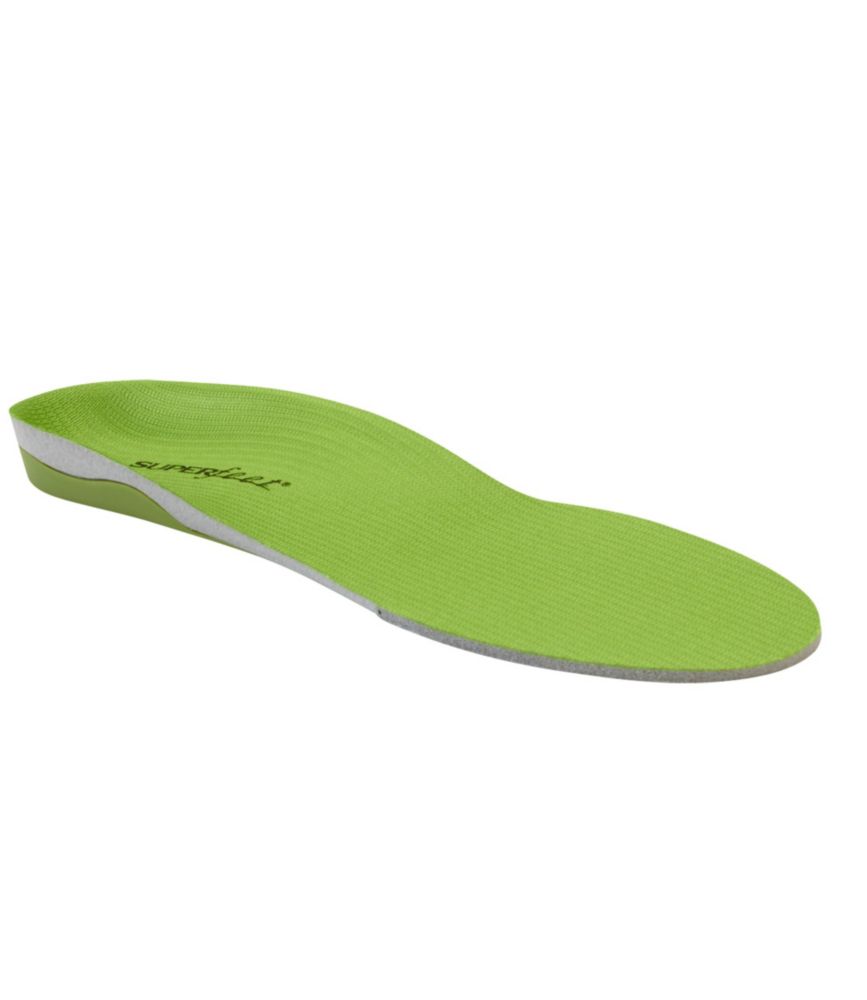
Adults' Superfeet Green Max Shock Absorption Insoles
Superfeet Adults' Superfeet Green Max Shock Absorption Insoles
Green insoles with a deep heel cup deliver stability, shock absorption, friction control and odor resistance.
(67)
$54.99 $54.99
SALE
$54.99 $54.99
SALE
Women's Superfeet Trailblazer Comfort Insoles
Superfeet Women's Superfeet Trailblazer Comfort Insoles
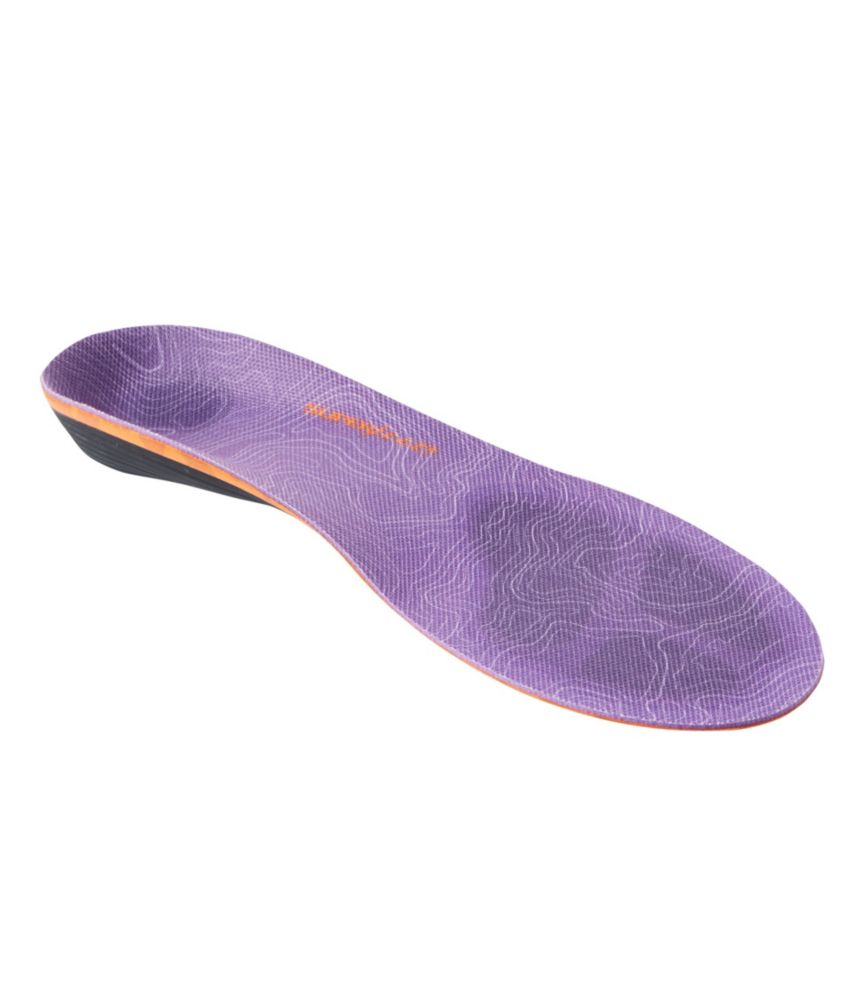
A purple support insole with carbon-fiber stability, dual-comfort foam, moisture-wicking lining, and a deep heel cup.
(31)
$54.99 $54.99
SALE
What customers like:
Excellent cushioning
Good fit
Strong support
$54.99 $54.99
SALE
Adults' Superfeet Trailblazer Comfort Insoles
Superfeet Adults' Superfeet Trailblazer Comfort Insoles
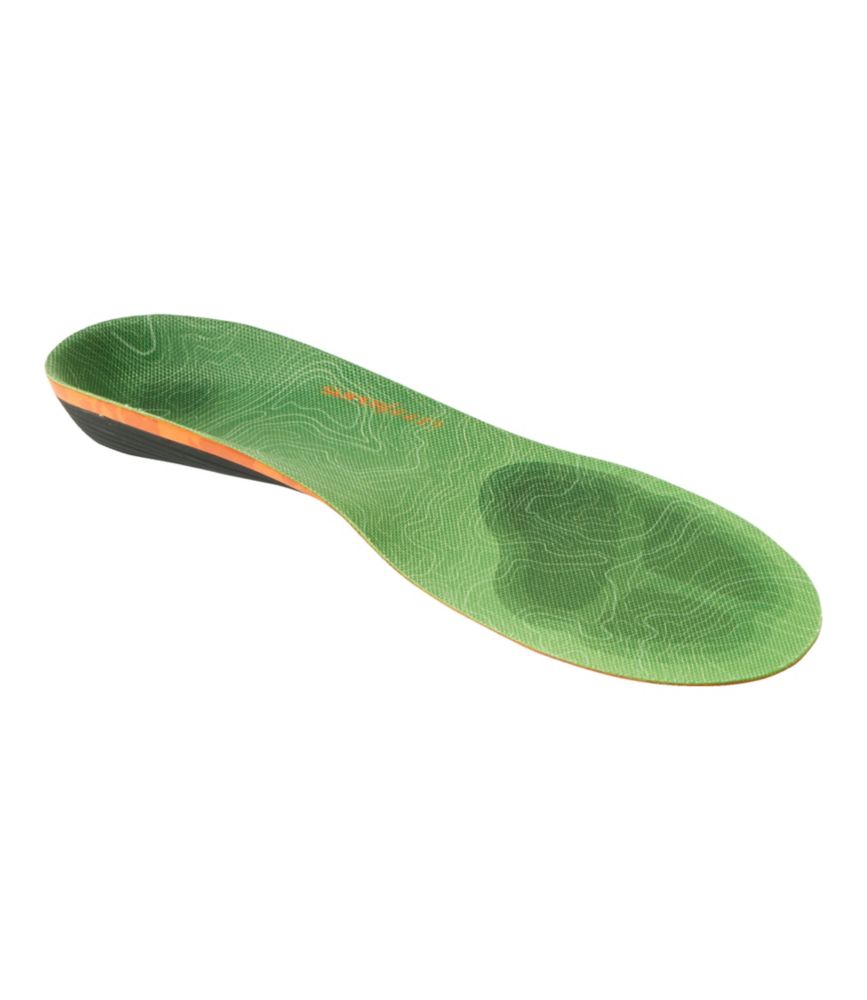
A green, supportive trail insole with carbon fiber stabilization, impact-dispersing cushioning, and moisture-wicking comfort.
(0)
$54.99 $54.99
SALE
$54.99 $54.99
SALE
Men's Lodge Moc Vibram® Slippers
L.L.Bean Men's Lodge Moc Vibram® Slippers
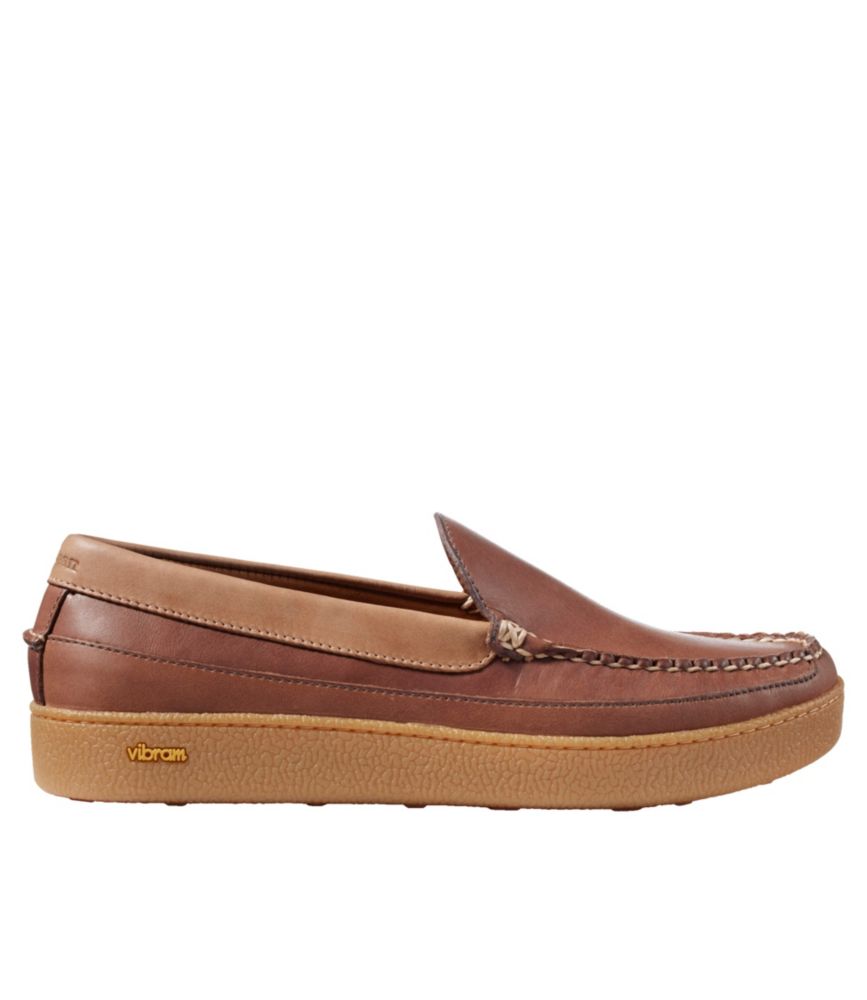
A brown full-grain leather slipper with supportive insoles, leather lining, and durable Vibram rubber cupsoles.
(0)
$150 $99.99
SALE
$150 $99.99
SALE
Men's Lodge Moc Vibram® Buckle Boots, Shearling
L.L.Bean Men's Lodge Moc Vibram® Buckle Boots, Shearling
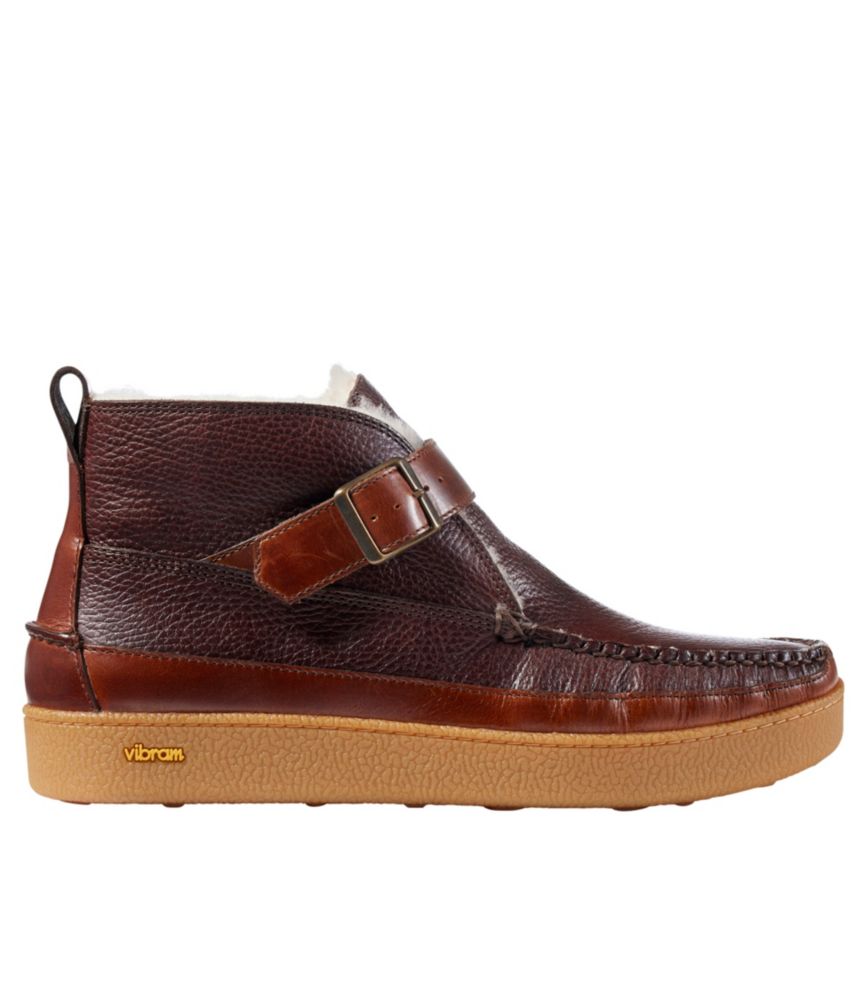
A brown full-grain leather slipper boot with shearling lining, buckle closure, and durable Vibram rubber traction.
(0)
$180 $99.99
SALE
$180 $99.99
SALE
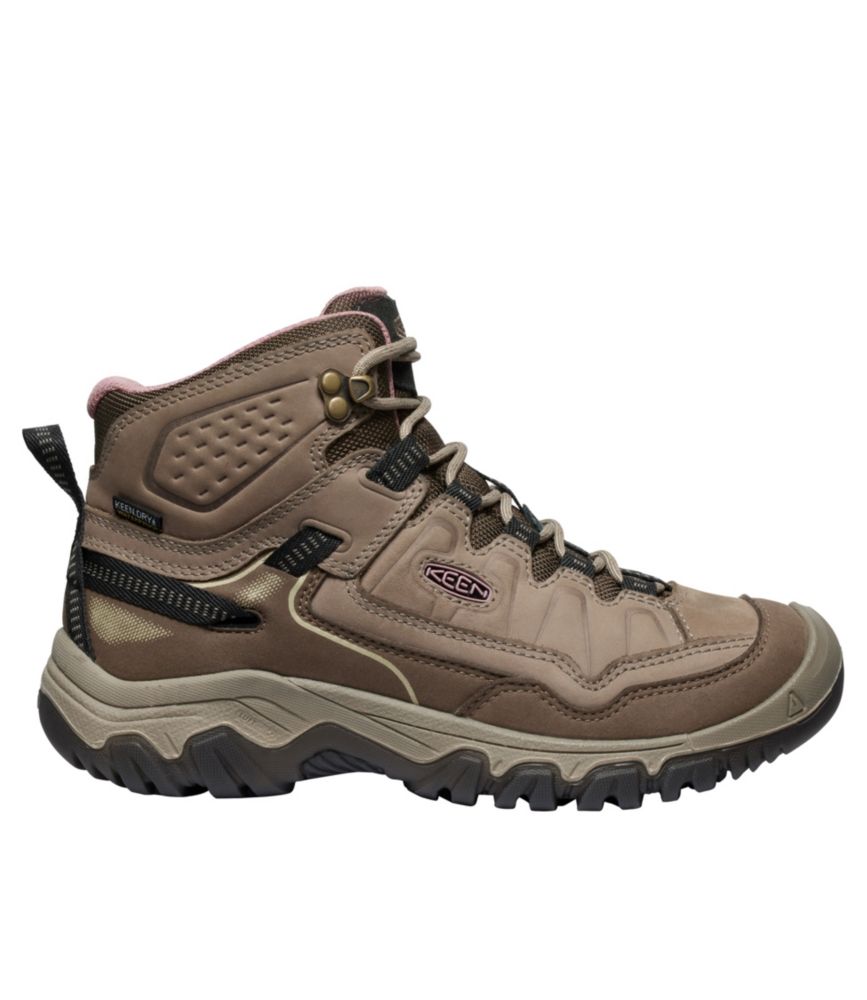
Women's Keen Targhee IV Mid Waterproof Hiking Boots
Keen Women's Keen Targhee IV Mid Waterproof Hiking Boots
A brown leather waterproof hiking boot with cushioned support, stability features, and non-marking lugs for traction.
(0)
$180 $180
SALE
$180 $180
SALE

Polyurethane Insoles

Polyurethane insoles are footwear inserts made with polyurethane, a synthetic material often abbreviated as PU in material descriptions. The material name provides a starting point for comparing insoles, but it does not tell the whole story of their shape, dimensions, construction, or fit. Those details matter because an insole sits inside a shoe, where even a small difference in thickness or outline can affect how the footwear feels. This collection brings polyurethane insoles together around that shared material, making individual product descriptions the place to look for the distinctions that matter to a particular pair of shoes. An insole may be described by its size range, overall profile, heel shape, or other construction details; the useful comparison is between those stated specifications and the footwear it will go into. The word polyurethane alone should not be taken as a promise of a particular feel, lifespan, or benefit. It is also worth distinguishing between an insole included as part of a shoe’s original construction and a separate replacement insert. Those are different purchasing considerations, even when the material description is similar. For someone replacing an existing insert, the familiar outline of that insert offers a concrete reference: the curve around the heel, the width through the middle, and the space across the front all help describe what already fits inside the shoe. For someone comparing materials more broadly, Footwear Insoles provides a related category to explore alongside polyurethane options. Keeping the material choice separate from questions of size and compatibility makes the comparison more meaningful. Rather than treating all insoles made with the same material as interchangeable, consider each design on its own terms, with attention to the measurements and fit information supplied for it. A clearly described insert is easier to evaluate than one chosen from its material name or appearance alone.

Fit is a relationship between the foot, the insole, and the shoe—not simply a match between two size labels. A familiar shoe size is a useful reference, but the interior shape and space of the footwear deserve equal attention. A shoe that already feels close across the toes presents a different fit consideration from one with more room inside. Likewise, the thickness of the original insert is relevant when comparing a replacement, especially around the heel and forefoot. The aim is not to choose the thickest or most substantial-looking option, but to find a design whose stated dimensions and fitting requirements agree with the footwear. Product information should clarify whether an insert is intended to replace an existing removable insole or be used in another specified way; adding one over the original should not be assumed to be appropriate. If the existing footbed is attached, the shoe manufacturer’s guidance matters before making a change. Sizing descriptions also deserve a close look. A single-size designation, a size range, and an explicitly stated trim-to-fit design each call for a different comparison. Trimming should only be considered when the manufacturer permits it, rather than treated as a standard feature of polyurethane insoles. Where measurements are provided, the outline of the existing removable insert can make those numbers easier to picture. Imagine the two shapes side by side: a matching length does not necessarily mean the same width or heel curve. Socks are another part of the fit picture, so an assessment made with the pair normally worn with the shoes is more relevant than one made without them. These details are useful whether the purchase is for personal use or for someone else. As a gift, insoles call for more information than shoe size alone; knowing the recipient’s footwear and preferences makes the choice more thoughtful. The best basis for a decision is a clear description of both what is being replaced and what the replacement requires.

Care and durability are also worth considering at the individual-design level rather than assuming that a shared material means identical maintenance or service life. Polyurethane identifies a material, not a universal cleaning method. The complete construction of an insole may involve details that affect how it should be handled, and the manufacturer’s care directions are the appropriate reference for washing, drying, and storage. Machine washing, soaking, or placing an insert near a direct heat source should not be treated as acceptable unless the instructions specifically allow it. A stated care method is especially useful when comparing an insert with the footwear it will accompany: both pieces need their own attention, and instructions for cleaning a shoe do not automatically apply to a removable component. Durability deserves the same measured approach. A material name alone cannot establish how many months an insole will last, and a fixed replacement schedule is less informative than the maker’s guidance and the condition of the individual insert. Changes in its outline, visible damage, or a noticeably different fit are reasons to review that guidance rather than rely on a broad lifespan claim. Intended use should likewise come from the product description, not from the assumption that every polyurethane insole belongs in every type of footwear. If a shoe has particular requirements for replacement components, those requirements remain important regardless of the insert’s material. For footwear prescribed or modified for a medical reason, a replacement decision belongs with the qualified professional familiar with that footwear and the wearer’s needs. For other purchases, the most useful details remain straightforward: an accurate material description, understandable sizing, compatibility information, and clear care directions. Together, they offer a practical basis for comparing polyurethane insoles without confusing a material category with a guaranteed result. Attention to those small, tangible differences—the edge shape, the stated thickness, the size designation, and the maintenance instructions—keeps the choice grounded in the footwear already at hand and the preferences of the person who wears it.
Read More

FAQs