It's time to upgrade your browser

Your current browser is no longer supported on llbean.com. Please upgrade to one of the following for a smoother, safer shopping experience with us:

Gel Insoles

Find gel insoles for your shoes and compare the available options in one place. Check each product’s sizing and footwear compatibility to help you choose the right inserts for your pair.
Read More
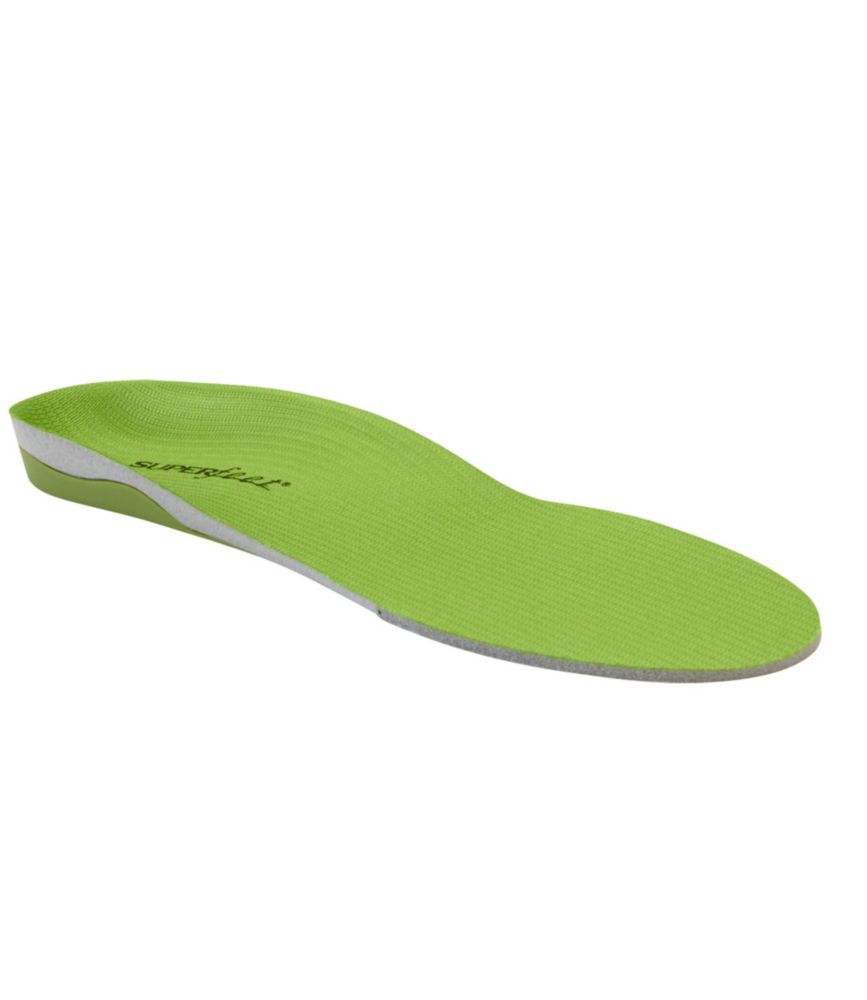
Adults' Superfeet Green Max Shock Absorption Insoles
Superfeet Adults' Superfeet Green Max Shock Absorption Insoles
A green insole offering stability, shock absorption, and odor control for high-impact activities and everyday wear.
(67)
$54.99 $54.99
SALE
$54.99 $54.99
SALE
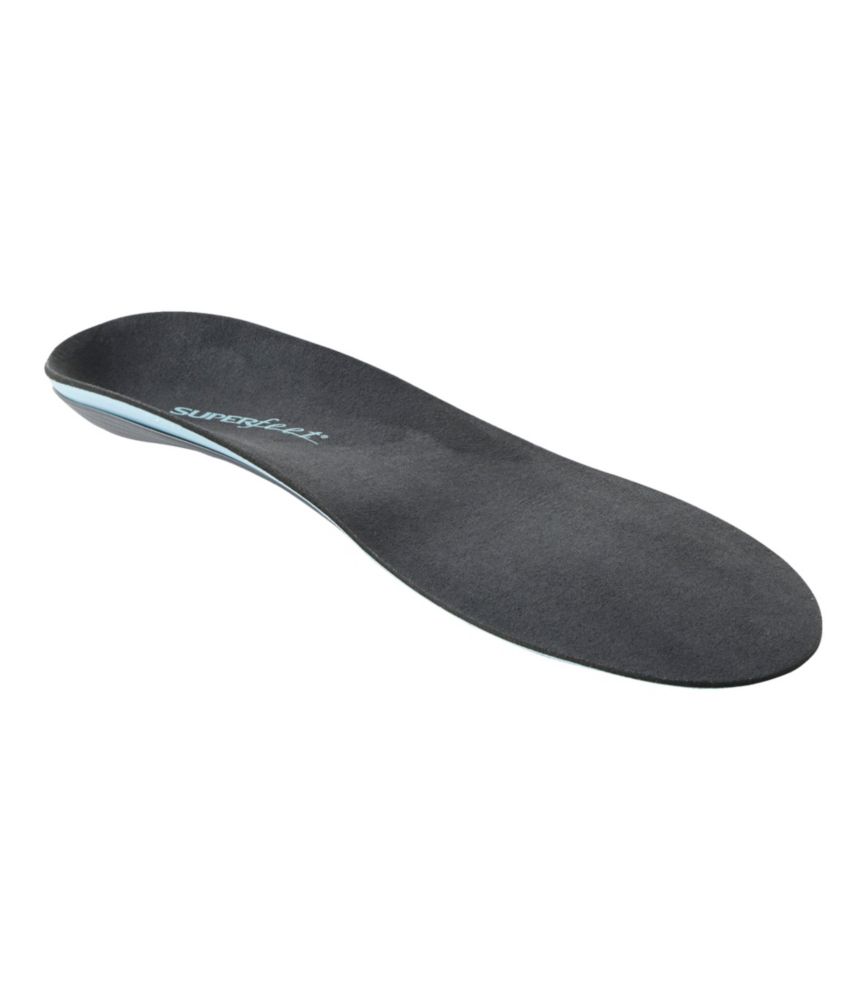
Adults' Superfeet Everyday Comfort Insoles
Superfeet Adults' Superfeet Everyday Comfort Insoles
A black suede leather insole with memory foam and carbon fiber support for all-day comfort.
(0)
$64.99 $64.99
SALE
$64.99 $64.99
SALE
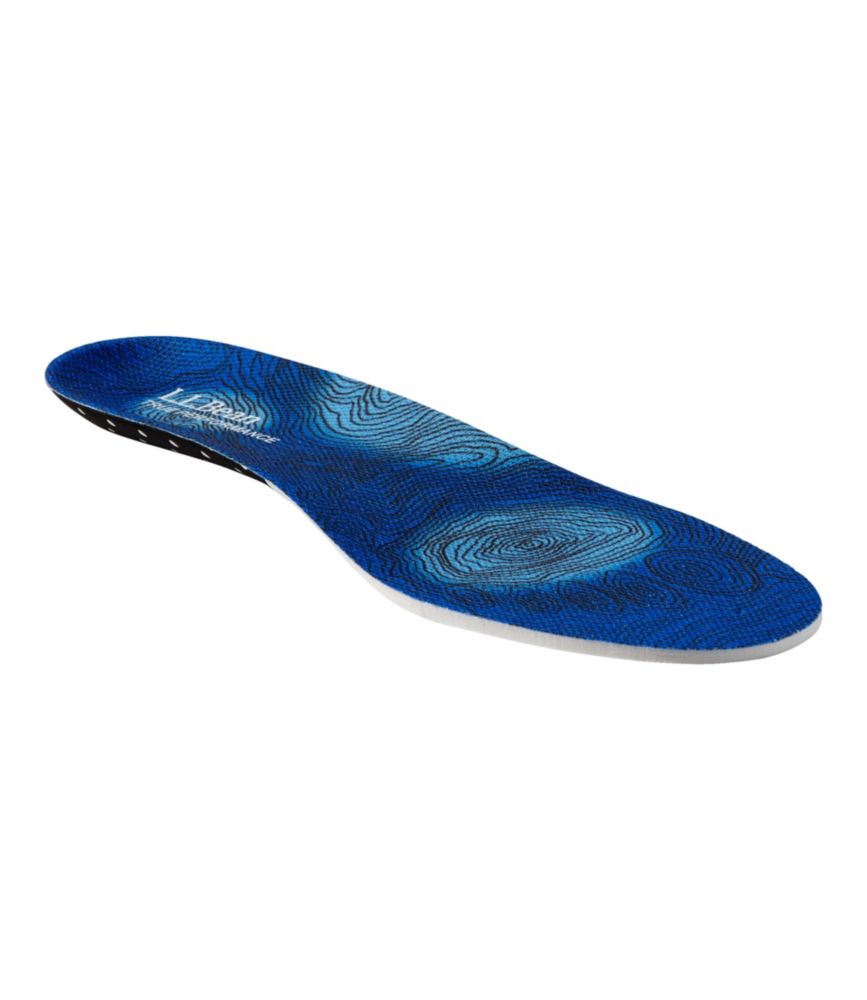
L.L.Bean True Performance Insoles
L.L.Bean L.L.Bean True Performance Insoles
A bright lapis EVA foam insole offering high-performance cushioning, support, and odor control for active lifestyles.
(0)
$32.95 $32.95
SALE
$32.95 $32.95
SALE
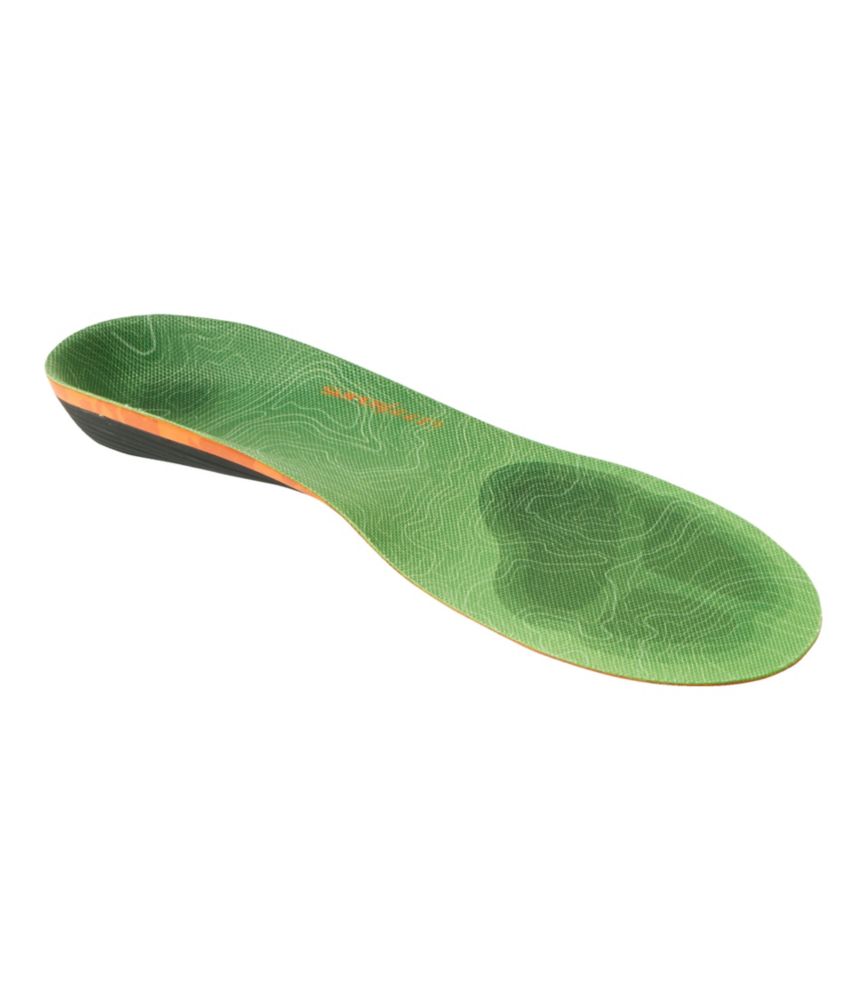
Adults' Superfeet Trailblazer Comfort Insoles
Superfeet Adults' Superfeet Trailblazer Comfort Insoles
A green insole with carbon fiber stabilizer and dual comfort foam for superior trail support and stability.
(0)
$54.99 $54.99
SALE
$54.99 $54.99
SALE
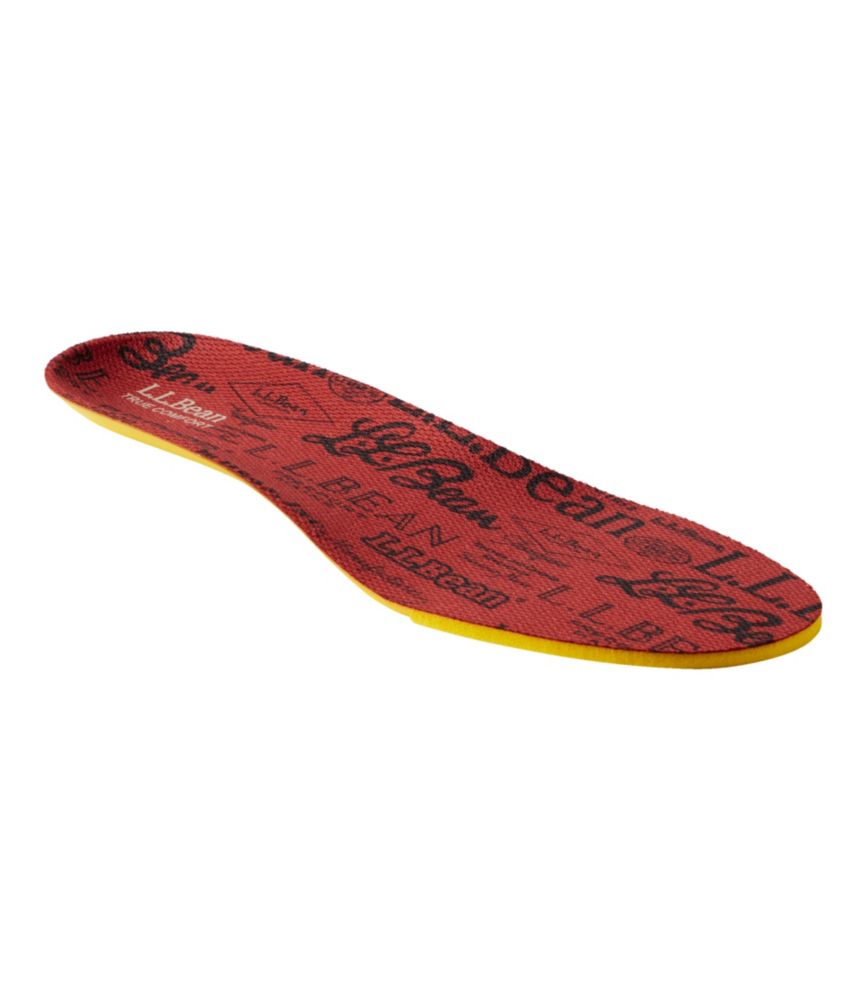
L.L.Bean True Comfort Insoles
L.L.Bean L.L.Bean True Comfort Insoles
Anatomically designed dark russet insoles with thick cushioning and moisture-wicking fabric for ultimate comfort.
(0)
$32.95 $32.95
SALE
$32.95 $32.95
SALE
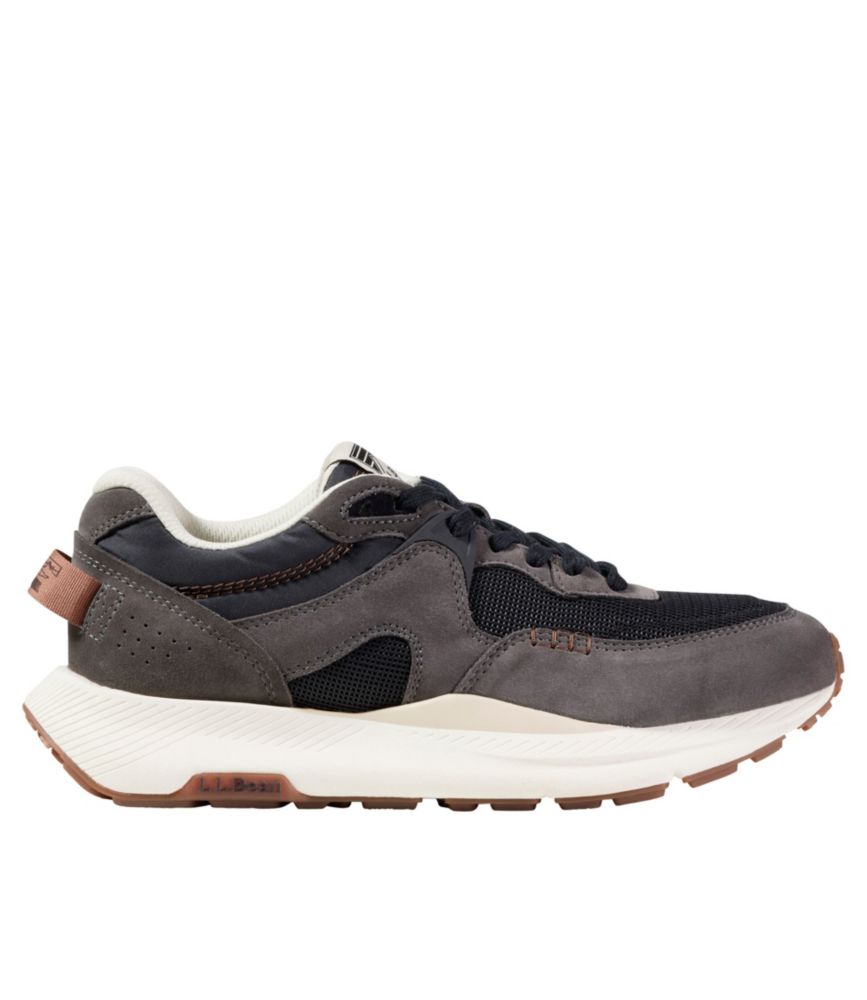
Men's 1985 Mountain Classic Sneakers
L.L.Bean Men's 1985 Mountain Classic Sneakers
A black sneaker featuring water-resistant suede, recycled mesh, and a grippy VertiGrip rubber outsole for outdoor traction.
(0)
$110 $79.99
SALE
$110 $79.99
SALE

Gel Insoles

Gel insoles are footwear inserts identified by the gel used in their construction, but that name is only the starting point for understanding an individual pair. Shape, dimensions, sizing and care instructions provide the details that make comparisons meaningful. An insole sits inside a shoe, so its relationship to the space already there matters as much as the size printed on its packaging. Two pairs intended for the same shoe size can differ in outline or thickness, and two shoes carrying the same size label can have different interior shapes. A rounded toe area, a narrower middle section or a differently shaped heel can all affect how an insert fits within that space. Product photographs help show the overall outline, while measurements and manufacturer descriptions give a clearer picture of what to expect. Gel is the defining material in this category, but the name alone does not describe the entire construction or establish how an insole will feel to a particular person. Any additional material information belongs in the individual product details, along with an explanation of where the gel appears in the design. Those distinctions are more useful than assuming that every insert described as gel is made the same way. A thoughtful comparison brings the whole design into view: its length, its profile, its sizing system and the instructions that accompany it. For someone replacing a familiar pair, the existing insole can also provide a useful visual reference for shape and dimensions, provided the footwear and insert manufacturers permit removal. The goal is not simply to match a number, but to understand how the insert and the footwear relate to one another. Clear, specific information makes that choice more straightforward without relying on broad promises about what a material can do.

Fit deserves particular attention because an insole becomes part of the space occupied by the foot. Footwear that already feels close across the toes or over the top of the foot leaves a different starting point than footwear with a roomier interior. Adding an insert without checking the original footbed or the manufacturer’s instructions can change that relationship. Whether an insole replaces an existing footbed or is installed another way should come from its directions rather than an assumption. The same applies to sizing: a stated size range does not, by itself, mean an insert can be trimmed. Any cutting should be expressly permitted by the manufacturer, with the supplied markings and instructions determining how it is done. Length is only one part of the comparison. Width through the forefoot, the shape of the heel and the thickness shown in the specifications all deserve a look, especially when the shoe’s interior has a distinctive outline. Imagine setting a removable original footbed beside a prospective replacement: even when the stated sizes match, the edges may tell a different story. That simple comparison illustrates why photographs, dimensions and installation details belong together. Checking both shoes matters, too, rather than treating the fit of one as a complete answer for the pair. Personal preferences also vary, so another person’s description of how an insert feels cannot establish the right choice for every foot. People shopping for themselves can bring their own footwear measurements and preferences to the decision; those choosing a gift will usually need more than the recipient’s usual shoe size. Knowing the exact footwear involved and whether the recipient wants replacement inserts makes the gift more considered. For a separately named category, Running Insoles offers another place to browse, with individual descriptions remaining the source for intended-use information. Category names help organize a search, but the details of the insert and the footwear are what make a comparison useful.

Care and durability are worth considering alongside fit, especially for an accessory that is easy to overlook once it is inside a shoe. The word gel does not establish a cleaning method, a replacement schedule or a particular service life. Those details depend on the complete design and the manufacturer’s guidance. Before choosing a pair, it helps to know whether the care directions suit the attention someone is prepared to give it. Washing, soaking, cleaning products and drying methods should never be assumed appropriate simply because an insert looks easy to wipe down. Keeping the original care information provides a reference later, when the packaging is gone and a cleaning question comes up. Periodic inspection is another practical part of ownership: changes in shape, visible damage or a newly uneven fit are reasons to review the instructions and assess the insert rather than continuing to judge it by its appearance from above. There is no single replacement timetable that can be inferred from the category name, and a longer service life should not be assumed from thickness alone. Intended use calls for the same attention to specifics. The presence of gel does not establish that an insert is appropriate for every type of footwear or every activity, so any stated compatibility should be checked against the shoes in question. Someone replacing an existing pair may value a close match in dimensions, while someone considering inserts for the first time may place more importance on clear installation and sizing information. In either case, straightforward details are more helpful than sweeping claims. Gel insoles should not be selected on the assumption that they will treat foot pain or a medical condition; persistent discomfort is a reason to seek advice from a qualified health professional. For everyday shopping decisions, the most useful picture is a complete one: clearly described construction, understandable sizing, appropriate footwear compatibility and care instructions that are easy to keep. Together, those details allow a small footwear accessory to receive the same considered attention as the shoes themselves.
Read More

FAQs