It's time to upgrade your browser

Your current browser is no longer supported on llbean.com. Please upgrade to one of the following for a smoother, safer shopping experience with us:

Outdoor Sneakers for Mixed Terrain

Explore outdoor sneakers for mixed terrain and find a style that fits your outdoor plans. As you browse, check each pair’s product details and sizing information to compare options and choose based on your preferred fit and the terrain you expect to encounter.
Read More
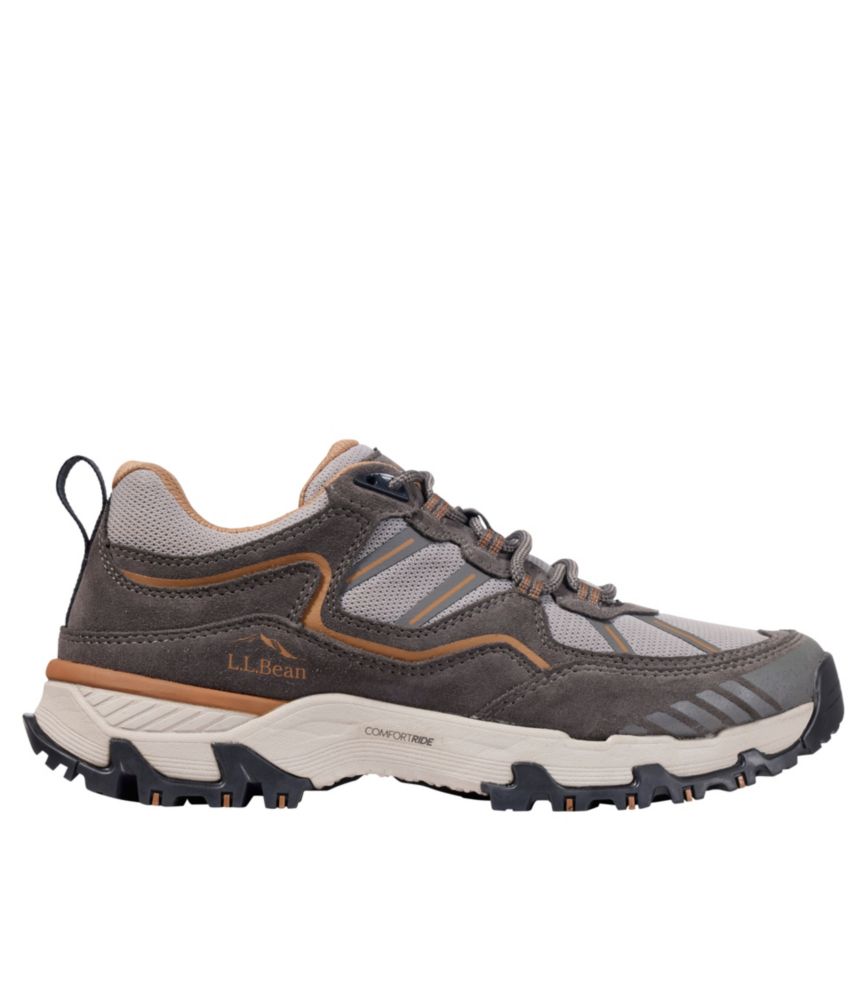
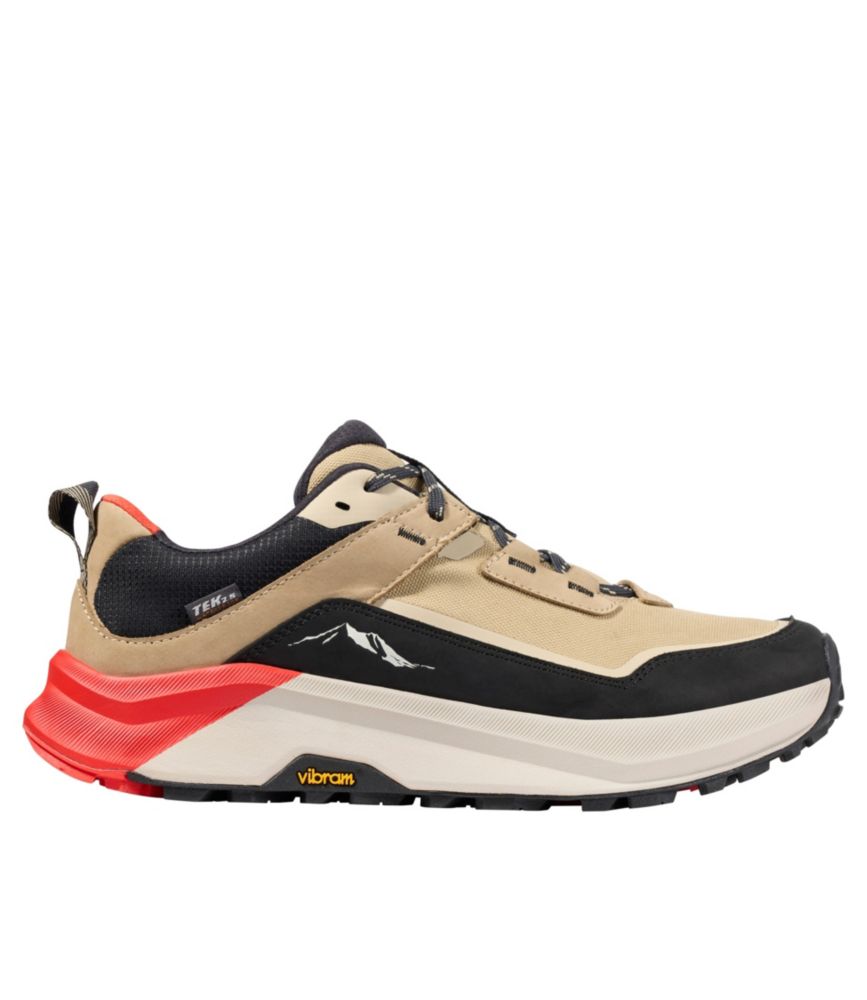
Men's NextVenture Hiking Shoes, Waterproof
L.L.Bean Men's NextVenture Hiking Shoes, Waterproof
A tan waterproof hiking shoe with leather and rubber materials, cushioned EVA midsole, and Vibram outsole.
(0)
$150 $150
SALE
$150 $150
SALE
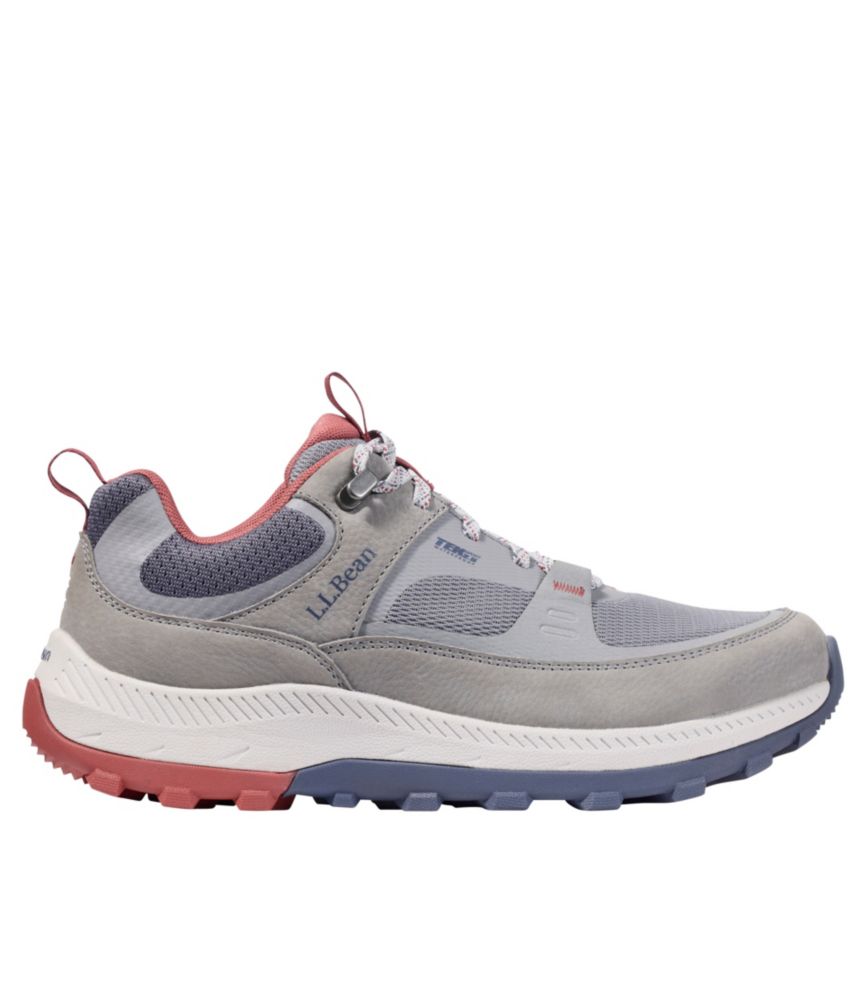
Women's 1985 Mountain Classic Sneakers
L.L.Bean Women's 1985 Mountain Classic Sneakers
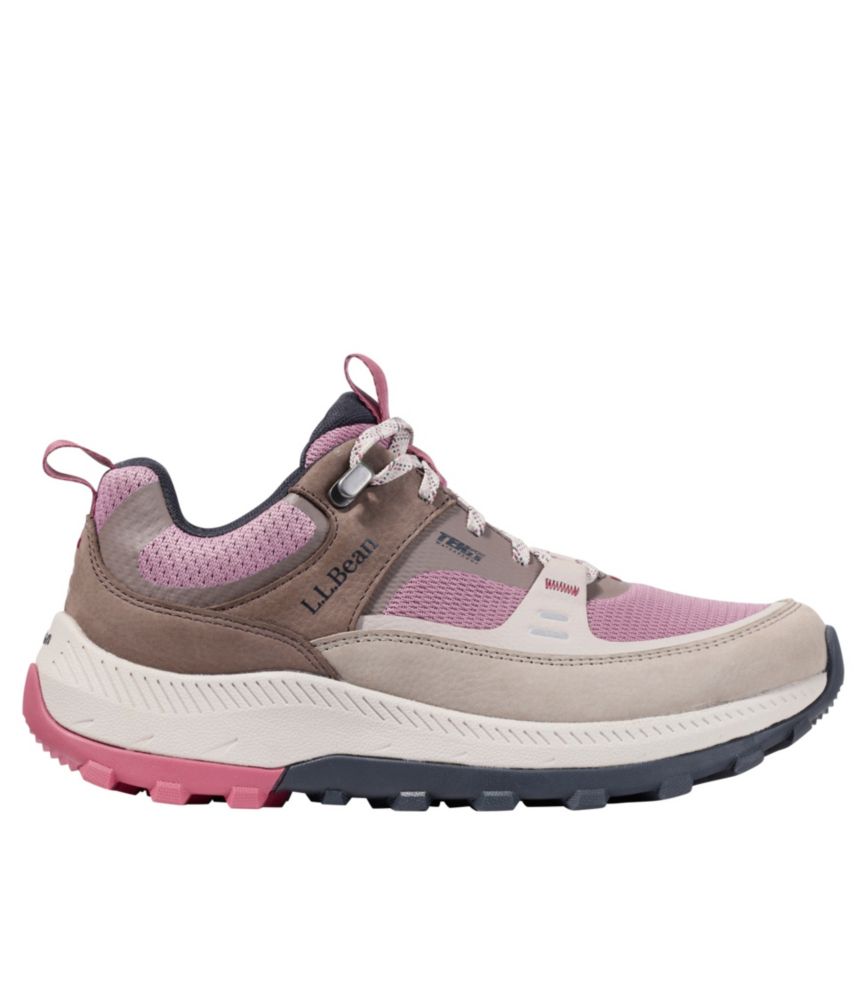
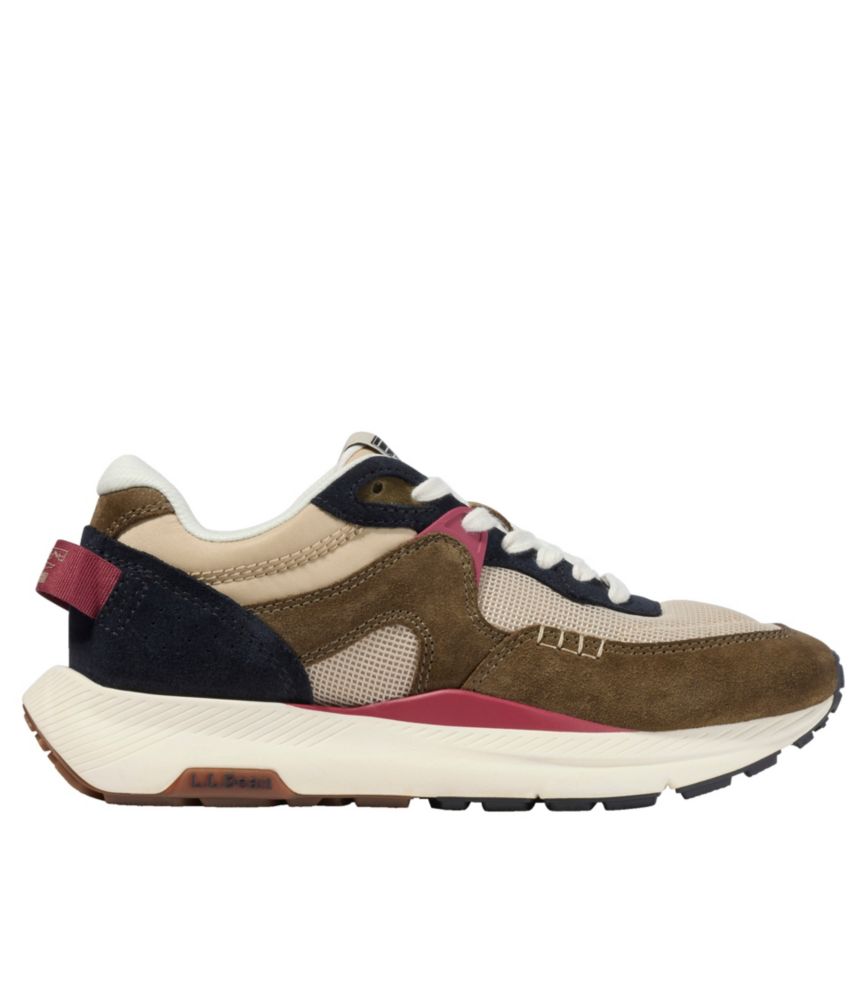
A tan suede, nylon, and rubber sneaker with cushioned insole and rugged, grippy VertiGrip outsole.
(0)
$110 $79.99
SALE
$110 $79.99
SALE
Men's Elevation Trail Shoes, Waterproof
L.L.Bean Men's Elevation Trail Shoes, Waterproof
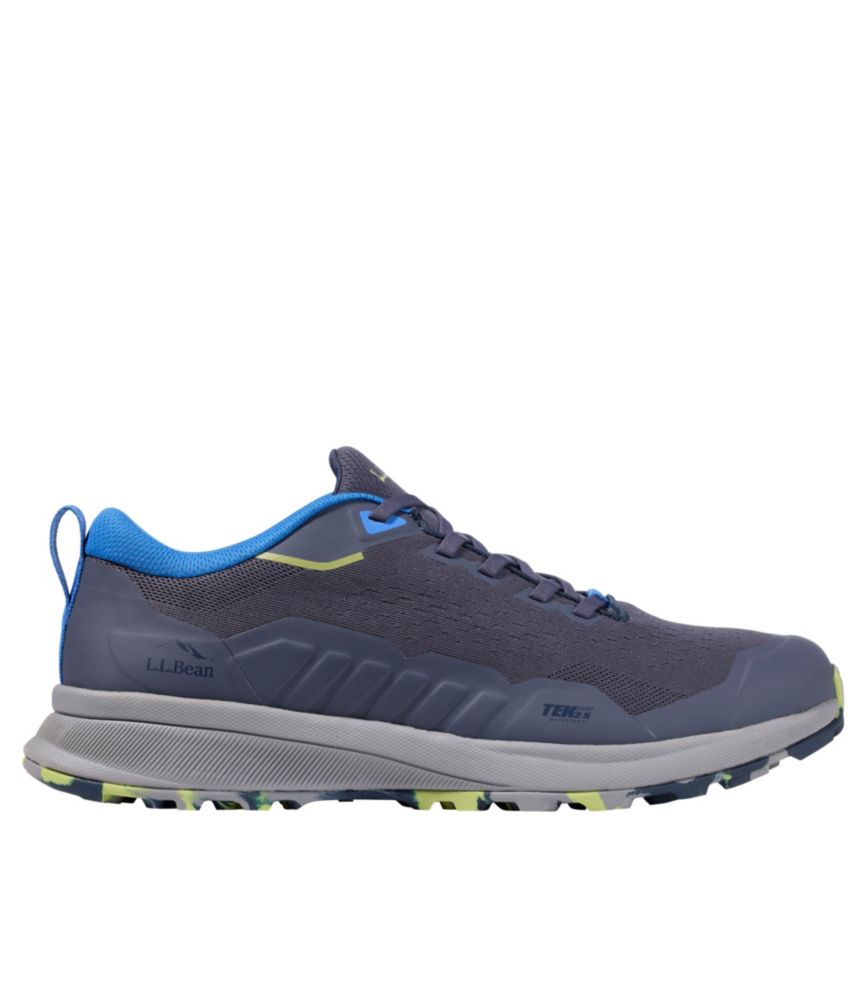
A lightweight blue trail shoe with recycled mesh upper, waterproof membrane, and grippy rubber outsole for protection.
(0)
$130 $130
SALE
$130 $130
SALE
Women's Access Hiking Shoes, Waterproof
L.L.Bean Women's Access Hiking Shoes, Waterproof
A waterproof hiking shoe featuring recycled mesh, nubuck leather, and grippy rubber for all-day comfort.
(0)
$140 $140
SALE
$140 $140
SALE
Men's Trail Model X Waterproof Hiking Shoes
L.L.Bean Men's Trail Model X Waterproof Hiking Shoes
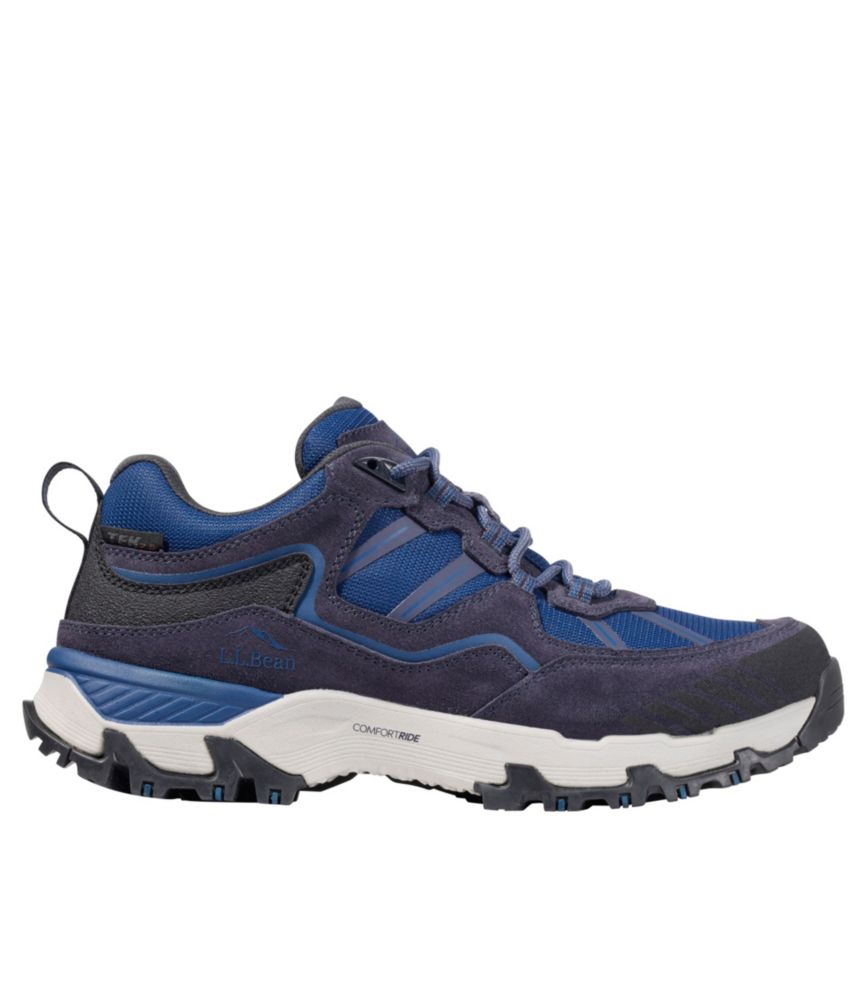
A gray suede hiking shoe with waterproof membrane, breathable mesh panels, and enhanced rubber outsole traction.
(0)
$110 $110
SALE
$110 $110
SALE
Women's Trail Model X Ventilated Hiking Shoes
L.L.Bean Women's Trail Model X Ventilated Hiking Shoes
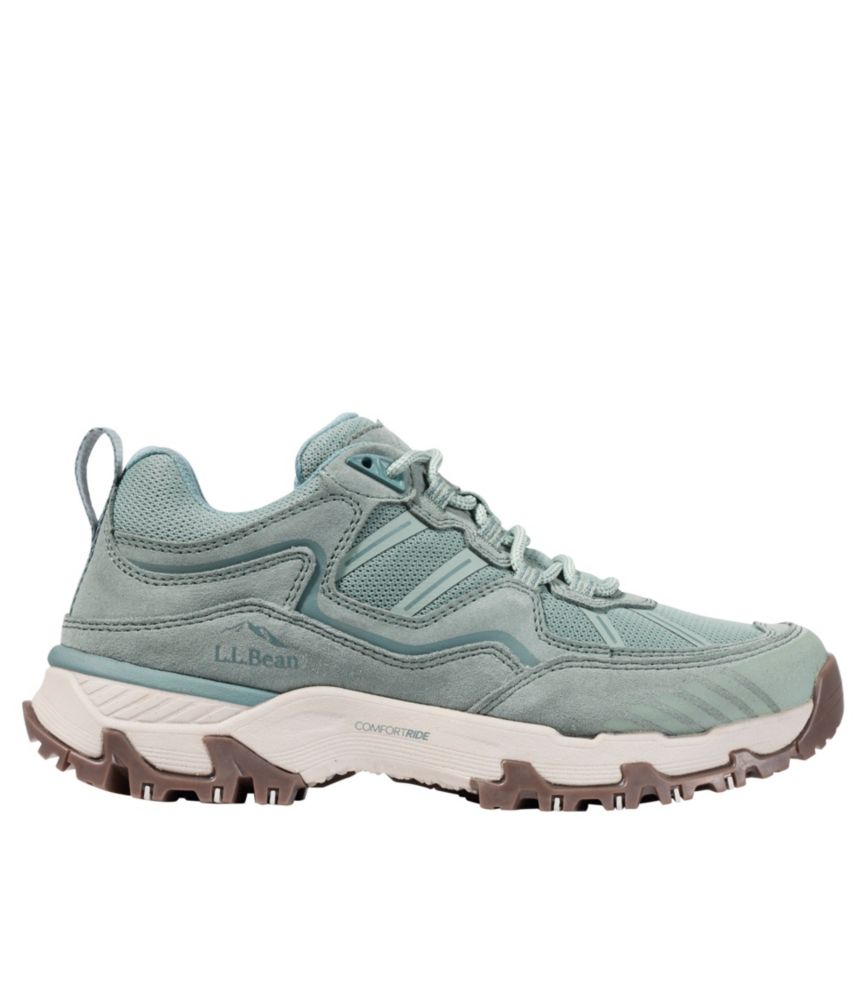
A green suede hiking shoe with breathable mesh panels, water resistance, and enhanced traction for outdoor adventures.
(0)
$99.95 $84.99
SALE
$99.95 $84.99
SALE
Men's Trail Model X Ventilated Hiking Shoes
L.L.Bean Men's Trail Model X Ventilated Hiking Shoes
A gray suede and rubber hiking shoe featuring breathable mesh panels and enhanced wet-surface traction.
(0)
$99.95 $99.95
SALE
$99.95 $99.95
SALE
Men's Access Hiking Shoes, Waterproof
L.L.Bean Men's Access Hiking Shoes, Waterproof
A waterproof gray hiking shoe featuring recycled mesh, nubuck leather, and a grippy rubber outsole for traction.
(0)
$140 $140
SALE
$140 $140
SALE
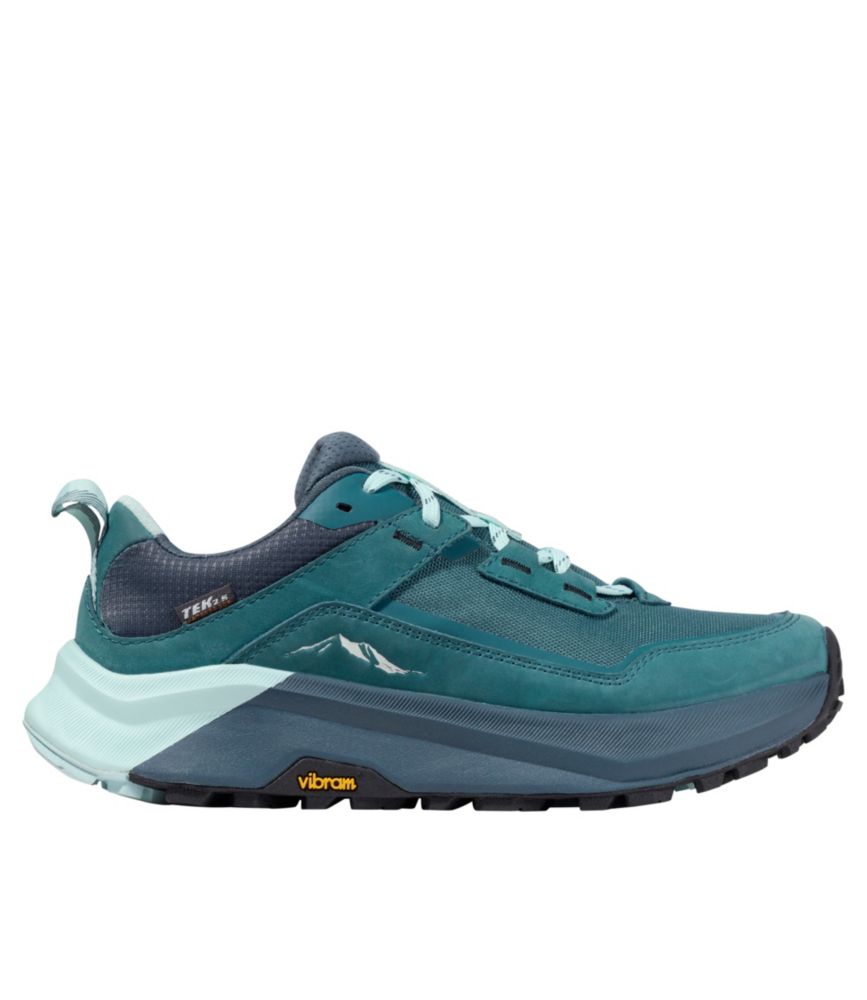
Women's NextVenture Hiking Shoes, Waterproof
L.L.Bean Women's NextVenture Hiking Shoes, Waterproof
A waterproof blue hiking shoe with mesh, rubber, and leather for comfort, traction, and durability.
(0)
$150 $150
SALE
$150 $150
SALE

Outdoor Sneakers for Mixed Terrain

Outdoor sneakers for mixed terrain are a footwear category centered on varied outdoor ground rather than a single surface. Mixed terrain can include pavement, gravel, packed earth and the transitions between them: a neighborhood sidewalk that meets a park path, a broad gravel stretch beside an open field, or a dirt loop that begins and ends at a paved entrance. Those differences give useful context when comparing sneakers, but the details of each pair matter more than the category name alone. The intended-use description, construction information and fit guidance help distinguish one design from another without relying on appearance. A deeply patterned sole, for example, is something to examine in the product details, not a reason to assume a shoe belongs on every kind of ground. The same thoughtful approach applies to a sneaker with a simpler profile. Start with the surfaces that actually make up an outing, including the stretches between the most memorable parts. A route might be mostly pavement with a short gravel section, or mostly packed earth with only a few paved crossings. Both involve mixed terrain, but they present different contexts for choosing footwear. This collection offers a place to consider outdoor sneaker styles with those distinctions in mind. Beyond the setting, personal style matters, too. Some people prefer a familiar sneaker silhouette, while others gravitate toward a more distinctly outdoorsy look. Proportions, detailing and the overall shape can help narrow that preference without standing in for construction facts. Quality, versatility and timeless style remain worthwhile considerations alongside the practical details. The most meaningful comparison connects the ground ahead, the information provided for each pair and the preferences of the person wearing it. That keeps the choice rooted in real routines rather than an imagined outing that bears little resemblance to the places someone enjoys most.

Fit deserves just as much attention as the terrain description. A size printed on a label is a starting point; the relationship between the foot and the shoe is the more personal part of the decision. Measuring both feet and consulting the relevant size chart can help establish that starting point, especially when replacing a familiar pair with a different design. Length, width, toe room and heel fit are separate considerations, and none should disappear from the comparison simply because the overall style looks appealing. During a try-on, notice where the toes sit, whether the forefoot feels crowded, and whether the heel moves more than expected. The socks normally worn with outdoor footwear belong in that assessment, rather than a thinner or thicker substitute chosen only for the fitting. If an insert is part of the usual footwear routine, check the shoe’s details before assuming it can accommodate that arrangement. A preferred fit should not depend on hoping a noticeably tight area will eventually change. Construction information adds another layer of context. The upper, lining and sole are different parts of a shoe, so read their descriptions separately rather than treating the appearance of the upper as a description of the entire design. When a particular material is important to a purchase, confirm it in the individual details instead of inferring it from a photograph. Photographs are useful for seeing the shape, closure, panel layout and other visible elements; written specifications supply information that an image may not establish. Durability considerations also belong in this closer look. Seams, attachment points and construction descriptions are details worth comparing, without treating a substantial-looking design as proof of how long it will last. Together, these observations make the assortment easier to evaluate on its actual differences. They also leave room for individual preferences: the same appearance, shape or fit will not appeal equally to everyone, even when two people regularly visit the same outdoor places.

Care is another part of choosing outdoor sneakers for mixed terrain, particularly for someone who prefers a straightforward routine. The instructions supplied for the selected pair should determine the cleaning method, suitable tools and any drying directions. Before using a cleaner, applying a treatment or putting footwear into a washing machine, check those instructions rather than borrowing a method from another pair. Similar-looking shoes can have different construction details, and a familiar cleaning habit is not a substitute for the recommended care. Ordinary upkeep also offers an opportunity to look over the footwear: examine the seams, closures, sole edges and other visible areas, and take note of changes rather than judging condition by the upper alone. For storage, follow any supplied directions and choose a place where the pair can be kept without being crushed beneath other belongings. These practical considerations are useful whether the sneakers are a personal purchase or a thoughtful gift. For a gift recipient who enjoys being outside, the strongest starting points are their usual size, preferred fit, familiar outdoor settings and taste in footwear. A person who likes understated details may have different preferences from someone drawn to a more outdoorsy silhouette, even if both enjoy the same park loop. Knowing those habits makes the choice more personal than selecting solely by looks. For another footwear category to consider alongside this assortment, explore Outdoor Trail Shoes and compare the individual descriptions with the places and surfaces in mind. The appeal of time outdoors often lies in ordinary moments: following a familiar path in the opposite direction, pausing where the view opens up, or sharing a conversation that continues around the next bend. Choosing footwear can stay equally grounded, with attention to the actual route, the wearer’s preferences and the details that distinguish each pair.
Read More

FAQs