It's time to upgrade your browser

Your current browser is no longer supported on llbean.com. Please upgrade to one of the following for a smoother, safer shopping experience with us:

Men's Winter Loafers

Find men's winter loafers to complement your cold-season wardrobe, with timeless style that's easy to make your own. Browse the selection and check each pair's sizing, fit and product details to help choose the right loafers for you.
Read More
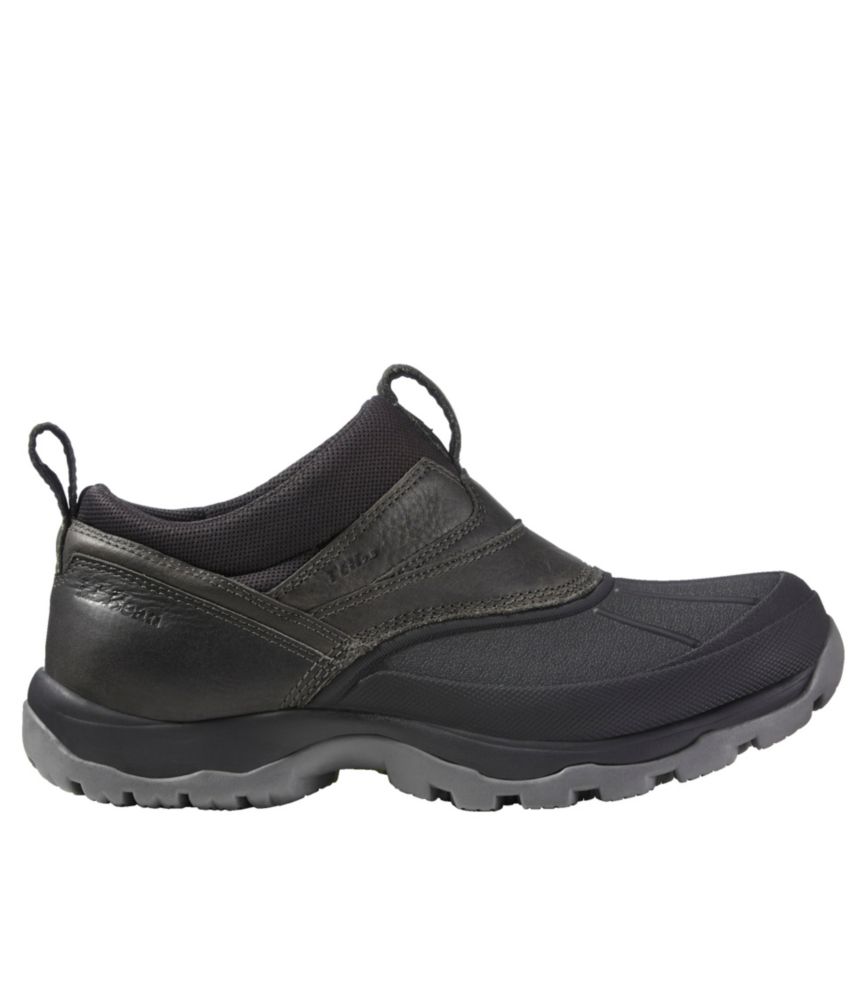
Men's Storm Chaser 5 Slip-Ons
L.L.Bean Men's Storm Chaser 5 Slip-Ons
A gray waterproof leather slip-on with rubber outsole, warm insulation, cushioning, and reliable traction for winter.
(3,695)
$130 $130
SALE
What customers like:
High quality
Easy to slip on
Versatile
Comfortable
Warm
$130 $130
SALE
Men's Snow Sneaker 5 Shoes, Slip-On
L.L.Bean Men's Snow Sneaker 5 Shoes, Slip-On
A brown suede winter slip-on with waterproof protection, 200-gram insulation, and rugged rubber traction.
(619)
$130 $130
SALE
What customers like:
Roomy fit
Well-made
Good design
Durable
Excellent warmth
$130 $130
SALE
Men's Snow Sneaker 5 Shoes, Lace-Up
L.L.Bean Men's Snow Sneaker 5 Shoes, Lace-Up
A brown suede-and-fabric winter sneaker with waterproof protection, 200-gram insulation and rugged traction for snow.
(516)
$140 $140
SALE
What customers like:
Great fit
Good traction
Comfortable
Keeps feet dry
Excellent warmth
$140 $140
SALE
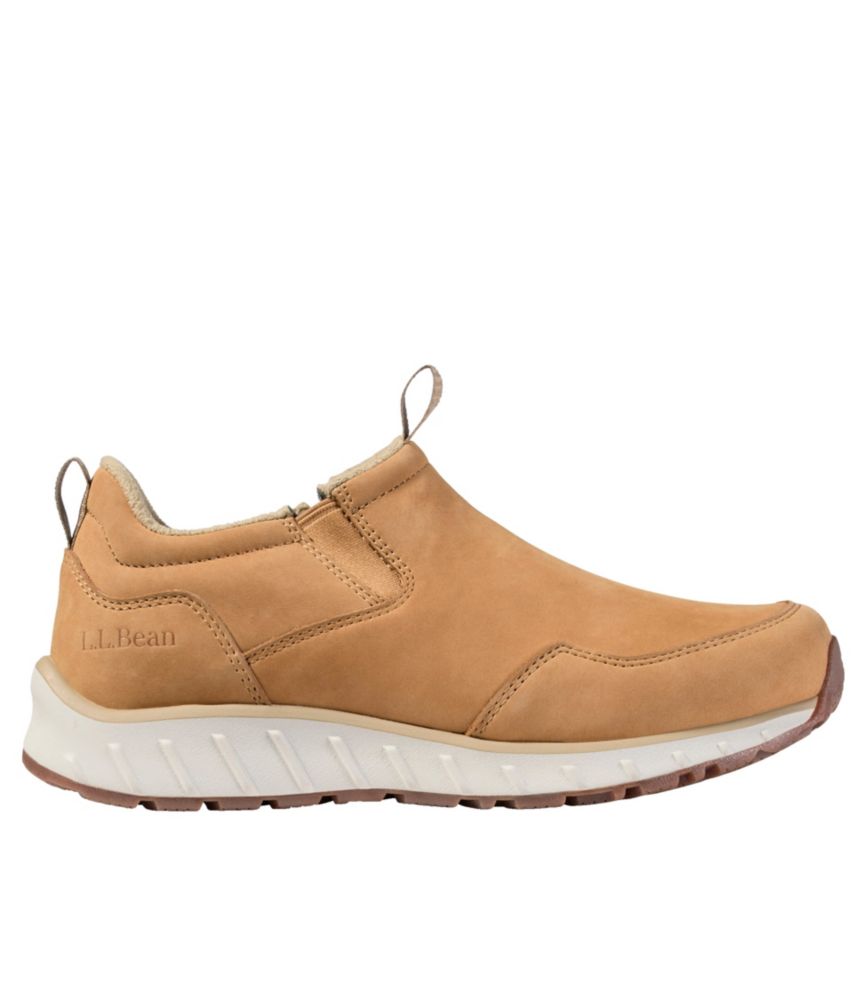
Men's NextVenture Waterproof Slip-On Shoes, Leather
L.L.Bean Men's NextVenture Waterproof Slip-On Shoes, Leather
A tan waterproof leather slip-on with cushioned EVA midsole, protective overlays, and grippy Vibram rubber outsole.
(0)
$150 $150
SALE
$150 $150
SALE
Men's Snow Sneaker 5 Leather Slip-Ons
L.L.Bean Men's Snow Sneaker 5 Leather Slip-Ons
A brown leather winter slip-on with waterproof protection, 200-gram insulation, supportive comfort and rugged rubber traction.
(0)
$130 $130
SALE
$130 $130
SALE

Men's Winter Loafers

Shopping for men's winter loafers starts with a familiar idea: classic footwear should feel like a natural part of a personal wardrobe, not a departure from it. The appeal is in finding a look that feels considered without being overly formal, with proportions and details that suit the clothes already in regular rotation. Winter dressing offers plenty of room for that approach. A favorite sweater, neatly finished trousers and a well-chosen pair of shoes can create an outfit that feels complete without much fuss. Start with the overall shape of the loafers and consider how it relates to the cut of the pants. A narrower pant opening puts more emphasis on the outline of the shoe, while a fuller leg changes how much of the upper is visible. The length of the hem matters, too: a small adjustment can make the same outfit look quite different. Color is another useful starting point. Think about the shades that appear most often in a winter wardrobe and whether the shoes should blend into that palette or provide a subtle contrast. There is no need for every part of an outfit to match exactly; a consistent level of formality often matters more than a perfect color match. Small design details deserve a closer look as well. The shape of the toe, the placement of visible seams and the amount of detailing across the top all influence the overall impression. Consider the whole shoe rather than choosing on one detail alone. For someone who prefers understated clothing, a restrained look may feel most familiar. Someone who enjoys a little more visual interest may give greater weight to distinctive detailing. The goal is not to follow a rigid set of styling rules, but to find men's winter loafers that reflect an established sense of style. A useful reference is a complete outfit already hanging in the closet, right down to the pants and socks, rather than an imagined wardrobe that would require starting over.

Fit deserves just as much attention as appearance, particularly when comparing unfamiliar shapes or sizing information. Begin with the size normally worn, then check the size chart and any fit notes associated with the style being considered. A size number is a starting point, not a substitute for trying shoes on, and the outline of the toe does not reveal everything about the room inside. Pay attention to width as well as length, and evaluate both feet rather than judging by one alone. Try loafers with the socks intended to accompany them; the fit should be assessed as a complete combination, not with whatever happens to be closest at hand. While standing, notice where the toes sit and whether there is pressure across the widest part of the foot or over the top. Then take a few ordinary steps on a clean indoor surface, following any applicable try-on guidance. Notice how the heel moves, whether the foot shifts forward and whether either shoe requires an adjustment in the way you walk. These observations are more useful than relying on the appearance of a good fit from above. Do not plan on a particular amount of stretching or assume that an uncomfortable spot will disappear with wear. Any guidance about how a style fits should come from its own description. If measurements are provided, compare them carefully and use the stated measuring method rather than substituting a different one. Winter wardrobe choices can also influence how fit is evaluated: bring the intended socks into the decision from the beginning instead of treating them as an afterthought. Once the fit feels right, look again at the shoes with the pants they are likely to accompany. Check the view while standing naturally, not only while seated or looking down. The relationship between the pant hem, visible sock and shoe can be easy to overlook in a close-up photograph. Giving each of these details a little attention keeps the decision grounded in how the complete outfit looks and feels, rather than in a size label or a single appealing image.

Materials, construction, care and durability belong in the decision, but those details need to be considered at the individual style level. Read the description for the stated materials and construction information, then review the care directions before choosing. An appealing appearance does not tell the whole story about maintenance, and a familiar-looking finish is not enough to identify the right cleaning method. Follow the instructions supplied with the shoes, including any recommendations about cleaning products, storage or professional care. Avoid applying a treatment simply because it worked on another pair. If a care step calls for a particular product or method, check that information before getting started. It is also worth considering how much attention you are comfortable giving footwear over time. A realistic care routine is more useful than an ambitious one that never becomes a habit. When thinking about durability, look for concrete construction details rather than treating appearance, weight or a seasonal name as proof of how long shoes will last. Keep any care information that comes with the pair so it remains easy to reference later. The same thoughtful approach applies when choosing men's winter loafers as a gift. Start with the recipient's preferences: the shapes they already wear, the amount of detailing they tend to choose and the colors that recur in their wardrobe. Confirm sizing information rather than guessing from another person's shoes, and remember that knowing a size is not the same as knowing a preferred fit. A gift can feel personal without requiring a dramatic change in style. Someone who consistently chooses simple clothing may appreciate the same sense of restraint in footwear, while a recipient with clear preferences will often value having those preferences respected. For a wider view of the category, explore the men's loafers collection and compare the details that matter most. Whether selecting a pair for yourself or someone else, keep the focus on an appropriate fit, a look that feels familiar and care requirements that are understood from the start. Those considerations give the choice a clear purpose beyond its place in a winter wardrobe.
Read More

FAQs