
It's time to upgrade your browser

Your current browser is no longer supported on llbean.com. Please upgrade to one of the following for a smoother, safer shopping experience with us:

Comfortable Loafers

Find comfortable loafers with classic style and a slip-on design. Browse the selection and compare fit, sizing and design details to choose a pair that feels right for your feet and fits naturally into your wardrobe.
Read More
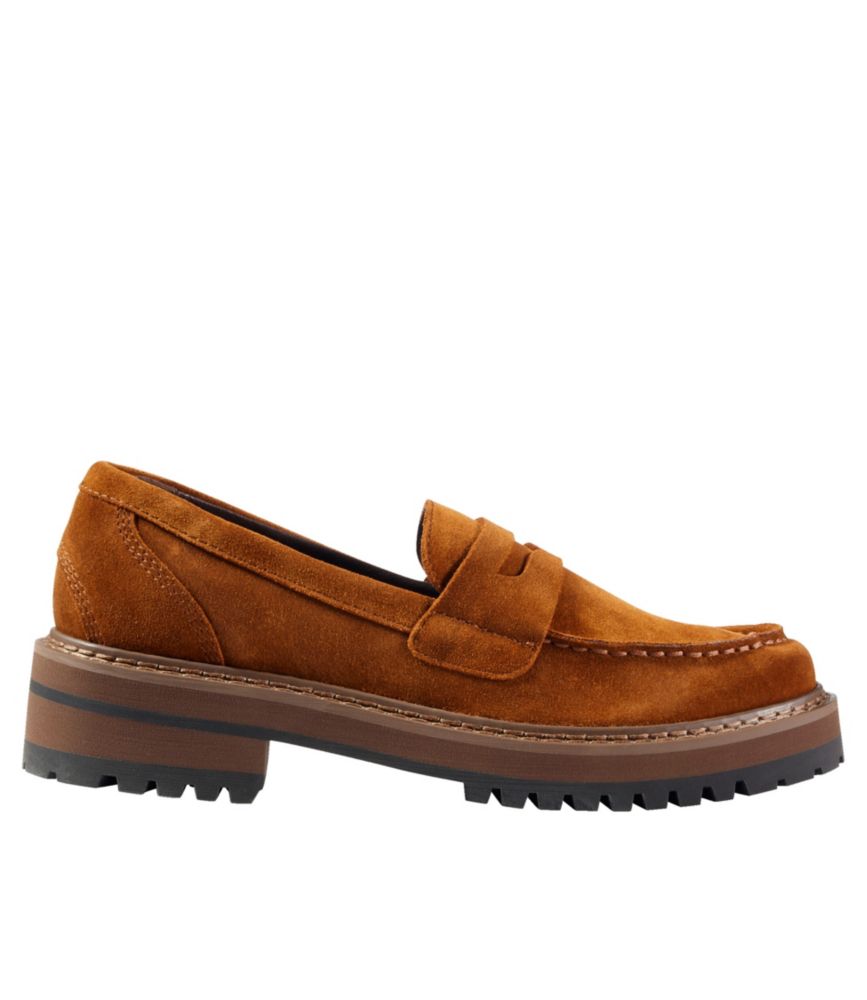
Women's Camden Hills Penny Loafers, Suede
L.L.Bean Women's Camden Hills Penny Loafers, Suede
A brown suede penny loafer with supportive V-backstay, cushioned comfort, and grippy rubber traction.
(0)
$140 $111.99
SALE
$140 $111.99
SALE
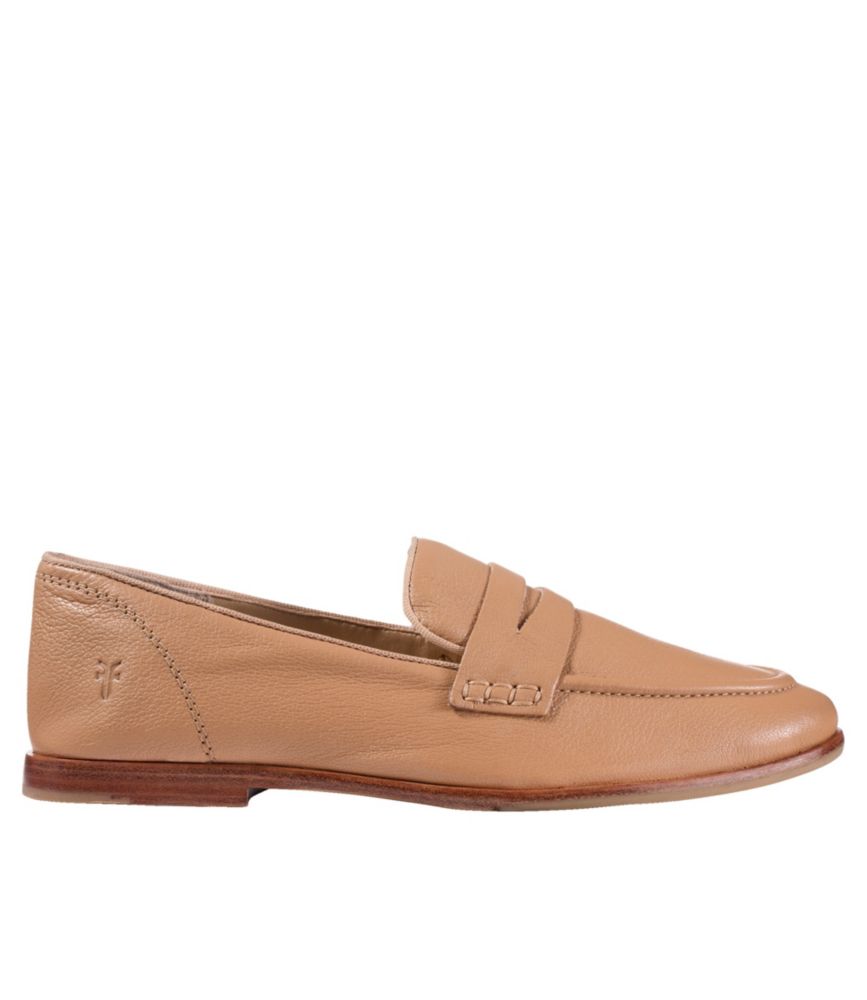
Women's Frye Faith Loafers
Frye Women's Frye Faith Loafers
Tan leather loafers with soft leather lining, round toes, and durable rubber outsoles for comfortable wear.
(0)
$158 $158
SALE
$158 $158
SALE
Women's Camden Hills Penny Loafers, Leather
L.L.Bean Women's Camden Hills Penny Loafers, Leather
A black leather penny loafer with cushioned EVA comfort, shock-absorbing insole, and grippy mini-lug rubber outsole.
(0)
$140 $99.99
SALE
$140 $99.99
SALE

Comfortable Loafers

Comfortable loafers combine a familiar footwear shape with an emphasis on how a pair feels, making personal fit an important part of the choice. The classic loafer is recognizable by its closed toe and slip-on silhouette, but the overall look leaves plenty of room for individual preference. A rounded toe creates a different impression from a more tapered shape, while the proportions of the upper can make a design appear understated or more substantial. Those details matter when choosing shoes that feel like a natural part of your wardrobe rather than an afterthought. Consider the pants, skirts, and other pieces you already enjoy wearing: the line of a trouser hem, the shape of straight-leg jeans, and the proportions of a longer skirt can each change how a loafer looks. There is no need to build an entirely different wardrobe around a familiar shoe style. A good starting point is the clothing you reach for most often and the shapes that already suit your taste. Someone who prefers simple, uncluttered outfits may favor an equally understated shoe, while someone who enjoys visible detailing may pay closer attention to stitching, trim, and the shape across the top of the foot. Neither approach is more correct; the appeal is in finding a look that feels personal without depending on passing trends. Comfortable loafers are best considered through that same individual lens. A photograph can help you judge appearance, but comfort comes down to the relationship between the shoe and your foot. Keeping those two considerations separate makes comparison more useful: first identify the silhouettes you like, then give fit the attention it deserves. You can also browse Comfortable Everyday Loafers while comparing the proportions and overall look that appeal to you. The most satisfying choice is one whose appearance feels familiar to your style and whose fit feels right when tried on.

Fit deserves more attention than the size printed inside a shoe. Comfortable loafers should be assessed across the whole foot, not just by whether the toes reach the end. Length, width, and the space over the top of the foot all contribute to how a pair feels, and two shoes marked with the same size can fit differently. Measuring both feet provides a useful starting point, especially if it has been a while since you last checked. Compare those measurements with the size information provided for the pair under consideration rather than relying entirely on a size that worked in another shoe. During a try-on, notice whether your toes have room to rest naturally, whether the sides feel restrictive, and whether the upper presses across the top of your foot. The heel matters, too: repeated slipping or a pinching edge is worth noticing rather than dismissing because the rest of the shoe looks appealing. Standing and taking a few steps can reveal details that are less obvious while seated. Pay attention to both feet throughout the try-on instead of judging the fit from one shoe alone. If you normally wear socks, try the loafers with the kind you expect to wear with them; a change in thickness can affect the available space. Familiarity with your own preferences is useful here. Some people dislike any pressure across the top of the foot, while others are particularly attentive to the shape around the toes or heel. Comfort is personal, so a description or another shopper’s experience cannot replace your own assessment. A shoe that feels tight should not automatically be treated as a pair that simply needs more time, and extra room does not necessarily mean the fit is right. Clear sizing information and a careful try-on are more useful than assumptions about how a loafer ought to feel. The aim is a fit that does not require you to overlook an uncomfortable detail just to enjoy the style.

Materials, construction, and care instructions are also worth including in the comparison, without assuming that every loafer needs the same treatment. Read the material information alongside the care directions so you know what looking after the pair involves. Appearance alone cannot tell you which cleaning method is appropriate, and a familiar shoe-care product should not be used without checking its suitability. Following the supplied instructions is a more dependable approach than treating all footwear alike. For routine care, a simple place to keep shoes and their care information can make the process less of an afterthought. Before putting a pair away, take a moment to look for marks, buildup, or visible changes that may need attention. If cleaning is needed, use the method specified for that pair, including any directions about drying or storage. Durability is another consideration, but it is better assessed through construction details, care requirements, and the condition of the shoes over time than through appearance alone. Periodically checking seams, edges, and soles helps you notice wear rather than discovering it only when a small issue has become more noticeable. Comfort deserves the same occasional reassessment: a pair that once felt right may feel different as the shoes or your fit preferences change. These practical considerations are especially relevant when choosing footwear as a gift. A recipient’s usual size is helpful, but it is only part of the picture. Their preferred toe shape, typical sock choice, and feelings about how closely a shoe fits can all influence the decision. When those preferences are uncertain, letting the recipient help choose can be more thoughtful than guessing. The same principle applies when selecting a pair for yourself: familiar style, clear product information, and attention to personal fit make a useful foundation. Comfortable loafers do not need an elaborate story to earn a place in a wardrobe. Their appeal rests in a recognizable look, a fit that feels right to the wearer, and care requirements that are understood from the start.
Read More

FAQs