It's time to upgrade your browser

Your current browser is no longer supported on llbean.com. Please upgrade to one of the following for a smoother, safer shopping experience with us:

Low Top Sneakers

Explore low top sneakers with below-the-ankle silhouettes and classic, versatile style. Find a pair that complements your wardrobe, and check individual product details for sizing and fit as you compare options.
Read More
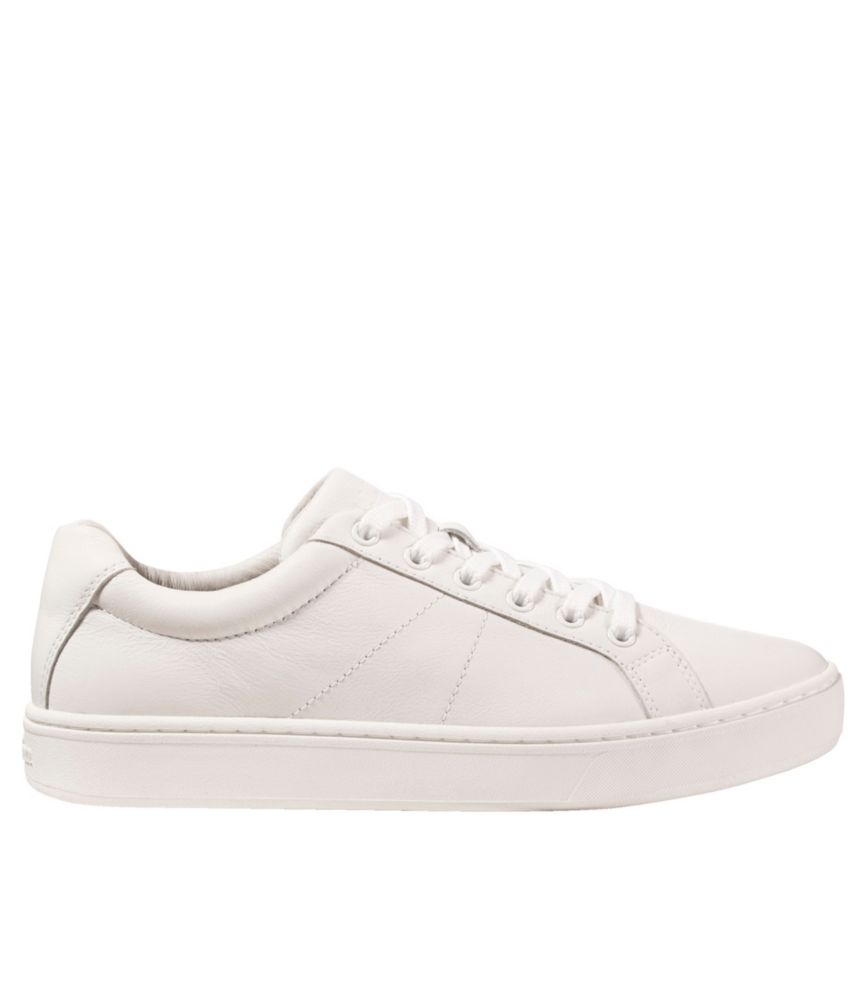
Men's Eco Bay Sneakers, Leather
L.L.Bean Men's Eco Bay Sneakers, Leather
A pair of white full-grain leather sneakers with recycled rubber outsoles and anti-odor treatment for comfort.
(0)
$110 $79.99
SALE
$110 $79.99
SALE
Men's 1985 Mountain Classic Sneakers
L.L.Bean Men's 1985 Mountain Classic Sneakers
A brown suede and nylon sneaker with water resistance, cushioned midsole, and grippy rubber outsole for outdoor comfort.
(0)
$110 $79.99
SALE
$110 $79.99
SALE
Women's Double L Sneakers, Lace Up
L.L.Bean Women's Double L Sneakers, Lace Up
A versatile faded black sneaker with a leather upper, rubber outsole, and cushioned insole for all-day comfort.
(0)
$99 $49.99
SALE
$99 $49.99
SALE
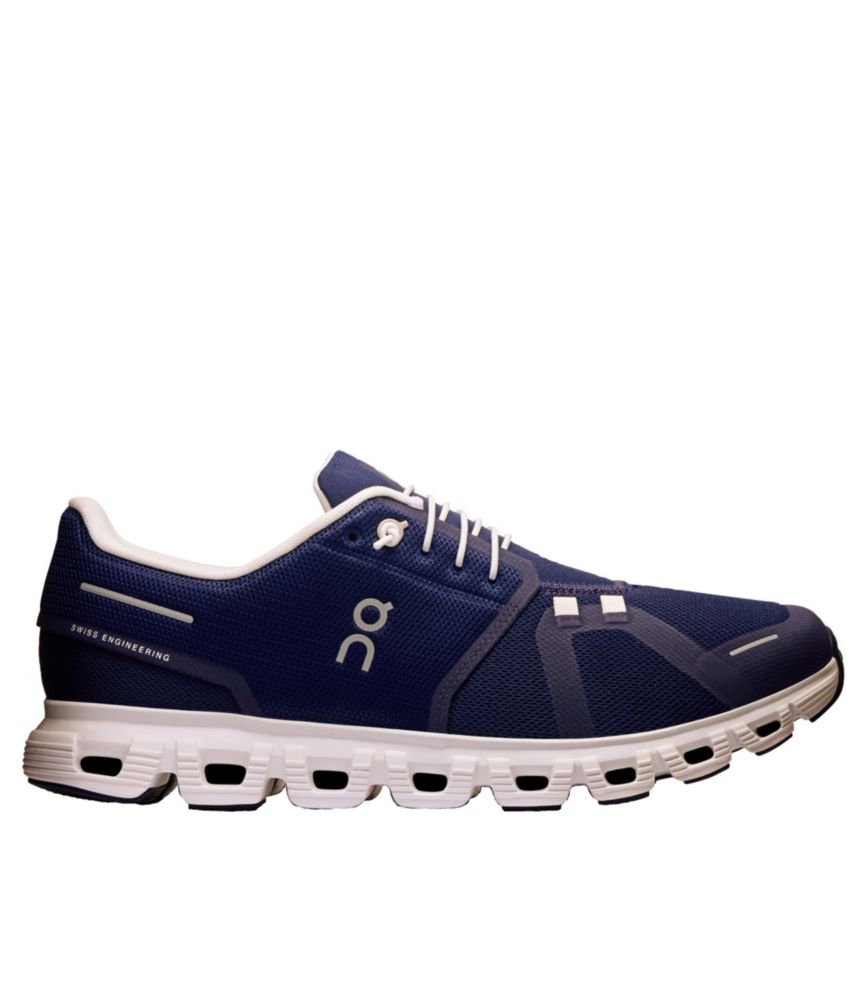
Men's On Cloud 6 Shoes
On Men's On Cloud 6 Shoes
A lightweight blue sneaker with a recycled mesh upper and cushioned Zero-Gravity foam midsole for comfort.
(0)
$150 $150
SALE
$150 $150
SALE
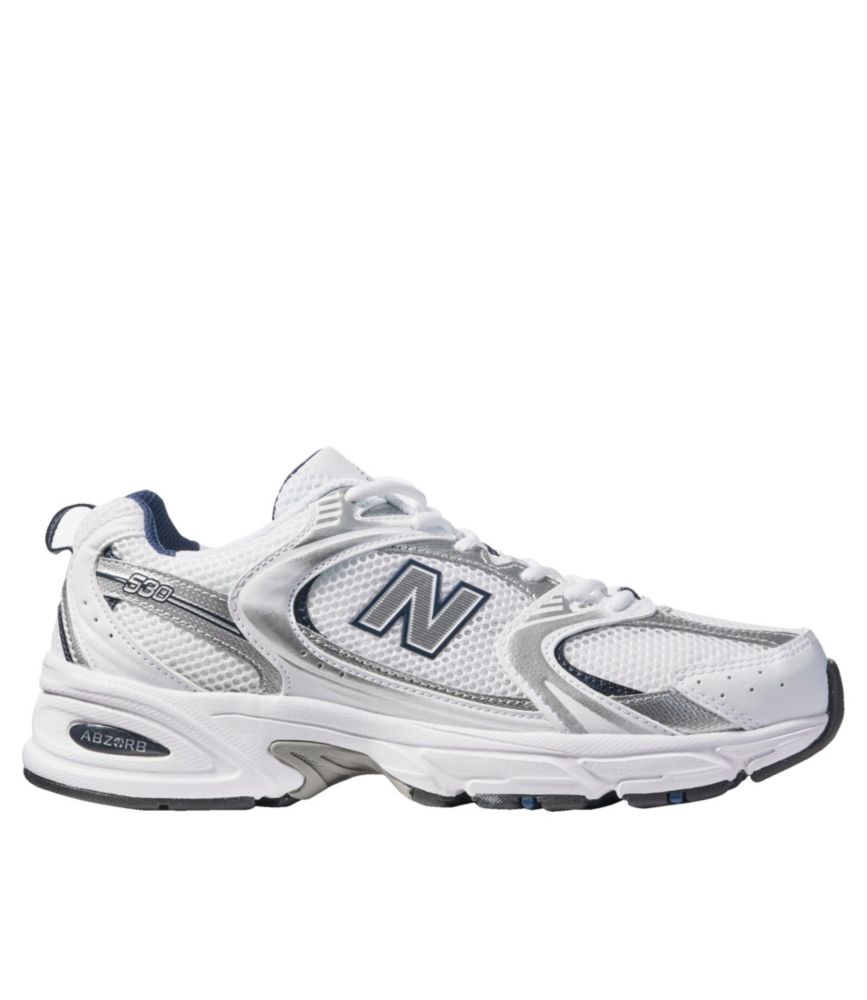
Adults' New Balance 530 Running Shoes
New Balance Adults' New Balance 530 Running Shoes
A white running shoe featuring a breathable mesh upper, synthetic overlays, and impact-absorbing ABZORB midsole.
(0)
$99.99 $99.99
SALE
$99.99 $99.99
SALE

Low Top Sneakers

Low-top sneakers are defined by a collar that sits below the ankle, creating an open, recognizable silhouette with a long-standing place in casual style. That lower profile is the common thread, but it leaves plenty of room for personal preference. The shape of the toe, the proportions of the sole and the arrangement of seams can give a sneaker a distinctly different look without changing its basic identity. A rounded shape can appear more relaxed, while a narrower outline creates a more understated impression. Simpler designs put the emphasis on shape; more visible detailing draws attention to the shoe itself. Those differences are worth considering alongside the clothes already in a wardrobe. Straight-leg jeans with a small cuff leave the outline of a low-top sneaker visible, while a longer hem frames the shoe differently. With wide-leg pants, more of the upper may be covered, making the toe and sole the most noticeable parts. Color relationships matter, too: a sneaker close in tone to the pants creates a quieter combination, while a contrasting shade makes the footwear stand out. Neither approach needs an entirely new outfit to work. Often, the most useful starting point is a familiar pair of pants and a clear sense of whether the shoes should blend in or become a focal point. Low-top sneakers offer a recognizable foundation for that choice, with a style that can feel personal rather than overly coordinated. Their appeal is less about following a particular look and more about finding proportions and details that feel right. A favorite silhouette, a preference for subtle accents or a liking for a more pronounced sole can all help narrow the choice without turning a straightforward wardrobe decision into a complicated one.

Fit deserves the same attention as appearance, especially when two pairs look similar in photographs. The low-top shape describes the height of the collar, not the width, interior dimensions or overall fit of the shoe. A familiar shoe size is a starting point rather than a complete description of how a pair will feel, so the sizing information attached to each selection is worth checking. Length and width are separate considerations, and the way the heel sits matters just as much as the space around the toes. When trying on sneakers, wearing the socks intended to go with them gives a more relevant impression than trying them with a different thickness. Both shoes deserve a try-on, with attention to any pressure across the forefoot, rubbing near the collar or movement at the heel. The outline of the shoe can help establish a style preference, but it cannot settle those fit questions on its own. Product descriptions, size charts and any stated fit notes provide a better basis for comparison than assuming every low-top sneaker follows the same pattern. The same distinction applies to intended use: a shared silhouette does not make every pair interchangeable, and the individual description is the place to confirm whether a selection matches the reason for buying it. For someone exploring a related category, lightweight casual sneakers offers another place to continue browsing. Keeping the desired fit and visual proportions in mind makes comparisons more meaningful across either category. A pair that looks appealing beside cropped pants may look quite different beneath a full-length hem, so considering the complete outfit can be helpful during a try-on. The goal is a choice that feels considered from both angles: how the sneaker fits the foot and how its shape fits a personal sense of style.

Materials, construction and care are best considered at the individual-pair level rather than inferred from the low-top name. Photographs show the overall design, but the accompanying details are where the composition and cleaning instructions belong. Reading those details before choosing helps set clear expectations about the upkeep involved. A care routine that suits one pair should not automatically be carried over to another simply because the shoes have a similar outline or color. Following the stated directions, including any restrictions on cleaning methods, is a more dependable approach than treating all sneakers alike. The appearance of seams, the junction between the upper and sole, and the finishing around the collar are useful details to examine in closer views, although photographs alone cannot establish how long a shoe will last. Durability should be weighed against the information provided for the particular pair, not assumed from a substantial-looking sole or a familiar design. This attention to detail also helps when choosing sneakers as a gift. Knowing the recipient’s usual size is useful, but knowing their preferred fit and the shapes they already enjoy wearing adds important context. Someone whose wardrobe centers on simple, understated pieces may appreciate a similarly restrained sneaker, while someone who likes a visible contrast may gravitate toward more prominent detailing. Noticing the proportions of a frequently worn pair can be more helpful than guessing from a general clothing preference. For a personal purchase, that same look at an existing wardrobe can clarify what is missing or what is worth replacing: a familiar outline, a different visual balance or a simpler design. There is no need to choose the most noticeable shoe to make a thoughtful addition. Low-top sneakers can be considered through a few clear priorities—shape, fit, individual product details and care expectations—while leaving room for the small preferences that make a pair feel like a natural part of getting dressed. A well-considered choice starts with those everyday details rather than a passing trend.
Read More

FAQs