It's time to upgrade your browser

Your current browser is no longer supported on llbean.com. Please upgrade to one of the following for a smoother, safer shopping experience with us:

Lightweight Hiking Shoes for Spring

Find lightweight hiking shoes for spring outings on the trail. Browse the selection and compare each pair’s fit, sizing and listed features to choose shoes that suit your feet and the hikes you have planned.
Read More
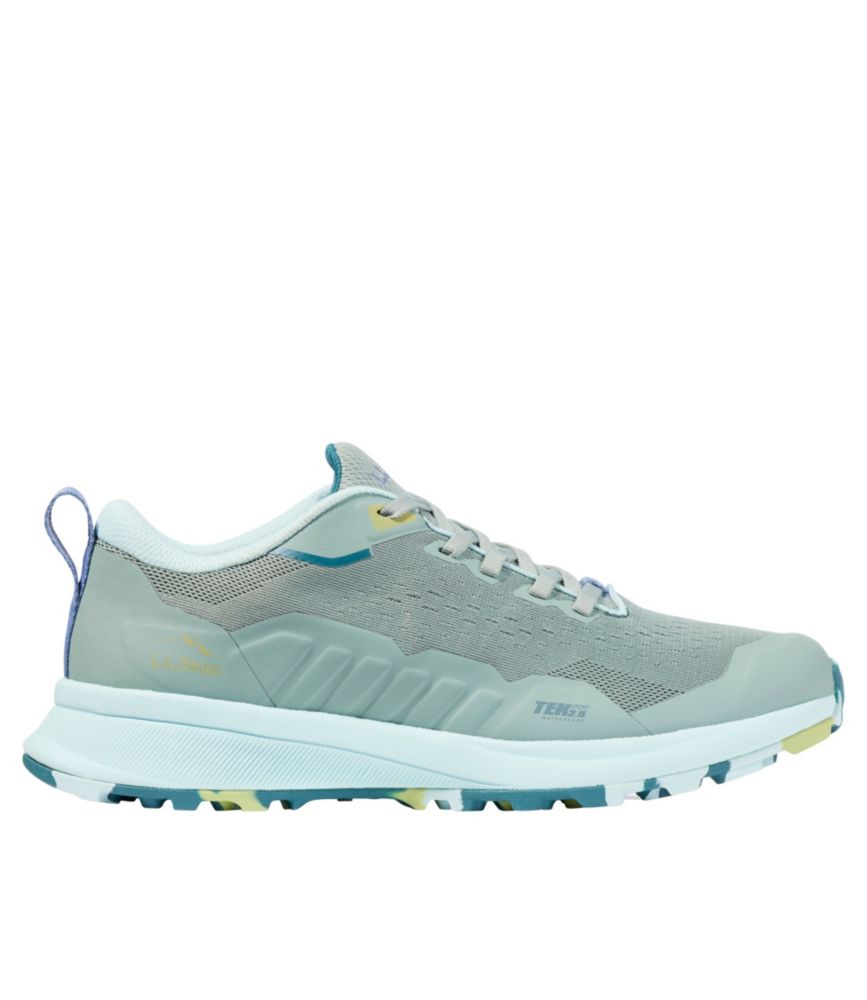
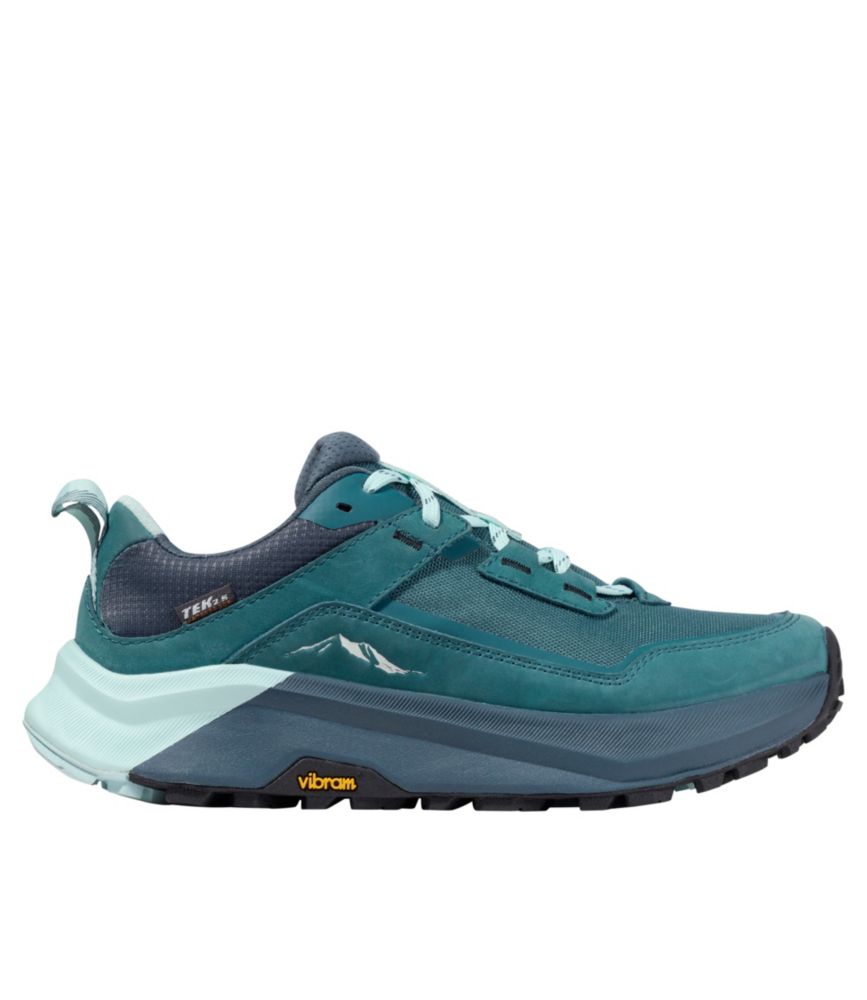
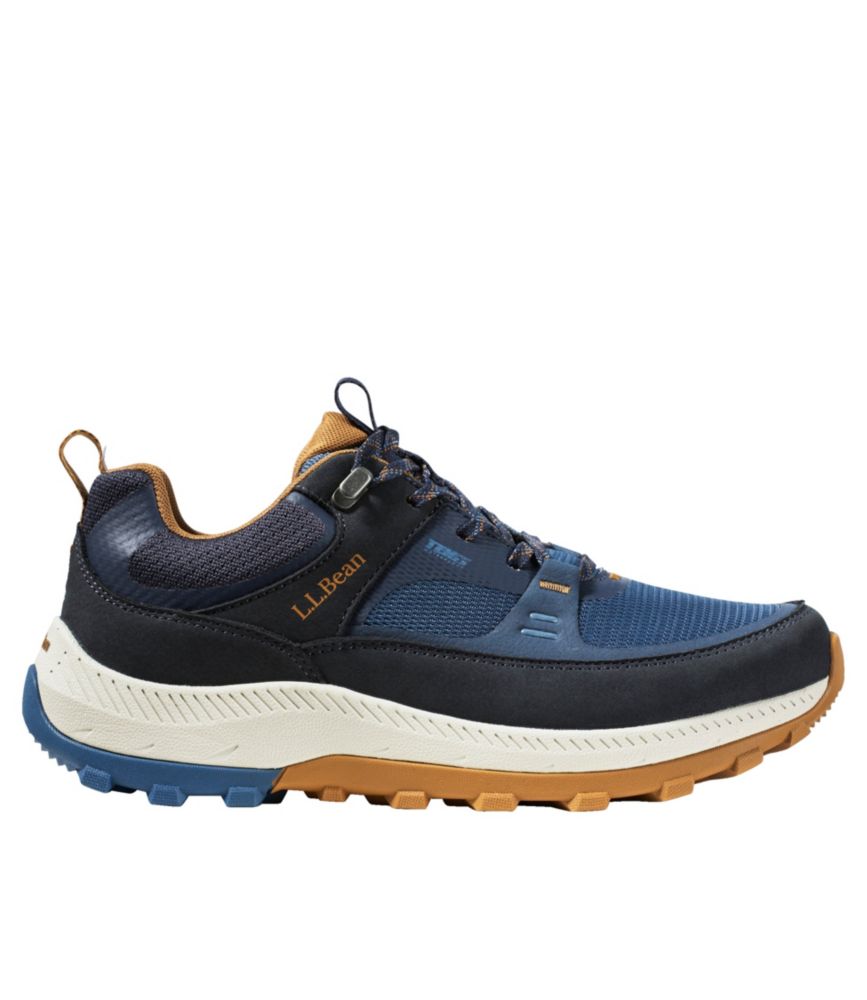
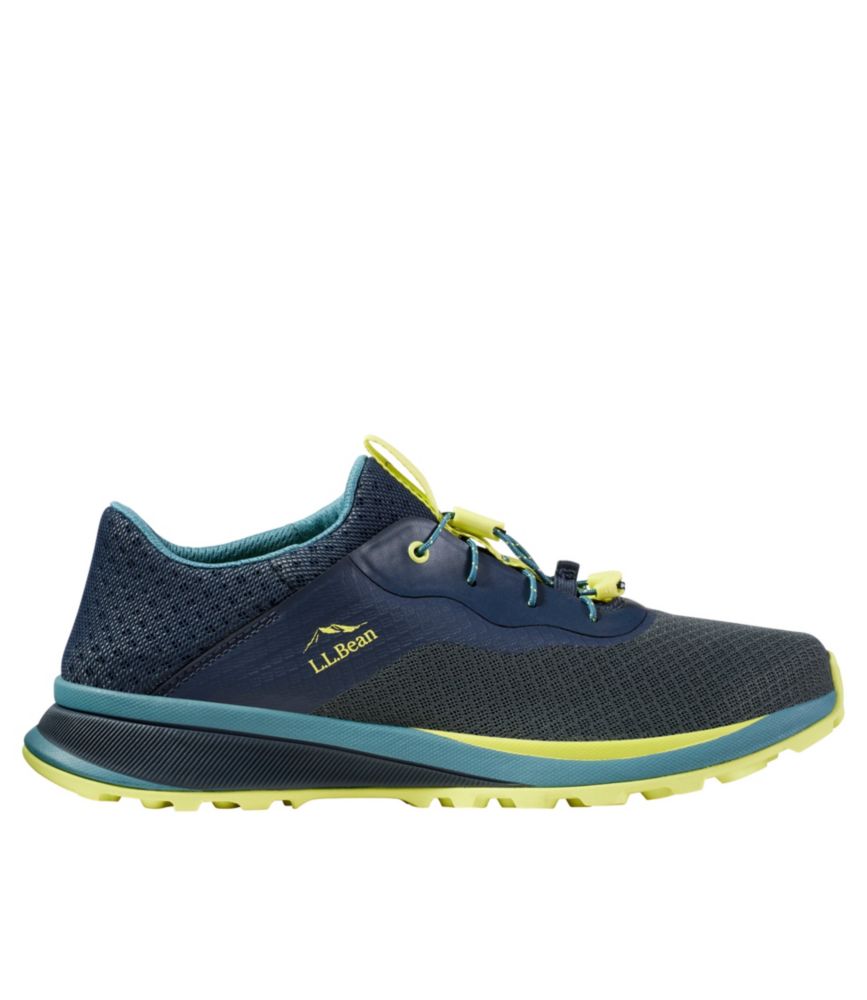
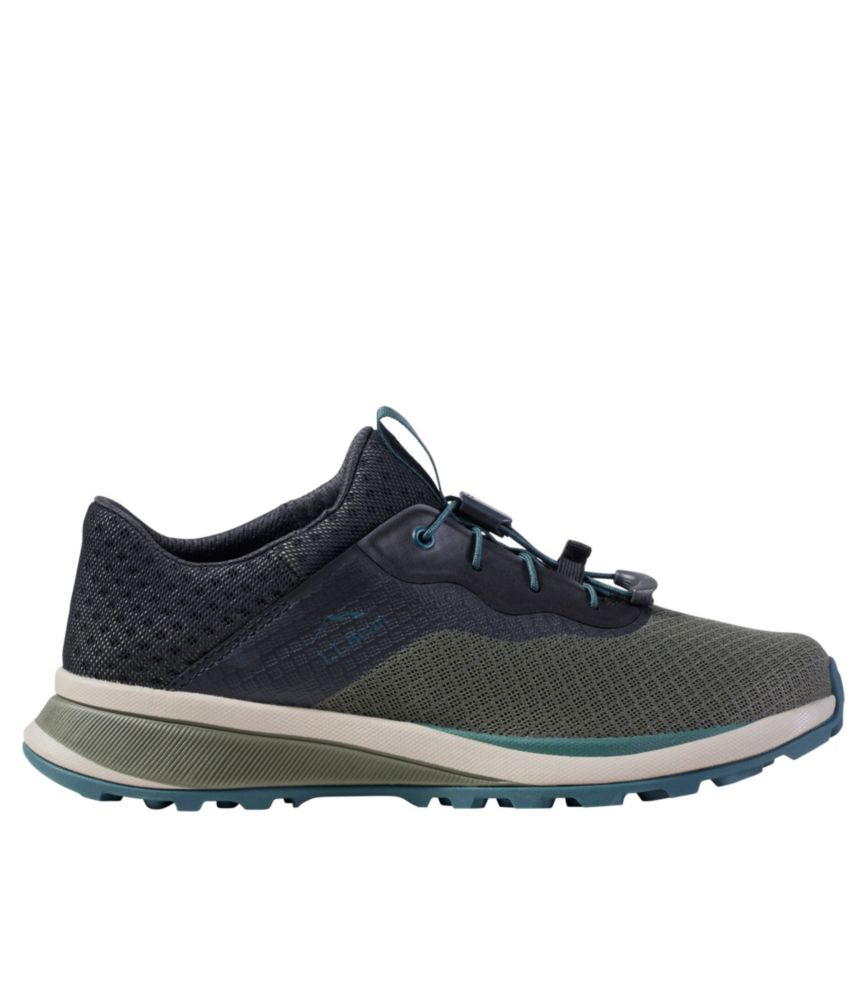
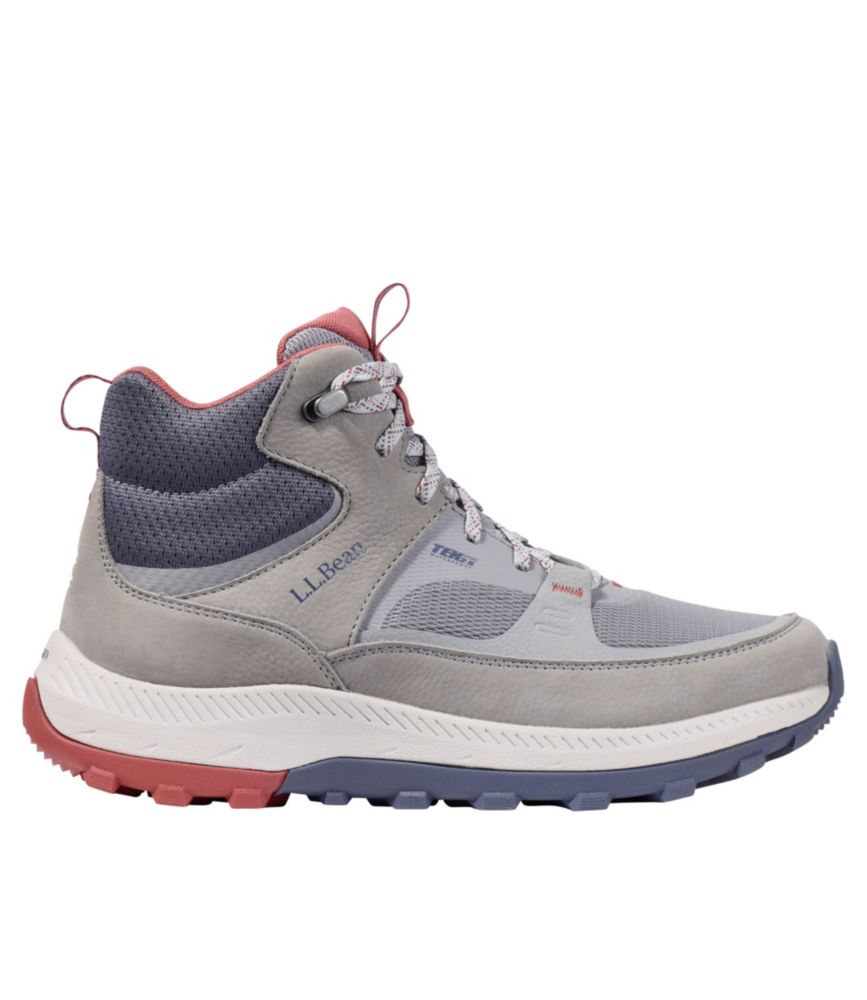
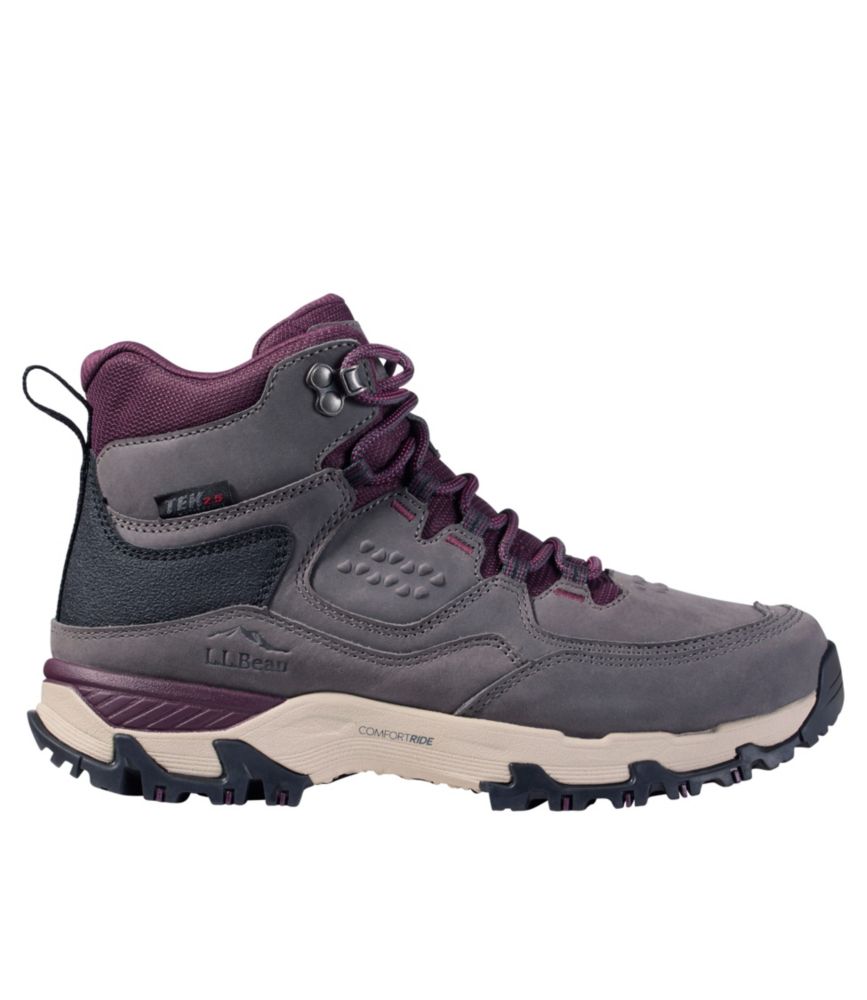
Women's NextVenture Hiking Shoes, Waterproof
L.L.Bean Women's NextVenture Hiking Shoes, Waterproof
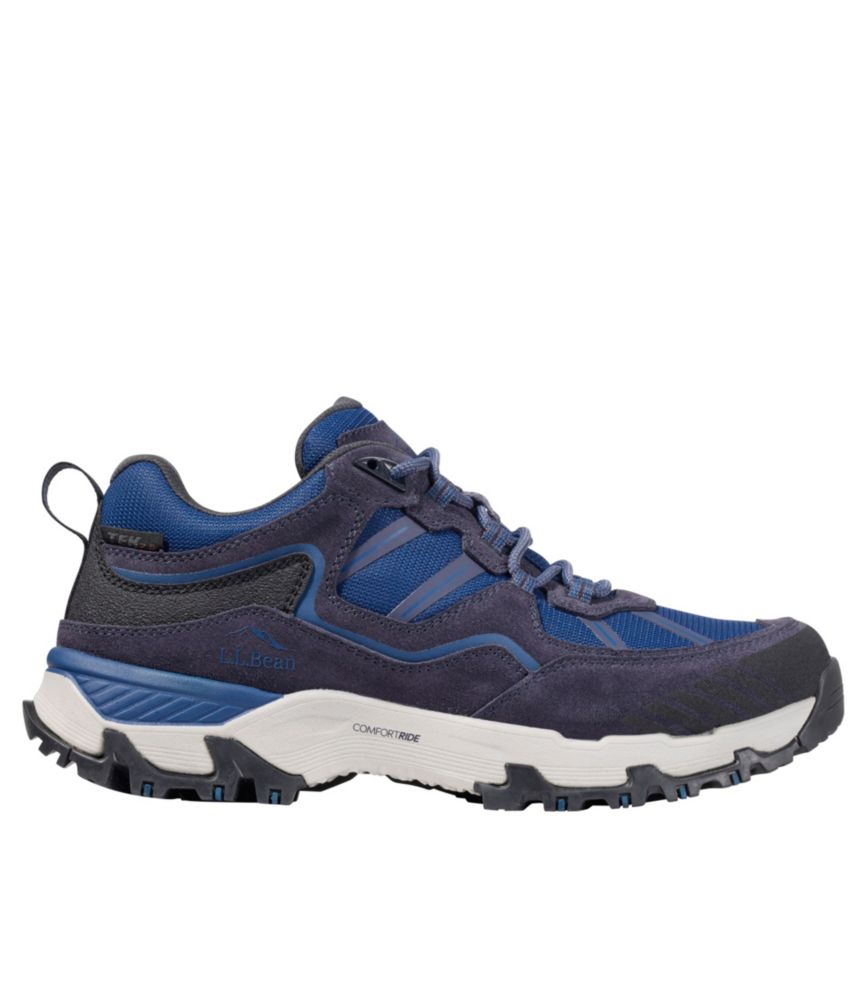
A waterproof blue hiking shoe with mesh, rubber, and leather for comfort, traction, and durability.
(0)
$150 $150
SALE
$150 $150
SALE
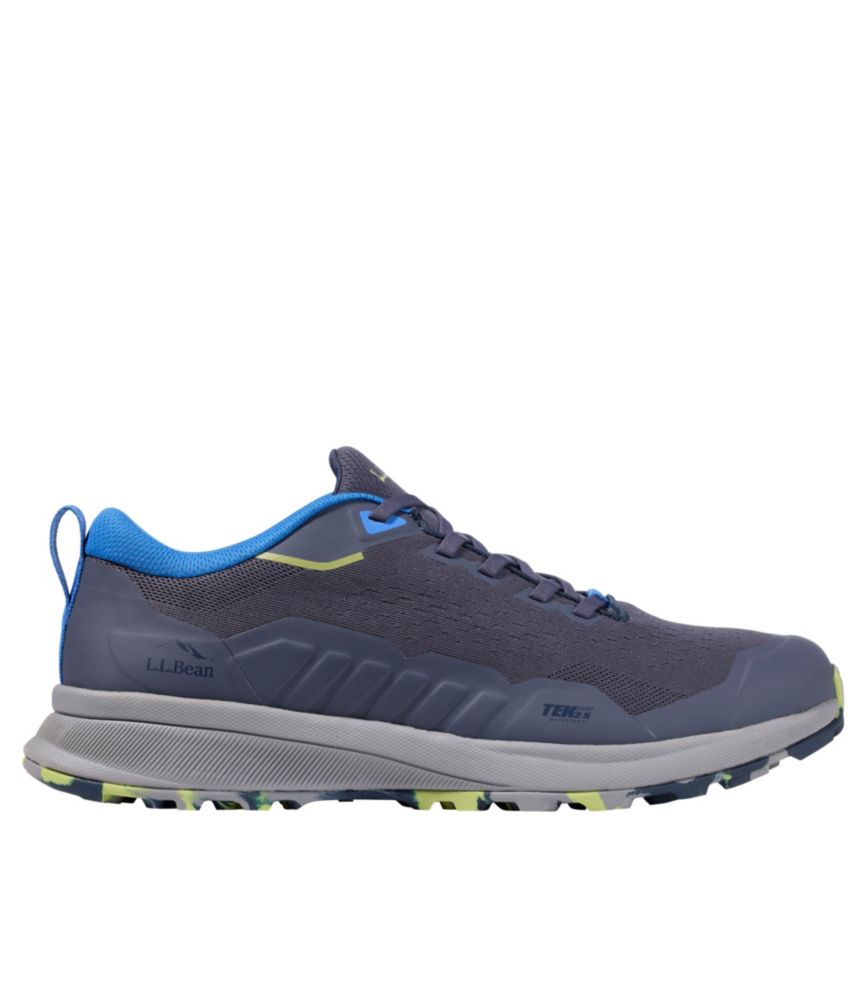
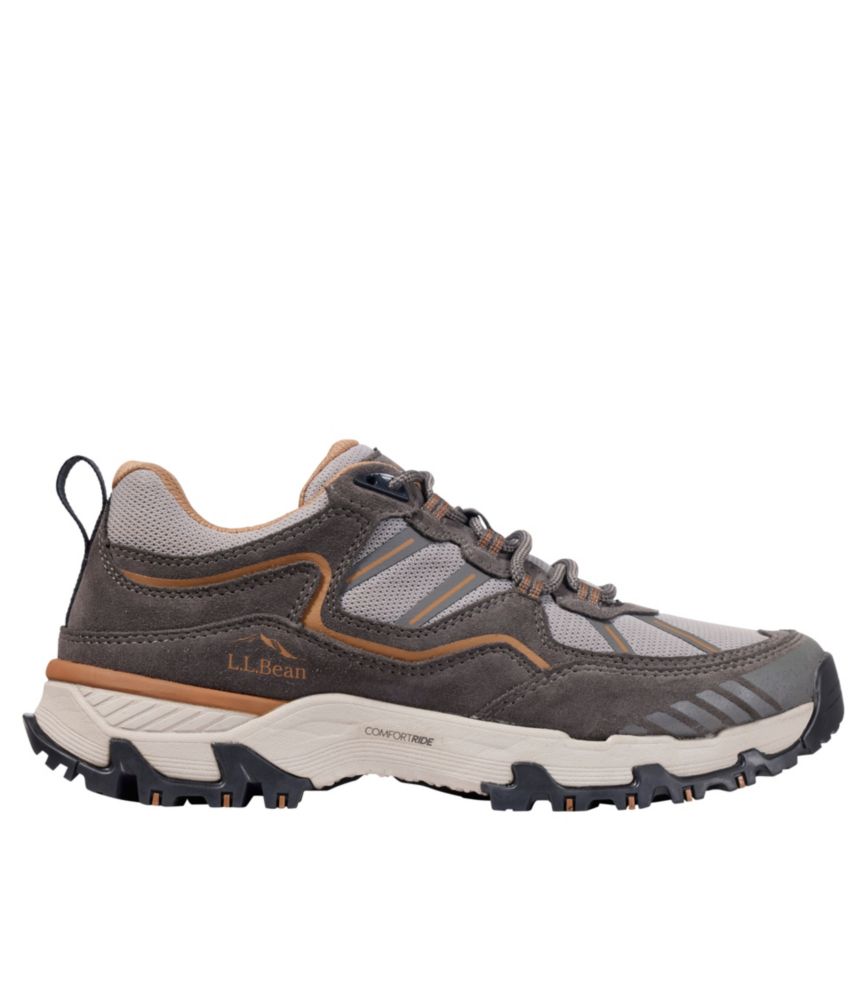
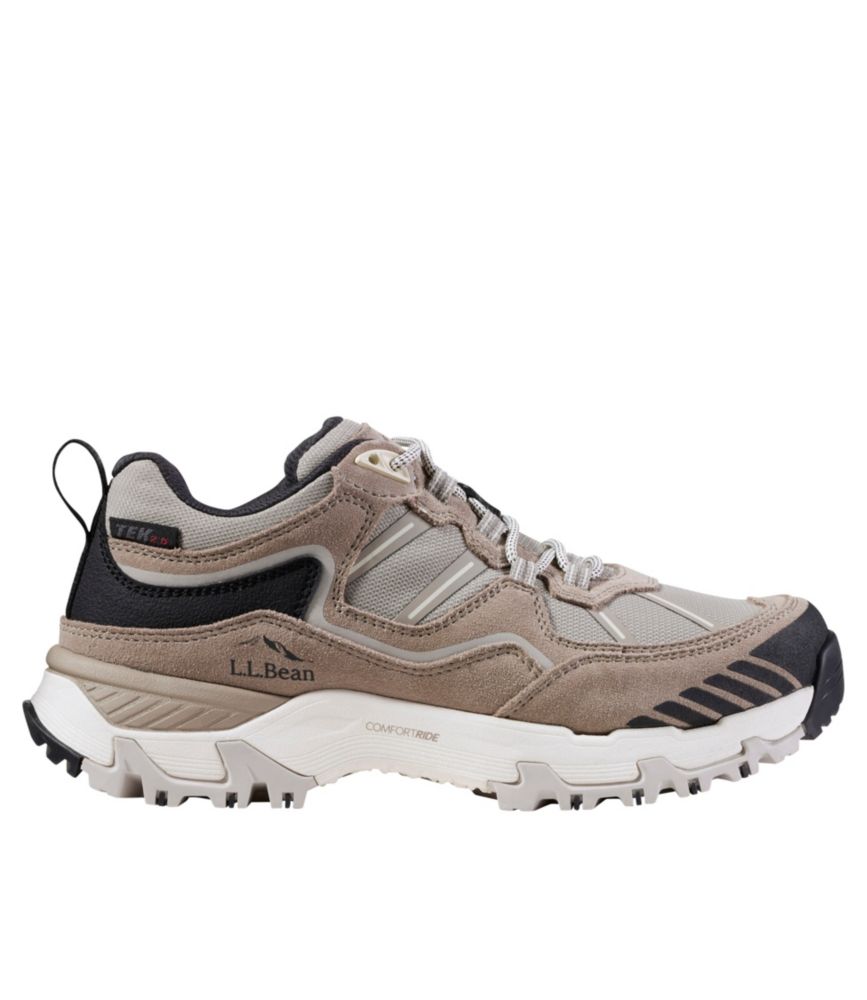
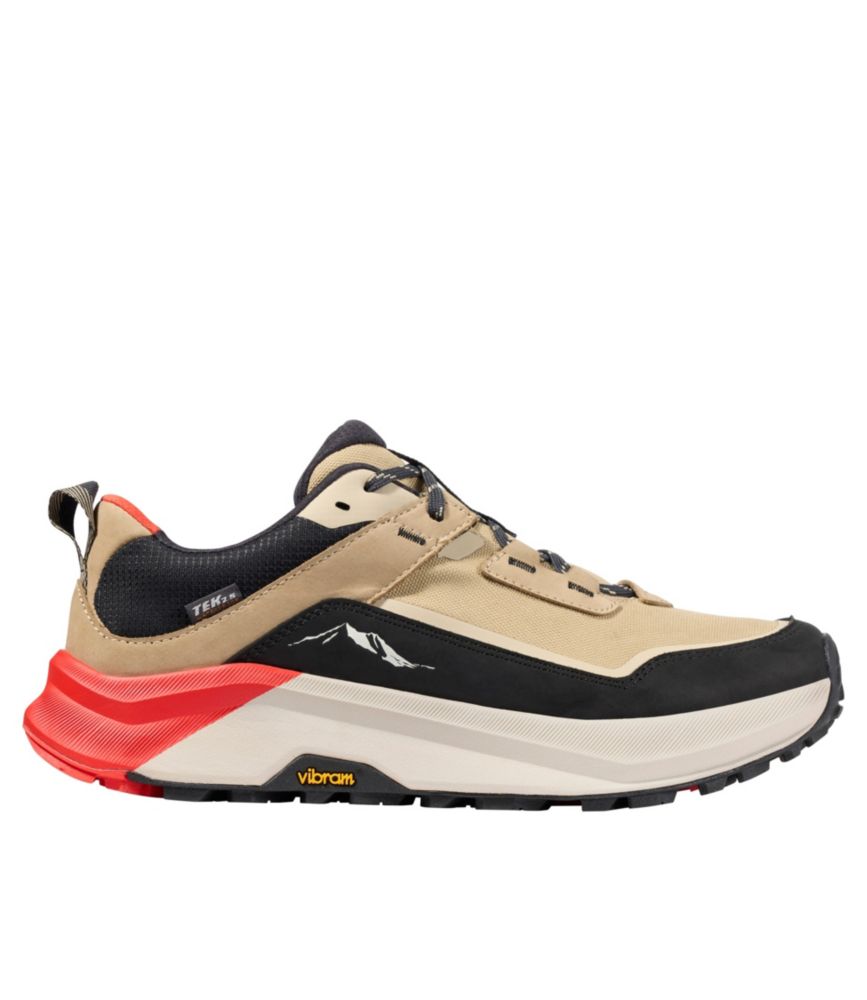
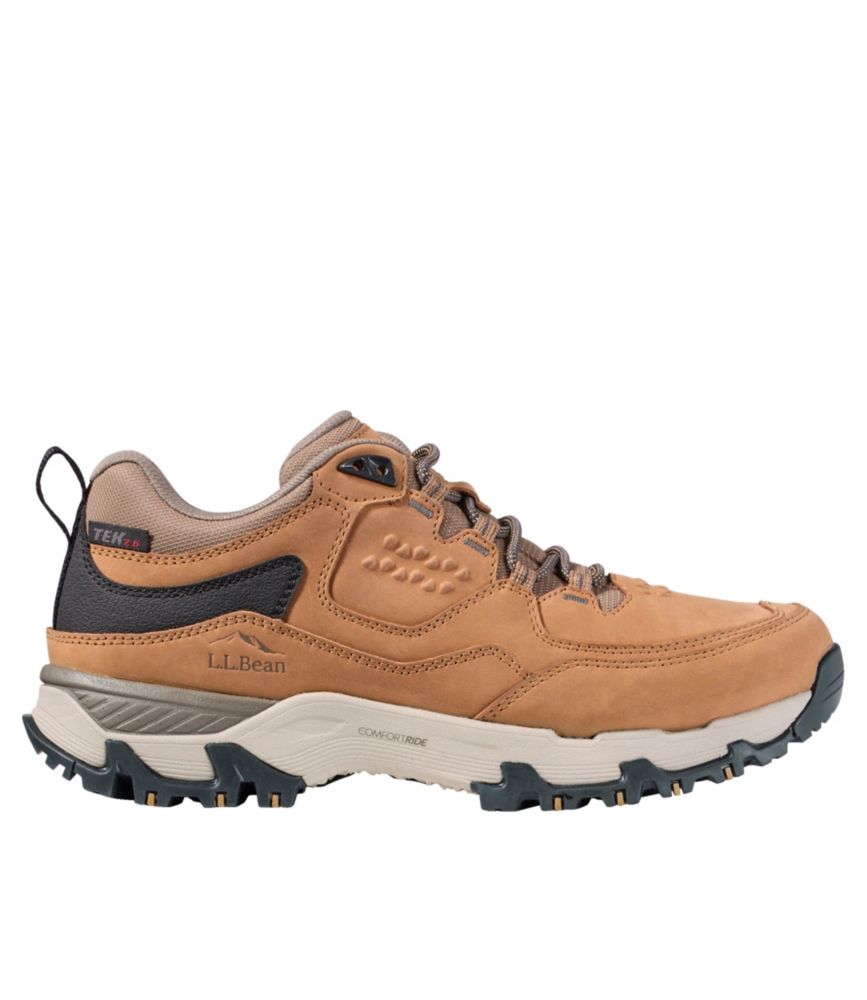
Men's NextVenture Hiking Shoes, Waterproof
L.L.Bean Men's NextVenture Hiking Shoes, Waterproof
A tan waterproof hiking shoe with leather and rubber materials, cushioned EVA midsole, and Vibram outsole.
(0)
$150 $150
SALE
$150 $150
SALE
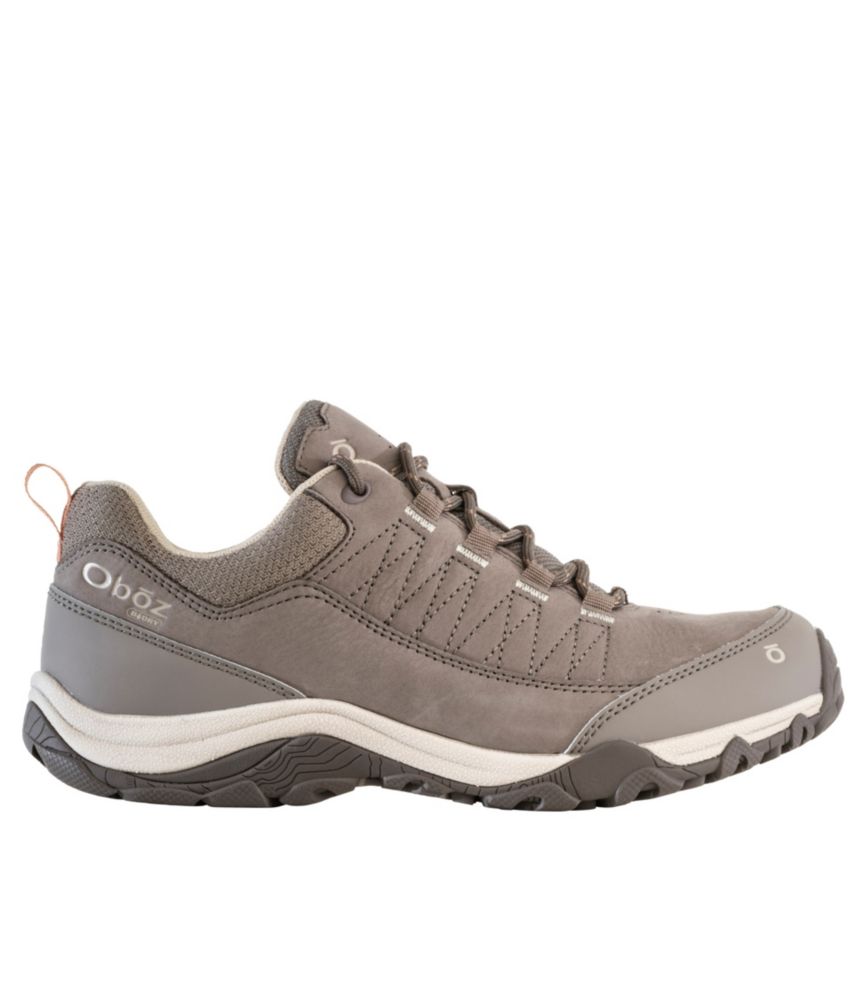
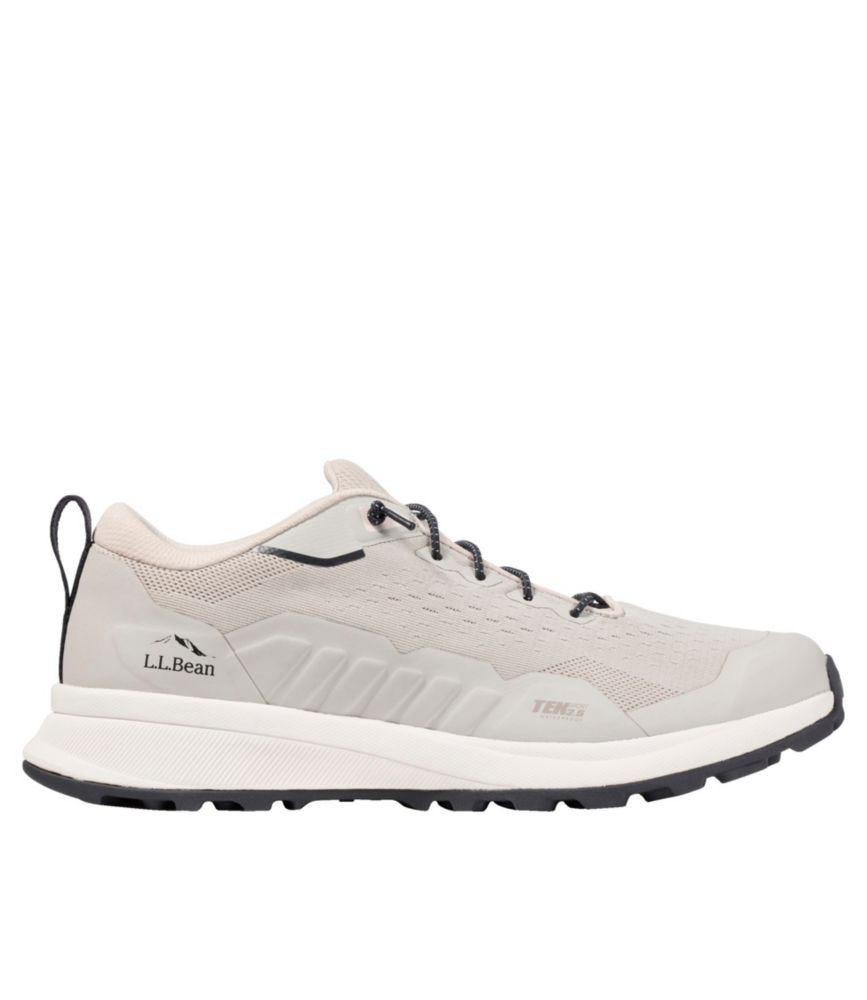
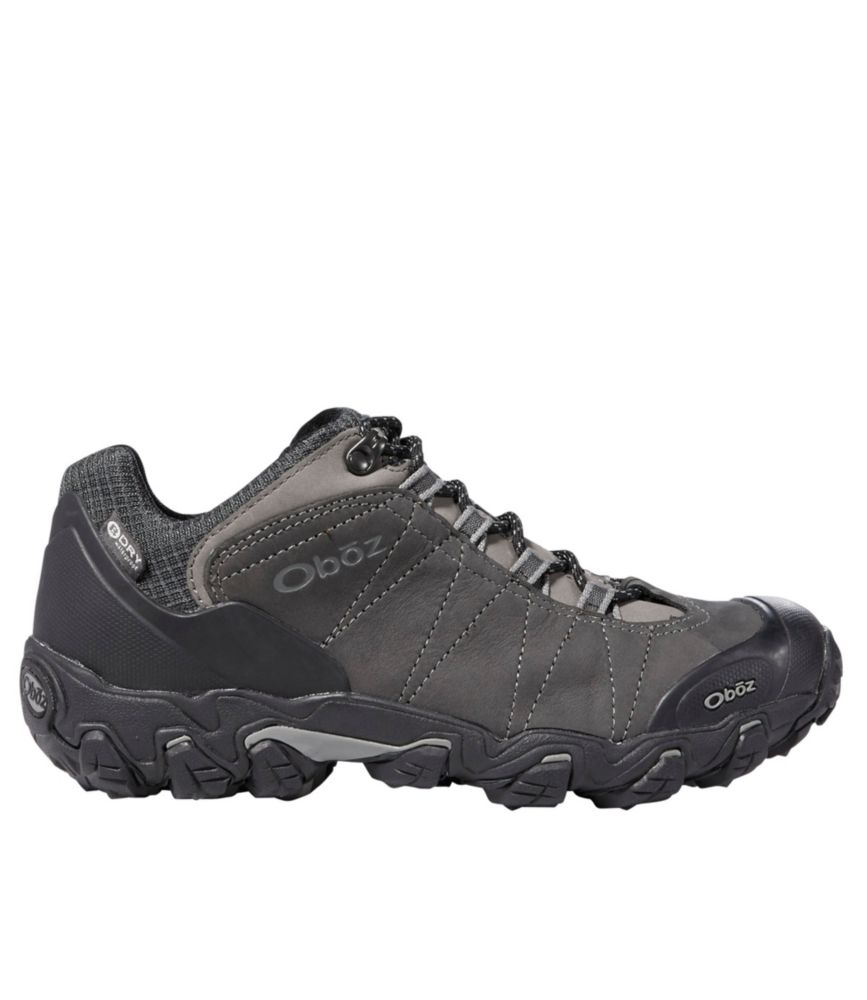
Women's Oboz Ousel B-Dry Hiking Shoes
Oboz Women's Oboz Ousel B-Dry Hiking Shoes
A waterproof hiking shoe with a leather upper, REPREVE® laces, and Trail Tread™ high-traction outsole.
(0)
$145 $145
SALE
$145 $145
SALE
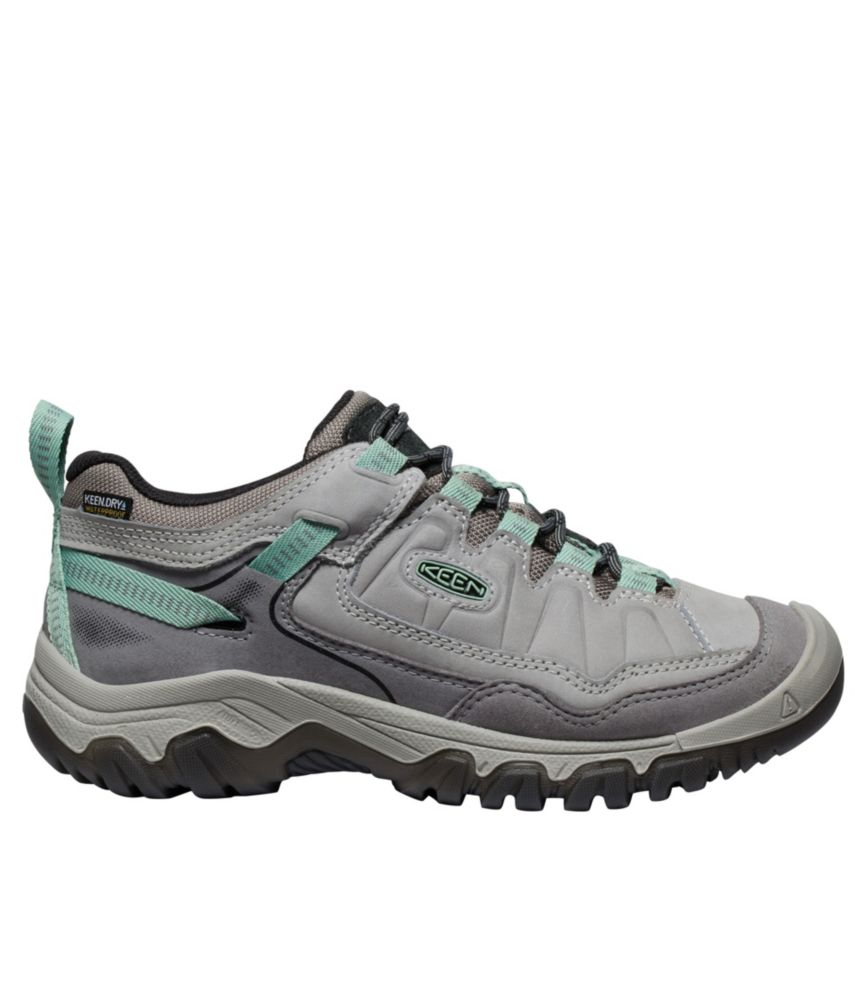
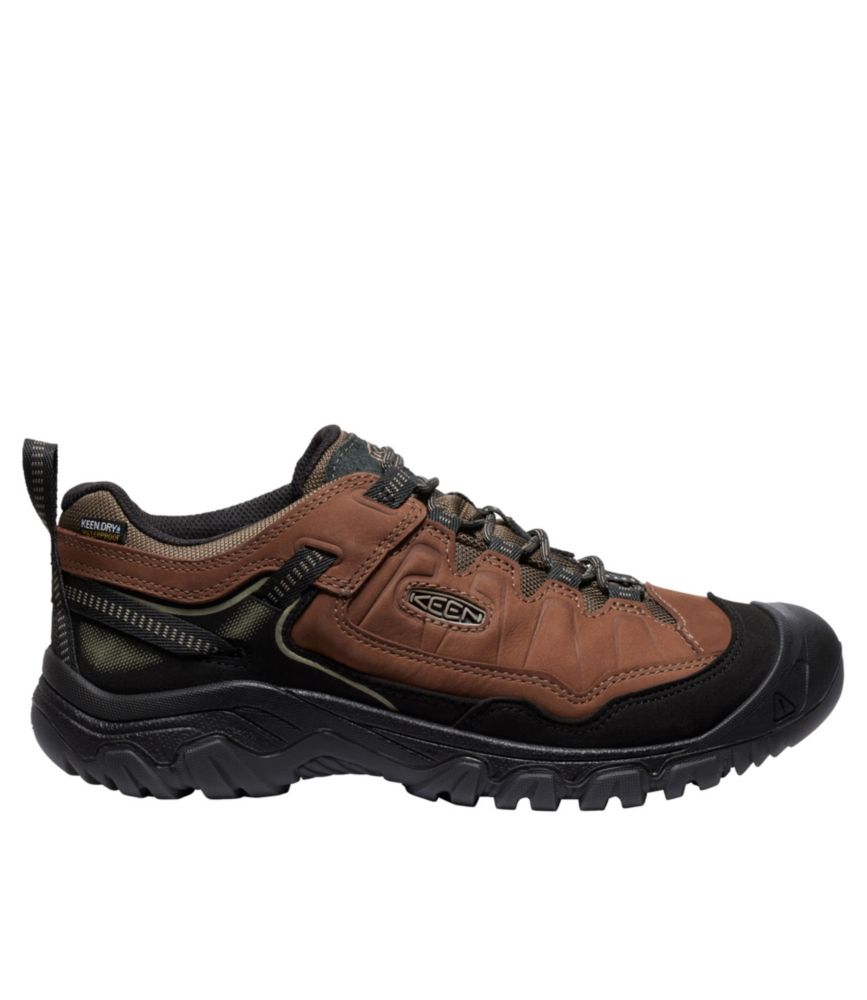
Men's Keen Targhee IV Waterproof Hiking Shoes
Keen Men's Keen Targhee IV Waterproof Hiking Shoes
A waterproof leather hiking shoe offering stability, support, and comfort with eco-friendly features and durable traction.
(0)
$170 $170
SALE
$170 $170
SALE
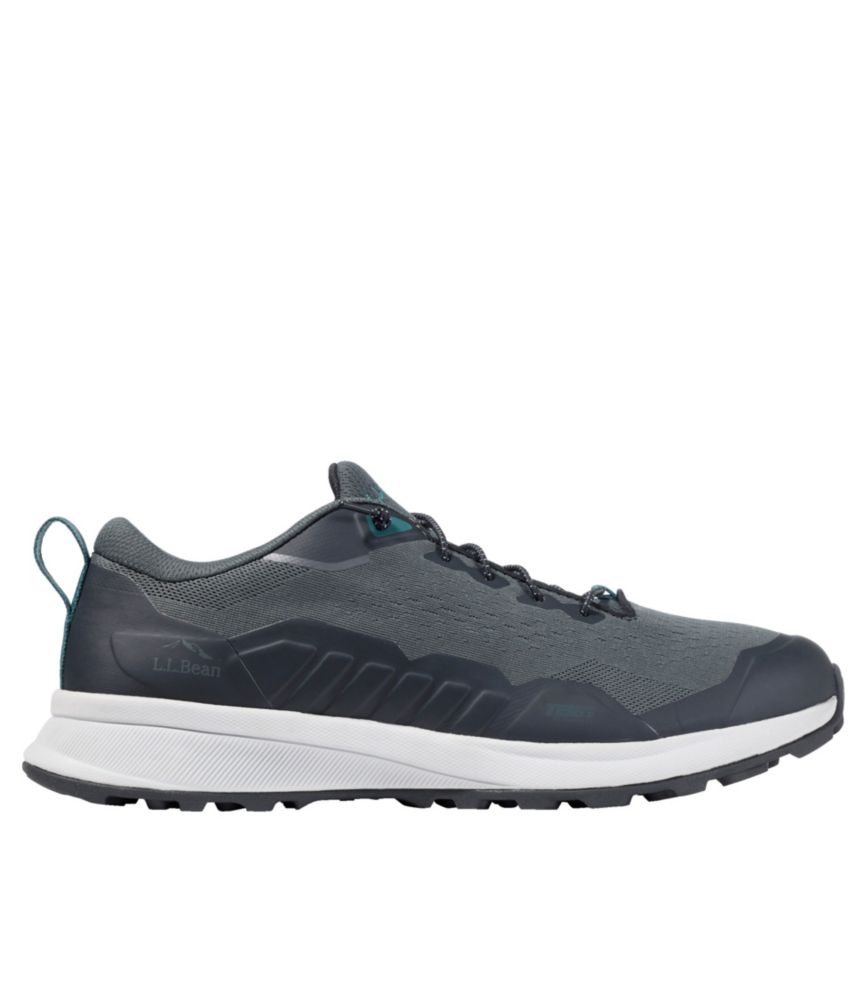
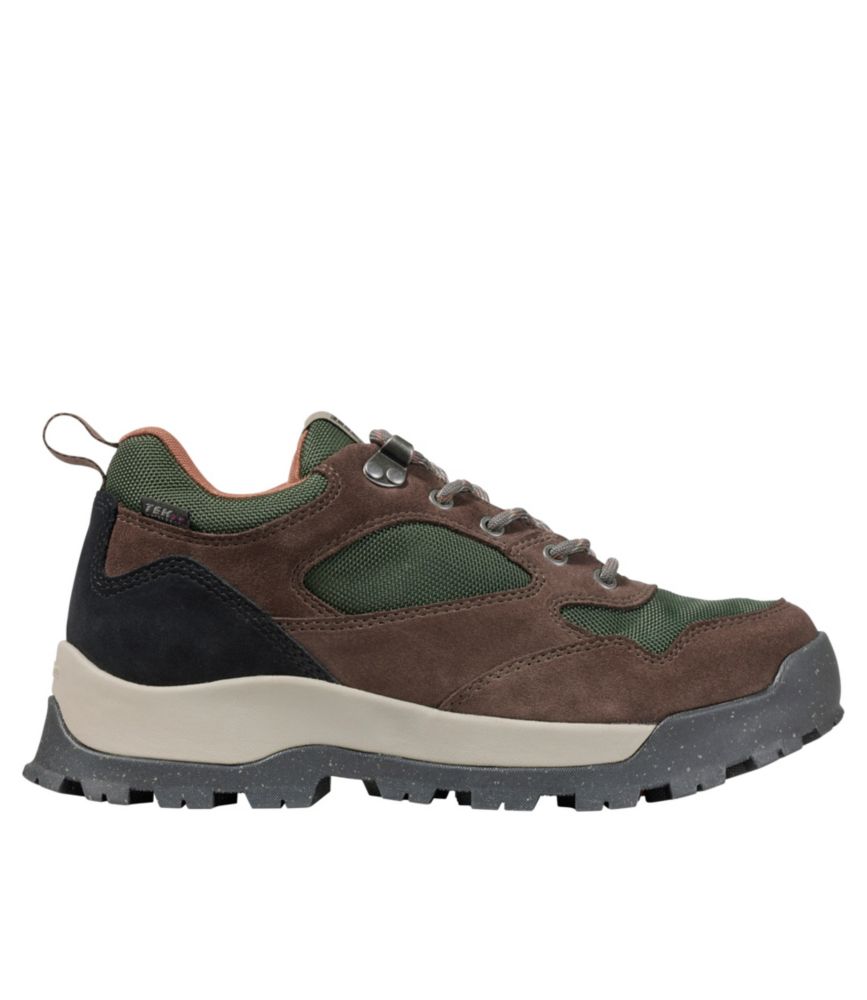
Men's Heritage Hiking Shoes, Waterproof
L.L.Bean Men's Heritage Hiking Shoes, Waterproof
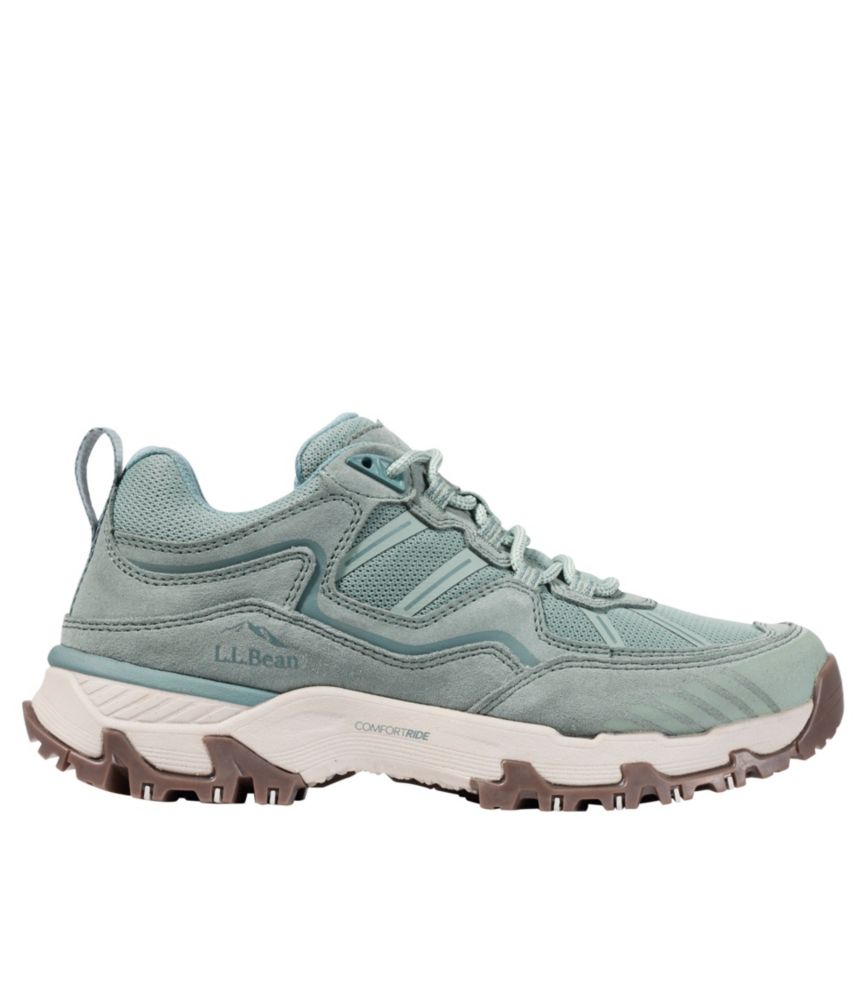
A waterproof gray hiking shoe with suede-and-nylon upper, grippy rubber outsole, and recycled mesh lining.
(0)
$140 $99.99
SALE
$140 $99.99
SALE

Lightweight Hiking Shoes for Spring

Lightweight hiking shoes for spring bring together a clear purpose and a useful starting point for choosing footwear: hiking shoes with an emphasis on lighter weight. The setting might be a familiar woodland path, a loop that passes an old stone wall, or a trail shared with family and friends as the landscape begins to change. Whatever the destination, choosing a pair starts with the relationship between the shoes, the person wearing them, and the hike ahead. Lightweight is a helpful category description, but it does not explain every difference between two pairs. Listed weight, sizing information, shape, construction details, and care requirements all contribute to a more complete comparison. When weight measurements are provided, check whether they refer to one shoe or a pair and whether a reference size is included; numbers are most useful when they describe the same thing. The lightest choice on paper is not automatically the right choice for every foot or every trail. A shopper returning to a favorite hiking route may have different preferences from someone choosing footwear for their first few outings, and even regular hiking companions can want very different fits. Personal style has a place in that decision, too. A simple profile or a preferred color can help narrow the selection, while the practical details deserve the final say. Spring provides the theme without requiring a fixed date on the calendar: these are shoes to consider when planning spring hikes, whether that planning happens well ahead of the season or closer to a first outing. The appeal is in looking forward to time outside, from noticing new leaves along a familiar bend to meeting friends at a trailhead. Within this collection, lightweight hiking shoes offer a focused place to begin that search, with individual descriptions providing the information needed to move from a broad preference to a considered choice.

Fit is one of the most personal parts of comparing hiking footwear, and a familiar size is a starting point rather than the whole answer. The space around the toes, the way the heel sits, and the feel across the top of the foot each deserve attention. Two people wearing the same size may have different foot shapes, while two shoe designs with the same size label may feel different to the same person. Any listed width choices and style-specific sizing notes can help clarify those differences. When trying on a pair, wear the socks intended for hiking and include any inserts normally worn, following the shoe’s fitting recommendations. Take time to assess both feet rather than judging the fit from a brief try-on of just one shoe. Toes should not feel crowded, and pressure from the upper or laces is worth noticing before committing to a pair. A heel that moves more than expected is another reason to reconsider the size or shape rather than assuming that tighter laces will resolve everything. These small observations become easier to understand in a concrete setting: stepping onto an incline, walking down a slope, or pausing while the rest of the group catches up. The purpose is not to predict every moment of a hike, but to make the initial fit assessment more thoughtful. Someone who already has a favorite pair can use that experience as a reference, noting what feels right and what could be different. Someone new to hiking can start with the same straightforward questions about space, pressure, and overall feel, without needing specialized vocabulary. For another view of the category, Spring Hiking Trail Shoes provides a related place to continue browsing. Keeping fit preferences consistent across comparisons makes the selection process more useful than relying on appearance or a size label alone.

Materials, care, and durability also belong in a considered footwear decision, but they are details to evaluate for each pair rather than assume across an entire collection. A lightweight designation describes weight; it does not establish what a shoe is made from, how it should be cleaned, or which conditions its construction addresses. Individual material descriptions and intended-use notes are the right places to look for that information. Where those details are supplied, read them together: the upper, lining, sole, and fastening design form one shoe, not a set of unrelated specifications. Care instructions matter just as much, especially for anyone who wants a clear understanding of the upkeep before choosing. Check the recommended cleaning method, drying directions, and any restrictions on cleaning products or machine washing. A little attention after an outing also creates an opportunity to notice dirt caught around seams, worn laces, or changes in the sole. No single weight figure can establish how long footwear will last; frequency of wear, trail conditions, fit, and care all belong in that longer-term picture. Intended use deserves the same individual attention. A brief hike on a maintained path and a longer route with sustained climbs are different plans, so the description for each pair should align with the hiking someone actually expects to do. Conditions can differ between an open stretch of trail and a shaded section, even within the same outing, making the route itself a useful part of the shopping context. For a gift, lightweight hiking shoes are a personal choice best informed by the recipient’s size, width preferences, and hiking habits. A partner who knows the exact shape someone prefers has a different starting point from a relative choosing their first footwear gift. In either case, the thoughtful gesture is recognizing the person’s interest in being outside without guessing at important fit details. A well-considered selection brings those details together—weight, fit, materials, care, and stated purpose—so that spring hiking plans can begin with footwear chosen for the individual, not simply for the category name.
Read More

FAQs