It's time to upgrade your browser

Your current browser is no longer supported on llbean.com. Please upgrade to one of the following for a smoother, safer shopping experience with us:

Infant Carrier Backpacks

Explore infant carrier backpacks and compare options with your family’s needs in mind. Check each carrier’s stated age, weight and developmental requirements, along with its fit and adjustment details, before making your choice.
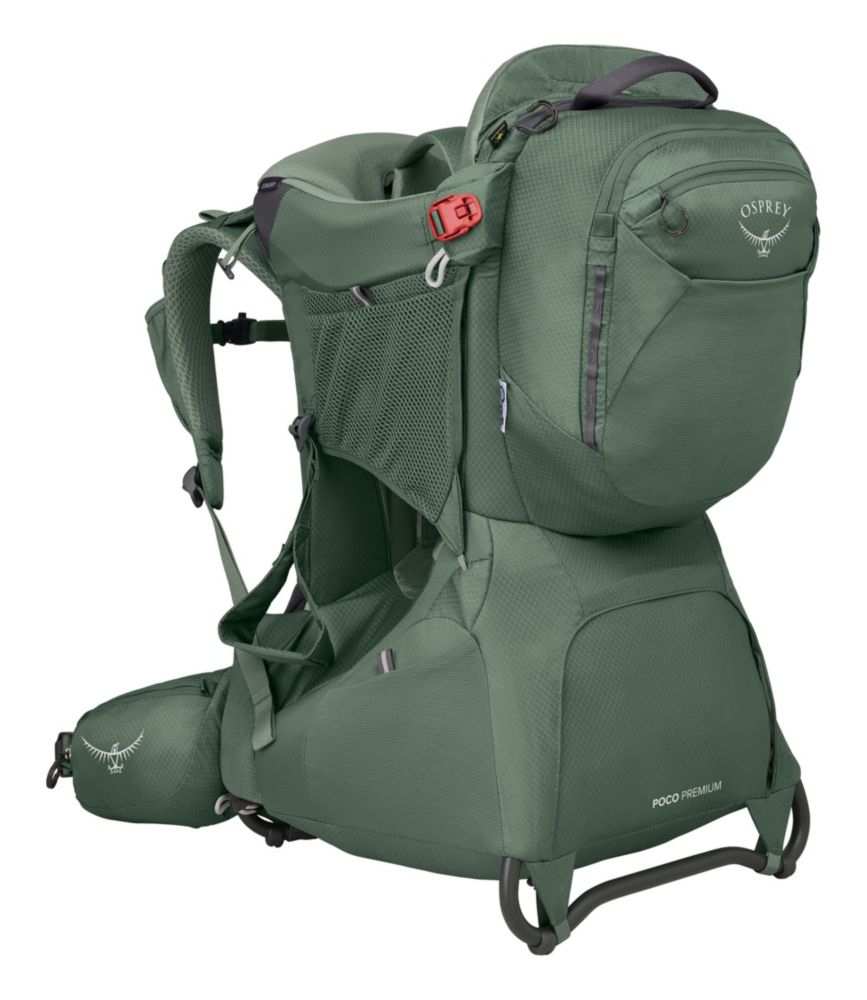
Osprey Poco Premium Child Carrier Backpack
Osprey Osprey Poco Premium Child Carrier Backpack
A green nylon-and-aluminum child carrier with ventilated suspension, padded cockpit, UPF 50+ sunshade, and foldable frame.
(0)
$450 $450
SALE
$450 $450
SALE
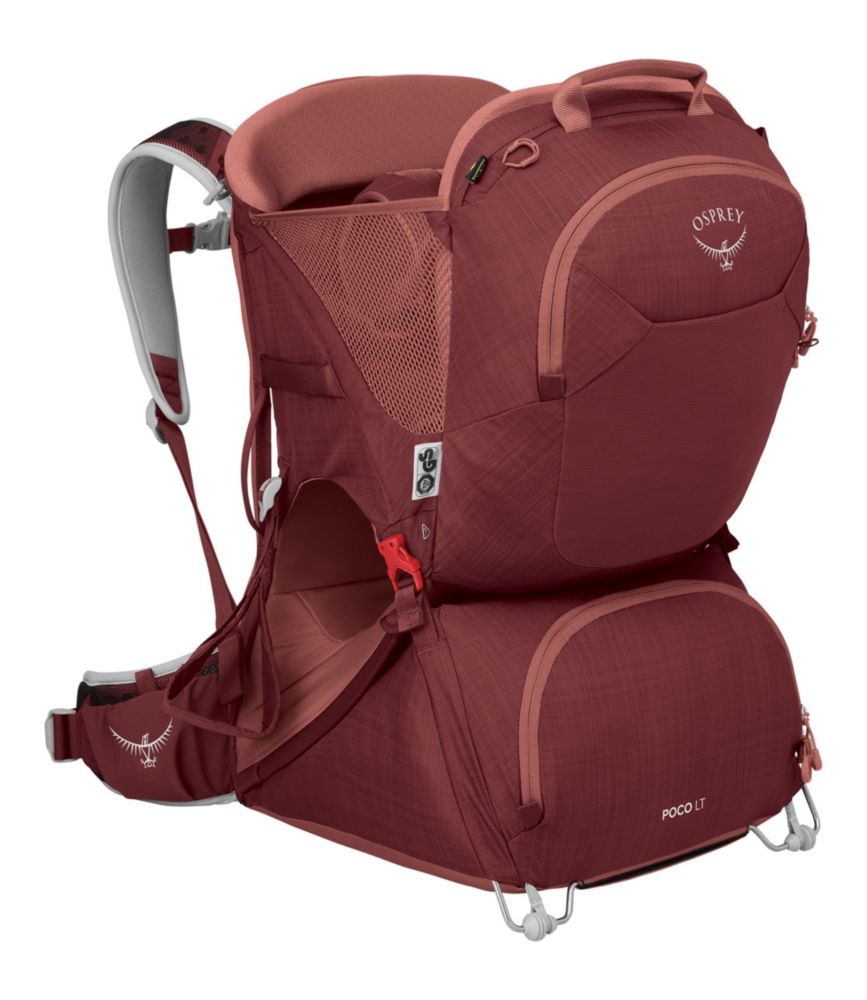
Osprey Poco LT Child Carrier Backpack
Osprey Osprey Poco LT Child Carrier Backpack
A lightweight red nylon-and-stainless-steel child carrier with folding frame, UPF 50 sunshade and adjustable secure harness.
(0)
$340 $340
SALE
$340 $340
SALE
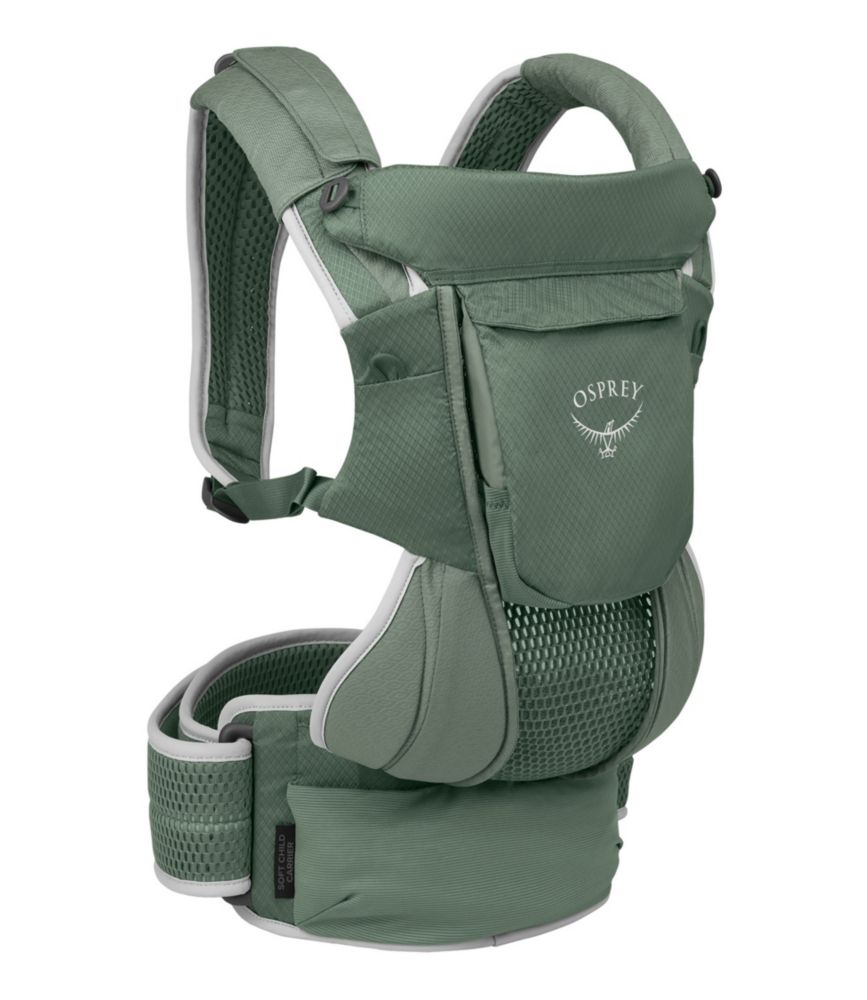
Osprey Poco Soft Child Carrier
Osprey Osprey Poco Soft Child Carrier
A green child carrier made with recycled polyester mesh, offering breathable comfort and three carry positions.
(0)
$160 $160
SALE
$160 $160
SALE
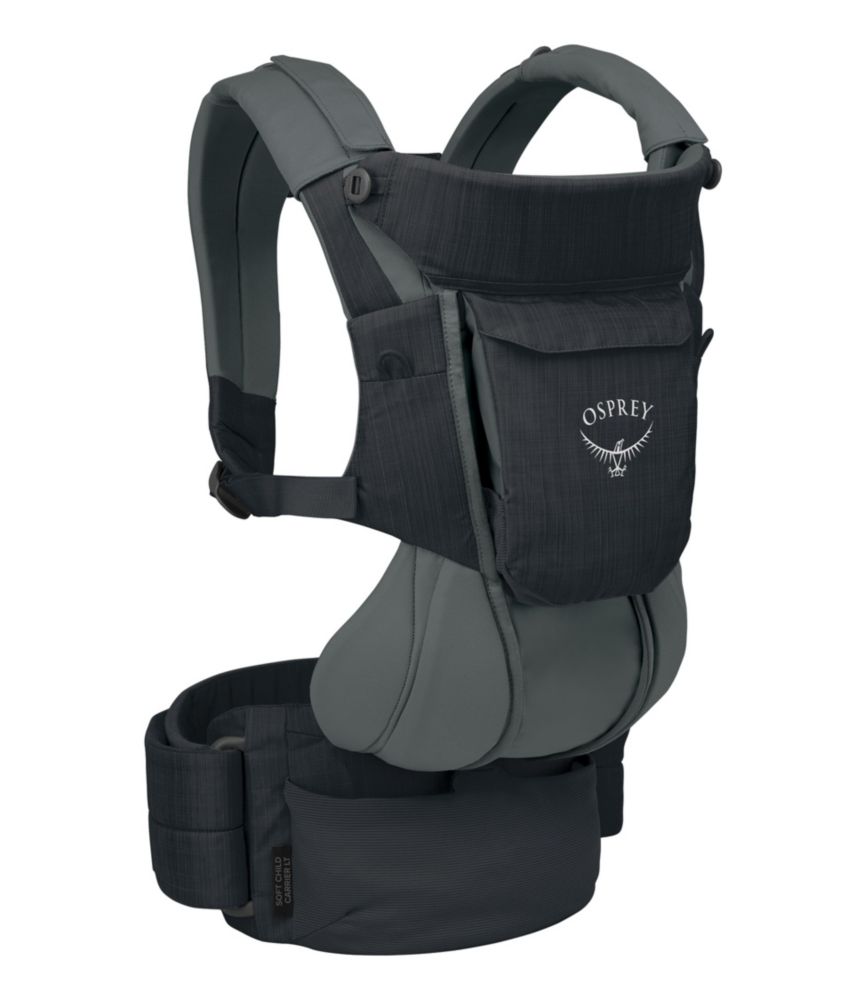
Osprey Poco Soft Child Carrier LT
Osprey Osprey Poco Soft Child Carrier LT
A lightweight black child carrier made from recycled nylon, with three carry positions and breathable mesh.
(0)
$135 $135
SALE
$135 $135
SALE
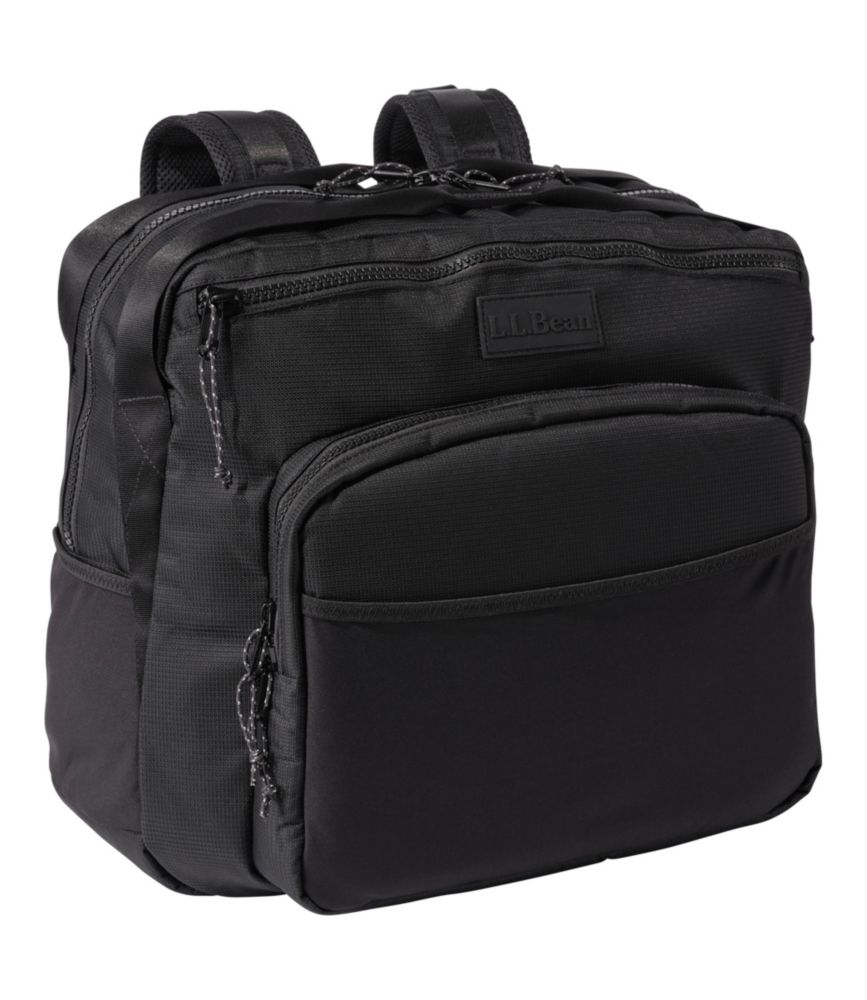
L.L.Bean Diaper Bag Backpack
L.L.Bean L.L.Bean Diaper Bag Backpack
A black, water-resistant nylon backpack with stroller straps, changing pad, insulated bottle pocket, and laptop sleeve.
(0)
$120 $120
SALE
$120 $120
SALE

Infant Carrier Backpacks

Infant carrier backpacks are a considered purchase for families, with important details that go well beyond appearance. A category name alone does not establish whether a carrier is appropriate for an infant. That information must come from the manufacturer’s stated requirements for the individual carrier, including any age, weight, height and developmental restrictions. These details deserve attention before comparisons of style or personal preference. The word “infant” should never take the place of explicit manufacturer guidance, and photographs are not a substitute for the written requirements. For parents and caregivers, a useful product description makes those requirements easy to distinguish from other measurements and specifications. A carrier’s own weight, for example, is different from a stated limit, and dimensions do not establish which children may use it. Where more than one limit is listed, each should be read in its original context rather than treated as interchangeable. Meeting one measurement does not replace the remaining requirements. This makes clear, complete product information especially valuable when comparing options that look similar in a small photograph. The differences that matter may be in the accompanying documentation rather than in the overall shape or color. A family comparing several carriers can keep the original specifications together so that details remain attached to the correct design. Descriptions from another model, a familiar-looking carrier or an older version should not fill gaps in the information provided. If the stated requirements leave anything unclear, clarification from the manufacturer is preferable to an assumption. A thoughtful selection begins with that distinction: the collection provides a place to browse, while the individual carrier’s documentation provides the information needed to evaluate it.

Fit, materials and care are also matters for individual comparison, not qualities that can be assumed from the backpack category. Adult fit information deserves its own attention alongside the manufacturer’s requirements for the child. In a household where more than one adult expects to use a carrier, each person has a separate set of measurements and fit considerations. A photograph of one person wearing a carrier cannot establish how it will fit someone else, and a general size description may not answer every practical question. Any stated sizing range, adjustment information and fitting directions should be considered together, without assuming that every design has the same features. Material descriptions are most helpful when they identify the actual construction rather than rely on broad impressions. A familiar appearance does not establish a fabric’s composition, how it should be cleaned or what treatment it can tolerate. Care directions belong to the particular carrier and, where specified, its individual components. A household’s preference for a certain cleaning routine does not mean that routine is appropriate for every design. Terms such as washable should be read with the complete instructions, including any limitations, rather than interpreted as permission for any washing method. Durability deserves the same careful approach: neither a substantial appearance nor a particular material name establishes how long a carrier will remain suitable for use. Manufacturer instructions concerning inspection, maintenance, storage and replacement provide more useful context than an assumed lifespan. For families weighing their choices, these details help make the comparison concrete. The relevant distinction is not simply which carrier looks appealing, but which has clearly documented requirements and care directions that the adults involved understand. Intended use must likewise come from the individual description; backpack styling alone does not establish approval for a particular activity. Keeping these considerations separate makes it easier to compare the information actually provided, without turning a visual impression into a promise about fit, performance or use.

For a parent, relative or friend considering an infant carrier backpack as a gift, involving the intended recipient can be more useful than trying to make every decision a surprise. Personal preferences matter, but they sit alongside requirements that cannot be guessed from a child’s age or from what another family owns. A recipient may already have questions about adult sizing, manufacturer restrictions or the care involved, and those questions belong in the selection process. A shared review of the original product information gives the gift a more thoughtful foundation than a recommendation based only on appearance. It also leaves room for the recipient to decide whether a carrier is a purchase they want to consider at all. The related Hiking Carriers collection provides another category to explore, with each carrier’s individual requirements still governing any comparison. Similar names across categories do not make their contents interchangeable, and an activity named in one collection should not be assumed to apply to another. For anyone making the final choice, keeping the exact model information and manufacturer documentation together helps preserve the context behind the purchase. Written instructions are more dependable than a remembered explanation, especially when several adults are involved in reviewing the same carrier. They also keep care information, stated limits and intended-use details connected to the correct design instead of blending them with information encountered elsewhere. The appeal of shopping for a growing family is often personal: choosing something with care, listening to the recipient and taking time over details that might otherwise be overlooked. That attention is particularly important here. A well-considered comparison respects both the family’s preferences and the limits of what a category description can establish. Clear specifications, explicit manufacturer requirements and complete care information give parents and caregivers a sounder basis for evaluating their options than broad promises or assumptions.

FAQs