It's time to upgrade your browser

Your current browser is no longer supported on llbean.com. Please upgrade to one of the following for a smoother, safer shopping experience with us:

Baby Carriers

Browse our selection of baby carriers with your family’s needs in mind. Compare each carrier’s product details, and check the manufacturer’s age and weight requirements, fit guidance and care instructions to help narrow your choices.
Read More
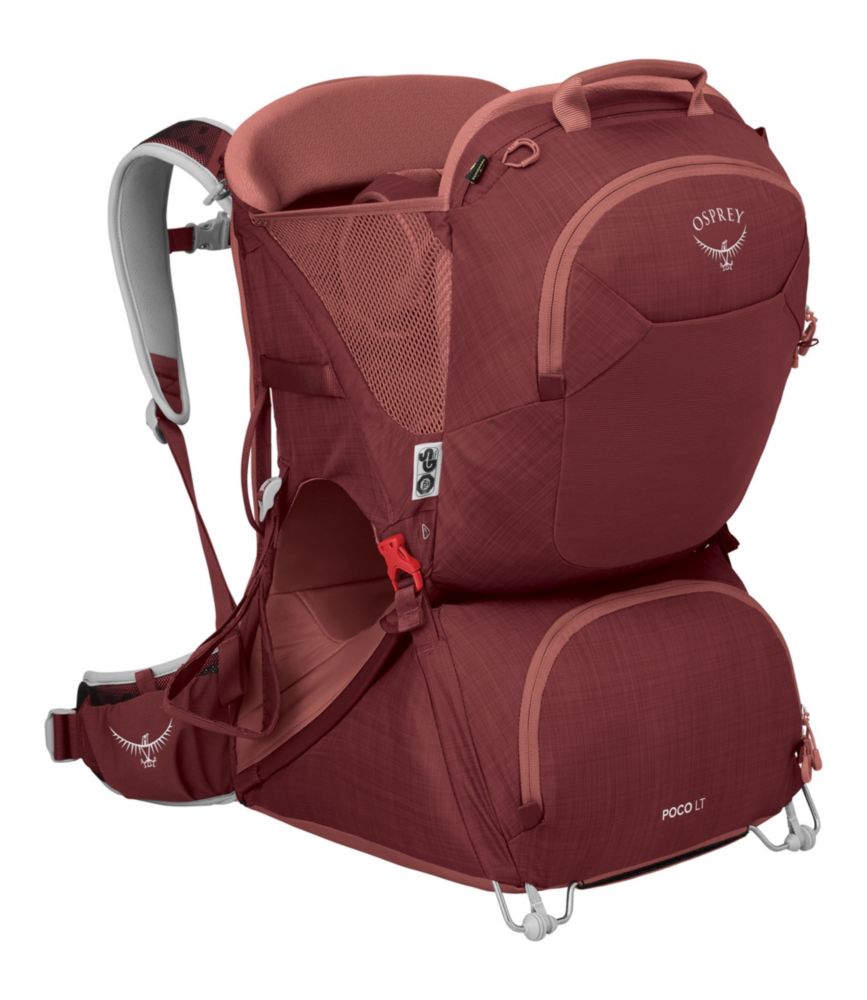
Osprey Poco LT Child Carrier Backpack
Osprey Osprey Poco LT Child Carrier Backpack
A compact, lightweight child carrier with a durable nylon shell, stainless steel frame, and UPF 50 sun shade.
(0)
$340 $340
SALE
$340 $340
SALE
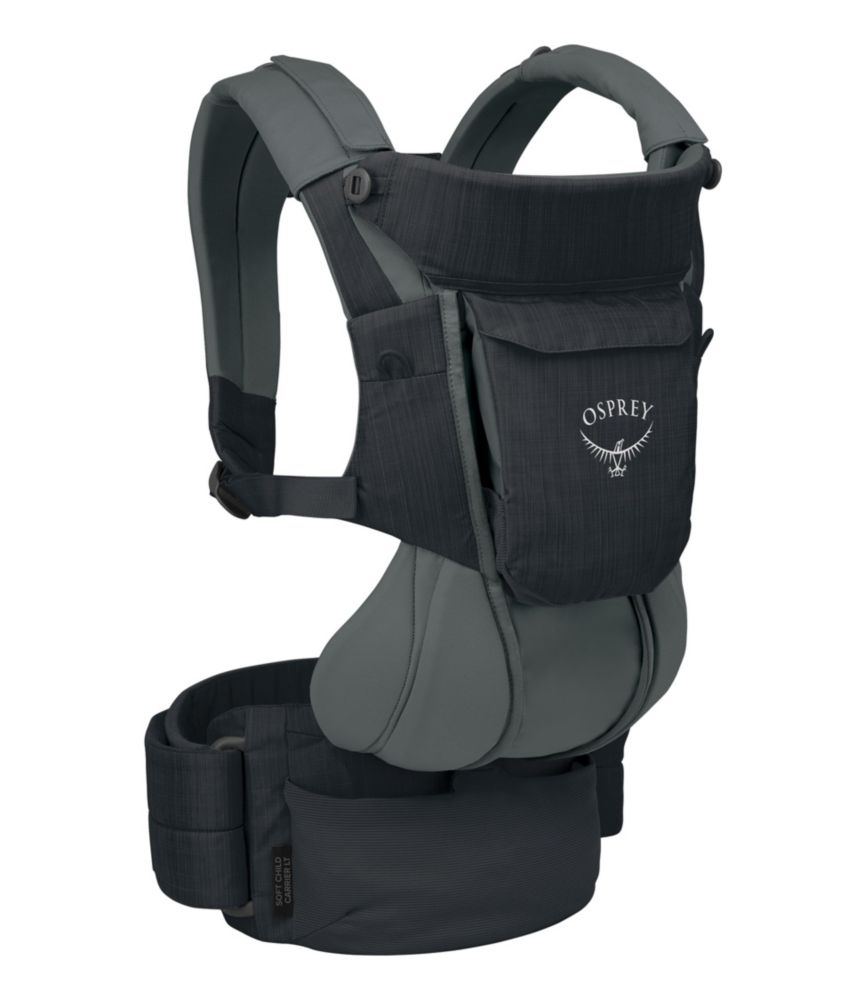
Osprey Poco Soft Child Carrier LT
Osprey Osprey Poco Soft Child Carrier LT
A versatile tan child carrier with recycled nylon, offering comfort and three carry positions.
(0)
$135 $135
SALE
$135 $135
SALE
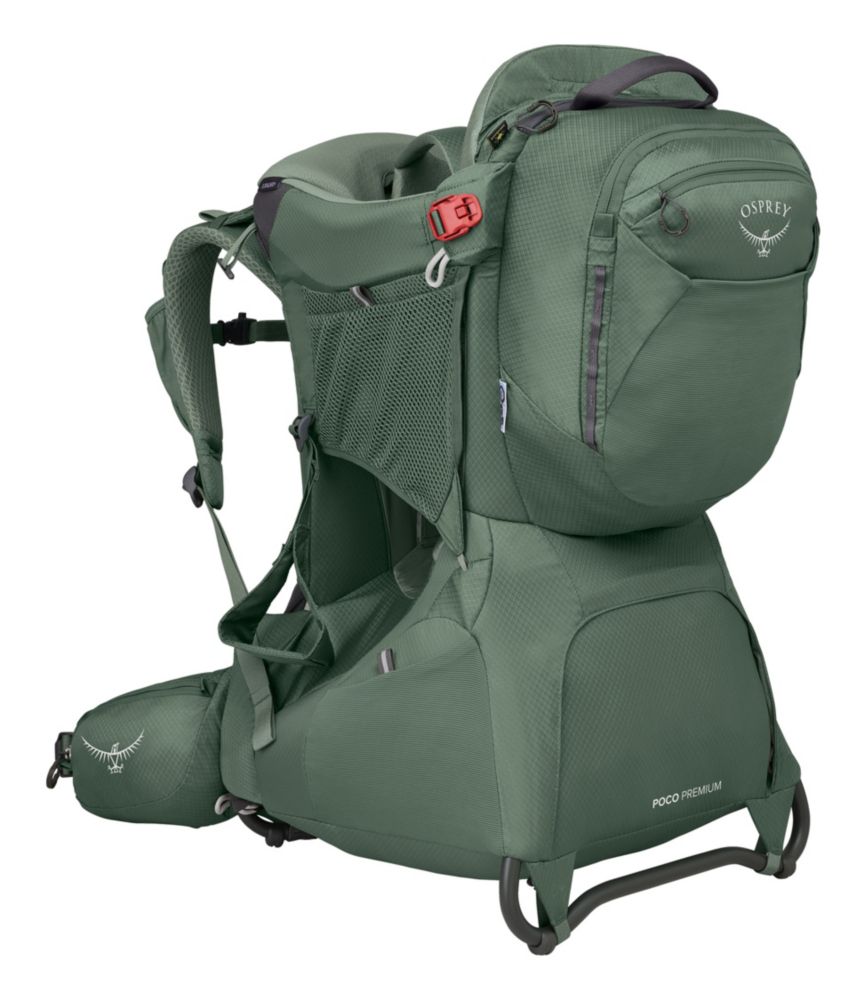
Osprey Poco Premium Child Carrier Backpack
Osprey Osprey Poco Premium Child Carrier Backpack
An advanced child carrier backpack with a ventilated suspension system, padded cockpit, and built-in sunshade.
(0)
$450 $450
SALE
$450 $450
SALE
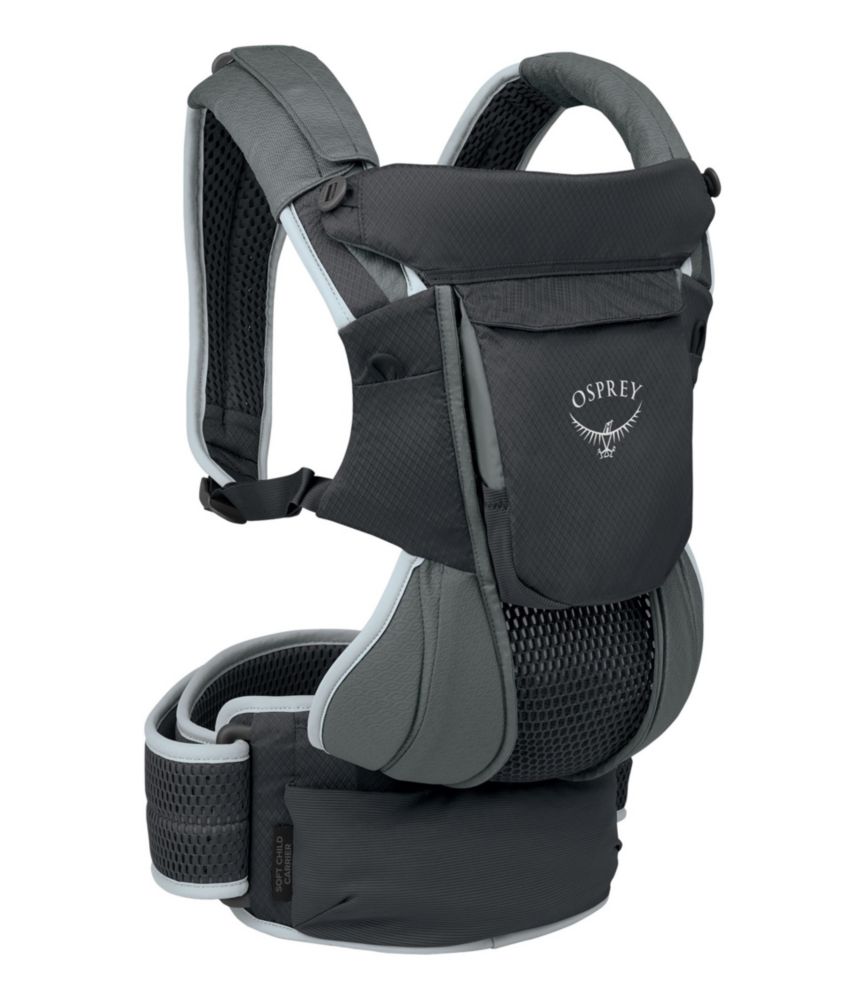
Osprey Poco Soft Child Carrier
Osprey Osprey Poco Soft Child Carrier
A black recycled polyester mesh child carrier with three carry positions, padded straps, and breathable support.
(0)
$160 $160
SALE
$160 $160
SALE

Baby Carriers

Baby carriers are a personal choice, shaped by the people who will use them and the details that matter to their family. Comparing them means looking beyond a photograph or a familiar category name to understand what each design requires. Parents and caregivers may approach the selection with different priorities, but clear product information gives everyone a useful starting point. Manufacturer-stated requirements, sizing information, instructions and care details deserve particular attention. Age labels alone do not provide the full picture, and a general category description should never replace the requirements for an individual carrier. Any stated age, weight or developmental requirements need to be considered together, without assuming that one carrier is appropriate for every baby or every stage. The fit for the adult matters, too: a carrier intended for one person raises different sizing considerations from one that two caregivers expect to share. A difference in height or clothing size is a reason to review the stated fit range, not an assurance that a design will accommodate both people. Product photographs can help show the overall appearance, while written specifications supply details that may not be visible at a glance. Together, those sources make comparisons more meaningful than broad terms such as “versatile” or “all-purpose.” The most useful distinction is often not which carrier has the longest feature list, but which has clearly documented requirements that match the intended users. This collection brings baby carriers into one place for that closer look, with the individual product information remaining essential to any decision. A thoughtful selection starts with specifics rather than assumptions, leaving room for personal preferences once the manufacturer’s requirements have been addressed. Color and overall style can be part of the choice, but they cannot answer questions about fit, intended use or the conditions under which a carrier may be used.

Materials, construction and care are also worth considering together rather than as separate details. A material name does not, by itself, establish how a finished baby carrier will feel, how it should be cleaned or what conditions it is designed for. Those answers belong in the individual product description and manufacturer’s instructions. Look for an exact material description rather than drawing conclusions from the texture shown in a photograph, and distinguish between information about the carrier as a whole and information about an individual component. The same care applies to construction details: a visible seam, fastening or adjustment point is not evidence of a particular level of support, durability or ease of use. Where those details are described, their purpose and operation should be explained by the manufacturer. Care requirements can be an important practical difference for a household already keeping track of laundry, spare clothes and the everyday belongings that gather by the door. Check the approved cleaning and drying methods before choosing, including whether different parts have different instructions. Machine washing, tumble drying, spot cleaning and the use of cleaning products should never be assumed to be interchangeable. Clear care information helps set realistic expectations without relying on broad promises about convenience. Durability deserves the same careful reading: claims about strength or long-term performance need support in the product information, and appearance alone cannot establish either. Instructions for inspection, storage and replacement, where provided, are part of the ownership picture rather than an afterthought. Fit information should be equally concrete, distinguishing the adult’s sizing requirements from the requirements for the child. If more than one caregiver expects to use a carrier, each person should review the applicable instructions rather than rely on another person’s setup. A carrier’s stated adjustment range and approved configurations are more informative than an assumption that it will fit everyone. Taken together, these details create a clearer basis for comparison while keeping expectations tied to what is actually documented.

For a family choosing a baby carrier, personal preference and practical planning often meet in small, familiar moments: comparing product details at the kitchen table, checking a registry together or making a list of questions before a purchase. Those conversations can help identify what needs clarification without turning a broad shopping category into a promise about a particular experience. Intended use is especially important to verify. Neither an outdoors-inspired appearance nor the setting of a product photograph establishes that a carrier is appropriate for a particular activity. Any activity-specific decision should begin with the manufacturer’s stated use and limitations. For a separate related category, the hiking carriers collection offers another place to browse; the requirements for each individual carrier still need their own review. A baby carrier may also be considered as a gift, but it is a choice best made with input from the recipient. A registry selection or a direct conversation with the parents or caregivers can be more useful than choosing by appearance or guessing about a family’s needs. The recipient’s preferences matter, and so do the stated requirements for everyone who will use the carrier. A gift should not depend on an assumption that a child will grow into it or that an adult can make an unspecified fit work. When information is missing or unclear, asking the manufacturer for clarification is a better next step than filling in the gaps with a general recommendation. Keeping the original instructions accessible also preserves the details needed after the initial selection, especially when another caregiver will be involved. The appeal of shopping a focused collection is the opportunity to compare relevant choices without losing sight of these individual differences. Clear descriptions, documented requirements and thoughtful attention to the recipient make that comparison more useful. The goal is a considered choice grounded in the carrier’s own information, with personal style and family preferences contributing where they can—not standing in for the facts that matter most.
Read More

FAQs