It's time to upgrade your browser

Your current browser is no longer supported on llbean.com. Please upgrade to one of the following for a smoother, safer shopping experience with us:

Heavy Duty Fishing Reels

Explore heavy duty fishing reels to find the right match for your rod and fishing setup. Compare each reel’s listed size, line capacity and drag specifications, and check compatibility with your preferred line before making your choice.
Read More
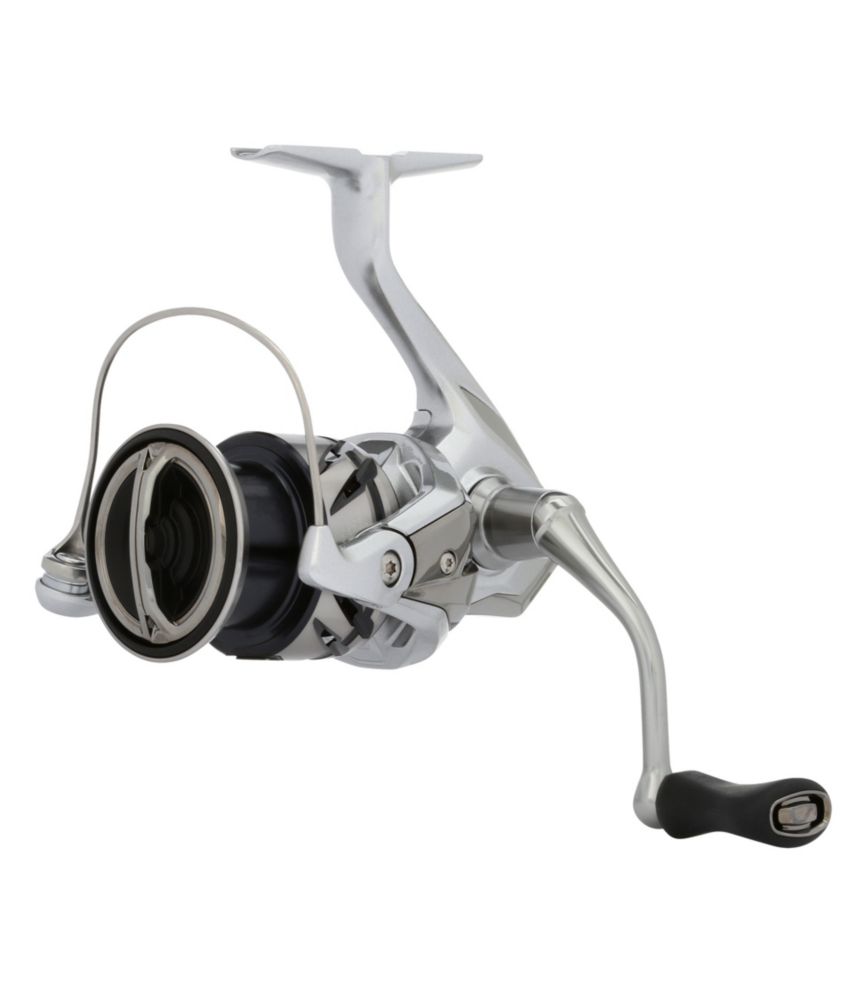
Shimano Stradic FM Spinning Reel
Shimano Shimano Stradic FM Spinning Reel
An award-winning silver spinning reel with advanced smoothness, durability, and exceptional casting performance for all waters.
(0)
$234.99 $234.99
SALE
$234.99 $234.99
SALE
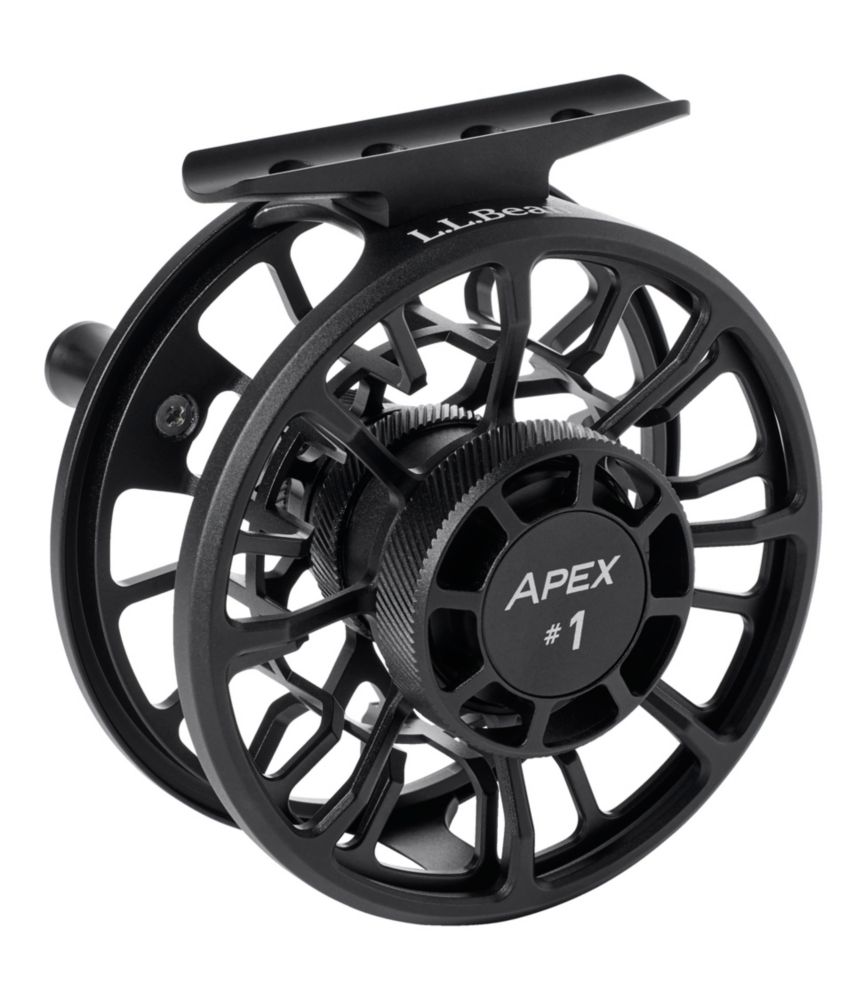
L.L.Bean Apex Fly Reel
L.L.Bean L.L.Bean Apex Fly Reel
A premium large arbor fly reel with a super-smooth drag, corrosion resistance, and hard anodized finish.
(0)
$269 $133.99
SALE
$269 $133.99
SALE
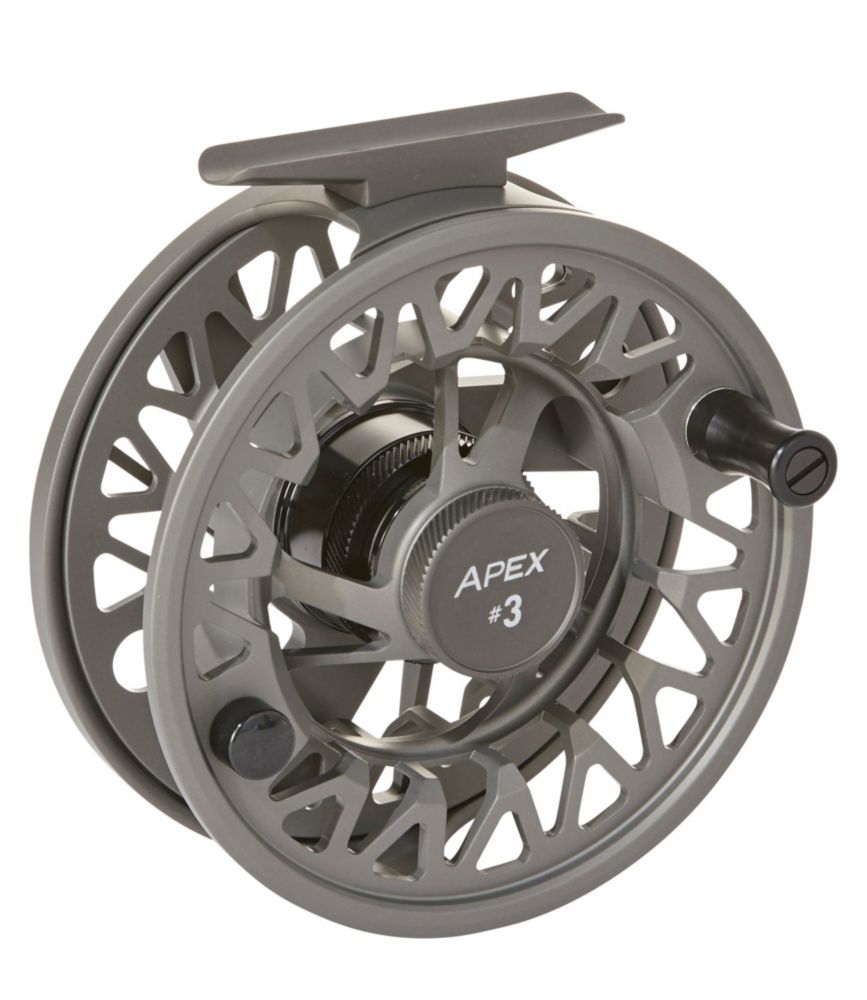
Apex II Fly Reel
L.L.Bean Apex II Fly Reel
A black, lightweight machined-aluminum fly reel with sealed carbon-disc drag and easy left- or right-hand retrieve.
(0)
$200 $200
SALE
$200 $200
SALE
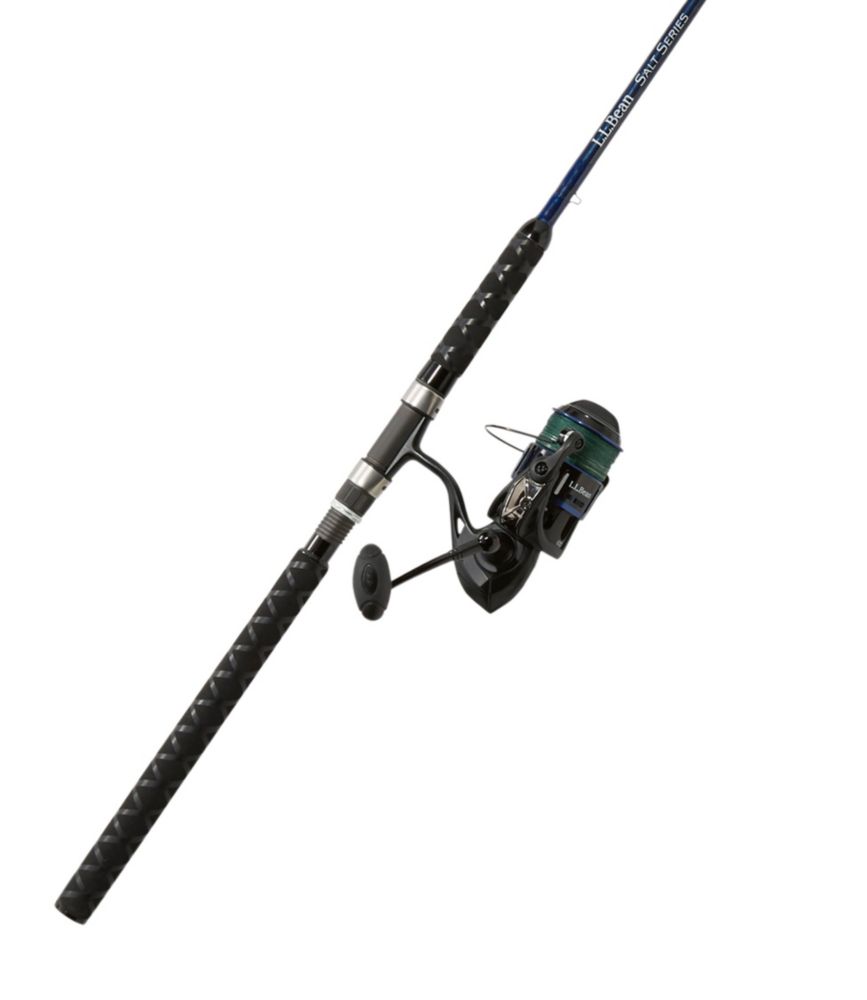
L.L.Bean Saltwater Spinning Rod and Reel Outfits
L.L.Bean L.L.Bean Saltwater Spinning Rod and Reel Outfits
A durable, corrosion-resistant aluminum spinning rod and reel combo pre-loaded with strong braided line for saltwater fishing.
(0)
$170 $170
SALE
$170 $170
SALE

Heavy Duty Fishing Reels

Heavy duty fishing reels bring the focus back to a straightforward part of choosing fishing gear: finding a reel that belongs in the setup, rather than choosing by size or appearance alone. The phrase describes a broad shopping category, not a single reel size or a promise that every reel has the same capabilities. A useful comparison starts with the details listed for each reel and how those details relate to the rod, line, and fishing plans already in mind. Reel style, stated line capacity, drag specifications, gear ratio, and weight provide different pieces of that picture; none tells the whole story by itself. Line capacity needs to be read alongside the line type and diameter used in the specification, while a maximum drag figure should not be treated as the only measure of a suitable match. For someone replacing a familiar reel, the existing setup offers a helpful starting point: the model information on the rod, the line normally used, and the features that felt right—or awkward—over time. For someone assembling a setup from the beginning, clearly stated compatibility information matters more than an impressive-sounding number. Picture the small decisions that happen before heading out: checking the rod’s markings, looking over the line, and making sure the reel has the handle arrangement the angler expects. Those details make the choice personal and practical. Heavy duty need not mean choosing the largest option or assuming that more of every specification is better. The goal is a considered match, with the reel’s documented characteristics fitting the rest of the equipment. This category gives anglers a place to compare those choices while keeping the larger reason for fishing in view: time outside, a familiar stretch of water, and the pleasure of sharing an interest with someone who enjoys it just as much.

The relationship between a fishing reel and its rod deserves particular attention because fit involves more than whether the two can be attached. The rod’s intended reel style and manufacturer specifications establish the starting point, followed by the reel’s dimensions, weight, and operating layout. Handle orientation is worth checking rather than assuming, especially for an angler who has spent years using the same arrangement. A replacement that looks similar in a photograph may still have a different set of controls, so product descriptions and manufacturer documentation are useful parts of the comparison. Gear ratio is another detail best considered in context: it describes a mechanical relationship, not a complete account of how a reel will feel in someone’s hands. Where a listing includes line retrieved per handle turn, that is a separate specification to review rather than infer from the ratio alone. Likewise, spool capacity should be compared using equivalent measurements, not just the largest number printed in a description. Construction deserves the same careful reading. Shoppers with a particular material preference can also explore Aluminum Fishing Reels, then consult individual descriptions for the components and construction actually specified. A category name should not stand in for a full account of how a reel is made. Durability is also better considered through documented construction, maintenance requirements, and service information than through a broad label alone. For an angler who likes to keep equipment familiar over many outings, access to the owner’s manual and clear care directions can be meaningful parts of the decision. These are the less showy details of shopping, but they help distinguish a thoughtful choice from one based only on a photograph. They also leave room for individual preferences: one person may want an arrangement that resembles an existing setup, while another may be ready to learn a different reel style without changing every other piece of equipment at once.

Heavy duty fishing reels can be a personal purchase or a thoughtful gift for someone whose favorite plans include a rod and time by the water. Experience alone does not determine the right choice. An angler returning to fishing may have established preferences, while a longtime enthusiast may be shopping around a particular rod or replacing equipment with very specific dimensions. Gift givers have a better starting point when they know those preferences rather than relying on the general idea that a bigger reel will be more welcome. A photograph of the recipient’s existing setup, the exact rod model, or a saved note about a preferred reel style can help clarify what to compare. There is something especially considerate about recognizing the small routines behind a hobby: which hand turns the handle, which equipment gets packed first, and which setup someone reaches for when a friend suggests going fishing. Care is part of that relationship with equipment, too, but the correct routine belongs to the individual reel’s instructions. Cleaning methods, lubrication, adjustments, and storage directions should come from the manufacturer rather than a one-size-fits-all approach. Before adding a cleaning product or opening an assembly, check the manual for the recommended procedure and any limits on owner maintenance. Keeping model information and care documentation together makes those details easier to find later. For households with several anglers, it can also help keep each person’s equipment and instructions organized without relying on memory. Whether the purchase is for a shared pastime or an established personal interest, the most useful choice is grounded in the way the recipient actually approaches fishing. A quiet conversation while sorting tackle or comparing notes before an outing often reveals more than a guess based on experience level. Thoughtfully chosen fishing equipment starts with that attention: to the person, to the rest of the setup, and to the documented details that make one reel a more appropriate match than another.
Read More

FAQs