It's time to upgrade your browser

Your current browser is no longer supported on llbean.com. Please upgrade to one of the following for a smoother, safer shopping experience with us:

Aluminum Fishing Reels

Browse aluminum fishing reels to find a match for your rod and fishing setup. As you compare options, check each reel’s specifications for size, line capacity and compatibility with the tackle you plan to use.
Read More
Streamlight Ultra II Large Arbor Fly Reel
L.L.Bean Streamlight Ultra II Large Arbor Fly Reel
A lightweight, corrosion-resistant fly reel with a powerful drag system and large arbor design for quick line retrieval.
(65)
$150 $150
SALE
What customers like:
Good price
Lives up to L.L.Bean name
Excellent quality
$150 $150
SALE
Double L® Large Arbor Fly Reel
L.L.Bean Double L® Large Arbor Fly Reel
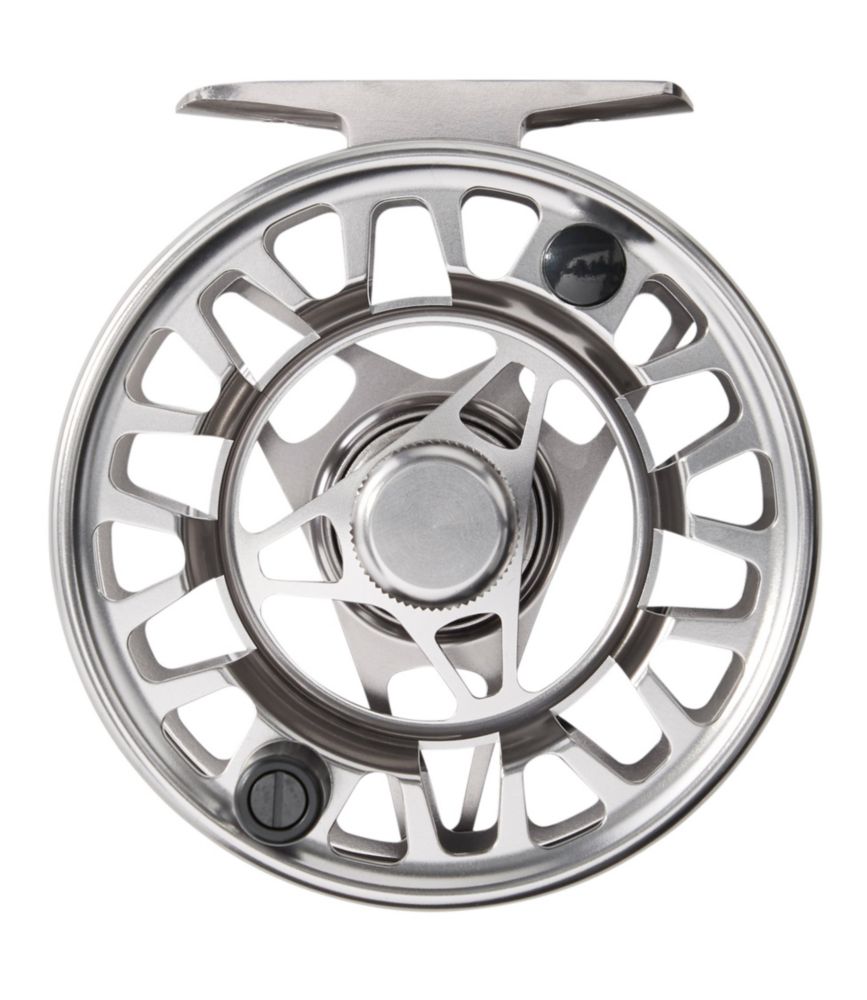
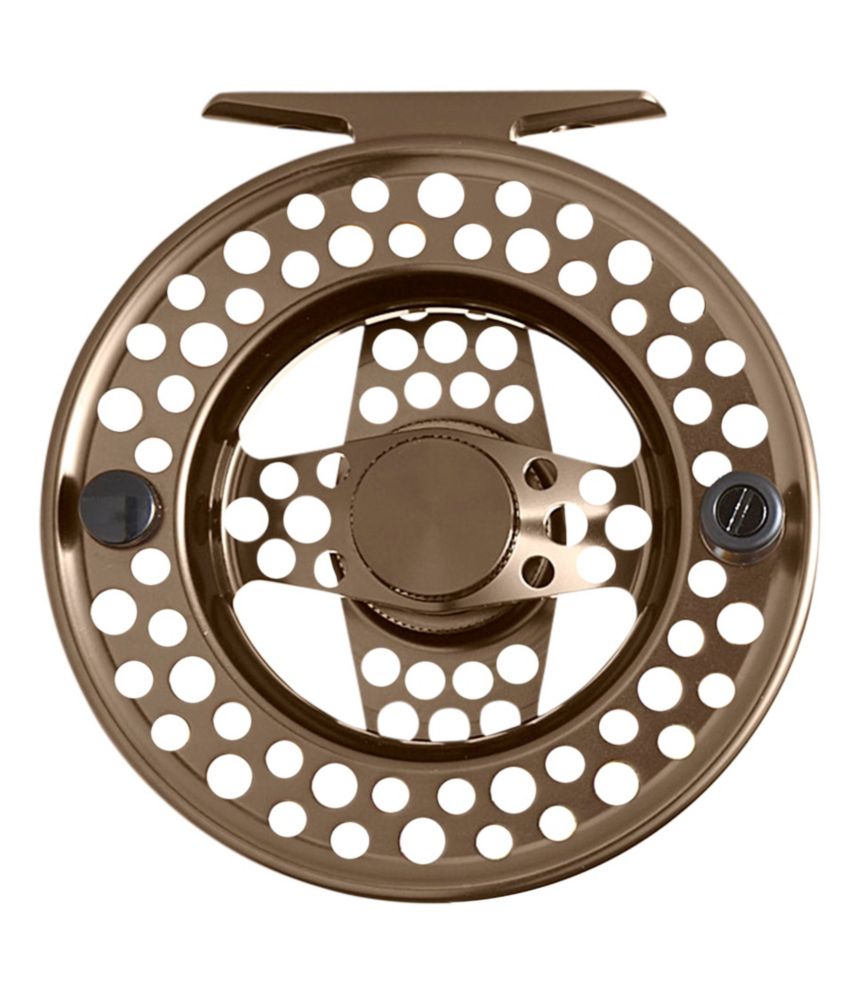
A lightweight, moss-colored fly reel with a large arbor design and corrosion-resistant anodized aluminum.
(34)
$180 $152.99
SALE
What customers like:
Smooth drag
Lightweight
Well-made
Comfortable
Good value
$180 $152.99
SALE
Double L Spin Rod and Reel Outfit
L.L.Bean Double L Spin Rod and Reel Outfit
A high-quality, versatile spinning combo with a graphite rod and smooth aluminum reel, ideal for various fish.
(27)
$140 $140
SALE
What customers like:
Well-made backpack
Great rods
Comfortable shirt
Excellent fit
Perfect lightweight pack
$140 $140
SALE
L.L.Bean Saltwater Spinning Rod and Reel Outfits
L.L.Bean L.L.Bean Saltwater Spinning Rod and Reel Outfits
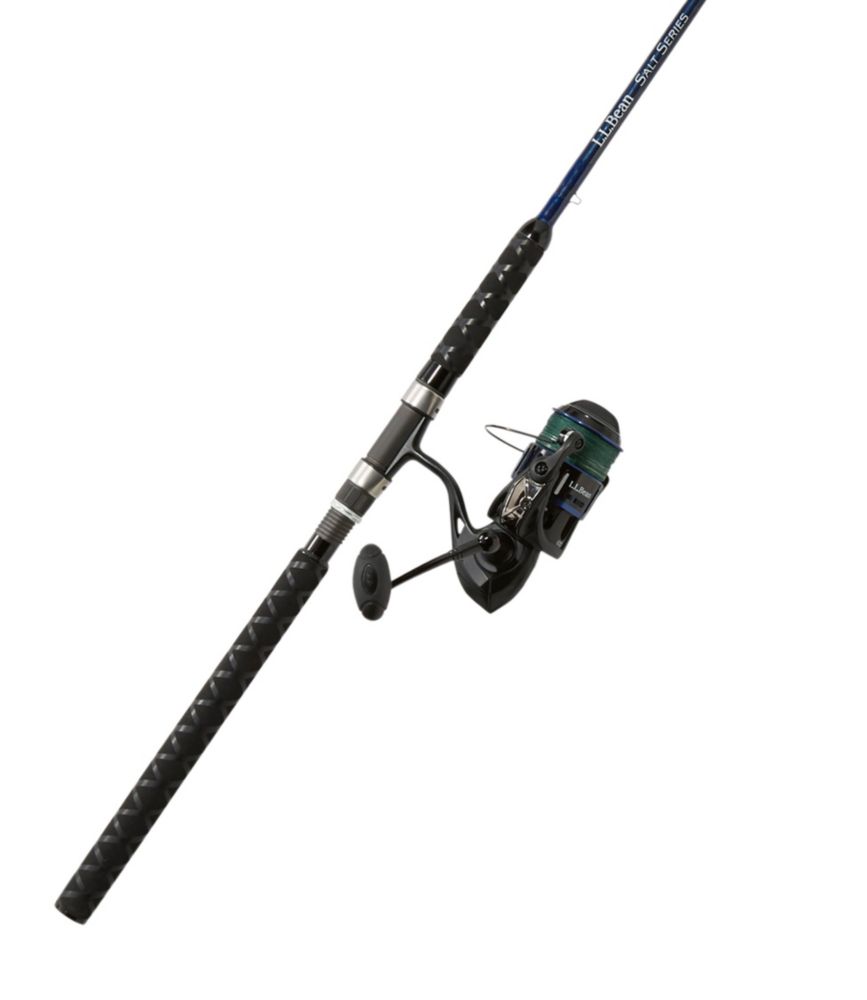
A durable, corrosion-resistant aluminum spinning rod and reel combo pre-loaded with strong braided line for saltwater fishing.
(0)
$170 $170
SALE
$170 $170
SALE
Streamlight Ultra Spin Combos
L.L.Bean Streamlight Ultra Spin Combos
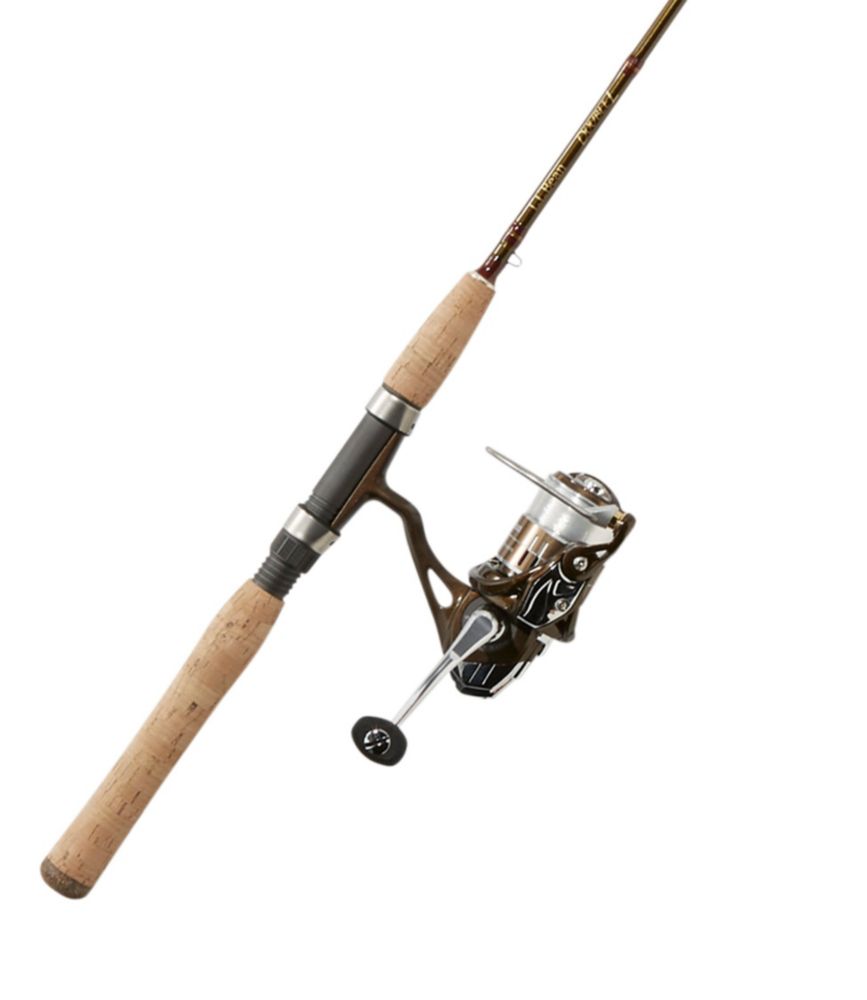
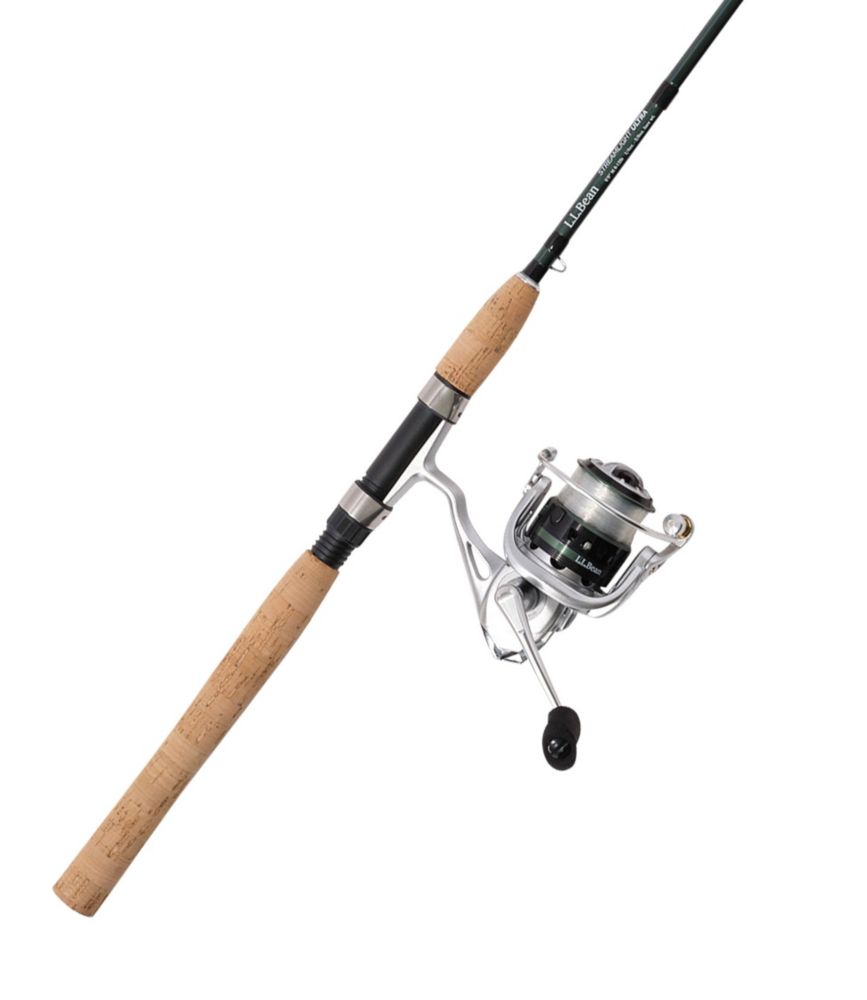
A perfectly balanced 2-piece freshwater spinning rod and reel combo with a lightweight aluminum spool and cork handle.
(0)
$110 $110
SALE
$110 $110
SALE

Aluminum Fishing Reels

Aluminum fishing reels bring a familiar material into one of the most personal choices in a fishing setup. The reel is the part an angler handles again and again, from preparing the line to turning the handle with a fish on the other end, so its proportions and arrangement deserve as much attention as its appearance. Within this category, aluminum is the starting point for comparison, not a complete description of every component. A reel’s material details matter: an aluminum body, frame, or spool describes a particular part, and those descriptions should not be treated as interchangeable. Looking closely at the construction information helps clarify what the material name means for a particular design. It also keeps the choice grounded in the complete reel rather than a single word in its description. Size, listed weight, line capacity, and compatibility with an existing rod all add useful context. Two reels with a similar appearance may have different specifications, and a familiar-looking handle does not tell the whole story about how a reel will fit into someone’s equipment. For an angler replacing a longtime favorite, the most meaningful reference may be the setup already hanging beside the tackle bag. For someone assembling a first outfit, it may be the rod’s specifications and the type of fishing they plan to pursue. Either way, aluminum fishing reels are best considered as part of a coordinated setup rather than as a separate purchase with no connection to the rest of the gear. There is room for personal preference, too. Some anglers enjoy an understated look; others pay closer attention to the shape of the handle or the placement of the controls. Those details make the selection feel individual without replacing the practical information needed to choose thoughtfully.

Fit, in the context of a fishing reel, means more than whether it attaches to a rod. It includes the relationship between the rod, reel, line, and the person holding them. A reel seat has its own requirements, and checking those requirements against the reel’s specifications is a useful place to begin. Listed dimensions and weight provide additional points of comparison, especially when replacing only one part of an existing outfit. Handle orientation is another detail worth noticing before making a choice; a preferred retrieving hand should not be left to an assumption based on a photograph. Line capacity deserves the same attention because the figures in a description relate to a stated line type and size. Comparing those figures on the same basis gives a clearer picture than comparing the numbers alone. Gear ratio and drag specifications, when provided, add to that picture, but neither should stand in for the complete description or the maker’s stated recommendations. The right match depends on the full set of details and the fishing setup they will become part of. Picture two family members laying their rods side by side before heading out: their equipment may look much alike, yet each person may have a different preference for handle position, reel size, or the way the outfit sits in hand. That is why a useful selection offers more to consider than matching appearances. Aluminum identifies a material, but it does not, on its own, establish a reel’s weight, durability, or suitability for a particular fishing environment. Those qualities require information about the individual design. For a broader comparison, the Heavy Duty Fishing Reels page provides another collection to explore, with the same attention to individual specifications and intended use. Keeping those distinctions in view makes it easier to compare relevant choices without assuming that every reel within a category shares the same characteristics.

An aluminum fishing reel can also be a thoughtful gift for someone whose favorite conversations tend to come back to fishing. The most useful gift choices often begin with a little knowledge of the recipient’s existing equipment rather than a guess about what looks impressive. A photograph of a rod’s printed specifications, the details of a reel they already use, or a clear preference for retrieving with one hand can give the selection a more personal foundation. An experienced angler may be particular about those details, while someone beginning to fish may appreciate having the reel selected to match the rest of an outfit. Neither situation calls for assuming that a larger reel is a better gift or that a material name settles the decision. What matters is how closely the choice reflects the person and their fishing plans. Ownership brings another set of considerations that belongs alongside materials and fit: care instructions, storage recommendations, and any stated maintenance requirements. Aluminum is not a substitute for that information, and a general cleaning routine should not override the directions supplied for the reel. Instructions may distinguish between exterior care and work involving internal components, so it is worth knowing what routine attention involves before choosing. Where service information or replacement-part details are provided, those can be useful references for someone who likes to keep equipment organized and maintained. Durability is likewise a matter for the individual product description rather than an assumption attached to the entire category. A clear account of construction and care is more informative than a broad promise about years of use. Beyond those practical details is the simple pleasure that makes fishing equipment meaningful: setting out a familiar rod, checking the tackle together, and making time to share a favorite pastime. Whether the reel is a considered replacement, part of a first setup, or a gift chosen with care, the strongest starting point is the same—a clear understanding of its materials, specifications, and place in the angler’s equipment.
Read More

FAQs