It's time to upgrade your browser

Your current browser is no longer supported on llbean.com. Please upgrade to one of the following for a smoother, safer shopping experience with us:

Essentials For Emergency Preparedness

Find essentials for emergency preparedness to help round out your household’s emergency supplies. Browse the selection for items on your preparedness checklist, compare individual product details and fill gaps in your emergency kit based on your household’s needs.
Read More
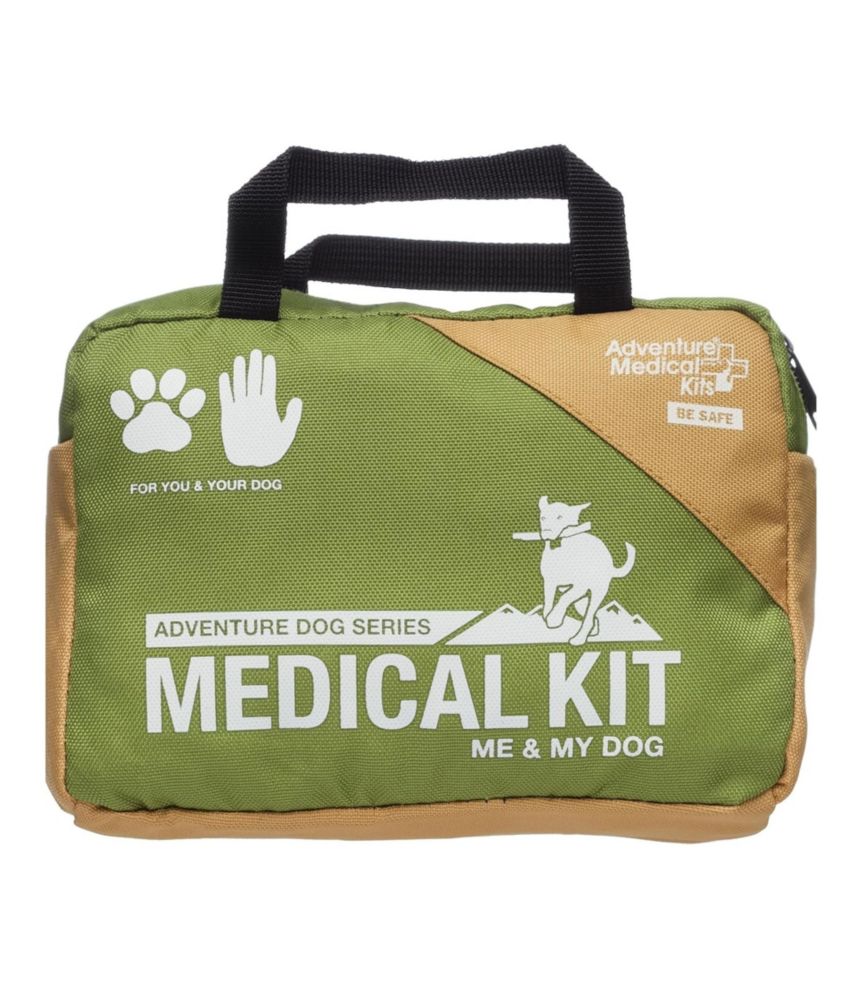
Adventure Dog Series First Aid Kit, Me & My Dog
A comprehensive, multicolor first-aid kit for dogs and people, packed in two waterproof bags for travel.
(0)
$74.95 $74.95
SALE
$74.95 $74.95
SALE
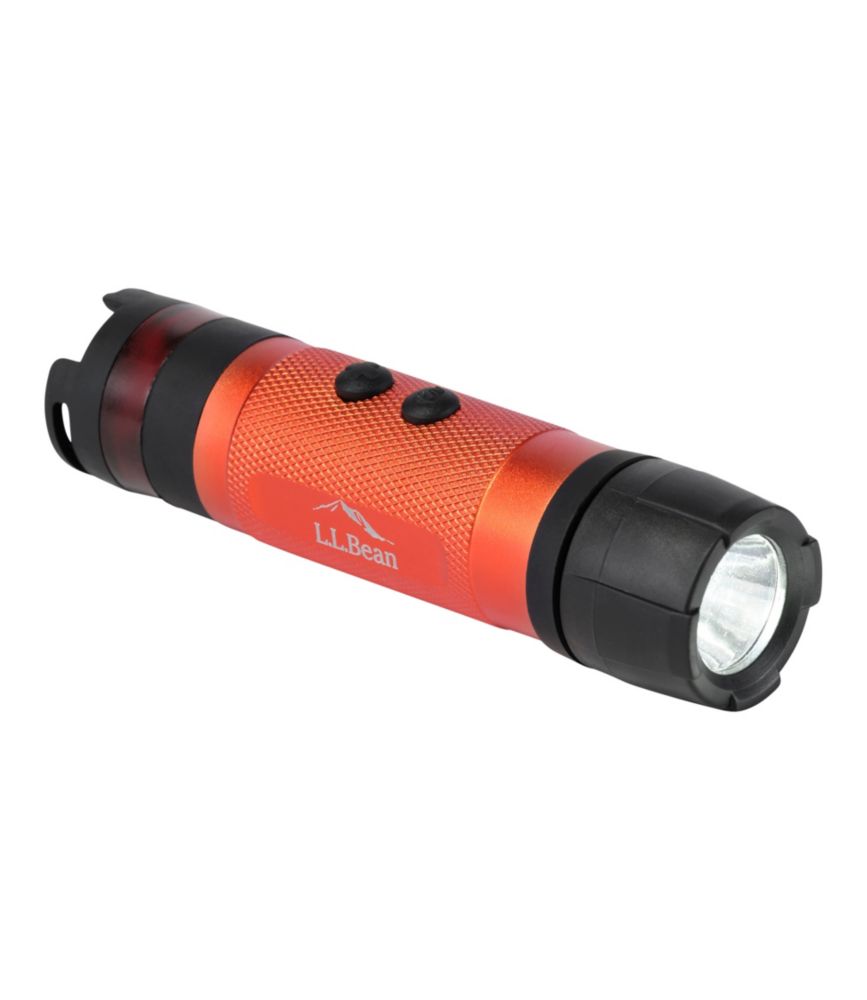
L.L.Bean Trailblazer 3-in-1 Flashlight
L.L.Bean L.L.Bean Trailblazer 3-in-1 Flashlight
An orange aluminum light with seven modes functions as a flashlight, lantern or safety light.
(433)
$16.95 $16.95
SALE
$16.95 $16.95
SALE
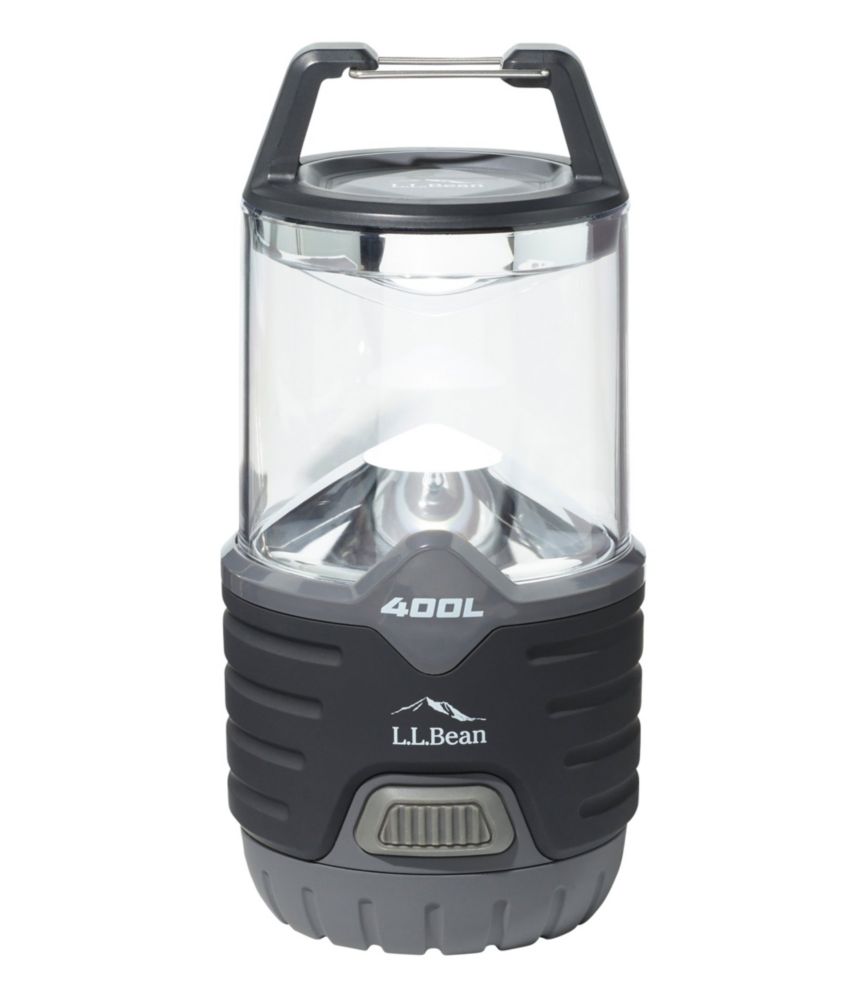
L.L.Bean Trailblazer 400 Lantern
L.L.Bean L.L.Bean Trailblazer 400 Lantern
A weather-resistant gray lantern with 400 lumens, three LED modes, diffuser, and carabiner handle for hanging.
(399)
$32.95 $32.95
SALE
What customers like:
Well-made
Lightweight
Great light
Good for emergency lighting
Looks good
$32.95 $32.95
SALE
L.L.Bean Trailblazer 250 Headlamp
L.L.Bean L.L.Bean Trailblazer 250 Headlamp
A red, 250-lumen headlamp with red night-vision mode, adjustable beam, 213-foot reach, and IPX4 water resistance.
(288)
$32.95 $32.95
SALE
$32.95 $32.95
SALE
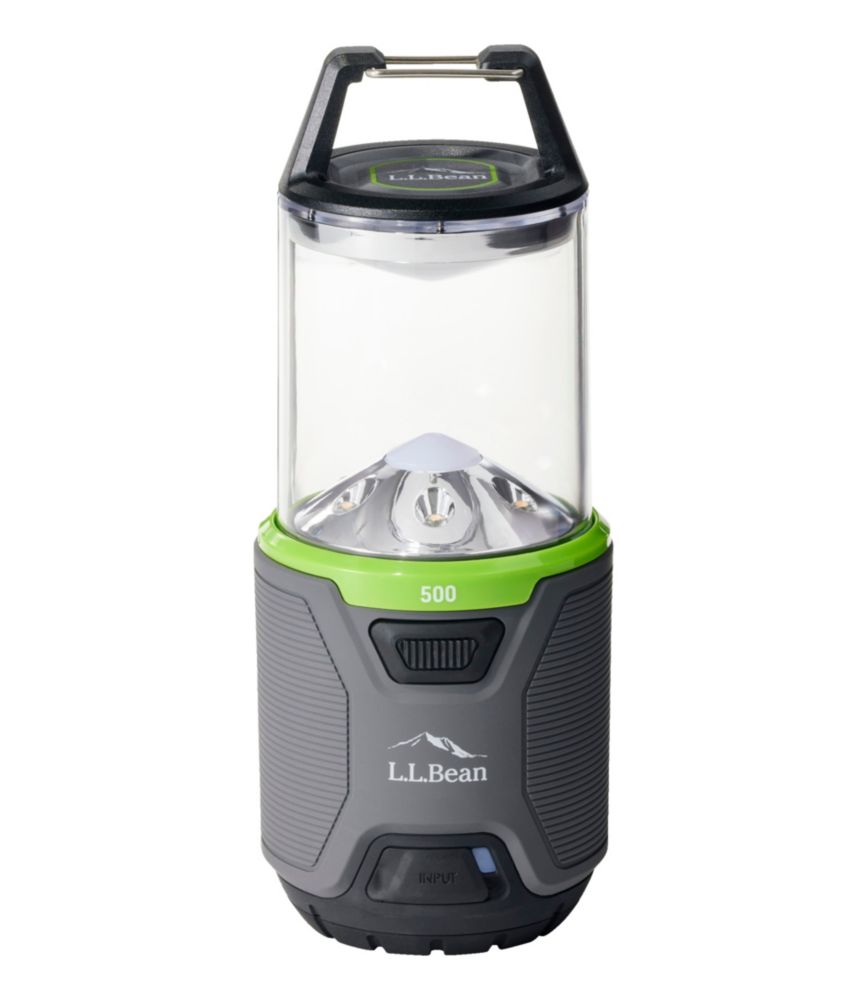
L.L.Bean Trailblazer 500 Rechargeable Lantern
L.L.Bean L.L.Bean Trailblazer 500 Rechargeable Lantern
A black 500-lumen rechargeable lantern with white and amber LEDs, power bank, and splash-resistant construction.
(0)
$64.95 $64.95
SALE
$64.95 $64.95
SALE

Essentials For Emergency Preparedness

Essentials for emergency preparedness start with a straightforward idea: choosing supplies around the people who may need them and the circumstances they may face. A common starting point is a 72-hour preparedness plan, which accounts for at least three days of essential household needs. That benchmark gives shopping a useful frame of reference, but it does not mean a particular purchase or assortment will cover every situation. Household size, individual requirements, local emergency guidance, and existing supplies all influence what belongs in a personal selection. For someone establishing a first household, that may mean taking stock before making thoughtful additions. For a larger household, it may mean comparing quantities and making sure the overall plan reflects everyone who shares the space. The most relevant choices are not necessarily the ones with the longest descriptions or the most features; they are the ones whose stated purpose matches an identified need. This collection offers a starting point for that kind of considered shopping, with emergency preparedness as the common thread. Rather than treating preparedness as a single purchase, it helps to view each addition as part of a broader household plan. A designated place in a hall closet, a shared understanding of where supplies belong, and a realistic picture of the people involved give those purchasing decisions context. Someone who lives alone may have different priorities from adults sharing a home, even when their available storage space looks much the same. Personal preferences matter, too, particularly when several people may need to recognize and use the same supplies. Familiarity, clear information, and an appropriate match between purpose and selection deserve more attention than an impressive-looking assortment. The goal is a considered collection of essentials that reflects real needs, without assuming that more automatically means better or that the same choices suit every household. That perspective keeps the focus on practical decisions rather than buying for possibilities that have little connection to everyday life.

Comparing emergency preparedness essentials involves looking beyond a general description to the details that distinguish one choice from another. Materials, measurements, care directions, and stated limitations provide useful context when they appear in an individual product description. Dimensions are especially relevant when a purchase needs to fit within an established storage area: a shelf that looks generous may have less usable space once its depth, height, and neighboring contents are taken into account. The same attention applies to the person who may use a selection. Where sizing or fit is relevant, the stated measurements and size information offer a better basis for comparison than appearance alone. A household purchase also deserves consideration from more than one person's perspective, since preferences and requirements can differ even among people who share the same address. Care is another part of the decision, not an afterthought. Understanding the listed cleaning, storage, and maintenance directions before purchasing helps establish what ongoing attention a selection requires. Durability deserves a similarly specific look, with individual construction details and documented information offering more context than broad expectations about an entire category. No single material, size, or design is automatically the right choice for every emergency preparedness plan. The relationship between those details and an actual household need is what makes the comparison worthwhile. For example, a selection intended for a particular place in the home should be evaluated against that space, not an imagined arrangement with unlimited room. Likewise, a purchase intended for someone else deserves attention to that person's preferences rather than assumptions based on a similar household. These small distinctions give shopping a more practical foundation. They also help separate a genuinely relevant addition from something that merely duplicates what is already on hand. A clear understanding of existing supplies leaves room for thoughtful choices and keeps the overall assortment connected to its intended purpose. It makes comparing options more manageable, with each decision tied to a recognizable need instead of an abstract idea of being prepared.

Emergency preparedness is a personal subject, but the shopping often involves shared decisions. Partners setting up a household, relatives helping an adult family member settle into a new home, and housemates coordinating common supplies may all approach the same collection with different priorities. A useful conversation begins with what is already accounted for and what still needs consideration. That context matters when essentials are chosen as a gift, too. A thoughtful contribution to someone's household plan can feel more personal when it reflects a request, a known preference, or a clearly identified gap, rather than a guess about what the recipient ought to have. Moving into a first apartment or establishing a shared home can be a natural occasion for that conversation, without turning the gift into a statement about everything the recipient needs. For shoppers purchasing for their own homes, the same principle encourages a measured approach: consider the purpose of each addition and how it relates to the rest of the selection. Everyday routines can reveal useful details, such as which household members know where supplies are kept or whether a designated space remains accessible among other belongings. Those observations provide context for purchases without suggesting that a shopping list can replace a household plan or local emergency recommendations. For planning that also includes time away from home, Essentials For Travel offers a separate collection to explore. The distinction is helpful: related shopping interests do not necessarily involve identical requirements. Across either collection, considered choices begin with a clear purpose and attention to the details of each selection. Emergency preparedness essentials are best evaluated as individual purchases within a larger picture, with household needs guiding the comparison. That keeps the experience grounded in familiar people, real spaces, and practical priorities, making it easier to build an assortment with intention rather than treating preparedness as a one-size-fits-all purchase.
Read More

FAQs