It's time to upgrade your browser

Your current browser is no longer supported on llbean.com. Please upgrade to one of the following for a smoother, safer shopping experience with us:

Emergency Preparedness

Shop emergency preparedness gear and supplies with your household’s needs in mind. Whether you’re starting an emergency kit or updating an existing one, compare the selection with your checklist and review individual product details to decide what to add or replace.
Read More
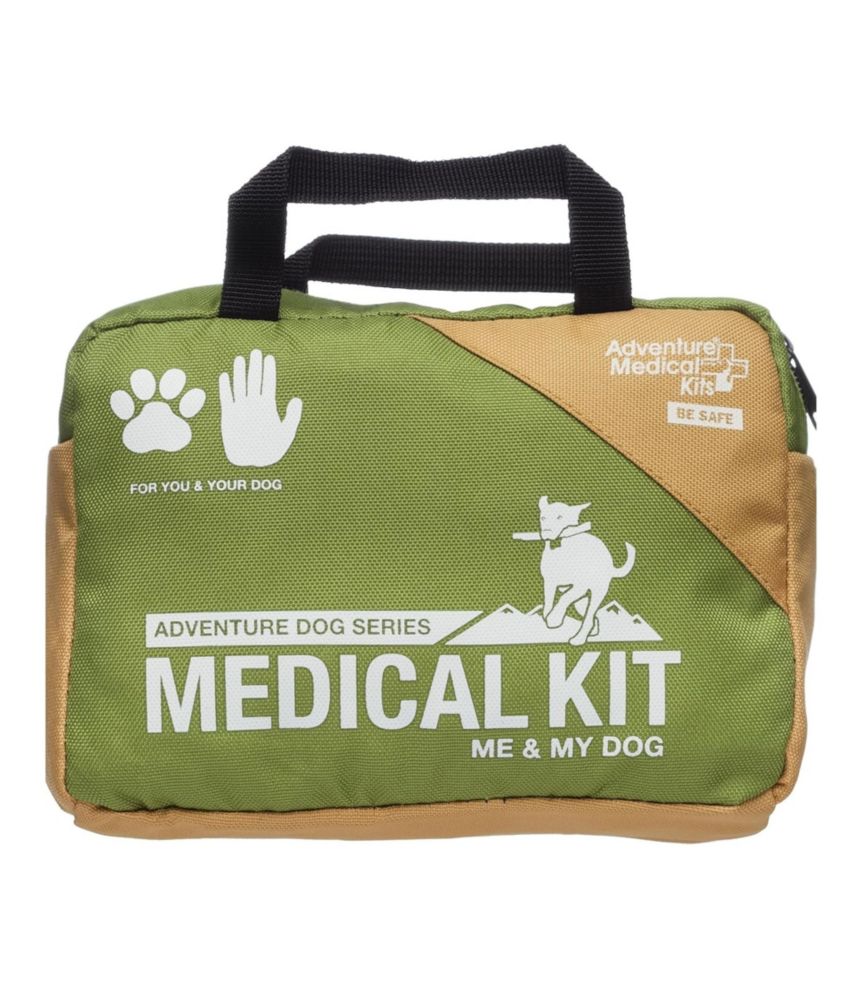
Adventure Dog Series First Aid Kit, Me & My Dog
A comprehensive, multicolor first-aid kit for dogs and people, packed in two waterproof bags for travel.
(0)
$74.95 $74.95
SALE
$74.95 $74.95
SALE
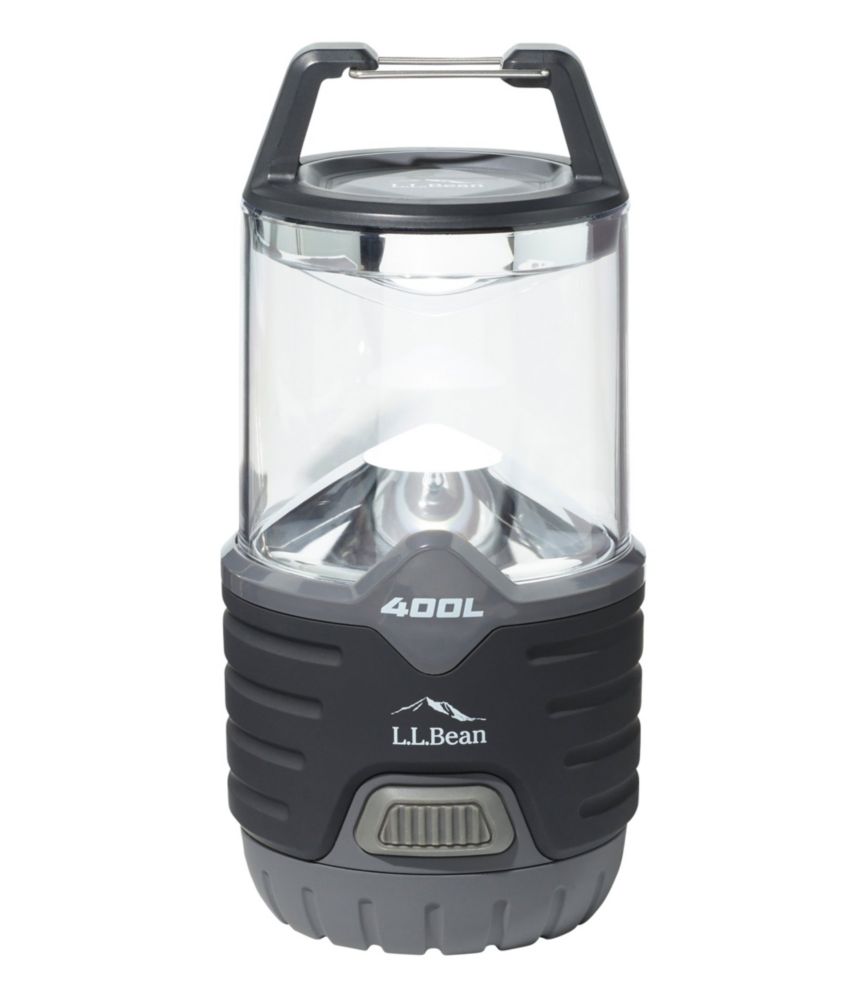
L.L.Bean Trailblazer 400 Lantern
L.L.Bean L.L.Bean Trailblazer 400 Lantern
A weather-resistant gray lantern with 400 lumens, three LED modes, diffuser, and carabiner handle for hanging.
(399)
$32.95 $32.95
SALE
What customers like:
Well-made
Lightweight
Great light
Good for emergency lighting
Looks good
$32.95 $32.95
SALE
L.L.Bean Trailblazer Rechargeable Flashlight
L.L.Bean L.L.Bean Trailblazer Rechargeable Flashlight
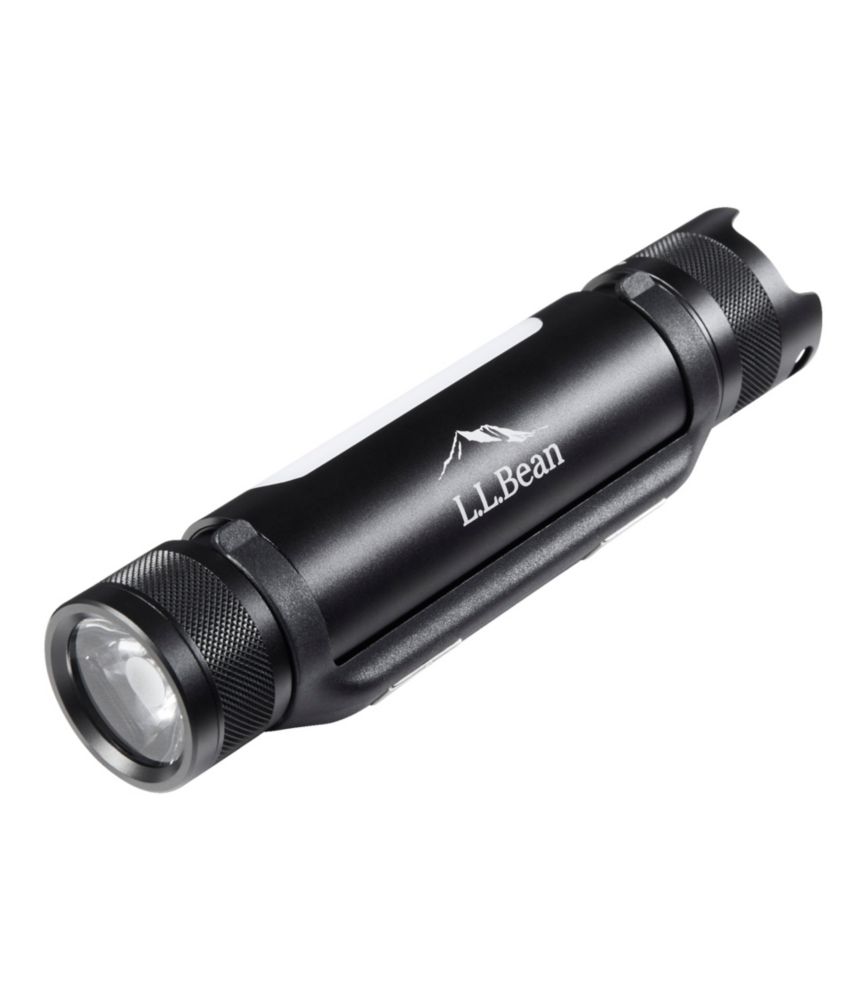
A black rechargeable flashlight with 850 lumens, white and red task lights, USB-C charging, water resistance.
(0)
$59.95 $39.99
SALE
$59.95 $39.99
SALE
L.L.Bean Trailblazer 3-in-1 Flashlight
L.L.Bean L.L.Bean Trailblazer 3-in-1 Flashlight
A versatile green aluminum light with seven modes, functioning as a flashlight, lantern or safety light.
(433)
$16.95 $16.95
SALE
$16.95 $16.95
SALE

Emergency Preparedness

Emergency preparedness brings together practical supplies and thoughtful planning for times when familiar routines are interrupted. A collection of emergency preparedness gear offers a place to compare options, consider household needs, and make deliberate choices rather than treating readiness as a single purchase. The most useful starting point is a clear understanding of what a household already has, what needs attention, and how additional gear would fit into an established emergency plan. The number of people in a household, individual needs, storage space, and guidance from local emergency management authorities all provide context for those decisions. A person living alone may approach the selection differently from a large family or a household shared by several generations. Even neighbors with similar homes may have different priorities, so a thoughtful assortment matters more than a one-size-fits-all approach. Emergency supplies are one part of preparedness, alongside communication arrangements, access to important information, and an understanding of local instructions. No collection can account for every situation, and no purchase replaces those broader preparations. Within that context, shopping can be straightforward: compare the information provided for each option, distinguish essential requirements from personal preferences, and look for details that answer real questions about ownership. A clearly stated measurement, an explanation of intended use, or a complete set of care instructions can be more helpful than a broad promise. The goal is not simply to gather more gear, but to select supplies with a defined place in the household’s preparations. Picture a shared storage area where each adult knows what belongs there and can recognize what has been set aside. That kind of familiarity gives the shopping process a practical focus, keeping attention on the people who will use the supplies and the space those supplies will occupy. It also makes an emergency preparedness collection a starting point for comparison rather than a substitute for a household-specific plan.

Choosing emergency preparedness supplies involves looking beyond a photograph or a brief description. Dimensions, weight, quantity, and any stated requirements can help distinguish options that initially appear similar. Storage deserves particular attention: a space on a closet shelf, a designated cabinet, and a shared household storage area each have different limits. Comparing actual measurements with the intended space is more informative than relying on an impression of size. Packaging dimensions and product dimensions may describe different things, so it helps to understand which measurement is listed. Material information is another useful point of comparison, but a material name alone does not establish how a product will perform. Construction details, manufacturer specifications, and stated limitations provide the context needed to assess whether an option meets a particular requirement. Durability likewise deserves a closer look at the individual product rather than an assumption about the collection as a whole. Care and storage directions may affect that assessment, especially when supplies will spend time set aside between checks. Requirements for cleaning, inspection, replacement, or storage conditions belong in the decision alongside size and appearance. Where sizing or fit applies, the listed measurements and sizing guidance should take priority over a familiar size label. Different people in the same household may need different sizes, and one person’s preference is not necessarily a useful reference for another. Intended use should also be verified in the individual description; an item’s appearance does not establish its suitability for a particular situation. For a closer look at that part of the assortment, Emergency Shelters offers a related collection to explore, with individual specifications and limitations remaining important to any comparison. Across emergency preparedness shopping, the strongest choices come from matching documented details to identified needs, not from assuming that every option serves the same purpose. Clear information makes it easier to compare meaningfully and to recognize when further details are needed before making a decision.

Emergency preparedness also has a personal side, because the supplies set aside for a household should reflect the people who share it. Responsibilities may be divided among adults, but purchasing decisions benefit from a shared understanding of what is being selected and why. One person may know the storage measurements, another may be familiar with existing supplies, and another may have questions about handling or written instructions. Bringing those perspectives together can reveal a mismatch before an additional purchase creates duplication or takes up needed space. For someone establishing a first household, the collection can provide a way to consider preparedness alongside other household essentials without assuming everything must be chosen at once. For an established household, the emphasis may be on reviewing existing selections and comparing replacements against present needs. A change in household size or living arrangements can also prompt a fresh look at earlier choices. Emergency preparedness gear can be a thoughtful gift when the recipient has expressed a specific need, though personal preferences, sizing, storage limits, and compatibility should guide the selection. A conversation about what would genuinely be useful is usually more valuable than a surprise assortment chosen without that context. After a purchase, keeping the accompanying instructions and understanding the recommended care are part of responsible ownership. Any replacement schedule or inspection requirement should come from the manufacturer rather than a general assumption about how long supplies last. Similarly, decisions about the scope of a household’s preparations are best informed by official emergency guidance relevant to its location and circumstances. A product collection provides choices, while that guidance helps establish the larger framework in which those choices belong. Viewed this way, emergency preparedness is neither about collecting the greatest number of supplies nor relying on a single purchase for reassurance. It is about giving each selection a clear purpose, understanding its limits, and keeping the needs of the household at the center of the decision. Thoughtful comparison turns a broad assortment into a more considered set of choices, grounded in practical details and a shared commitment to being prepared.
Read More

FAQs