It's time to upgrade your browser

Your current browser is no longer supported on llbean.com. Please upgrade to one of the following for a smoother, safer shopping experience with us:

Emergency Lighting

Find emergency lighting to round out your emergency supplies. Browse the selection and compare individual product details, including power source, light output and operating instructions, to help choose the right option for your needs.
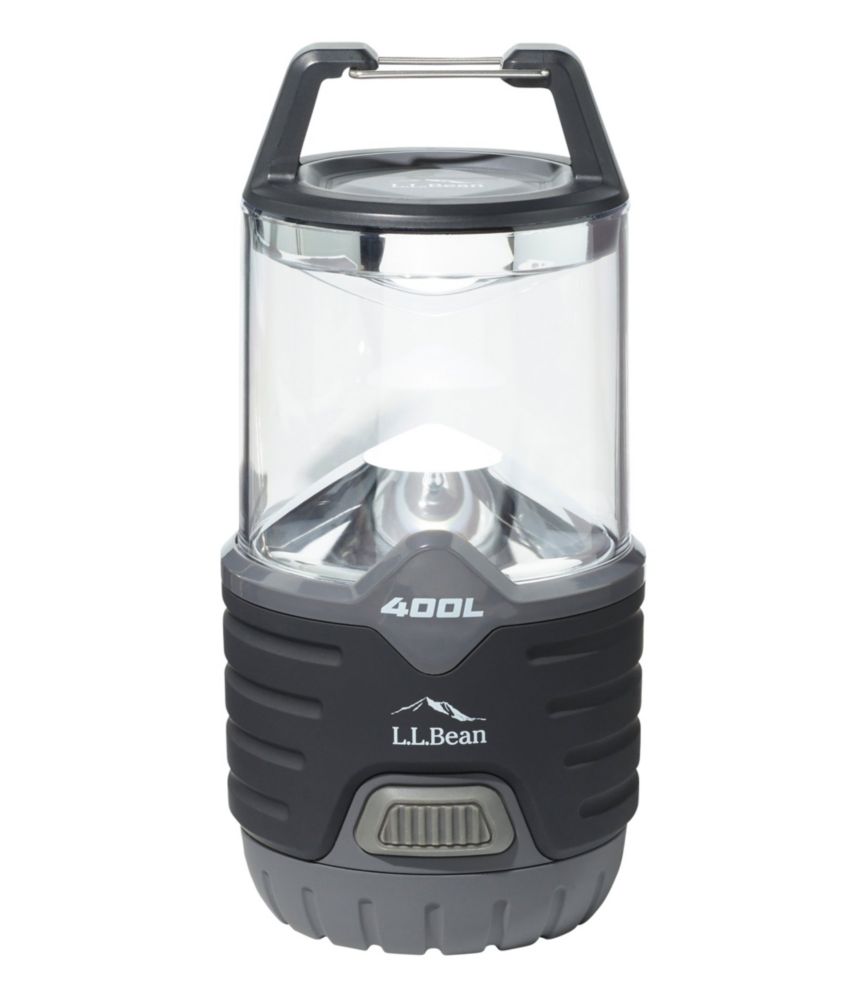
L.L.Bean Trailblazer 400 Lantern
L.L.Bean L.L.Bean Trailblazer 400 Lantern
A gray 400-lumen camping lantern with three brightness modes, a carabiner handle, and weather-resistant construction.
(399)
$32.95 $32.95
SALE
What customers like:
Well-made
Lightweight
Great light
Good for emergency lighting
Looks good
$32.95 $32.95
SALE
L.L.Bean Trailblazer 500 Rechargeable Lantern
L.L.Bean L.L.Bean Trailblazer 500 Rechargeable Lantern
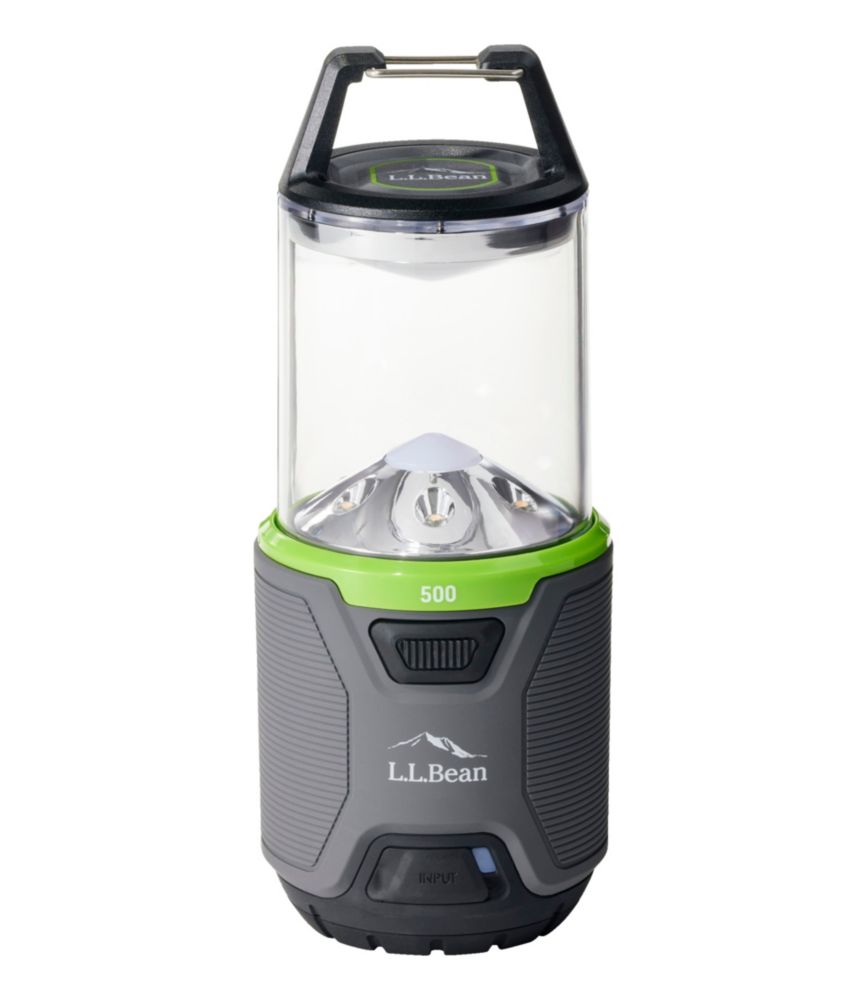
A black rechargeable lantern with 500 lumens, white and amber LEDs, device charging, and reserve power.
(0)
$64.95 $64.95
SALE
$64.95 $64.95
SALE
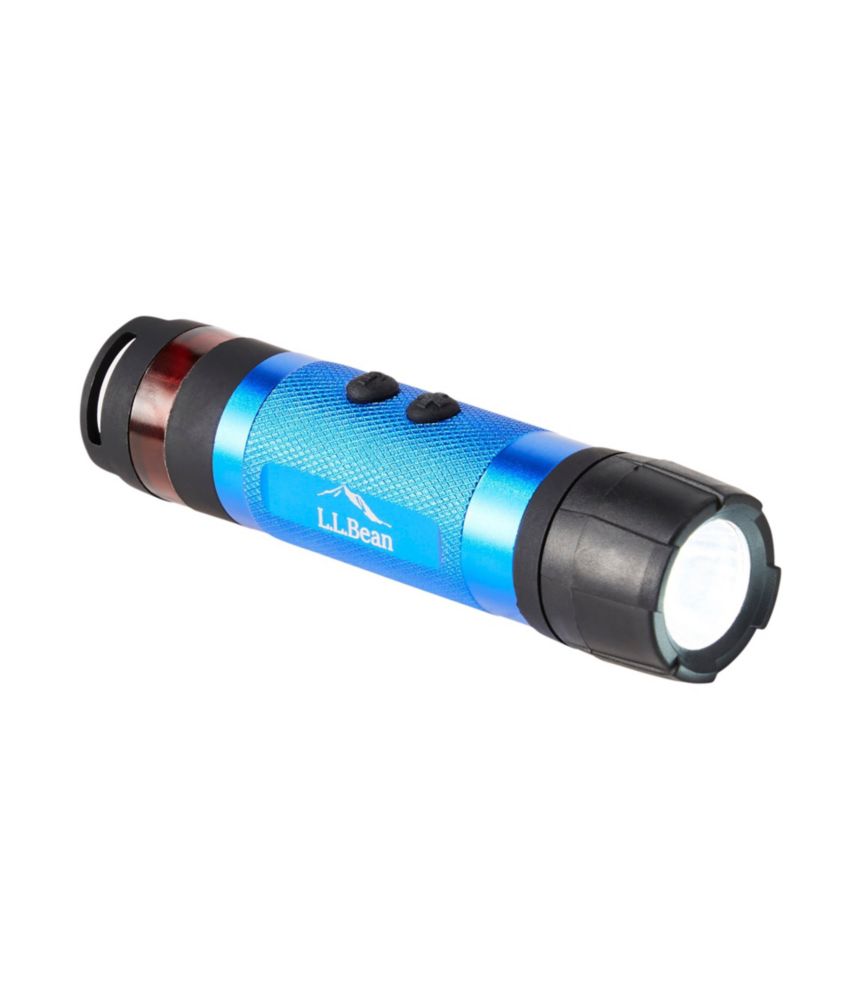
L.L.Bean Trailblazer 3-in-1 Flashlight
L.L.Bean L.L.Bean Trailblazer 3-in-1 Flashlight
A compact blue aluminum flashlight with seven modes, functioning as a flashlight, lantern, or safety light.
(433)
$16.95 $16.95
SALE
$16.95 $16.95
SALE
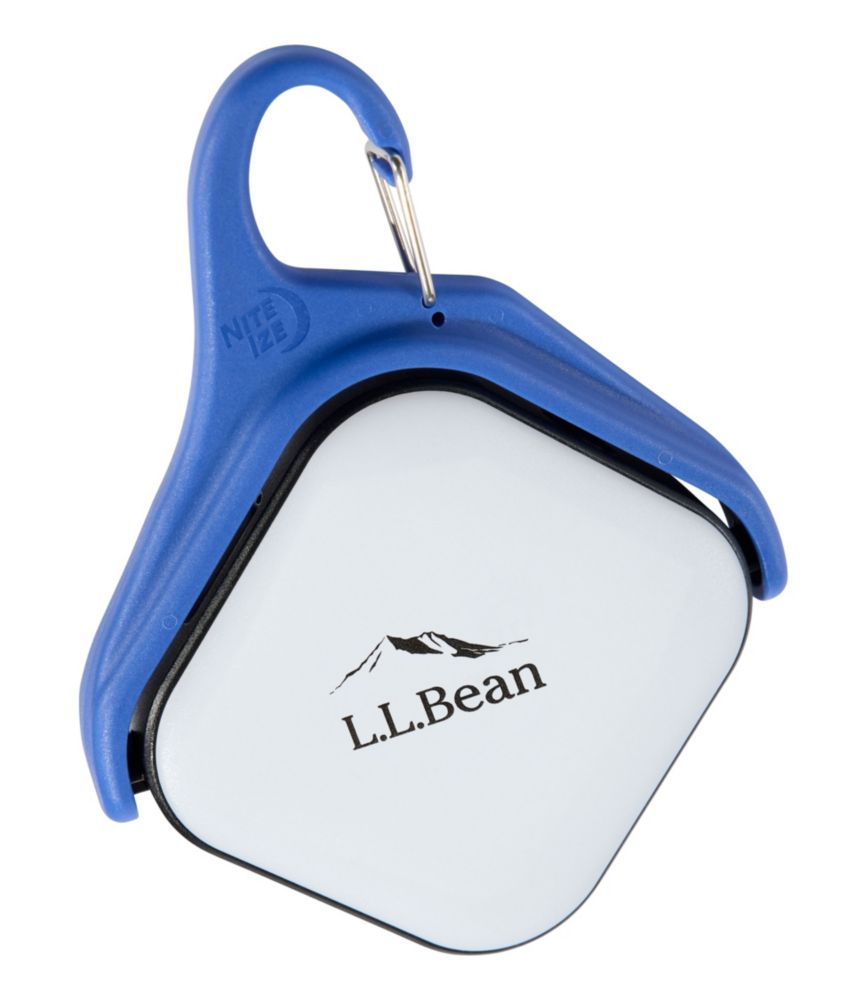
Trailblazer Rechargeable Solar Mini Lantern
L.L.Bean Trailblazer Rechargeable Solar Mini Lantern
A blue rechargeable solar lantern with 90-lumen output, three modes, rotating body and water-resistant construction.
(0)
$29.95 $29.95
SALE
$29.95 $29.95
SALE
L.L.Bean Trailblazer 700 Rechargeable Headlamp
L.L.Bean L.L.Bean Trailblazer 700 Rechargeable Headlamp
A red rechargeable headlamp delivering 700 lumens with seven modes and 1-meter waterproof protection.
(0)
$54.95 $54.95
SALE
$54.95 $54.95
SALE
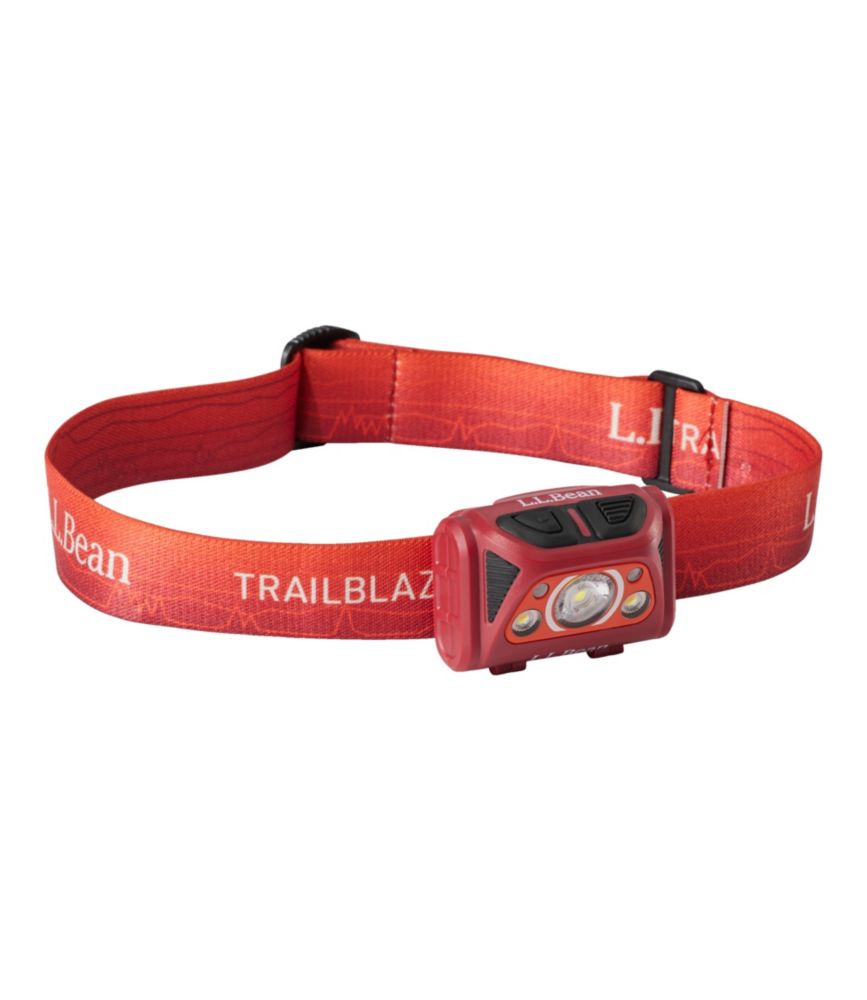
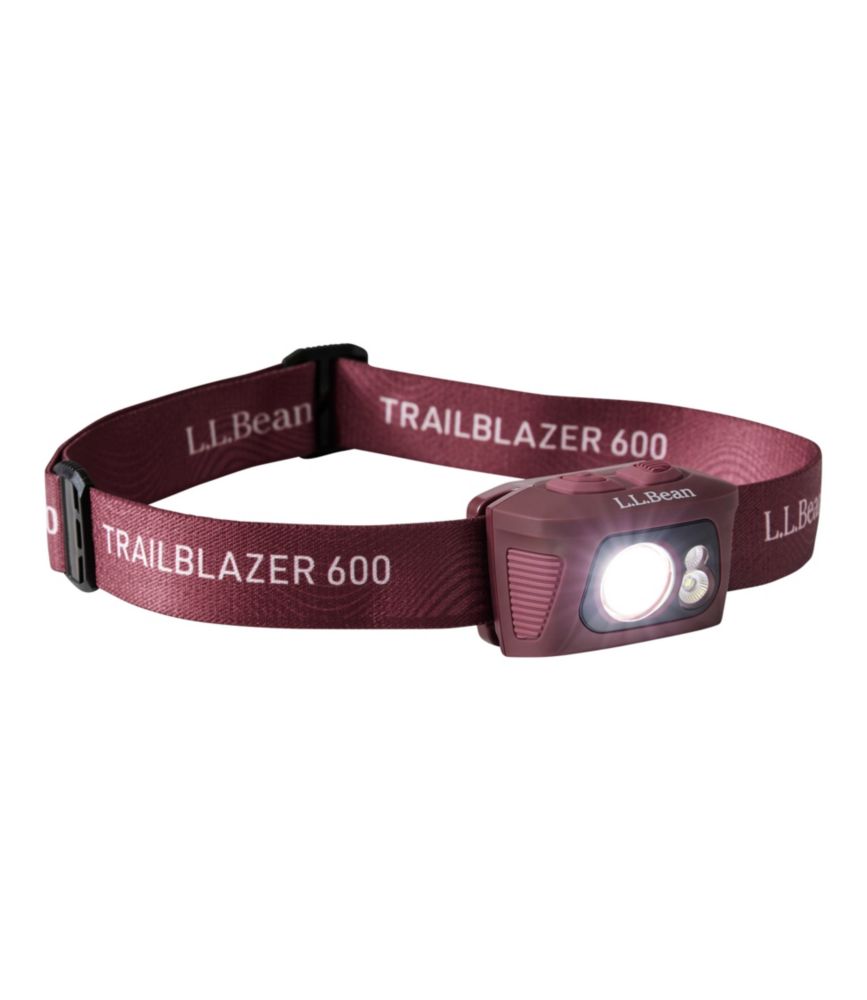
Trailblazer 600 Headlamp
L.L.Bean Trailblazer 600 Headlamp
A red headlamp with 600-lumen output, six lighting modes, 90-degree tilt and IPX4 water resistance.
(0)
$44.95 $44.95
SALE
$44.95 $44.95
SALE
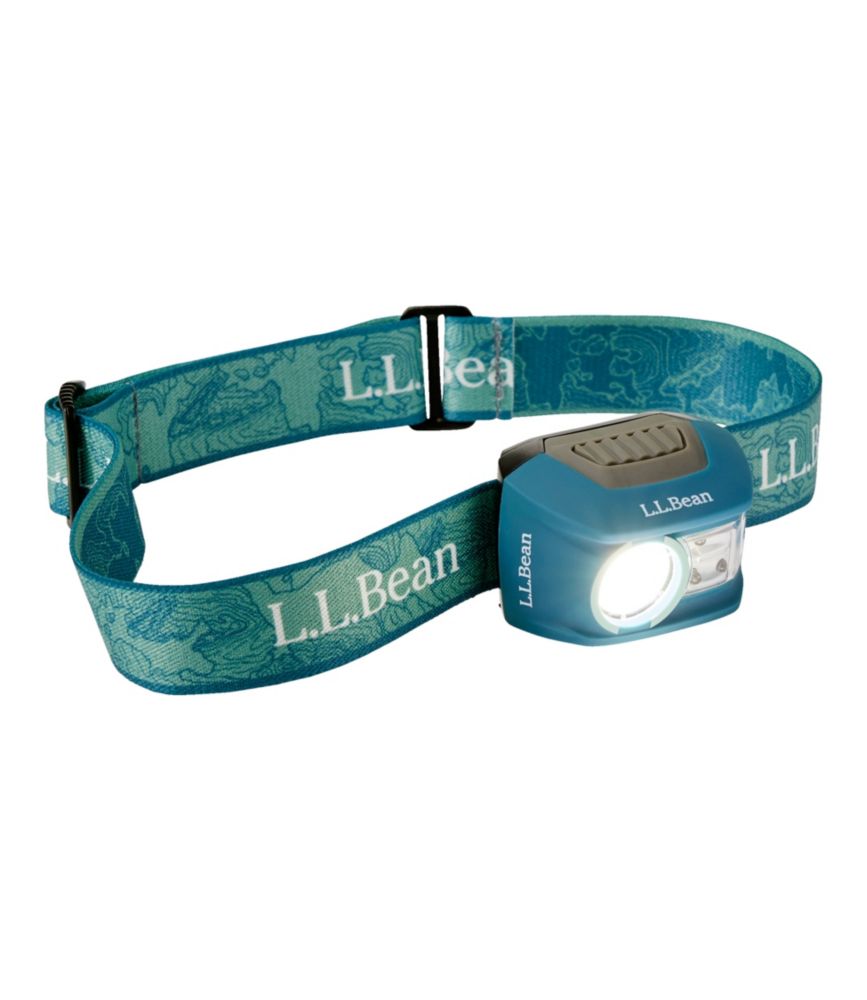
L.L.Bean Trailblazer 250 Headlamp
L.L.Bean L.L.Bean Trailblazer 250 Headlamp
A blue headlamp with 250-lumen output, red night-vision mode, 90° tilt, IPX4 water resistance, and 46-hour runtime.
(288)
$32.95 $32.95
SALE
$32.95 $32.95
SALE
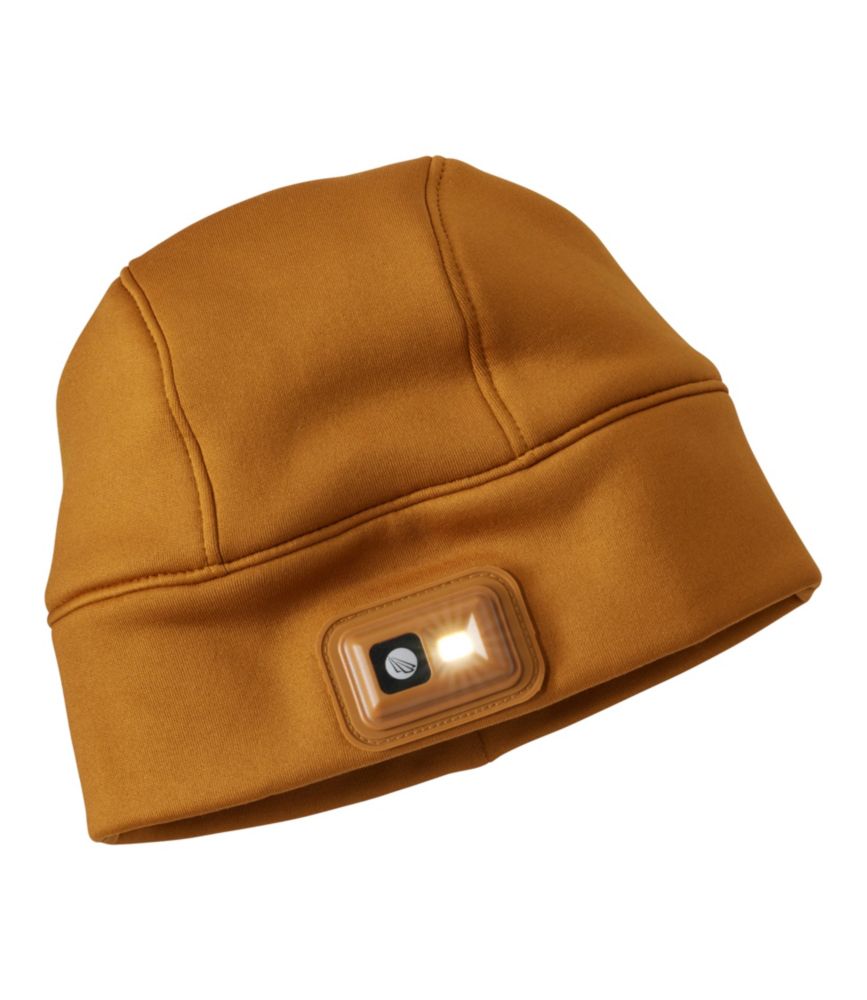
Adults' Pathfinder II Rechargeable Beanie
L.L.Bean Adults' Pathfinder II Rechargeable Beanie
A brown synthetic fleece beanie with rechargeable 150-lumen LED lighting, moisture-wicking lining and four brightness settings.
(0)
$39.95 $39.95
SALE
$39.95 $39.95
SALE
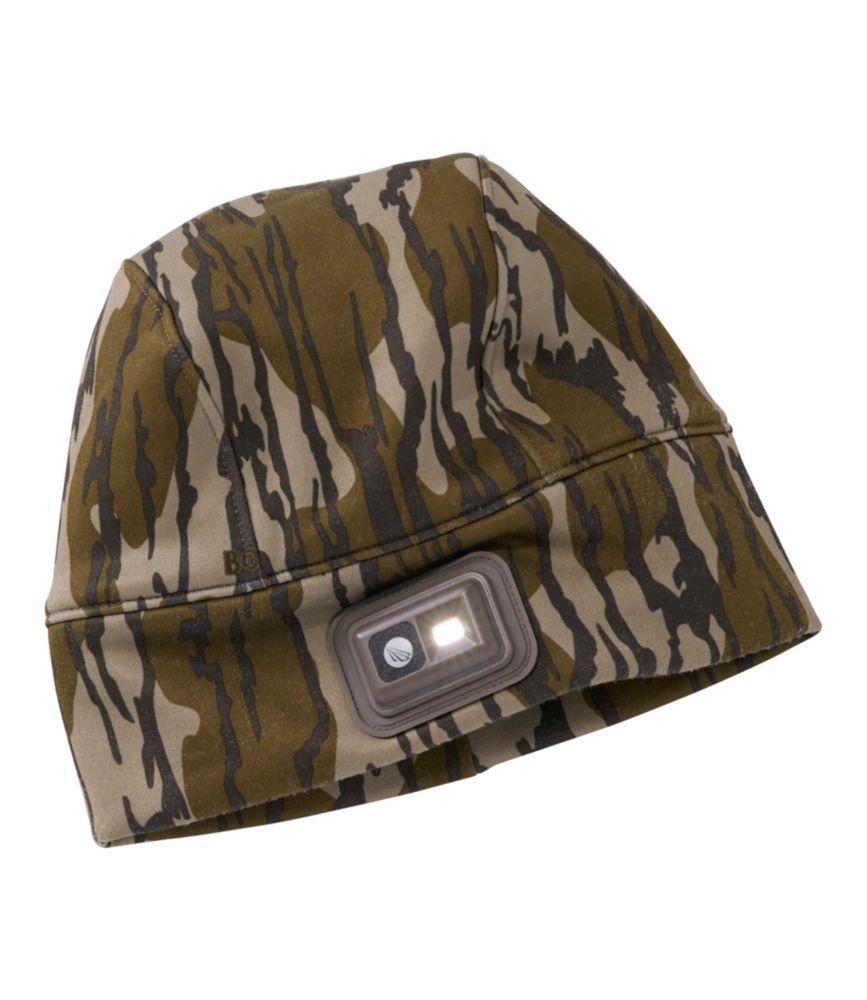
Adults' Pathfinder II Rechargeable Beanie, Camo
L.L.Bean Adults' Pathfinder II Rechargeable Beanie, Camo
A camo synthetic fleece beanie with a rechargeable 150-lumen LED, four lighting settings and moisture-wicking lining.
(0)
$39.95 $39.95
SALE
$39.95 $39.95
SALE

Emergency Lighting

Emergency lighting is lighting intended for situations when normal illumination is interrupted or unavailable. It belongs to a different conversation than choosing light for atmosphere or decoration: the starting point is an unexpected interruption and the practical details worth considering beforehand. A familiar entryway, a kitchen counter or the space beside a doorway can seem unremarkable until the usual lights are no longer part of the picture. That everyday context gives this category its purpose. For households thinking through their emergency plans, shopping begins with understanding what each product is intended to do, rather than assuming everything described as emergency lighting has the same features or requirements. The category name identifies a purpose, not a uniform set of specifications. Individual descriptions matter, and the most useful comparison is one that connects those descriptions with a clearly defined need. Someone organizing a shared household may approach the selection differently from someone reviewing an existing emergency plan, but both benefit from looking beyond appearance alone. Size, operating directions, care requirements and the manufacturer’s stated application all contribute to a more informed choice. There is also an important distinction between choosing a consumer product and meeting requirements for a regulated building. A retail category label does not establish compliance with building codes; requirements for a particular property should be confirmed with the appropriate local authority or a qualified professional. Keeping that distinction clear makes it easier to focus on the products and information relevant to the decision at hand. Emergency lighting deserves the same thoughtful attention as other practical purchases: a clear purpose, a close look at the details and a realistic understanding of what the individual product does. The result is a selection grounded in information rather than assumptions, with quality and relevance taking precedence over a long list of unfamiliar terms.

Comparing emergency lighting is easier when the details are considered together instead of in isolation. Dimensions provide a useful starting point because a photograph cannot show how an object will relate to its surroundings. A narrow shelf, a crowded cupboard and a designated household storage area each present a different amount of space; measuring the intended location helps put listed dimensions in context. Weight and handling details also deserve attention, especially when more than one person may need to use the selection. Materials and construction should be evaluated through the information supplied for each product, without treating a familiar appearance as evidence of a particular level of durability. The same approach applies to care: the manufacturer’s directions are the appropriate reference for cleaning, handling and storage, and those requirements are part of the ownership decision rather than an afterthought. A preference for straightforward upkeep is worth considering alongside other priorities, but it should be matched to the actual care information rather than an assumption about the category. Controls, setup requirements and operating directions can be equally important comparison points when they are described. A household that values a familiar routine may place particular importance on understanding those details before making a choice. Appearance still has a place in the decision, especially when the intended location is visible, but it should sit alongside the stated purpose and specifications rather than replace them. No single detail tells the whole story. A compact appearance does not establish dimensions, substantial-looking construction does not establish service life, and a category name does not explain how an individual product operates. Reading the description as a whole helps keep those distinctions clear. This is a practical category in which careful comparison can be more useful than choosing by looks alone, particularly when the goal is to make a considered purchase that fits an existing plan.

Thoughtful ownership gives an emergency-lighting purchase a place in a broader household routine. A designated location, accessible product directions and a shared understanding of the emergency plan are useful considerations beyond the initial selection. In a busy household, where schedules overlap and everyday belongings move from room to room, agreeing on where emergency supplies belong can help avoid confusion about their location. That does not require an elaborate system; it calls for a plan that the people involved understand. Product-specific checks, maintenance and storage should follow the manufacturer’s instructions, with no assumption that every selection requires the same attention. Reviewing those instructions also provides an opportunity to understand any limitations and decide whether the product’s stated purpose matches the original need. For a wider view of related planning considerations, the Emergency Preparedness page provides a natural next step. Lighting is one part of that larger subject, not a substitute for a complete plan or professional advice where it is needed. It can also be a thoughtful gift for someone who appreciates practical purchases, provided the choice reflects the recipient’s preferences and circumstances. A person establishing a household, organizing shared belongings or taking a fresh look at an emergency plan may value the consideration behind such a gift. The useful starting point is a conversation about what would be welcome, rather than a guess about features or requirements. Including the original product information keeps the relevant directions with the gift and leaves the recipient with the details needed to assess its place in their own plan. Whether shopping for personal use or choosing something for another household, the strongest approach remains straightforward: understand the intended purpose, compare the documented details and consider the responsibilities that come with ownership. Emergency lighting earns attention as a practical category, with the individual product information providing the foundation for a confident, well-considered choice.

FAQs