It's time to upgrade your browser

Your current browser is no longer supported on llbean.com. Please upgrade to one of the following for a smoother, safer shopping experience with us:

Black Tables

Explore black tables with a timeless look that pairs easily with existing furniture. Compare shapes, dimensions and design details to find a table that suits your space, whether you prefer a coordinated look or a contrasting accent.
Read More
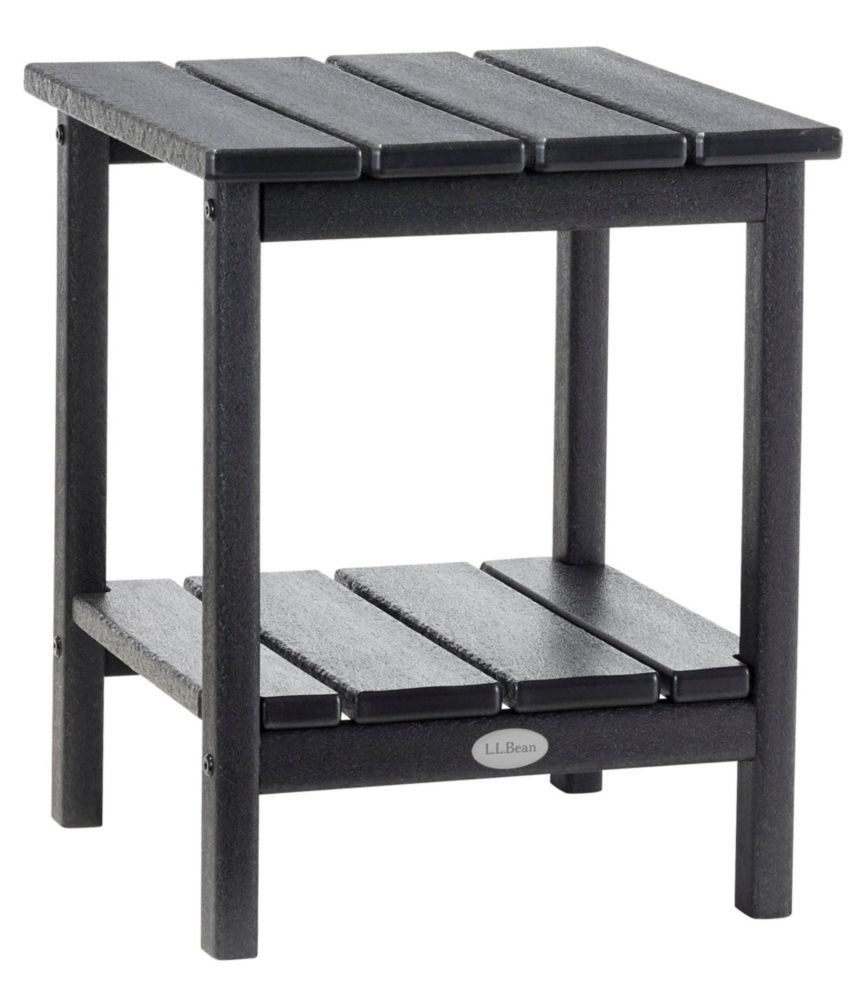
All-Weather Square Side Table
L.L.Bean All-Weather Square Side Table
A durable black side table made from HDPE lumber and stainless steel, perfect for year-round outdoor use.
(403)
$160 $160
SALE
What customers like:
Easy to assemble
Weather resistant
Sturdy
Durable
Well made
$160 $160
SALE
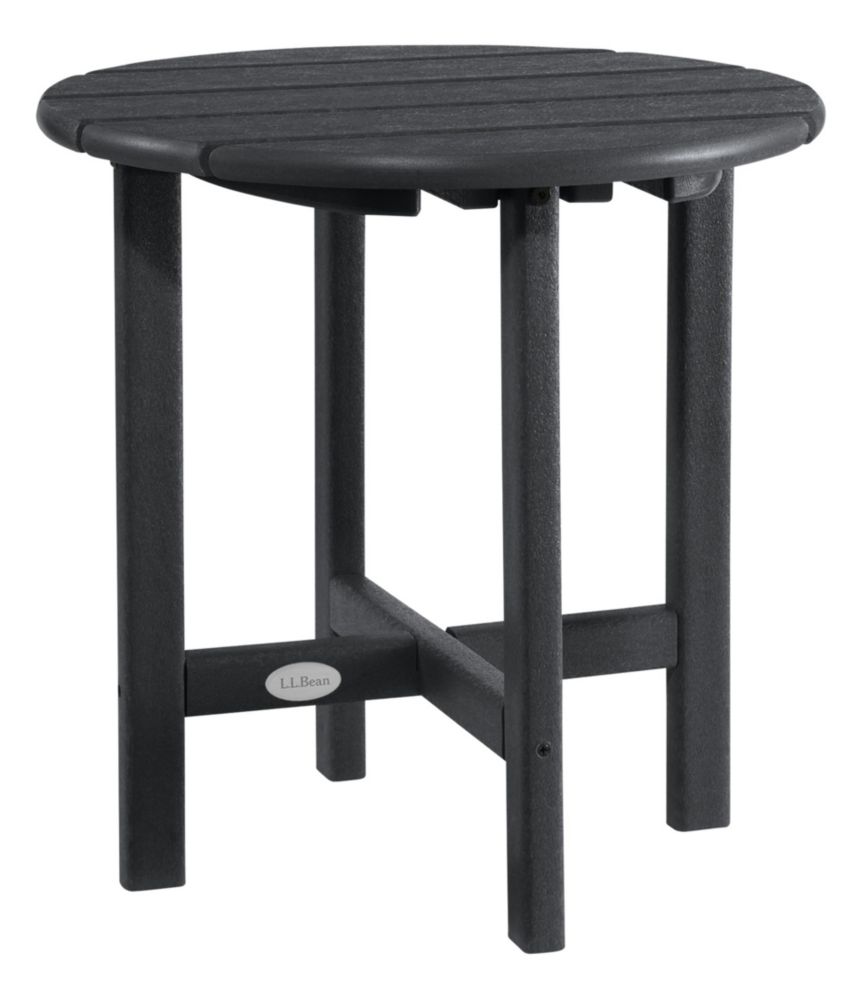
All-Weather Round Side Table
L.L.Bean All-Weather Round Side Table
A durable black outdoor side table made from HDPE lumber and stainless steel, resistant to all weather.
(397)
$130 $130
SALE
What customers like:
Well-designed
Easy to assemble
Good quality
Sturdy
Beautiful color
$130 $130
SALE
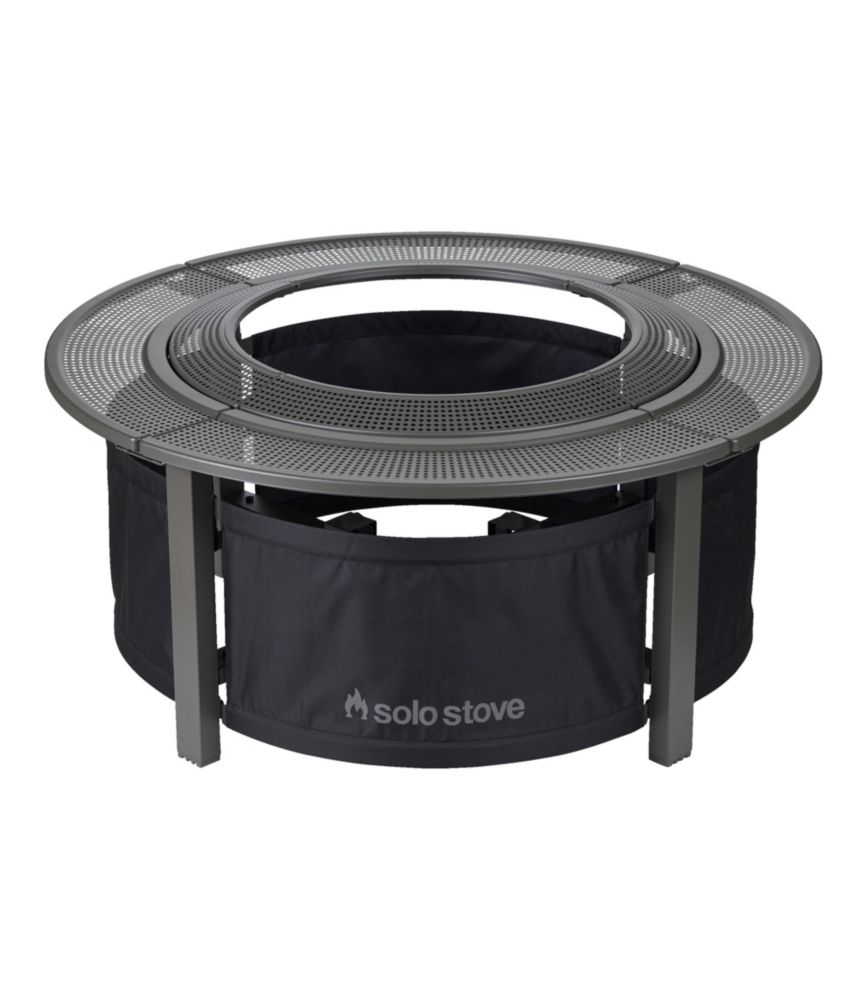
Solo Stove Bonfire Surround Table
Solo Stove Solo Stove Bonfire Surround Table
A black 360° surround table that doubles as a protective barrier and convenient tabletop for adults.
(0)
$349.99 $349.99
SALE
$349.99 $349.99
SALE

Black Tables

Black tables are tables defined by their black color, rather than by a single shape, size, or furniture style. That distinction makes color a useful starting point, while leaving room to choose a design that feels at home with the furnishings already in place. Black is a neutral with a strong visual presence: against a pale wall or a light-colored rug, it creates a clear outline; alongside darker furnishings, it becomes part of a quieter, more unified arrangement. The overall effect depends as much on the table’s proportions as on its color. A slender profile can look understated, while a broad top and substantial base can become a focal point. Rounded edges introduce a different rhythm than straight lines, and the shape of the base influences how much open space appears beneath the top. These details are worth considering together rather than choosing by color alone. For a setting with many different patterns, a black table can provide a simple visual reference without adding another competing color. In a more restrained arrangement, its silhouette may be the detail that gives the space character. Picture a pale rug, softly colored upholstery, and a few black accents: a table in the same shade can connect those separate elements without requiring every furnishing to match. The same approach works with a favorite piece of artwork or a dark picture frame, where repeating a color helps the whole arrangement feel considered. There is no need to build an entirely black-and-white setting around the table. Earthy colors, muted shades, and brighter accents each create a different relationship with black. The best combination is one that reflects the people who share the space, whether their taste leans toward clean lines, familiar shapes, or a mix collected over time.

Size and proportion deserve the same attention as appearance when comparing black tables. Start with the listed length, width, and height, then consider what those measurements mean within the existing furniture arrangement. A photograph can make a table look larger or smaller than it will appear in person, especially when the surrounding objects provide little sense of scale. Marking the outline on the floor with removable tape gives a clearer picture of its footprint and the space that would remain around it. Measure the gaps between neighboring furnishings as well as the open area itself; a table can fit within a space yet still make the arrangement feel crowded. Height changes the visual relationship, too. Compare the proposed height with nearby furniture rather than looking at that number on its own. A lower profile may create a more horizontal composition, while a taller one introduces a stronger vertical line. Neither is automatically the better choice; the right proportion depends on the surrounding pieces and the look being created. Shape is another useful point of comparison. A circular outline breaks up a setting dominated by straight edges, while a rectangular outline repeats those lines. Notice the base as well as the top, since the amount of visible space beneath a table affects how substantial it appears. For black tables in particular, contrast can make the silhouette stand out, so small differences in shape may have a noticeable effect. Look at product images from several angles when possible, paying attention to the edges, legs, and overall outline rather than only the front view. Consult individual product details for measurements and care instructions, and keep those instructions with the furniture after purchase. A shared color does not mean every table requires the same care. Choosing with those details in mind makes the comparison more complete than a quick decision based on a photograph.

A black table does not need to match every surrounding piece to look intentional. Repeating one or two visual details is often enough to establish a connection: the curve of an edge, the angle of a leg, or a dark accent elsewhere in the setting. If existing furniture has a mix of shapes, decide which detail should tie the arrangement together before adding another piece. A table with a simple outline can leave more attention on patterned furnishings, while a distinctive silhouette can become the element around which the rest of the arrangement is organized. Comparing black tables with Wood Tables can also help clarify whether color, shape, or the overall appearance is the most important part of the decision. The goal is not to follow a single decorating formula, but to find a table that belongs with the surroundings and feels right to the people choosing it. Consider the view from different parts of the space, not just the angle shown in a favorite photograph. A table that appears subtle against one background may stand out sharply against another. Lighting also affects the impression of black, so consider how the color relates to the light and shadows already present without assuming that a screen image will show every detail exactly. If furniture is being considered as a gift, confirm the recipient’s preferred style, measurements, and existing arrangement before making a choice. Furniture is personal, and an agreed-upon shape or size is more useful than guessing from a favorite color alone. For a shared household, it can help to compare preferences together, distinguishing between details that matter most and those that leave room for compromise. Keep the final decision grounded in the basics: the black color, a pleasing silhouette, appropriate dimensions, and care information that is clear. Those considerations help turn a broad search into a thoughtful furniture choice without making the space feel overly coordinated.
Read More

FAQs