It's time to upgrade your browser

Your current browser is no longer supported on llbean.com. Please upgrade to one of the following for a smoother, safer shopping experience with us:

Coffee Tables

Find coffee tables that complement your seating area and the furniture you already love. Browse the selection with your room’s layout in mind, and check individual product details for dimensions and design features to help choose the right fit for your space.
Read More
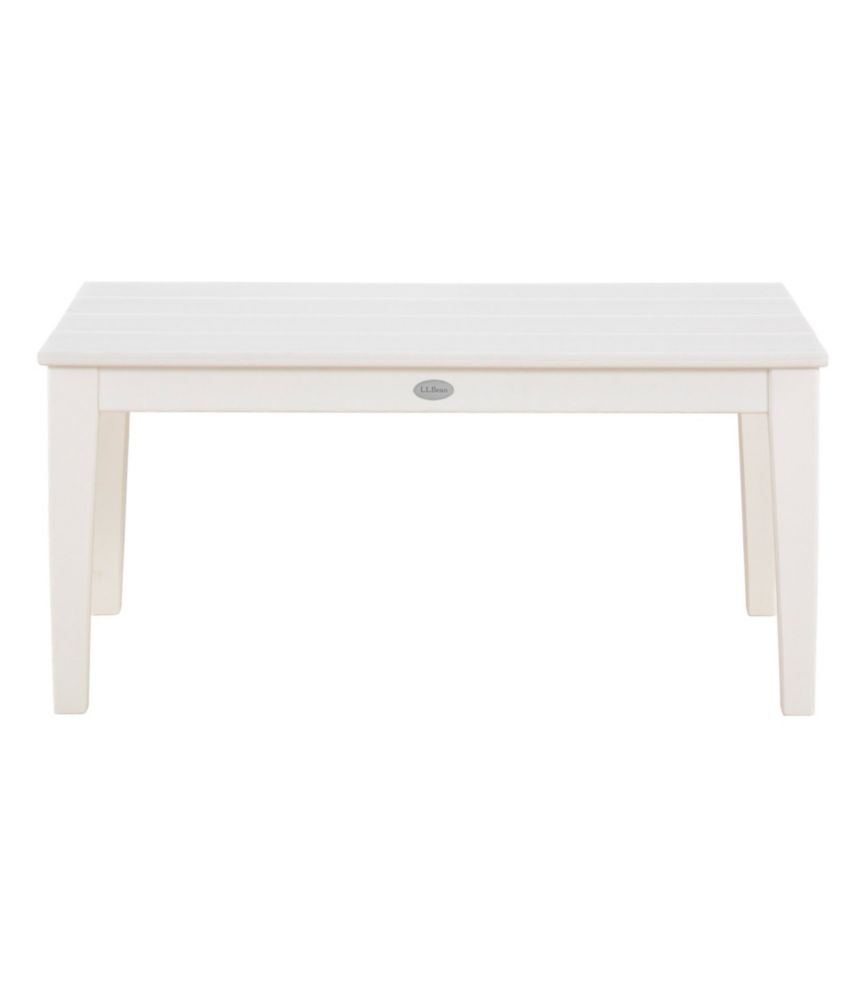
All-Weather Patio Coffee Table
L.L.Bean All-Weather Patio Coffee Table
A durable, white patio coffee table made from HDPE lumber and stainless steel, perfect for year-round outdoor use.
(27)
$350 $350
SALE
What customers like:
Attractive
Sturdy
Comes assembled
Well made
$350 $350
SALE
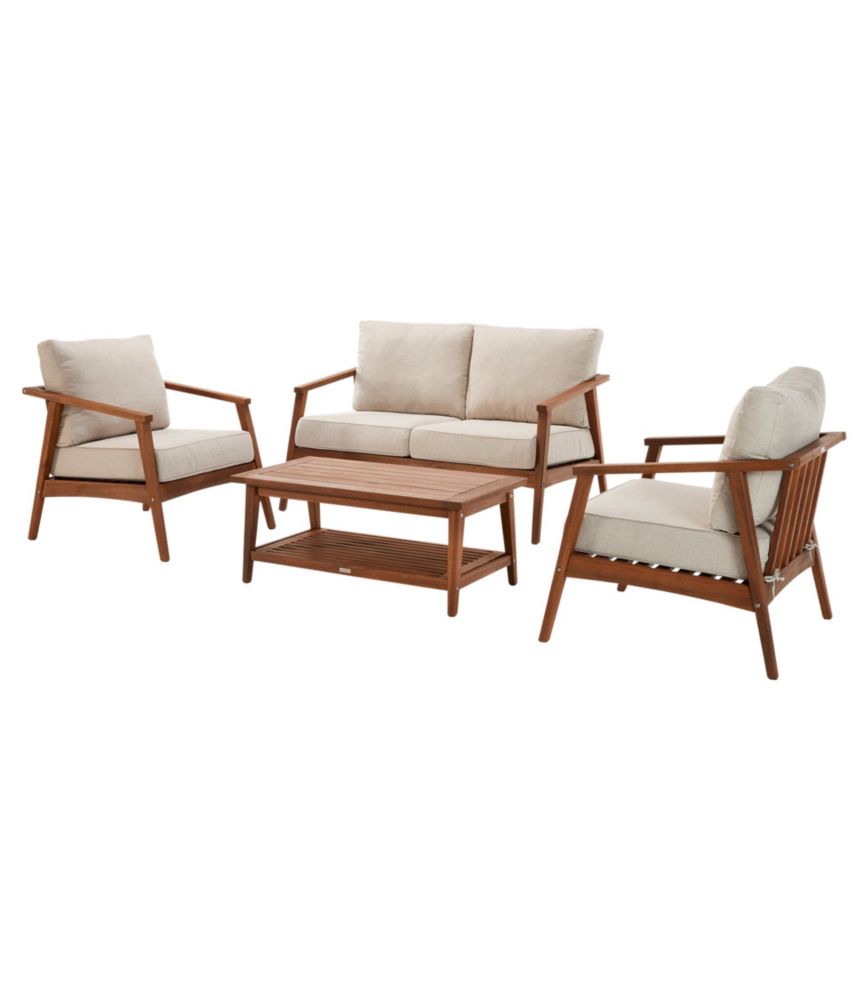
Eucalyptus 4-Piece Patio Set
Outdoor Interiors Eucalyptus 4-Piece Patio Set
A durable four-piece patio set made from Brazilian eucalyptus hardwood with weather-resistant olefin cushions.
(0)
$2800 $2800
SALE
$2800 $2800
SALE
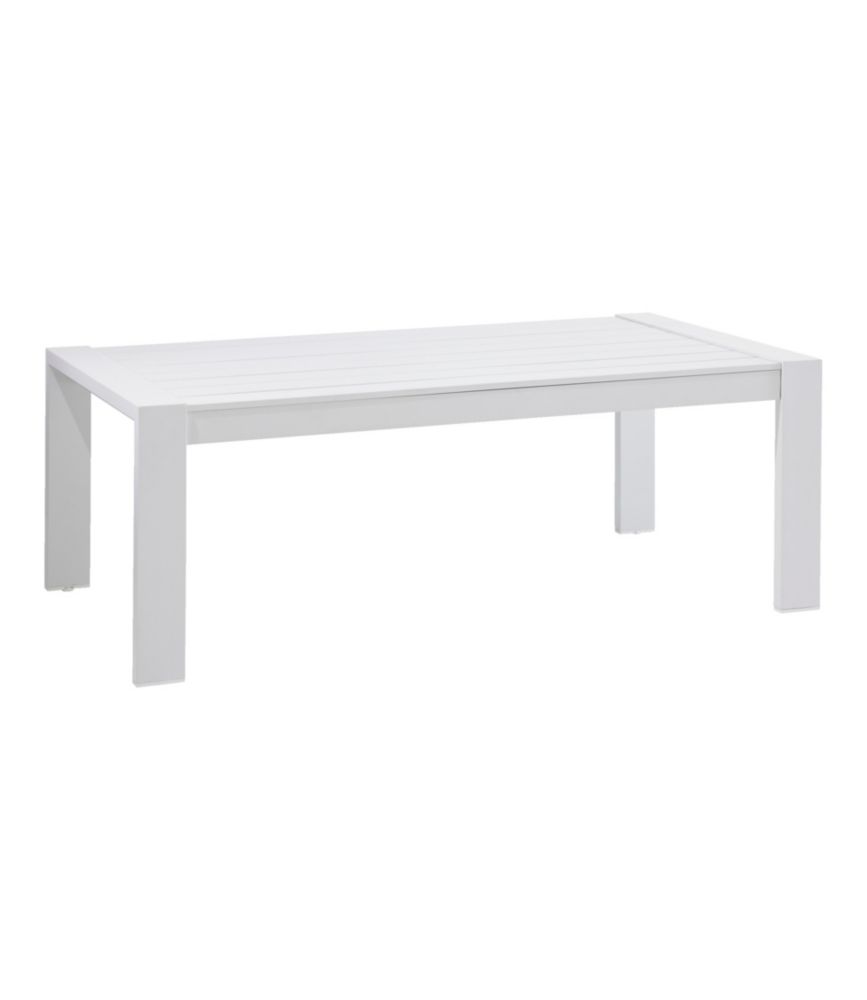
White Aluminum Deep Seating Coffee Table
Outdoor Interiors White Aluminum Deep Seating Coffee Table
A stylish white aluminum coffee table, lightweight, weather-resistant, and perfect for outdoor living spaces.
(0)
$430 $430
SALE
$430 $430
SALE

Coffee Tables

Coffee tables help give a seating arrangement a sense of balance, bringing a room’s individual pieces into a more connected whole. Their lower profile makes them a noticeable part of the room without competing with the furniture around them, and their shape can reinforce or soften the lines of a sofa and chairs. A rectangular outline has a familiar, classic look, while a square silhouette brings a more symmetrical feel. Round and oval shapes introduce curves, offering a visual contrast to straight arms, tailored cushions, and neatly framed artwork. The most appealing choice is not necessarily the largest or the most decorative; it is the one whose proportions feel right alongside the furnishings already in place. As a starting point, a coffee table around two-thirds the length of a sofa often creates a balanced arrangement, though that guideline is worth adjusting for the room and the table’s overall shape. Height matters just as much as length. A tabletop approximately level with the sofa seat, or slightly lower, generally looks more connected to the seating than one that rises well above it. Measure the seat cushion rather than the sofa arms or back, and compare that measurement with the table’s listed dimensions. A deep sofa, a compact loveseat, and a sectional each create a different visual setting, so a single measurement cannot tell the whole story. Consider the open area within the seating arrangement, too, especially where a sectional changes direction. A table that looks modest beside a long sofa may feel substantial within a smaller arrangement of chairs. Taking measurements before choosing helps translate an appealing photograph into a clearer picture of the room. Marking the table’s outline on the floor with painter’s tape can make differences in length, width, and shape easier to see, particularly when two options look similar on a screen.

The character of a coffee table comes from more than its outline. The thickness of the top, the shape of the legs, the amount of open space beneath it, and the relationship between its base and edges all influence its appearance. Slender legs and a clearly defined space below the tabletop create a different visual impression from a broad, solid-looking base. Neither approach belongs exclusively to a large or small room; the surrounding furniture helps determine the balance. Beside a sofa with a substantial profile, a visually lighter table can add contrast, while a more substantial silhouette can echo the presence of generously scaled seating. Details such as tapered legs, curved edges, and a simple apron can also connect a table with the rest of the room without requiring every piece to match. A home often feels more personal when its furnishings share a few qualities rather than an identical design. Repeating a rounded line, a similar tone, or a comparable level of detail can establish that connection. For a quiet, uncluttered look, consider how many different shapes and decorative elements are already visible. Patterned upholstery, a detailed rug, and a full bookcase may call for a simpler table profile, while a restrained seating arrangement leaves more room for a distinctive silhouette. Color is another useful point of comparison: a close tonal relationship creates continuity, and a stronger contrast gives the table more visual definition. If coordinating other furnishings is part of the decision, Wood Tables offers another place to explore the overall look. Keep the focus on how the pieces relate rather than trying to make every surface identical. A favorite chair, a well-chosen lamp, and a coffee table with complementary proportions can feel thoughtfully brought together without looking like a matched set. That flexibility leaves room for a home’s character to develop over time.

Beyond appearance, clear product details make comparing coffee tables more straightforward. Check the full dimensions, including any part of the base or top that extends beyond the main outline, rather than relying on the first image alone. Photographs taken from above can make a table appear broader, while a low camera angle can emphasize height or the base. Looking at several views helps reveal details that one photograph may miss. Think about spacing as part of the complete arrangement, not simply the gap directly in front of the sofa. An initial distance of about 18 inches between the table and seating can be a useful reference, but the right layout depends on the room, the furniture, and the people sharing it. A main passage through the room needs separate consideration and may require considerably more clearance. Trace the route from a doorway to the seating, and account for nearby cabinet doors or other furnishings that open into the space. These small checks help prevent a well-proportioned table from feeling crowded once everything is in place. For construction, materials, and care, the individual product description is the best reference; appearance alone does not establish how a surface should be maintained or what treatment it requires. Review the stated cleaning directions before choosing, and follow them rather than assuming that a familiar household cleaner is appropriate. If a design includes additional components, compare their measurements and instructions as carefully as those of the tabletop. Quality and lasting appeal deserve attention alongside dimensions, but a photograph or style name cannot establish durability. Look for specific construction information instead of drawing conclusions from a substantial-looking profile. When choosing a coffee table as a housewarming gift, confirming the recipient’s preferred dimensions and style is especially thoughtful, since furniture is a personal part of a home. Whether completing a new arrangement or replacing a piece that no longer feels right, a considered choice brings together scale, character, and the details that matter to the household. The result is a room that feels welcoming, familiar, and distinctly personal.
Read More

FAQs