It's time to upgrade your browser

Your current browser is no longer supported on llbean.com. Please upgrade to one of the following for a smoother, safer shopping experience with us:

Backpacks for Men With Back Support

Find backpacks for men with back support, and narrow your choices by size, style and capacity. Compare individual product details for fit information and back support features to choose a pack that suits you and what you need to carry.
Read More
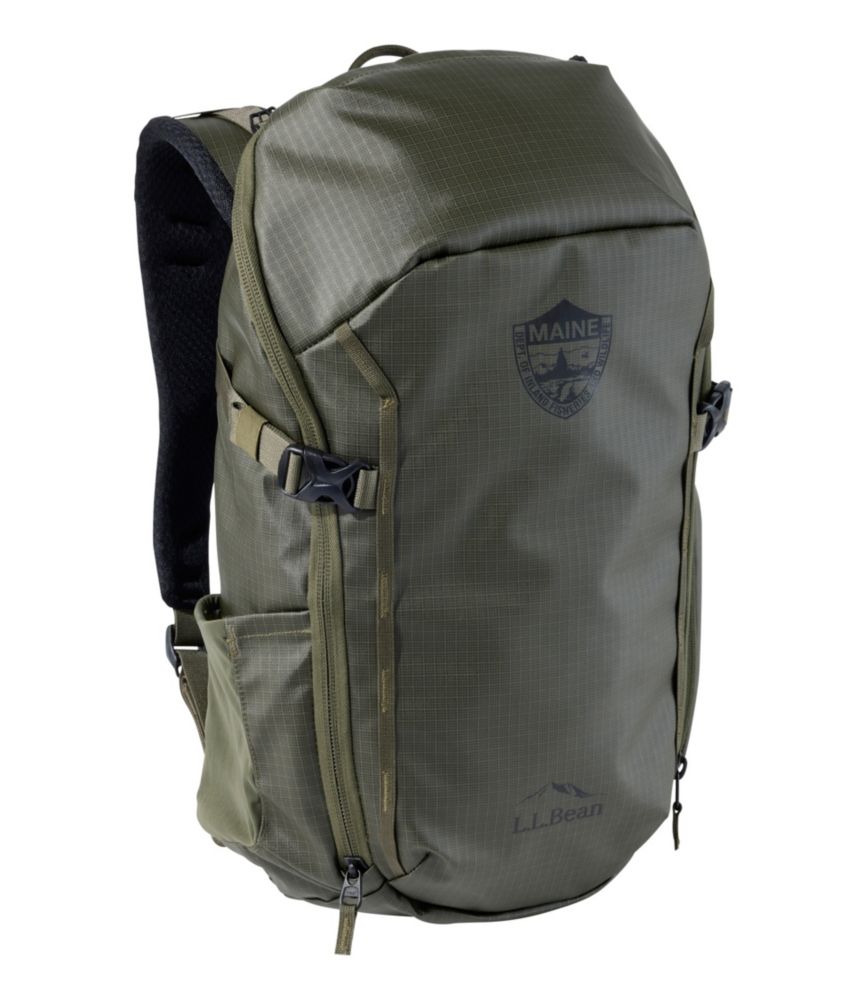
Maine Warden's Field Pack
L.L.Bean Maine Warden's Field Pack
A rugged green day pack made from waterproof TPU-coated recycled polyester, designed for demanding outdoor adventures.
(0)
$170 $170
SALE
$170 $170
SALE
L.L.Bean Deluxe Book Pack®, 37L
L.L.Bean L.L.Bean Deluxe Book Pack®, 37L
A rugged brown nylon backpack with weatherproof fabric, padded support, dual compartments, and reflective trim.
(2,724)
$54.95 $54.95
SALE
$54.95 $54.95
SALE
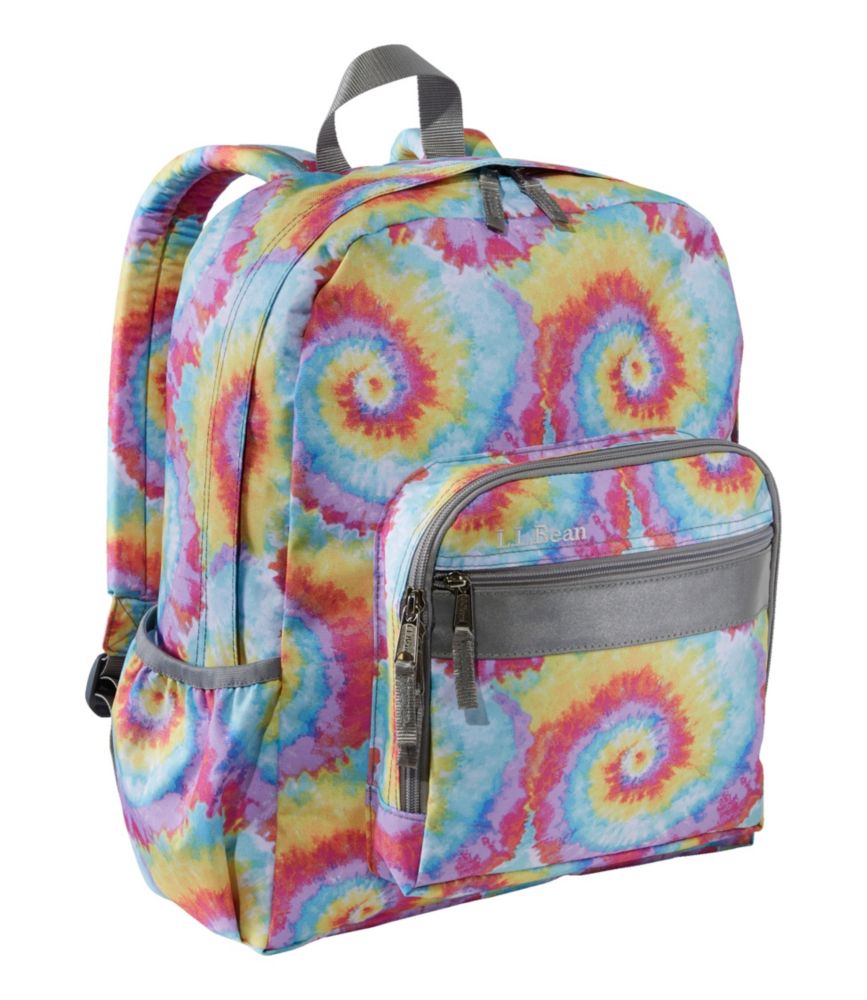
L.L.Bean Deluxe Book Pack®, 37L, Print
L.L.Bean L.L.Bean Deluxe Book Pack®, 37L, Print
A rugged, multi-color polyester backpack with weatherproof fabric, dual compartments, and reflective trim for visibility.
(2,064)
$54.95 $54.95
SALE
$54.95 $54.95
SALE
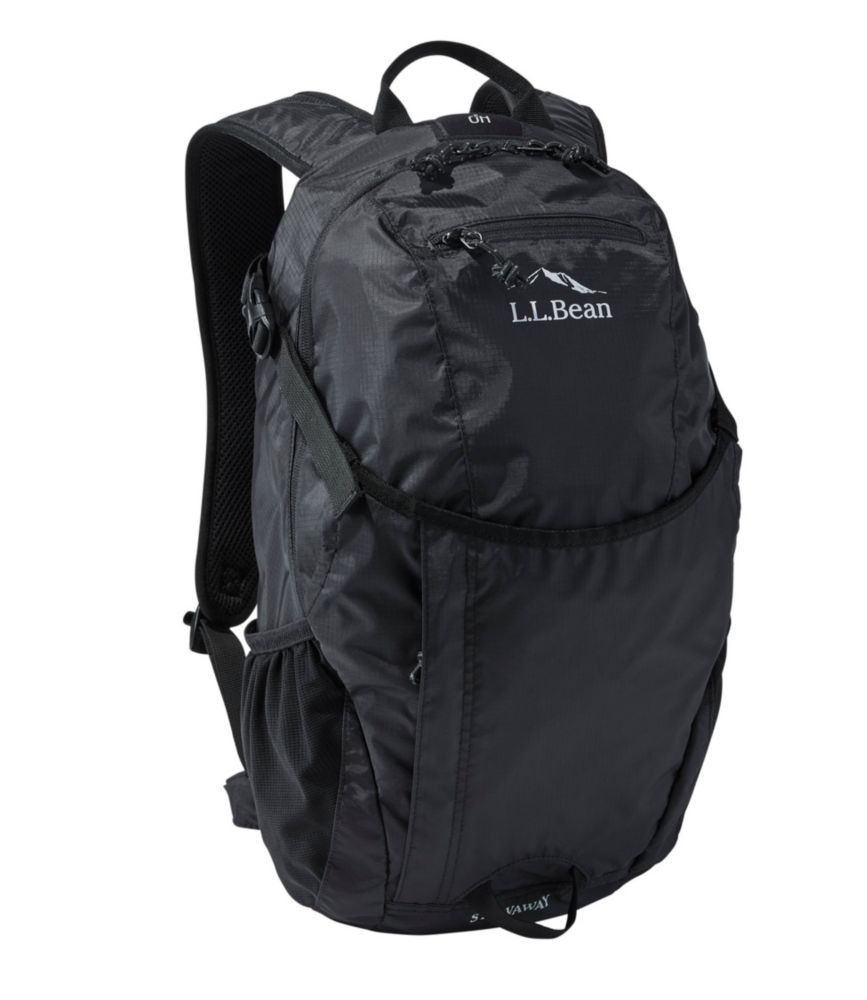
L.L.Bean Stowaway Pack, 20L
L.L.Bean L.L.Bean Stowaway Pack, 20L
A sleek, mallard teal day pack made from recycled polyester, perfect for travel with its compact stowaway feature.
(1,045)
$69.95 $69.95
SALE
What customers like:
Functional design
Plenty of space
Lightweight
Durable
Beautiful colors
$69.95 $69.95
SALE
Trail Model Day Hiking Pack
L.L.Bean Trail Model Day Hiking Pack
A rugged black hiking pack made from recycled polyester with a hydration sleeve and multiple pockets.
(0)
$89.95 $75.99
SALE
$89.95 $75.99
SALE
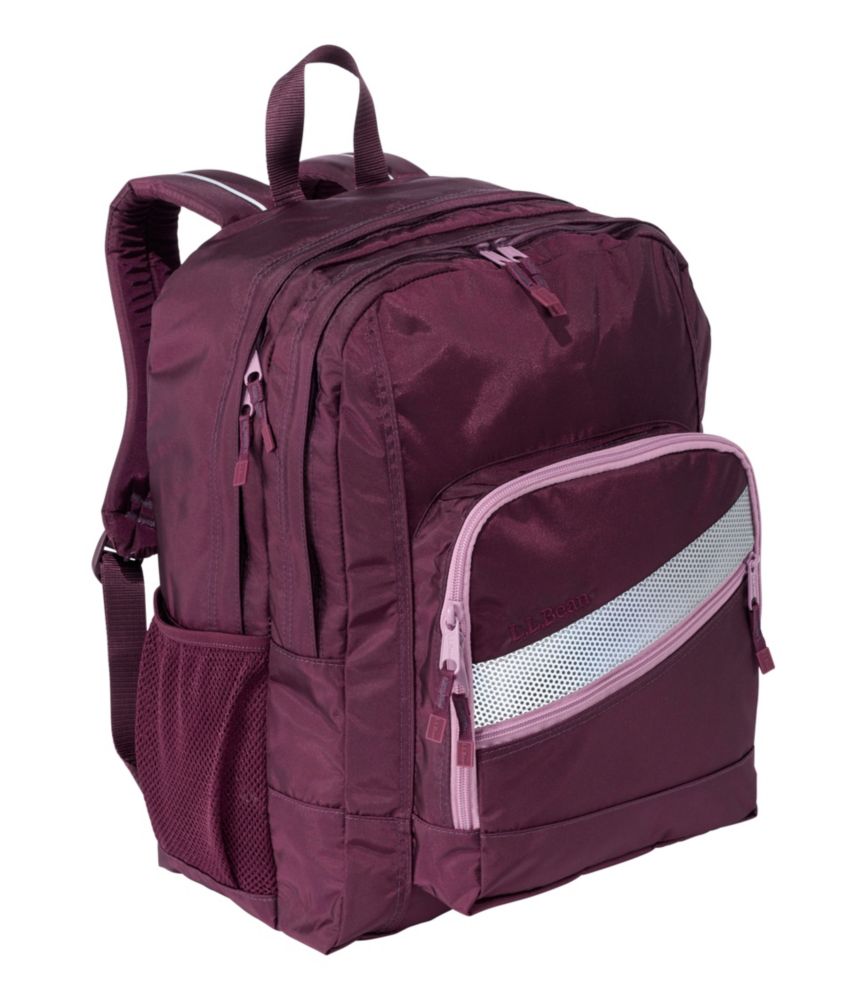
Super Deluxe Book Pack, 41L
L.L.Bean Super Deluxe Book Pack, 41L
A spacious purple nylon backpack with dual compartments, padded laptop sleeve, and reflective piping for visibility.
(0)
$79.95 $79.95
SALE
$79.95 $79.95
SALE

Backpacks for Men With Back Support

Backpacks for men with back support bring a practical consideration to the center of the search: how a backpack fits against the back, not simply how it looks from the front. Back support is worth considering alongside overall size, personal fit, and the amount someone expects to carry. The term alone does not describe every detail of a backpack’s design, and it should not be treated as a promise of pain relief or a substitute for an individual fit assessment. A useful comparison starts with each backpack’s description, dimensions, and sizing information rather than an assumption that every design will feel the same. Two people of similar height can have different torso proportions, so the men’s designation is a starting point, not the whole fit story. Likewise, two backpacks that look much alike in a photograph may have different measurements and adjustment options. For someone who prefers a smaller silhouette, the relationship between the backpack’s dimensions and the wearer’s frame may matter as much as its stated capacity. Someone who tends to carry more will have a different set of size considerations, but bigger is not automatically a better match. Picture the belongings laid out together before they go into a bag: the essentials, the occasional extras, and the things that have been coming along out of habit. That picture provides a more useful starting point than choosing the largest option without considering what belongs inside. This collection puts men’s backpacks with back support in focus while leaving room for those individual preferences. The appeal is straightforward: a considered choice that takes the wearer into account. A familiar shape, an understated appearance, and the right proportions can all influence that choice without making the decision complicated. Back support deserves attention, but the backpack as a whole should also feel like something its owner would naturally reach for.

Size and fit become easier to compare when the details are specific. Capacity and exterior dimensions describe different aspects of a backpack, so both deserve a look in the individual listing. Capacity is a measure of volume; dimensions help put that volume into perspective. Neither number, by itself, establishes how the backpack will fit a particular person or accommodate a particular collection of belongings. A tall, narrow outline and a shorter, wider outline can present very different proportions even when their stated capacities are close. Photographs offer another perspective, especially when several views are provided, but measurements remain the more concrete reference. Comparing those measurements with a backpack someone already owns can help make an unfamiliar size easier to picture. The same measured approach applies to back support: look to the individual description for the design details rather than reading more into the category name than it says. Where sizing or adjustment instructions are provided, those details are part of the comparison, not an afterthought. Personal preferences also matter. Some people appreciate a visually simple backpack; others want more visible detail. Some prefer a close, compact outline, while others are comfortable with a larger profile. Appearance is not a measure of support, and a substantial-looking design is not proof of a better fit. Material composition, construction information, and care directions should also be considered at the individual backpack level. Those details help distinguish choices without assuming that every backpack shares the same fabric, finish, or maintenance requirements. For anyone also exploring a neighboring category, Daypacks For Men offers another place to browse, with each listing providing the details needed for a separate comparison. Keeping the focus on actual measurements, stated features, and personal preferences makes the selection more meaningful than relying on a single label. The goal is not to find the most elaborate description, but to recognize the backpack whose documented details best align with the person choosing it.

A backpack is also a personal belonging, and the small preferences someone develops over time are worth respecting. There may be a particular size that feels familiar, a preference for a quiet design, or a clear sense that the next backpack should have different proportions from the last. Those observations give the search direction without requiring a complicated checklist. A backpack already hanging by the door can be a useful reference: its measurements, its appearance, and what its owner would change all provide concrete points of comparison. Intended use belongs in that personal picture, but the individual product description should establish whether a particular backpack matches it; the collection title alone cannot answer every question about suitability. Durability deserves the same thoughtful approach. It is better assessed through documented construction details and the relevant product information than through an impression that a backpack simply looks rugged. Care is another part of the ownership decision. Reading the specified care directions before choosing helps set expectations, and following those directions afterward avoids treating different materials and components as though they all need the same handling. These considerations are especially useful when selecting a backpack as a gift for a partner, parent, adult son, or friend. Back support may be the reason for the search, but the recipient’s preferred size and style still matter. A few known details about what that person likes can be more helpful than guessing from appearance alone. If fit preferences are uncertain, involving the recipient in the selection keeps the gift personal in a practical way. Whether the backpack is for its future owner or someone choosing on that person’s behalf, the strongest starting point is a clear understanding of preferences paired with accurate product information. Men’s backpacks with back support invite that kind of considered comparison: attention to the back, attention to proportion, and attention to the details that make one choice feel more appropriate than another. A timeless look and a well-considered fit remain a straightforward combination, with no need to choose by appearance or category wording alone.
Read More

FAQs