It's time to upgrade your browser

Your current browser is no longer supported on llbean.com. Please upgrade to one of the following for a smoother, safer shopping experience with us:

36 Inch Snowshoes

Browse 36 inch snowshoes and compare individual models to narrow your choices. Look for recommended weight ranges, binding details and sizing guidance in each product description to help you decide whether this size is right for you.
Read More
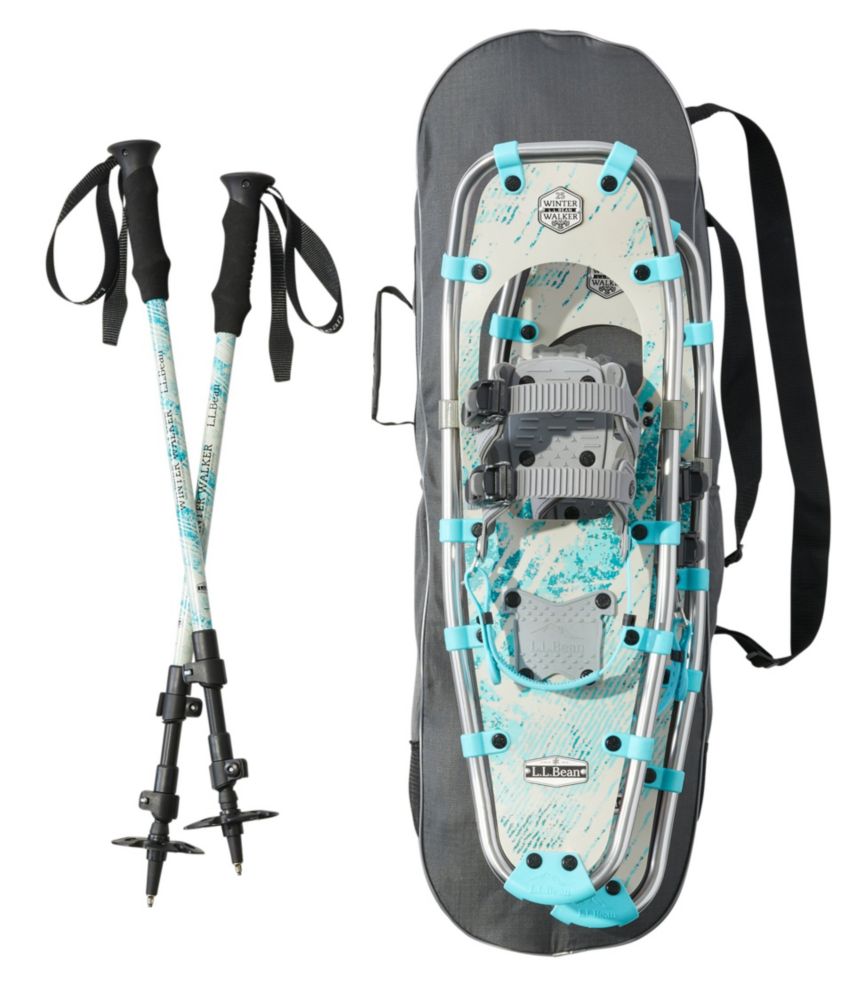
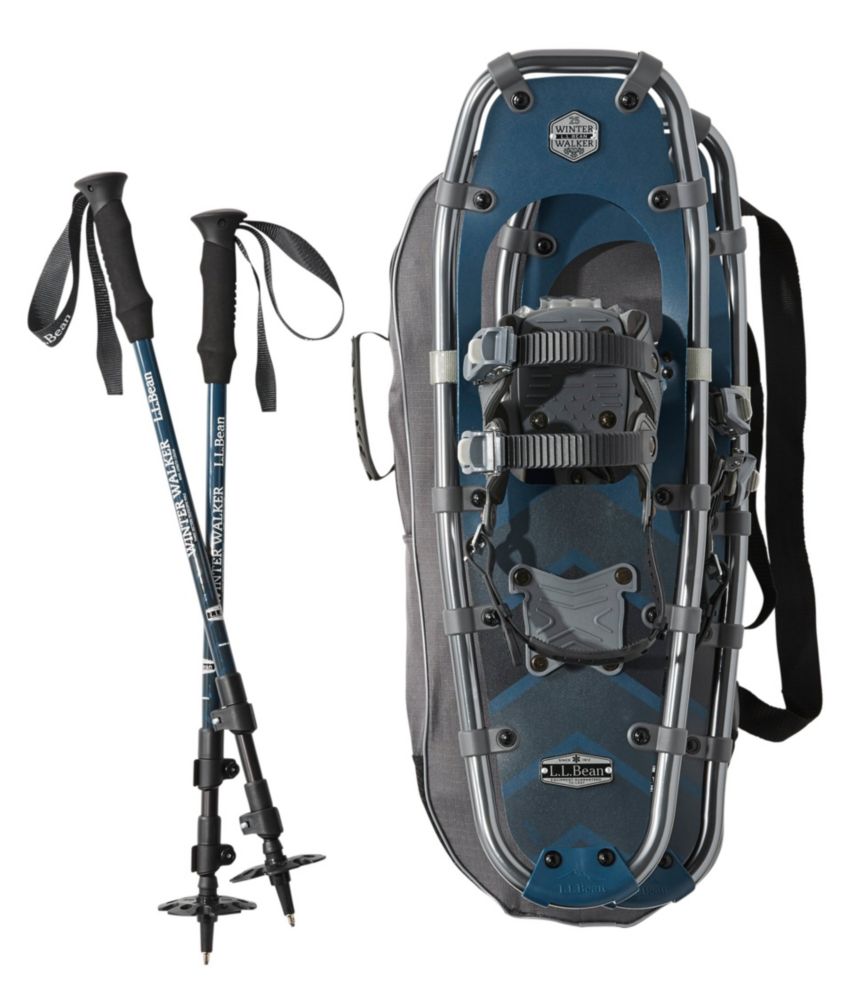
Men's Winter Walker Snowshoe Package
L.L.Bean Men's Winter Walker Snowshoe Package
An all-in-one snowshoe package with ocean blue 36" snowshoes, hiking poles, and a durable storage bag.
(114)
$220 $220
SALE
What customers like:
Durable design
Lightweight
Effective ratchets
Ease of use
Good grip
$220 $220
SALE
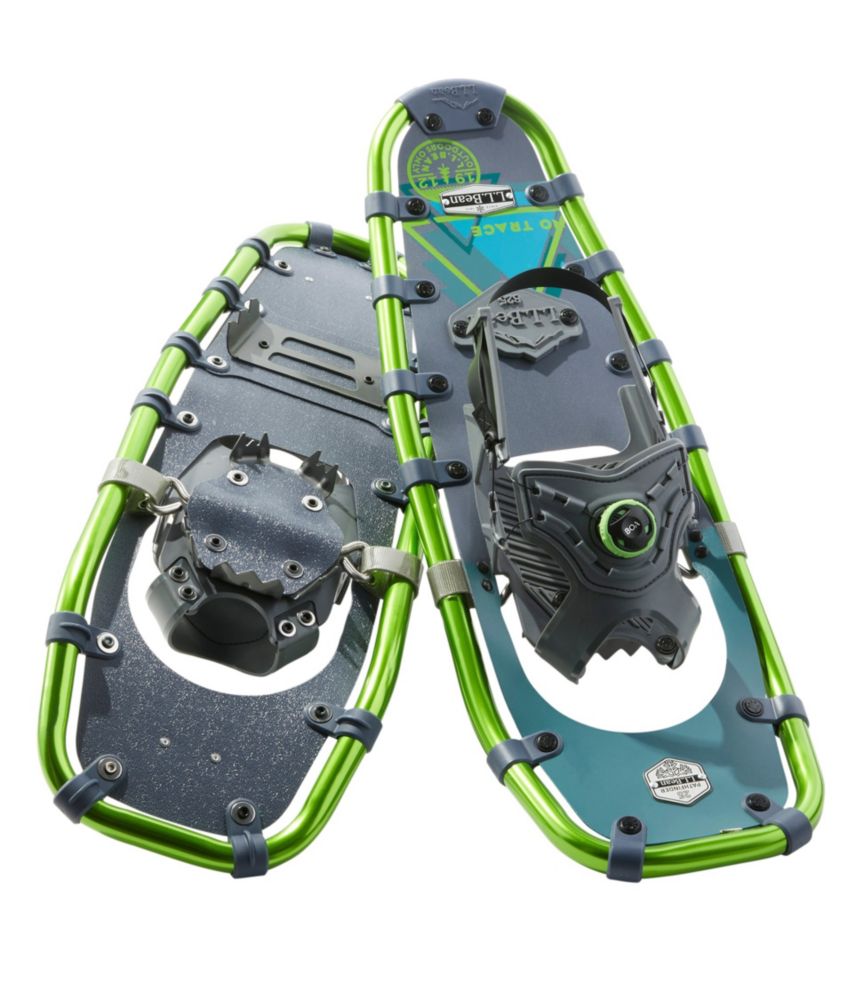
Men's Pathfinder BOA® Rec Snowshoes
L.L.Bean Men's Pathfinder BOA® Rec Snowshoes
A 36" carbon navy snowshoe with Boa Rec bindings and manganese steel crampons for challenging terrain.
(65)
$220 $220
SALE
What customers like:
High-quality bindings
Effective foot strap
Great appearance
Easy to walk in
Lightweight design
$220 $220
SALE
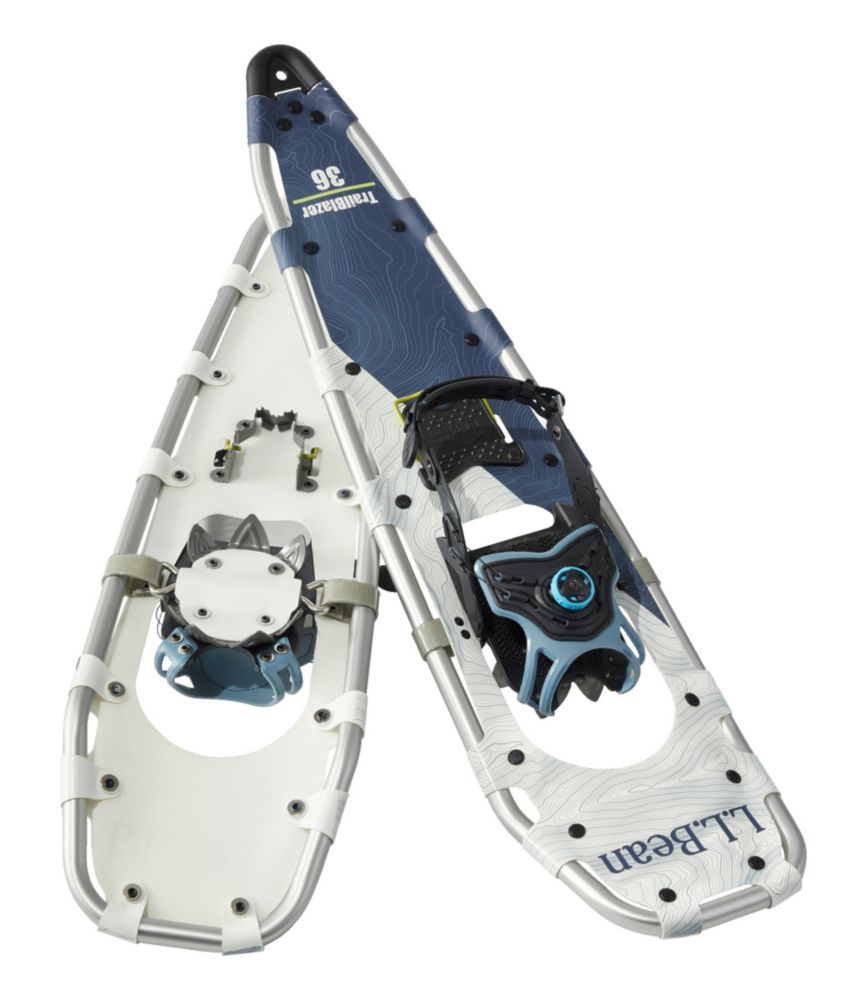
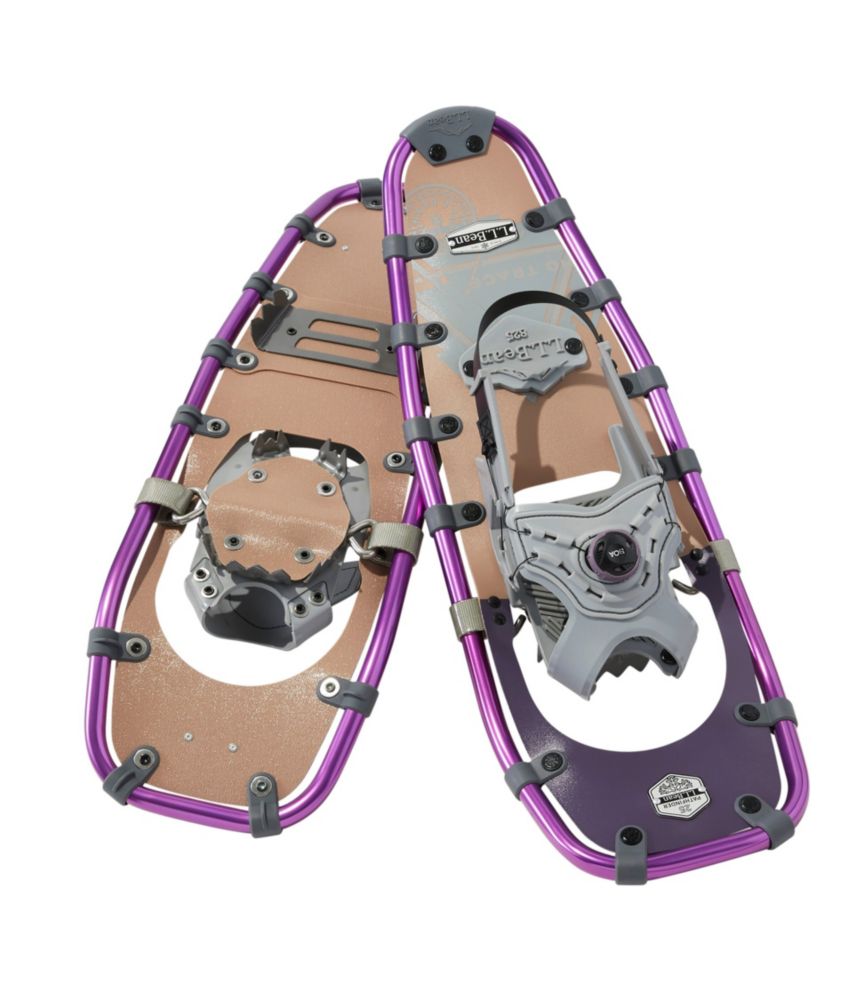
Men's L.L.Bean Trailblazer BOA® Tec Snowshoes
L.L.Bean Men's L.L.Bean Trailblazer BOA® Tec Snowshoes
A durable aluminum snowshoe with aggressive traction and heel lift, perfect for steep terrain and expeditions.
(0)
$250 $250
SALE
$250 $250
SALE
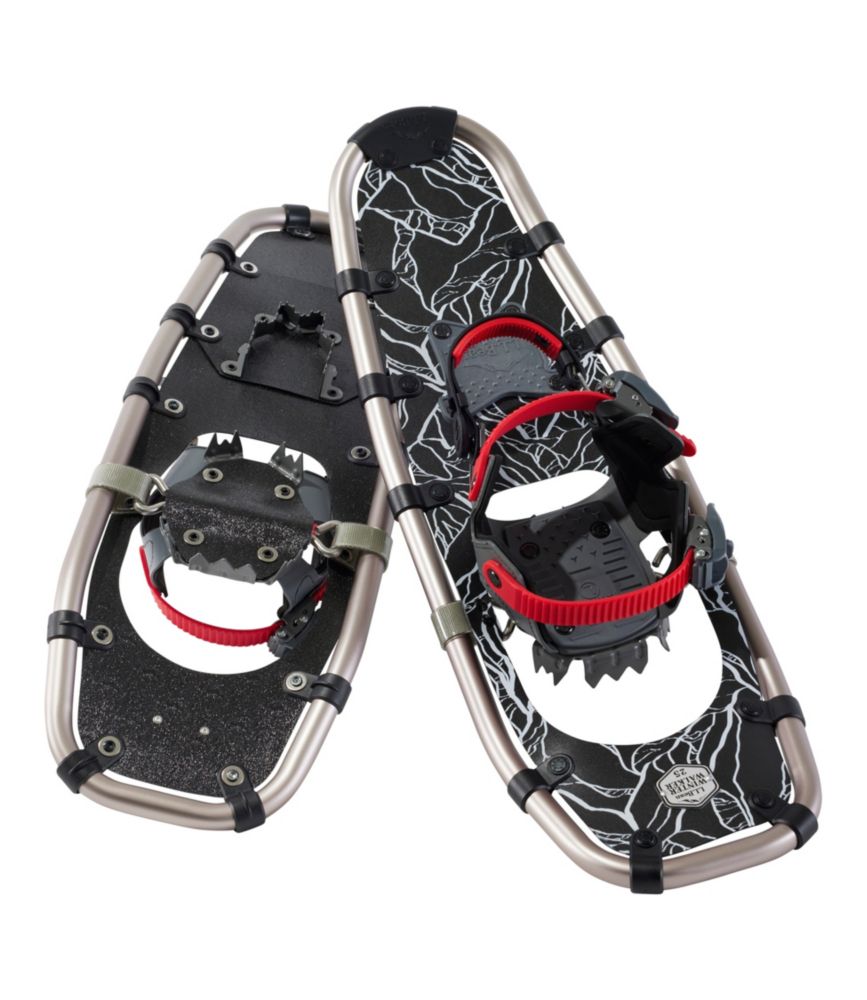
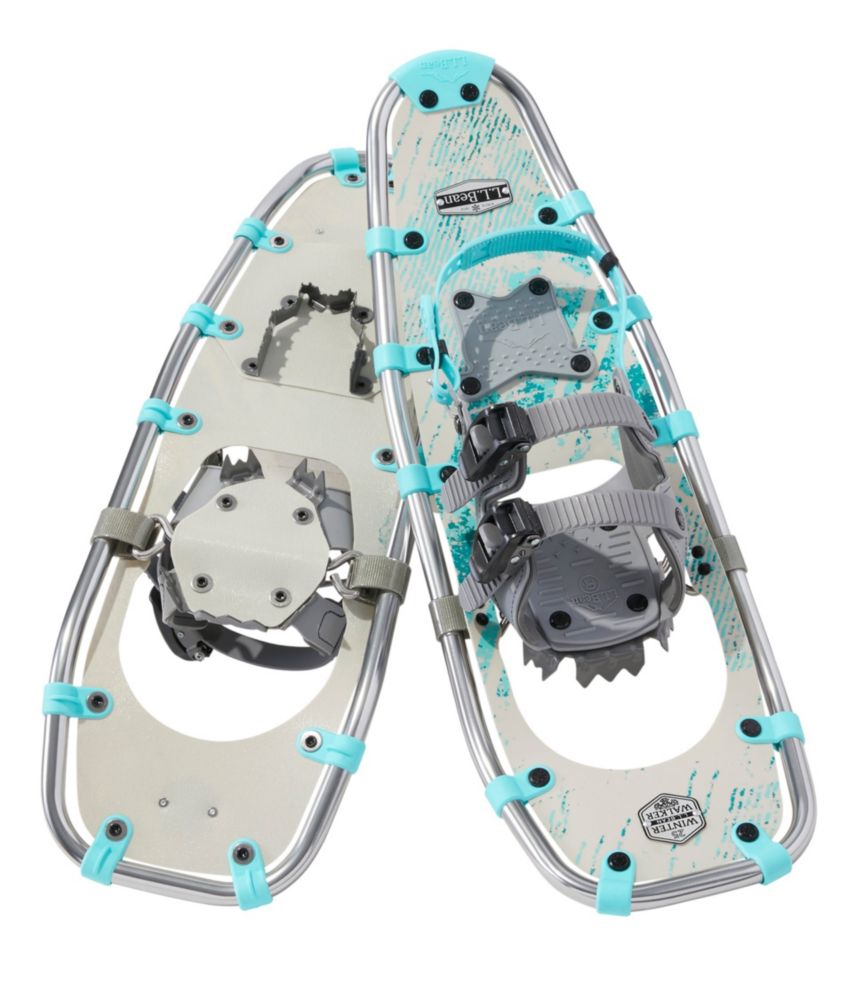
Men's Winter Walker Snowshoe
L.L.Bean Men's Winter Walker Snowshoe
An easy-to-use, multi-color snowshoe with a strong aluminum frame and steel crampons for winter traction.
(136)
$170 $170
SALE
What customers like:
Simple to put on
Performs well on technical terrain
Effective traction in snow
Easy to use
Comfortable fit
$170 $170
SALE
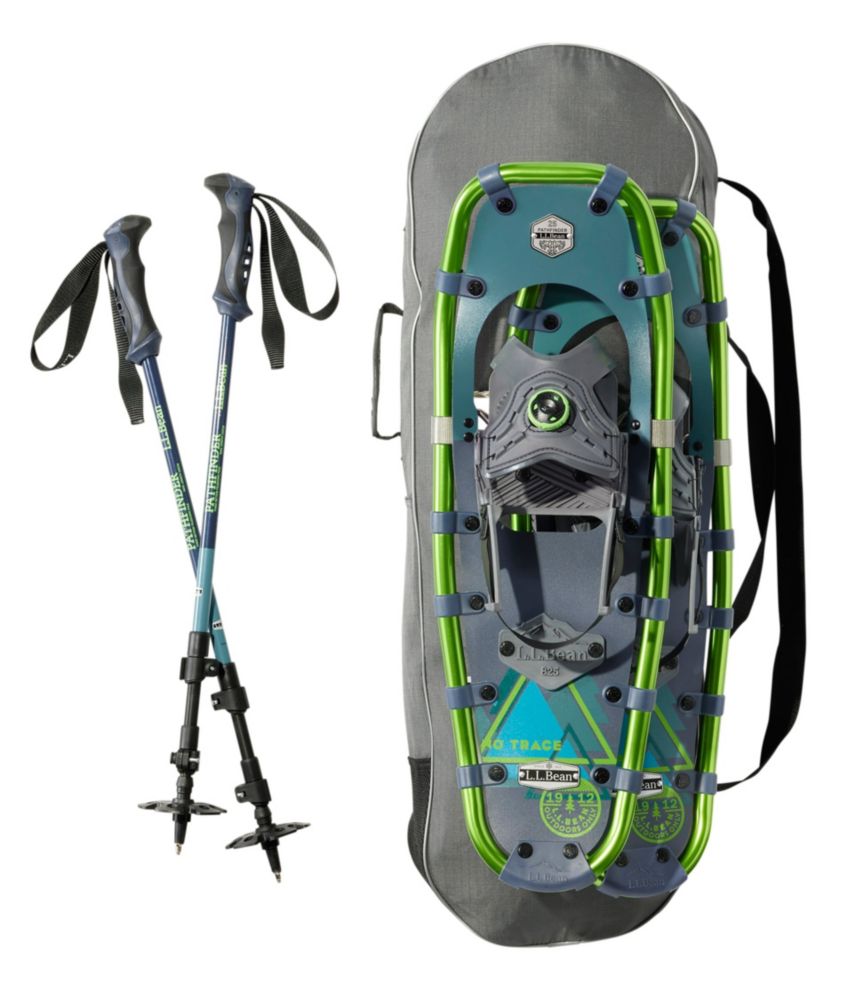
Men's Pathfinder BOA® Rec Snowshoe Package
L.L.Bean Men's Pathfinder BOA® Rec Snowshoe Package
A men's snowshoe package with Boa Rec bindings, poles, and storage bag, in carbon navy.
(51)
$280 $280
SALE
$280 $280
SALE

36 Inch Snowshoes

Snowshoe shopping often begins with a size, and 36-inch snowshoes give that search a clear starting point. The measurement refers to the snowshoe’s stated length, not a boot size or a universal recommendation for every person. That distinction matters when comparing options that share the same length but differ in their other specifications. A 36-inch designation alone does not establish a weight capacity, a particular fit, or suitability for every snow condition. The complete product description provides the details that turn a familiar measurement into a more informed choice. For someone replacing an older pair, the size printed on existing equipment can be a useful reference, but it is still worth comparing the full specifications rather than assuming that two pairs will be alike. For someone choosing a first pair, length is one part of the decision alongside the stated sizing recommendations, footwear compatibility, and care requirements. Picture the preparations before an outing: boots set beside the door, a pack waiting on a bench, and equipment gathered where everyone can find it. Those ordinary details help make shopping more concrete. The relevant information is not simply a person’s height or everyday shoe size, but how the manufacturer describes the fit and sizing of the equipment being considered. Where a recommended load is provided, check whether it includes clothing and carried gear rather than treating it as a body-weight figure alone. There is no reason to assign a single capacity to all 36-inch snowshoes based only on their length. A clearly stated measurement is helpful; a complete set of specifications is more useful still. This size-focused collection offers a place to compare those details without losing sight of the simple appeal behind the search: time outside, a snowy landscape, and the chance to share a winter interest with someone else.

The details beyond length deserve the same attention, especially when comparing a familiar setup with something different. Width, equipment weight, binding information, and the manufacturer’s sizing guidance each add context to the 36-inch measurement. Product photographs can help show the overall shape and arrangement of components, while written descriptions should supply the information that an image cannot confirm. Materials are another comparison point, but a material name by itself is not a complete account of quality or durability. Look at the full construction description, the care information, and any stated maintenance requirements together. These details offer a more grounded basis for a decision than an appearance that simply looks substantial. Fit is similarly specific. The footwear intended to accompany the snowshoes should be part of the comparison, with attention to the listed binding compatibility and adjustment information. A favorite pair of winter boots may be the natural starting point, but the snowshoes’ stated requirements should settle the compatibility question. For households where equipment is sometimes shared, that distinction becomes especially useful: the same snowshoe length does not automatically mean the same fit for different people or different boots. Personal preferences matter, too. Some shoppers like to understand every fastening detail before choosing; others place particular importance on clear measurements, straightforward care information, or how the equipment will fit into their storage space. None of those considerations can be answered by the length alone. Comparing another category, such as Trail Snowshoes, can also help put a size-focused search in context, with the individual product specifications remaining the best source for suitability. Whether the plans involve a familiar destination or a place someone has long wanted to visit, the terrain and conditions should be matched to the manufacturer’s stated recommendations. A collection name is a useful way to organize shopping, not a substitute for those details. Keeping that distinction clear makes it easier to compare thoughtfully and choose with realistic expectations.

Care, storage, and the person who will use the equipment round out the picture. Snowshoes are more than a measurement on a screen; they become part of a household’s outdoor routine, from getting equipment together to putting everything away afterward. Before choosing a pair, review the manufacturer’s cleaning, drying, inspection, and storage directions so the ownership requirements are familiar from the start. Different components may have different care needs, and the supplied instructions should take precedence over a general cleaning habit. It is also worth checking the full dimensions against the space where the equipment will live. A closet near the entryway, a designated shelf, or a place among other outdoor gear each presents a different storage arrangement, and the stated 36-inch length is only one measurement to consider. Where the product information addresses replacement components or maintenance, those details can help shoppers understand what ongoing care involves without assuming that every pair has the same service options. For a gift, the most thoughtful choice begins with the recipient’s preferences rather than a guess based on height or appearance. Someone who has specifically requested 36-inch snowshoes may already have a preferred fit, a particular pair of boots, or experience with an earlier setup. Confirming those details can preserve the pleasure of the gift while making the selection more personal. For a newer enthusiast, choosing together can be part of the enjoyment, leaving room to compare sizing information and ask practical questions before settling on equipment. Shared winter interests often grow through small moments: making plans over breakfast, watching snow settle across the yard, or talking about a favorite outing long after everyone is home. The right shopping process respects both that enthusiasm and the details that equipment requires. A considered comparison of 36-inch snowshoes keeps the stated length in view while giving equal attention to fit, construction information, intended-use recommendations, and care. The result is a choice based on the person and the full product description, rather than a broad promise attached to a single number.
Read More

FAQs