It's time to upgrade your browser

Your current browser is no longer supported on llbean.com. Please upgrade to one of the following for a smoother, safer shopping experience with us:

Wool Leggings

Browse wool leggings and compare options by fit, wool content and care requirements. Check each pair’s fabric composition and sizing details to help you choose the right match for your preferences.
Read More
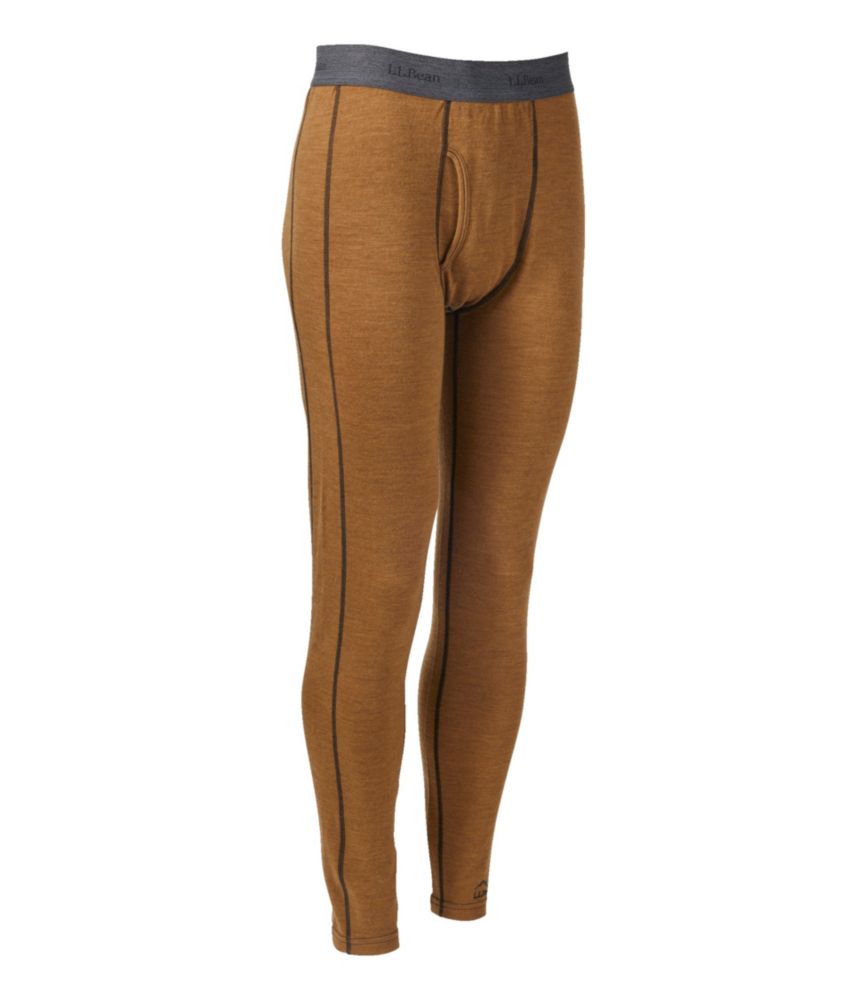
Men's Cresta Midweight 250 Pants
L.L.Bean Men's Cresta Midweight 250 Pants
A versatile base layer made of 100% merino wool, offering warmth and odor resistance in saddle heather.
(439)
$99.95 $84.99
SALE
What customers like:
Very comfortable
Great color
Highly versatile
Easy to wash
Excellent warmth
$99.95 $84.99
SALE
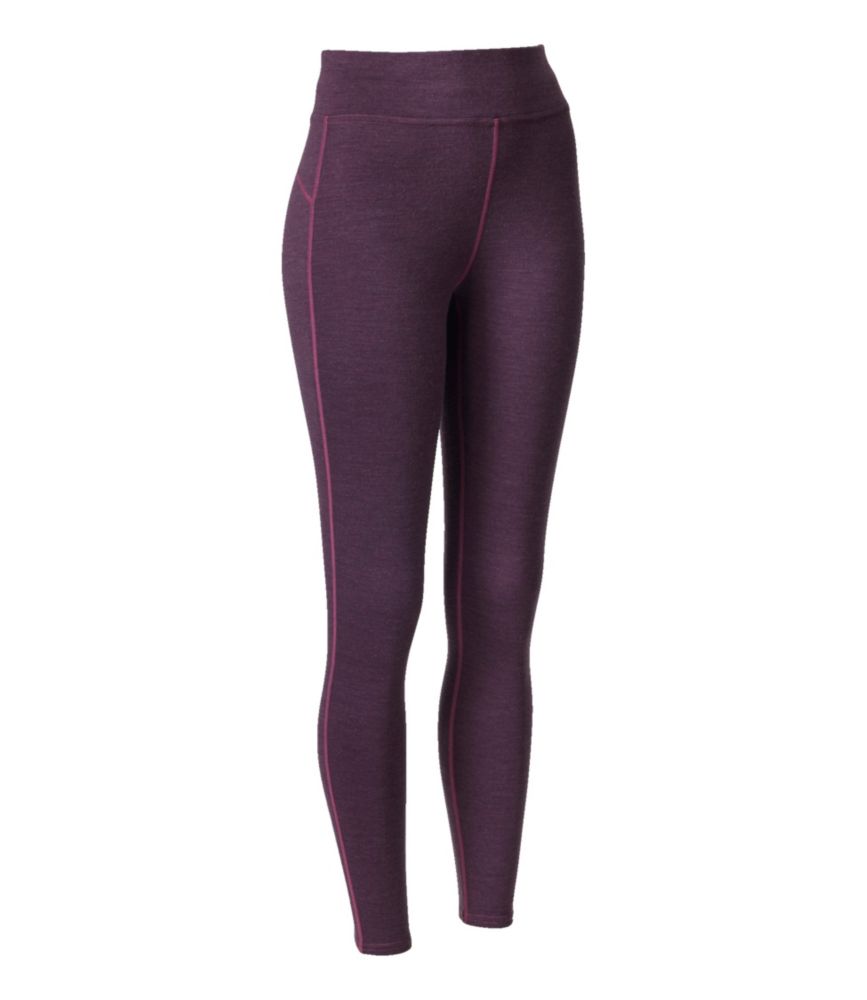
Women's Cresta Midweight 250 Pants, High-Rise Slim-Leg
L.L.Bean Women's Cresta Midweight 250 Pants, High-Rise Slim-Leg
A high-rise, slim-leg base layer made of itch-free merino wool in eggplant heather.
(390)
$99.95 $84.99
SALE
What customers like:
Great fit
Perfect weight
Warmth
Non-itchy
Comfortable fabric
$99.95 $84.99
SALE
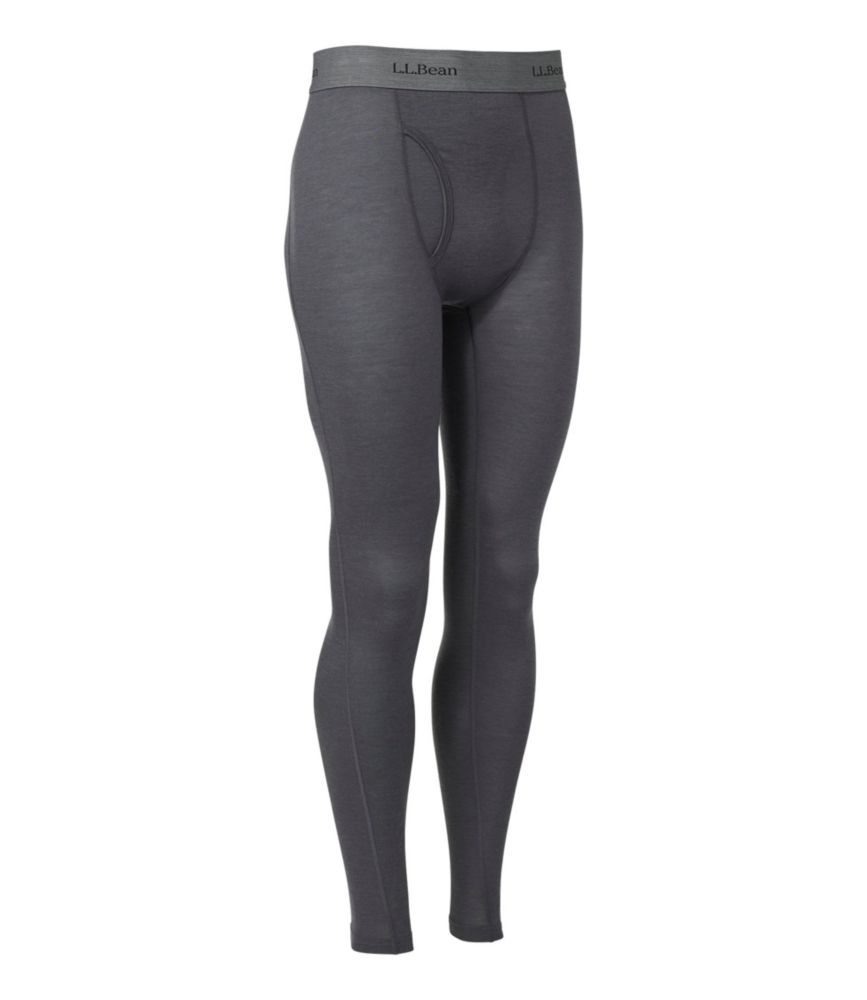
Men's Cresta Wool Ultralight 150 Pants
L.L.Bean Men's Cresta Wool Ultralight 150 Pants
An ultralight base layer made of 100% merino wool, providing warmth and odor resistance in alloy gray.
(142)
$89.95 $89.95
SALE
What customers like:
Stylish design
Lightweight feel
Durable material
Warm without bulk
Comfortable fit
$89.95 $89.95
SALE
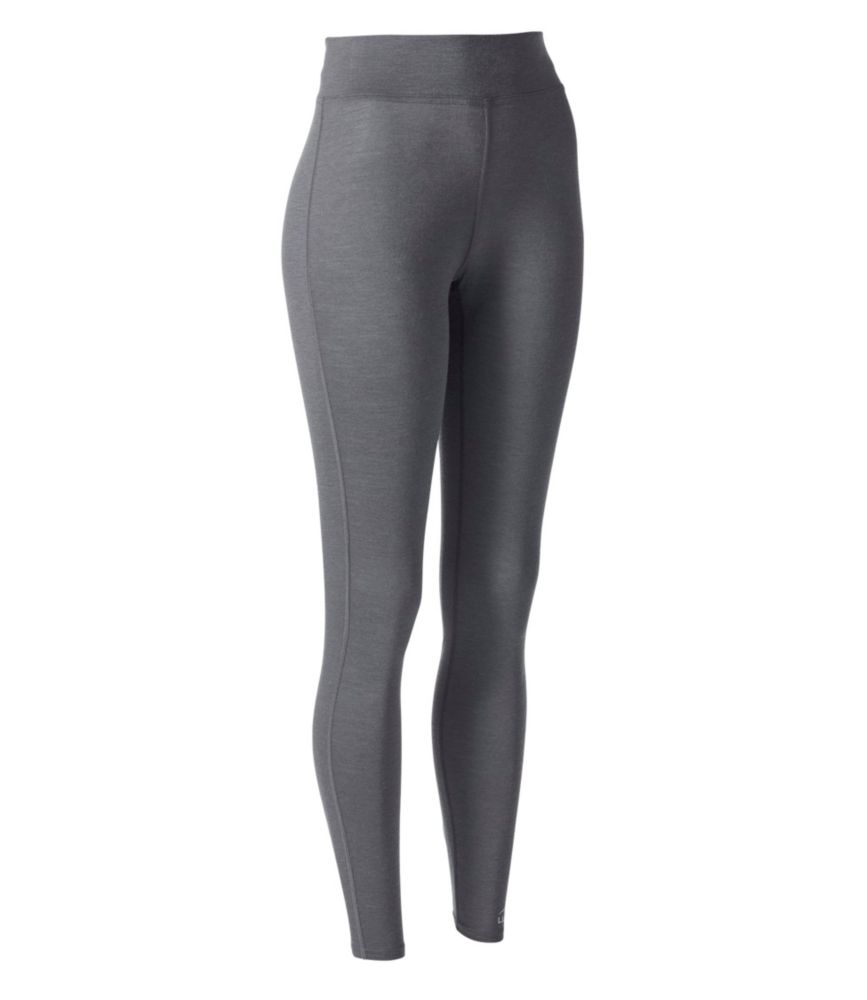
Women's Cresta Ultralight 150 Pants, High-Rise Slim-Leg
L.L.Bean Women's Cresta Ultralight 150 Pants, High-Rise Slim-Leg
A high-rise, slim-leg base layer made of 100% merino wool, providing warmth and comfort year-round.
(119)
$89.95 $89.95
SALE
$89.95 $89.95
SALE
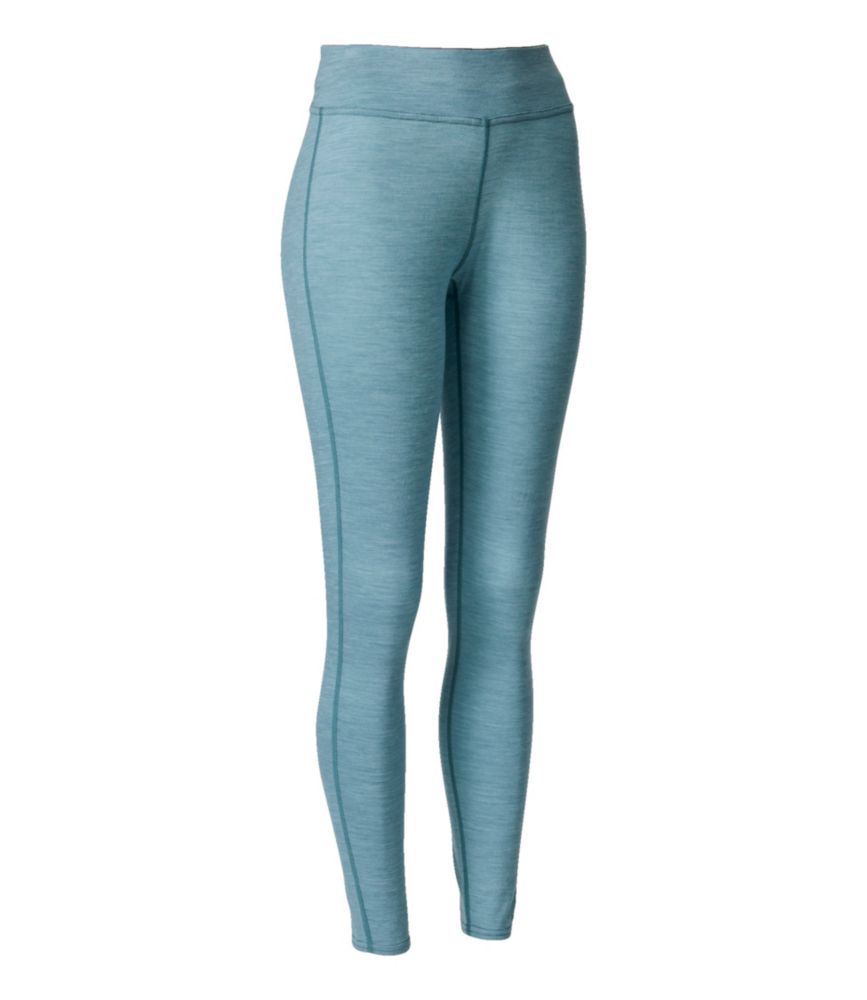
Women's Cresta Ultralight 150 Pants, High-Rise Slim-Leg Stripe
L.L.Bean Women's Cresta Ultralight 150 Pants, High-Rise Slim-Leg Stripe
A high-rise, slim-leg base layer made from soft, itch-free 100% merino wool in ocean waves or storm teal.
(43)
$89.95 $75.99
SALE
$89.95 $75.99
SALE

Wool Leggings

Wool leggings bring a familiar material to a simple, close-fitting silhouette, offering a starting point for a wardrobe built around personal style rather than passing trends. The category name describes the material and general shape, but the details of an individual pair matter: its wool content, proportions, waistband, length, and care directions all help tell the fuller story. A wool label does not necessarily mean the entire garment is made of wool, so the listed fiber percentages are worth reading before making a choice. Composition is more useful than a broad description when a particular wool content matters to the wearer. Photographs offer another part of the picture, showing how the leg is shaped, where the waistband sits on the model, and whether the overall look is understated or includes visible design details. Neither the category name nor an image replaces the garment’s own description, especially when deciding how it belongs in an existing wardrobe. Personal preferences can be quite specific: one person likes an uninterrupted line from waist to ankle, while another pays more attention to the waistband or the placement of seams. Those distinctions are worth considering alongside the material itself. A useful starting point is a favorite pair of leggings already in the closet—not because another pair will fit identically, but because it provides a concrete reference for the proportions that feel right. Notice the rise, the finished length, and the shape through the hip and leg. That familiar reference can make descriptions and measurements easier to interpret. The appeal of wool leggings is not a single prescribed look; it is the opportunity to choose a straightforward silhouette with details that suit individual taste. A thoughtfully considered pair should make sense alongside the clothing someone already enjoys, without requiring an entirely different approach to getting dressed.

Fit deserves particular attention with leggings because small differences in measurements can change how the finished silhouette looks and feels to the wearer. Start with the size chart provided for the garment rather than assuming a familiar size will translate exactly. Waist and hip measurements help establish a starting point, while inseam and rise information, when provided, add context that a size label alone cannot supply. It also helps to distinguish between body measurements and garment measurements; they describe different things and should not be treated as interchangeable. When comparing lengths, consider where the hem is intended to fall and how that relates to personal proportions. A photograph of an ankle-length pair on one model may not show where the same hem will sit on someone taller or shorter. Waistband preferences are equally personal. Some people favor a higher rise, while others prefer the waist to sit lower, and the most useful choice is the one that matches the wearer’s expectations rather than a general rule. Look closely at any description of the waistband and check whether the images show its shape clearly. Seams, cuffs, and other visible details also influence the overall appearance, even when the basic silhouette is similar. Styling preferences provide another useful way to narrow the choice without making assumptions about the garment’s capabilities. The proportion of a longer top, the line of a shorter sweater, or the shape of a favorite pair of shoes can each change the balance of an outfit. Picture the actual pieces already hanging in the closet rather than an outfit that exists only in a photograph. For a different silhouette within the same material category, Wool Pants offers a related place to explore. The distinction is worth keeping clear: choosing between leggings and pants begins with the shape someone prefers, then moves to the details of the individual garment.

Care, intended use, and long-term expectations are best considered at the individual garment level, where the relevant information is specific rather than assumed. Wool leggings should be cared for according to their own label, since the category name alone does not establish a washing method, water temperature, or drying procedure. Read those directions before choosing a pair, particularly if an established laundry routine leaves little room for additional steps. If the label calls for a process that is unfamiliar, understanding it beforehand helps make care a deliberate part of the decision rather than a surprise after the first wear. Follow any listed instructions for reshaping, drying, ironing, or storage, and avoid transferring directions from a different wool garment simply because the material names match. Expectations about durability deserve the same attention to detail. Wool content alone does not establish how long a pair will last, and a broad category description cannot account for construction, frequency of wear, or handling. Clear construction information and care directions provide a more grounded basis for comparison than sweeping promises. Likewise, intended use should come from the garment’s description. Anyone looking for a pair for a particular activity, a specified layering role, or particular conditions should check that those purposes are expressly identified rather than infer them from the word wool. This keeps the choice centered on what is actually described. For gifting, the most helpful clues are often ordinary ones: the recipient’s preferred rise, usual inseam, current measurements, and willingness to follow the stated care routine. A close-fitting garment is personal, so knowing those preferences is more valuable than guessing from someone’s general clothing size. Someone who already enjoys wool clothing may appreciate the material, but the silhouette still needs to reflect their taste. Whether choosing for a family member, a friend, or a personal wardrobe, the strongest starting point is the same: accurate details, familiar preferences, and a clear understanding of the garment. That approach leaves room for individual style while keeping the decision practical, considered, and straightforward.
Read More

FAQs