It's time to upgrade your browser

Your current browser is no longer supported on llbean.com. Please upgrade to one of the following for a smoother, safer shopping experience with us:

Women's Water Shoes For Rocky Beaches

Find women's water shoes for rocky beaches, and explore the selection by size and style. Check each pair’s sizing information and recommended uses to help choose footwear for the shoreline you plan to explore.
Read More
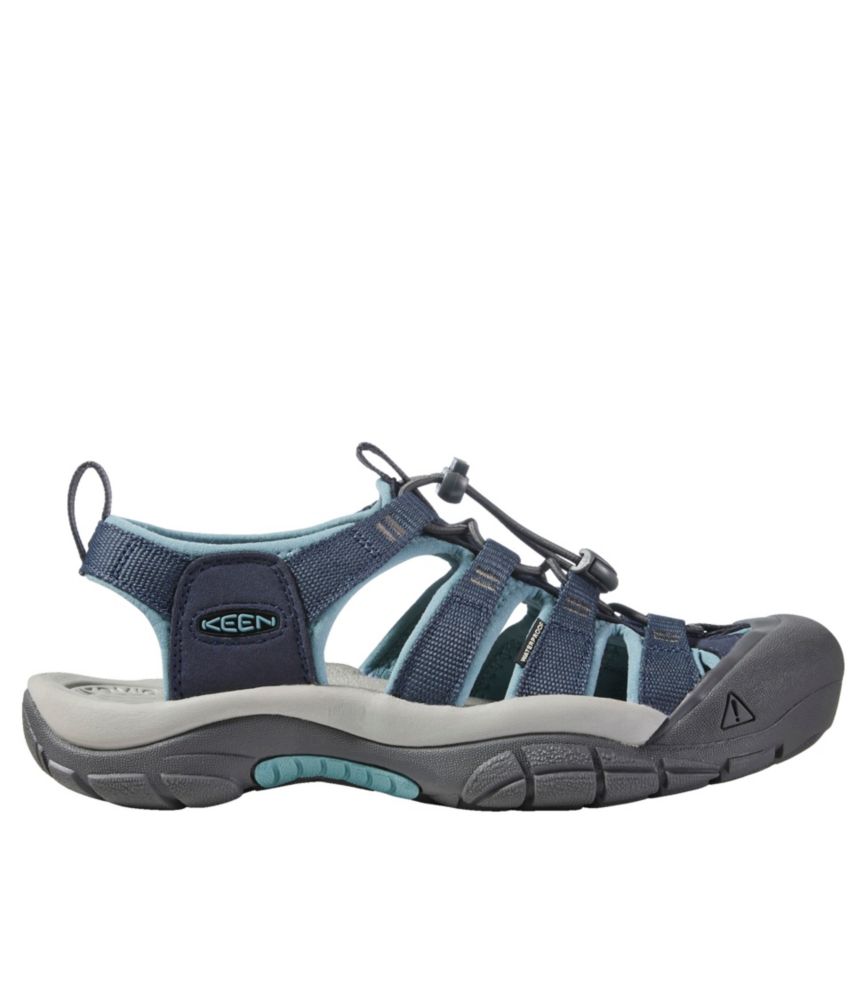
Women's Keen Newport H2
Keen Women's Keen Newport H2
A versatile hybrid sport sandal with quick-drying nylon straps, superior toe protection, and excellent traction.
(213)
$130 $130
SALE
What customers like:
Quality materials
Roomy toe
Light weight
Good arch support
Comfortable fit
$130 $130
SALE
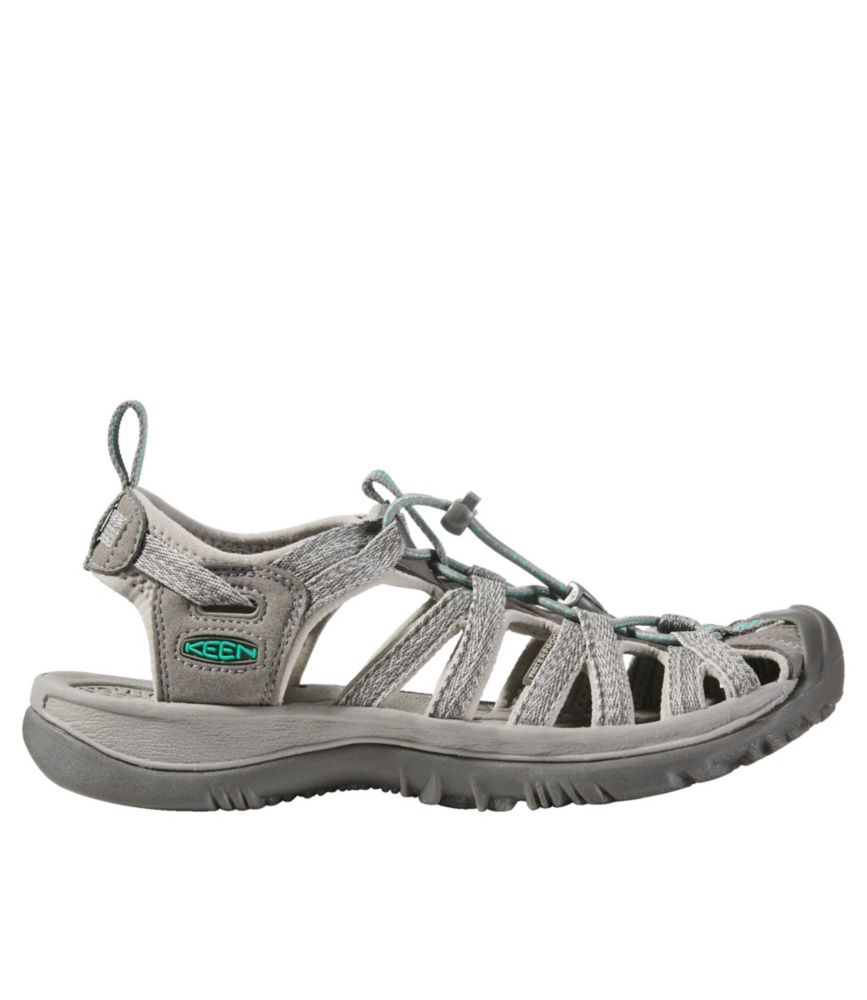
Women's Keen Whisper Sandals
Keen Women's Keen Whisper Sandals
A quick-drying women's sandal with neoprene-lined straps, rubber sole, and antimicrobial EVA footbed for comfort.
(608)
$120 $120
SALE
What customers like:
Great fit
Stylish design
Excellent features
Perfect for beach walking
Highly durable
$120 $120
SALE
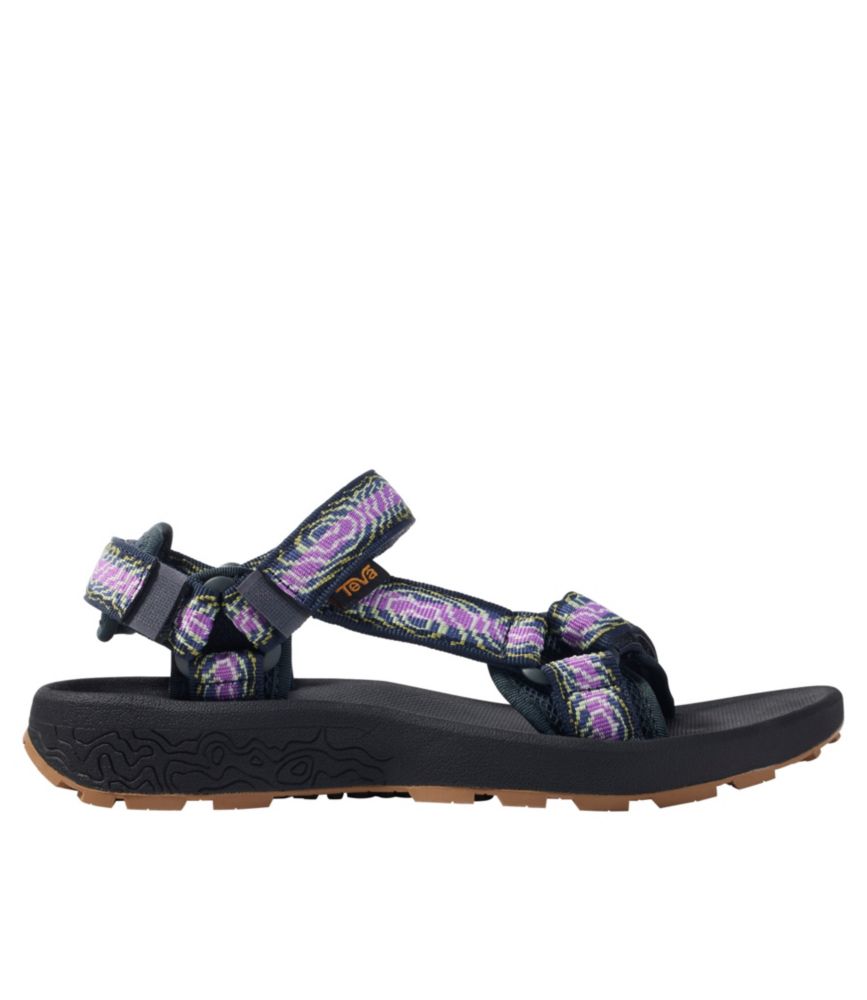
Women's Teva Hydratrek Sandals
Teva Women's Teva Hydratrek Sandals
A purple sandal with recycled materials, offering superior wet traction and quick-dry comfort for river adventures.
(0)
$85 $85
SALE
$85 $85
SALE
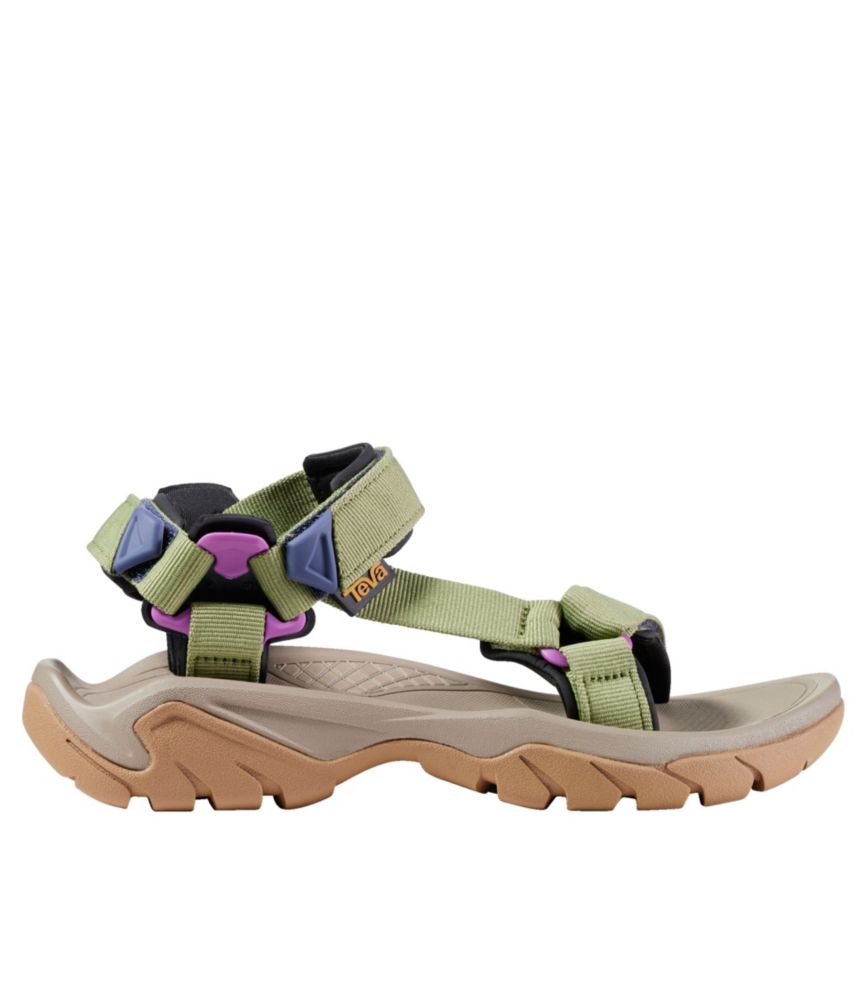
Women's Teva Terra Fi 5 Universal Sandals
Teva Women's Teva Terra Fi 5 Universal Sandals
A green all-terrain sandal with recycled materials, offering cushioning, traction, and anti-odor treatment.
(0)
$110 $110
SALE
$110 $110
SALE
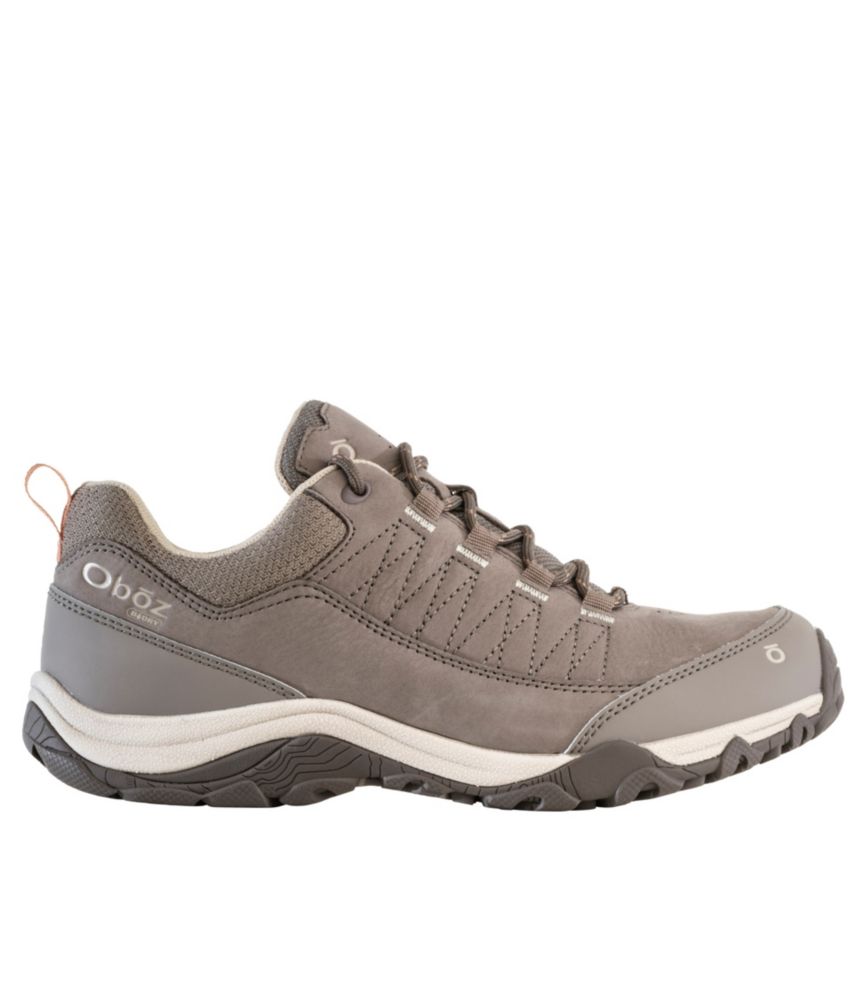
Women's Oboz Ousel B-Dry Hiking Shoes
Oboz Women's Oboz Ousel B-Dry Hiking Shoes
A waterproof gray hiking shoe with recycled polyester laces, leather upper, and high-traction rubber outsole.
(0)
$145 $145
SALE
$145 $145
SALE

Women's Water Shoes For Rocky Beaches

Women’s water shoes for rocky beaches are a natural starting point when choosing footwear for a stone-covered shoreline. Not every rocky beach looks the same: one may have broad stretches of rounded pebbles, while another has larger stones scattered between patches of sand. A small cove can look quite different from a long, open shore, even when both belong to the same stretch of coast. Those details give the setting its character and help explain why choosing beach footwear deserves a little thought. Picture a family gathering near the water, friends finding a spot beside a familiar inlet, or a quiet afternoon spent noticing the colors and shapes of stones along the shore. The footwear choice is one part of that plan, alongside deciding where to meet and what to bring. Start with the place itself and the kind of rocky beach visit planned, then look closely at the descriptions provided for each style. Appearance matters, too. A simple silhouette may appeal to someone who prefers understated essentials, while a more detailed design may suit a different personal style. Neither approach needs to be complicated; the aim is to find footwear that feels like a thoughtful addition to a familiar routine. Women’s water shoes can be considered with the same attention given to other footwear: the shape, sizing information, construction details and care directions all deserve a look. Quality and personal preference are useful starting points, rather than choosing by appearance alone. A photograph gives an initial impression, but the written details provide context that is harder to judge on a screen. Take time to look at more than one view, notice the overall proportions and compare the information that matters most. A rocky beach outing might be a regular family tradition or a visit to somewhere entirely new. Either way, a considered choice begins with the actual shoreline and the person who will wear the shoes, not simply the name of the category.

Fit is an important part of comparing women’s water shoes for rocky beaches, and the most useful starting point is the sizing guidance supplied for the footwear being considered. A familiar shoe size can help narrow the search, but it should not replace checking the relevant chart and any stated fit notes. If measurements are provided, compare them with measurements of both feet, following the chart’s directions. Feet are not always identical in size, so checking both gives a fuller picture than relying on one measurement. Pay attention to how the size information is presented, including whether it uses foot length, a size conversion or another measurement. When trying on footwear, notice where the toes sit, how the heel feels and whether any part of the shoe presses against the foot. Follow any specific try-on guidance supplied with the shoes, and give the fit more than a quick glance. Personal preferences matter here: someone who likes a particular shape in everyday footwear may have a useful point of comparison, without assuming that every water shoe will fit the same way. Material information is another consideration best explored through the individual descriptions. Read the stated composition and construction details to understand how a particular pair is made, rather than judging those details from photographs. Descriptions of the shoe’s shape and any fastening method can also help distinguish styles without making the decision more complicated than it needs to be. Keep the comparison focused on a few practical priorities, such as the sizing information, the overall design and the care required. For a related collection, explore Women's Supportive Water Shoes and review the individual details there as well. Comparing collections can offer another perspective on the choices, but the final decision still comes back to the specific footwear and the wearer’s preferences. A clear understanding of fit and construction is more useful than a long list of features that may not be relevant to the beach visit planned.

Care and durability are worth considering before choosing footwear, especially when rocky beach visits are part of a regular routine. Begin with the care instructions supplied for the shoes and check the recommended cleaning, drying and storage methods. Different constructions may call for different approaches, so avoid assuming that a familiar method used for other footwear is appropriate here. Keeping the care directions accessible makes them easier to consult after a beach outing, when the rest of the day may already be filled with family plans. Before cleaning, check the shoes and refer to the instructions for handling any sand or small stones that have collected. Let the stated directions guide the process, including whether any cleaning products or equipment are recommended. Durability is also a reason to look beyond the overall appearance and read the construction information carefully. No single photograph can explain every detail of how footwear is made, and an individual description may answer questions that a broad category name cannot. The same thoughtful approach helps when choosing women’s water shoes as a gift. They may be a fitting idea for someone who enjoys visiting rocky beaches, particularly when that interest is already part of her routine. A recipient’s usual size is a useful starting point, but her preferred fit, favorite footwear shapes and willingness to follow particular care directions are also worth knowing. If possible, make the choice together rather than guessing about those personal details. The gift can connect to something meaningful without needing a special occasion: a shared visit to a favorite cove, a family beach tradition or an interest in exploring the shoreline. For someone choosing her own pair, those same connections can help keep the decision grounded. Think about the beaches that draw her back, the companions who join her and the details she values in footwear. The best starting point is straightforward: understand the setting, read the individual information and give fit and care the attention they deserve. That leaves more room to enjoy what makes a rocky beach memorable—the patterned stones, the curve of the shore and time spent there together.
Read More

FAQs