
It's time to upgrade your browser

Your current browser is no longer supported on llbean.com. Please upgrade to one of the following for a smoother, safer shopping experience with us:

Women's Utility Shorts

Explore women's utility shorts with simple, versatile style and the quality you expect from L.L.Bean. Compare the available styles, sizing and fit details to find a pair that suits your wardrobe and your preferred fit.

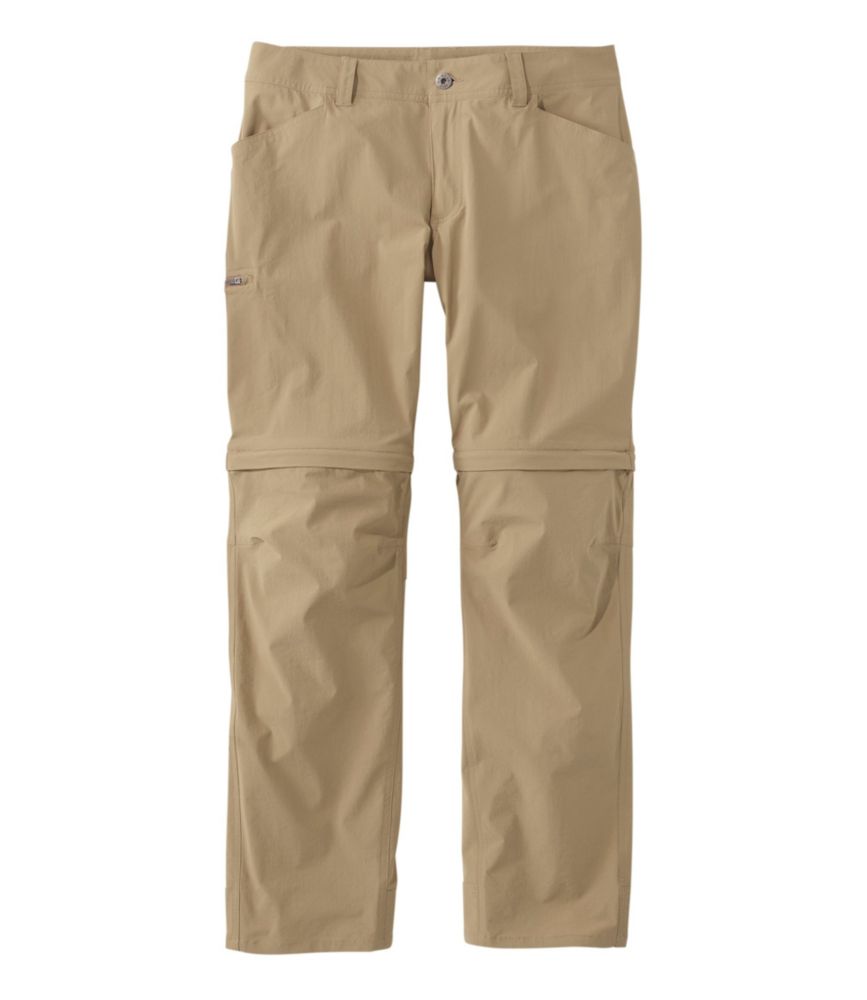
Women's Tropicwear Zip-Off Pants, Mid-Rise
L.L.Bean Women's Tropicwear Zip-Off Pants, Mid-Rise
Gray mid-rise nylon-blend pants that zip off into shorts, with quick-drying, moisture-wicking UPF 50+ fabric.
(206)
$99.95 $99.95
SALE
What customers like:
Versatile design
High-quality fabric
Good fit
Ideal for tropical wear
Worth the price
$99.95 $99.95
SALE
Women's No Fly Zone Zip-Off Pants, Mid-Rise
L.L.Bean Women's No Fly Zone Zip-Off Pants, Mid-Rise
A tan nylon fishing pant with insect-repellent finish, UPF 50+ protection and zip-off legs.
(136)
$110 $110
SALE
What customers like:
Great fit
High quality
Warmth provided
Soft and comfortable
Highly versatile
$110 $110
SALE
Women's Comfort Cycling Shorts with Liner
L.L.Bean Women's Comfort Cycling Shorts with Liner
Gray cycling shorts in stretch recycled polyester with a removable chamois-padded liner and UPF 50+ protection.
(27)
$79.95 $29.99
SALE
What customers like:
Comfortable outer shorts
Nice looking
True to size
$79.95 $29.99
SALE

Women's Utility Shorts

Women's utility shorts bring a practical design influence to a timeless wardrobe, with an emphasis on straightforward styling and considered details. Utility is a design direction rather than a single silhouette: the shape of a pocket, the placement of a seam or the finish of a waistband can all contribute to the look. Those details help distinguish utility styling from simpler shorts without requiring an overly rugged appearance. The result can feel understated or more expressive, depending on the proportions and how the shorts fit into the rest of an outfit. Utility and cargo styling sometimes overlap, but the terms are not interchangeable; the utility label alone does not describe a particular pocket arrangement, length or fit. Looking closely at each design gives a clearer picture than the category name by itself. A pocket that blends into the outline creates a different impression from one that stands out as a visible design element. Likewise, a straight hem, a defined waistband or prominent stitching can change the overall character of a pair. These are small distinctions, but they matter when choosing something that feels like a natural part of an existing wardrobe. For someone drawn to clean lines, the appeal may be the balance between simplicity and detail. Someone who enjoys a more pronounced utility influence may give those details a larger role in the outfit. Neither approach requires a complete change in personal style. The best starting point is the look already reflected in favorite clothing: understated or distinctive, closely shaped or more relaxed, minimal or detailed. Within the broader Women's Shorts collection, utility shorts offer a particular style perspective worth considering alongside other silhouettes. Their identity comes from the relationship between shape and detail, not from one required way to wear them. That leaves room for personal preference while keeping the overall look grounded, approachable and easy to recognize.

Fit gives those design details their context, making proportions an important part of choosing women's utility shorts. Two pairs with similar styling can look quite different when the rise, inseam or leg opening changes. The rise helps determine where the waistband sits, while the inseam describes the length along the inside leg. Neither measurement tells the whole story on its own. A familiar inseam can create a different overall outline when paired with a different rise, and the shape through the hip and thigh also affects the appearance. Comparing listed measurements with a pair that already fits as preferred can make these differences easier to understand. Measure from the same points each time, and keep the garment laid flat rather than estimating from how it looks when folded. A size label is a starting point; the accompanying measurements and fit description provide more useful context. Think about the amount of room preferred at the waist, through the seat and around the leg opening, rather than treating a single number as the entire fit decision. Photographs can help show proportions, but they cannot establish exactly where a hem or waistband will fall on every person. Pocket placement deserves a closer look here, too, because its position relative to the waistband and hem contributes to the visual balance. Details viewed separately may seem minor, yet together they determine whether a silhouette feels familiar or noticeably different. Fabric content, construction information and care directions are also worth reviewing for each pair, alongside the size and fit details. These are separate considerations, and the utility name does not replace that information. A clear understanding of the individual garment makes comparison more meaningful than relying on a category label or a photograph alone. The aim is not to find one universally correct length or shape, but to choose proportions that reflect personal taste and the fit already preferred.

A well-considered wardrobe leaves room for both familiar favorites and a slightly different point of view. Utility shorts can be approached in the same way: begin with personal style, then decide how much emphasis to give the details. An outfit with fewer competing elements draws attention to pocket shapes, seams and proportions. A more layered visual approach makes those same details part of a broader composition. Color preference matters, too, especially when choosing something intended to belong with clothing already owned. A familiar shade may make the decision more straightforward, while a different shade can offer a deliberate change without changing the overall style direction. Looking at the wardrobe as a whole helps separate a passing preference from a choice that feels genuinely personal. The same thoughtful approach applies when choosing shorts as a gift. A recipient's usual size, preferred rise and favorite length are more useful starting points than an assumption about what utility styling should look like. Someone who appreciates understated design may have different preferences from someone who enjoys prominent details, even when both are drawn to the same category. When those preferences are known, the choice becomes more personal and less dependent on guesswork. Care is another practical part of the decision: check the individual instructions and consider how they fit an established clothing-care routine. Questions about durability are best considered alongside the garment's construction details and care information, rather than answered by its appearance alone. Quality and lasting style matter, but so does choosing something that continues to feel like the wearer's own. That is the value of taking a closer look at the details before deciding. Women's utility shorts need not define an entire wardrobe or suggest a different identity. They can simply reflect an appreciation for purposeful-looking design, balanced proportions and a style that feels natural rather than overthought.

FAQs