
It's time to upgrade your browser

Your current browser is no longer supported on llbean.com. Please upgrade to one of the following for a smoother, safer shopping experience with us:

Women's Lightweight Shorts

Explore women's lightweight shorts with classic style and an easygoing, outdoorsy feel. Compare individual fit and length details to find a pair that suits your preferences, whether you like a closer fit or a little more room.
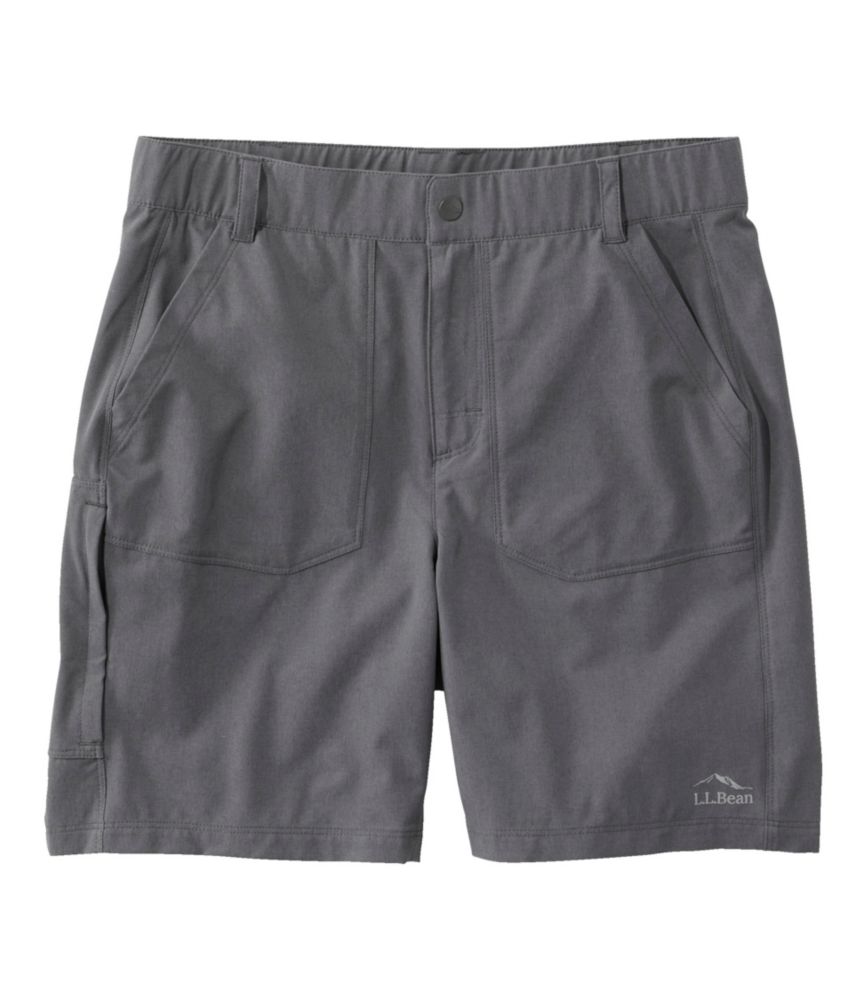
Women's Comfort Cycling Shorts with Liner
L.L.Bean Women's Comfort Cycling Shorts with Liner
Gray cycling shorts in stretch recycled polyester with a removable chamois-padded liner and UPF 50+ protection.
(27)
$79.95 $29.99
SALE
What customers like:
Comfortable outer shorts
Nice looking
True to size
$79.95 $29.99
SALE
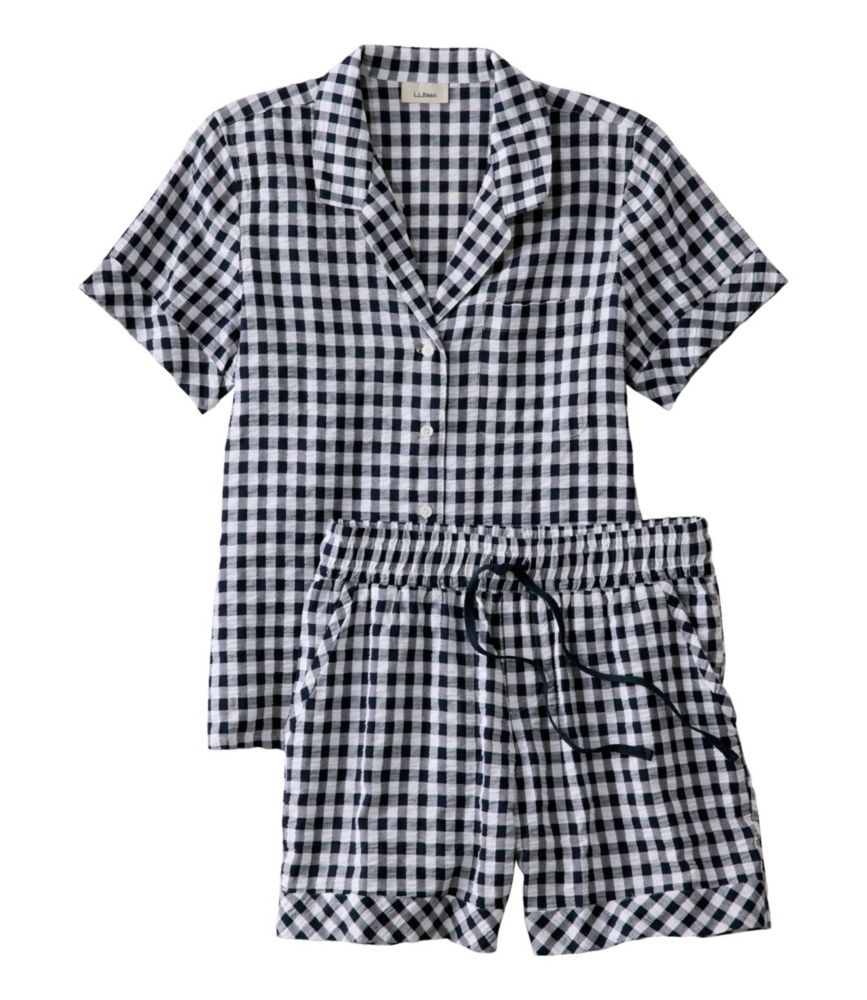
Women's Bean's Seacoast Seersucker Short Set
L.L.Bean Women's Bean's Seacoast Seersucker Short Set
A blue seersucker pajama set in an airy cotton-modal blend, with button-front shirt and drawstring shorts.
(0)
$69.95 $69.95
SALE
$69.95 $69.95
SALE

Women's Lightweight Shorts

Women's lightweight shorts bring together a lighter-weight feel and a familiar wardrobe staple, with length, fit and styling details helping define the look of an individual pair. Lightweight describes weight; it does not, by itself, tell you the inseam, waistband shape, fabric content or care requirements. Those details matter just as much when finding shorts that suit your preferences. A favorite pair already in your closet can be a helpful reference, especially if you like where the waistband sits and where the hem falls. Comparing those measurements gives more context than relying on a size label alone. Rise describes the distance between the crotch seam and the top of the waistband, while inseam measures the inside leg from the crotch seam to the hem. Together, they help explain proportions that can be hard to judge from a photograph. Two pairs with the same inseam may look different because their rise, leg opening and overall shape differ. Personal style belongs in that comparison, too. Some women prefer a defined outline, while others favor a looser silhouette; neither approach requires giving up a classic look. The relationship between the waist, hip and leg measurements is more useful than a fit label considered on its own. If your measurements fall between sizes, consult the size information associated with the shorts rather than assuming that every style follows the same proportions. There is no single inseam or rise that works for everyone, and no need to choose a silhouette simply because it appears often elsewhere. The most useful starting point is knowing which details you already appreciate, then looking closely at how another pair compares. That approach keeps the focus on shorts that feel like a natural part of your wardrobe, with the shape and appearance you want rather than a collection of features you may not need.

Length makes a noticeable difference in the character of women's lightweight shorts, even when the rest of an outfit stays the same. A higher hem creates different proportions from one that falls closer to the knee, and the width of the leg opening adds another distinction. A narrower opening can give the outline more definition, while a wider opening creates a fuller shape. These are visual differences rather than rules about which body types should wear which styles. Your preferred amount of coverage, the balance of the outfit and the way you like a hem to fall are all worthwhile considerations. For a longer silhouette, women's lightweight Bermuda shorts offer another direction to explore, with the listed inseam providing a more precise reference than the style name alone. Height and body proportions affect where that length lands, so the same inseam will not necessarily reach the same point on everyone. Looking at measurements alongside photographs helps put the overall shape in perspective. Waistband and closure details also contribute to the appearance of shorts. When comparing descriptions, notice whether the front is uninterrupted or defined by a closure, how the waistband is shaped, and where any pockets sit. Each detail changes the visual balance without needing to dominate the design. Color preference is another part of that picture: think about the shades you already repeat in your wardrobe and whether you want your shorts to blend into that palette or provide a contrast. A restrained design can leave more room for the rest of an outfit, while more visible detailing can make the shorts a stronger part of the overall look. The aim is not to follow a formula. It is to recognize the proportions and finishing touches that make an outfit feel like your own, whether your taste leans toward a simple outline or a more defined shape.

Quality is worth considering beyond the first impression, and the smaller details deserve a closer look. Clear fabric information, construction details and care directions help round out the picture provided by photographs and measurements. Fabric content should be checked separately from weight: the word lightweight does not identify what a pair is made of or establish how it should be washed. Read the garment's care label for its washing, drying and any ironing directions, rather than assuming that familiar-looking shorts need the same treatment as another pair. For a realistic sense of upkeep, consider how those directions fit with your usual laundry routine before making a choice. Durability deserves the same attention to detail. Look for information about construction and finishing instead of treating weight alone as a measure of how a garment will hold up. Where photographs provide a close view, hems, seams and the areas around closures can help you understand how the shorts are put together. After purchase, checking those areas occasionally can make a loose thread or a small repair easier to notice. Thoughtful care begins with the instructions supplied for the garment, not a general promise attached to a category. If women's lightweight shorts are being considered as a gift, the recipient's established preferences are especially useful. A familiar size is a starting point, but a preferred inseam, rise and silhouette make the choice more personal. Someone who consistently chooses a longer hem may appreciate that proportion more than an unfamiliar design detail. Similarly, knowing whether the recipient prefers a simple appearance or more visible detailing is more helpful than guessing from trends. For your own wardrobe or for someone whose style you know well, the strongest choice rests on the same foundation: considered proportions, clear product information, an appealing design and care requirements that suit the person who will wear it.

FAQs