It's time to upgrade your browser

Your current browser is no longer supported on llbean.com. Please upgrade to one of the following for a smoother, safer shopping experience with us:

Women's Reflective Jackets

Shop women's reflective jackets and compare options by fit, style and reflective detailing. Look at each jacket’s photos and product details to see where reflective elements are placed, and check sizing information to help narrow your selection.
Read More
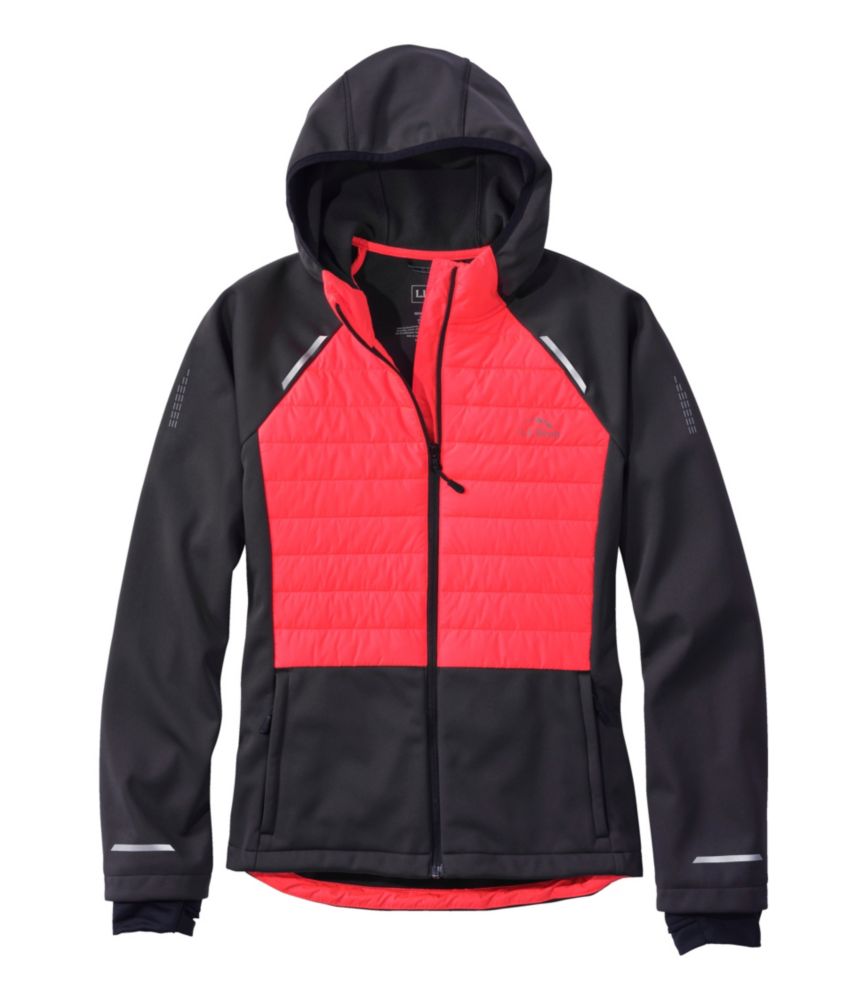
Women's Bean Bright All Weather Jacket
L.L.Bean Women's Bean Bright All Weather Jacket
An insulated, wind- and water-resistant jacket with 360-degree reflectivity, made from recycled polyester.
(0)
$170 $170
SALE
$170 $170
SALE
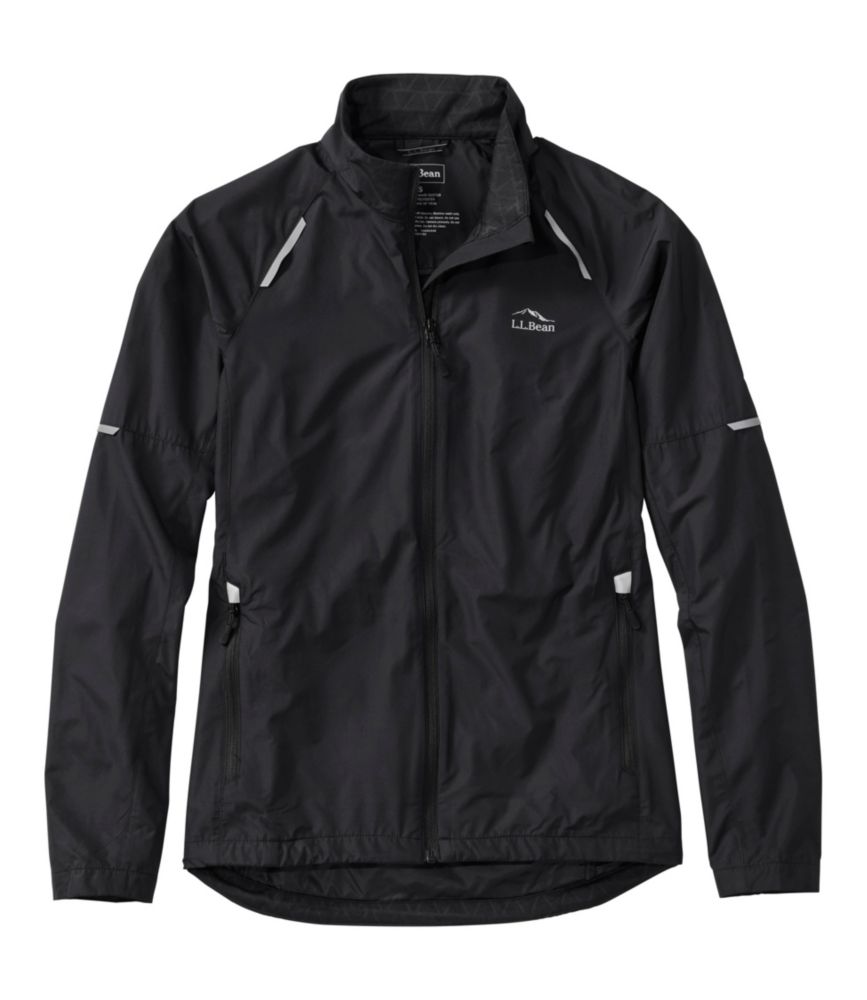
Women's Bean Bright Multisport Jacket
L.L.Bean Women's Bean Bright Multisport Jacket
A black polyester jacket with reflective accents, ventilation, zippered pockets, and wind- and moisture-resistant performance.
(247)
$110 $110
SALE
$110 $110
SALE
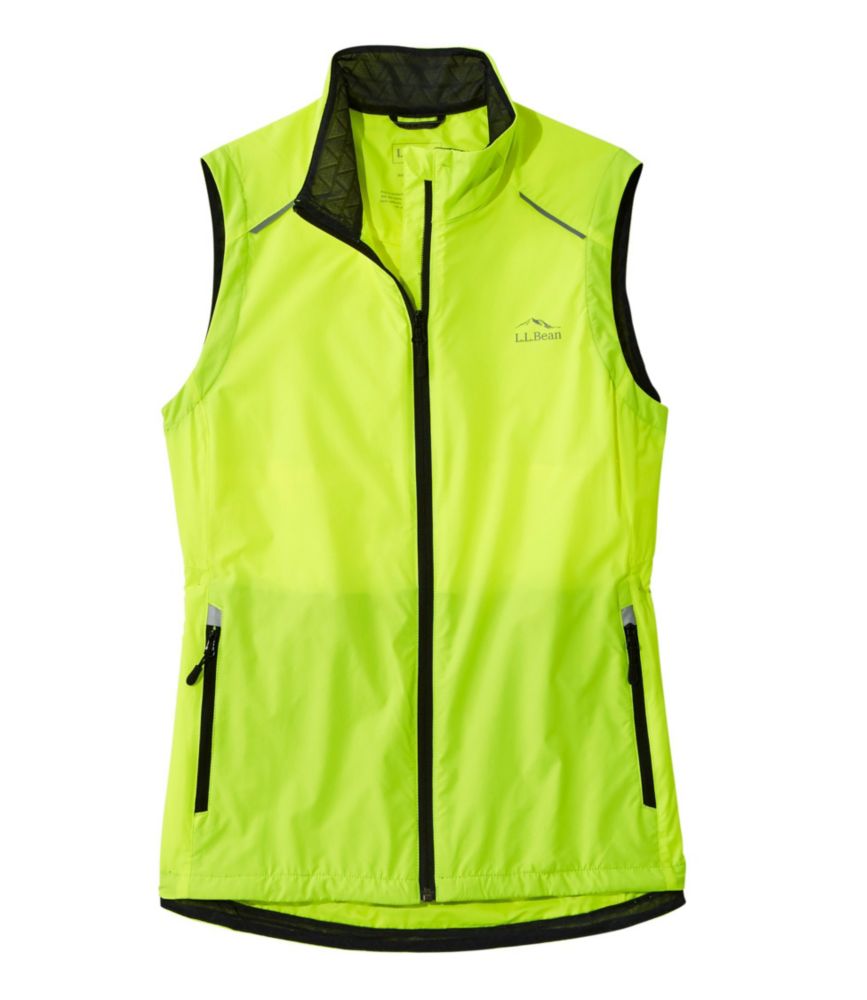
Women's Bean Bright Multisport Vest
L.L.Bean Women's Bean Bright Multisport Vest
A high-visibility neon yellow fitness vest with reflective accents, perfect for various aerobic activities.
(183)
$89.95 $89.95
SALE
What customers like:
Useful pockets
Good fit
High visibility
Convenient rear pocket
Excellent coverage
$89.95 $89.95
SALE

Women's Reflective Jackets

Women’s reflective jackets bring a distinctive detail to a familiar part of the wardrobe. Reflective elements return light toward its source rather than producing light of their own, so their appearance depends on illumination. That distinction matters: a jacket may look quite different in ordinary light than it does when a light source is directed toward its reflective areas. Reflective does not mean continuously glowing, and it should not be treated as a guarantee that the wearer will be seen. The term also does not establish how much of a jacket is reflective. It can describe an accent, several separate details, or a more extensive area, making the placement and extent of those elements useful points of comparison. Look at the front, back, and sleeve views together rather than relying on a single photograph. A close-up can help distinguish a reflective detail from a decorative stripe or contrasting panel, while the written description provides context that an image alone may not convey. Beyond that defining attribute, personal style still has a place in the decision. The jacket’s overall shape, collar, closure, and proportions contribute to how it looks as part of an outfit. Someone who prefers simple clothing may gravitate toward a restrained design, while someone who enjoys distinct details may appreciate a more noticeable reflective treatment. Neither preference requires setting aside the familiar elements that make a jacket feel like a good match: a pleasing silhouette, a length that feels right, and details that belong naturally alongside the rest of the wardrobe. The reflective attribute is one part of the choice, not a substitute for considering the whole garment. Comparing it alongside cut and construction keeps the decision grounded in both the jacket’s defining detail and the wearer’s own preferences, without assuming that every style with “reflective” in its name has the same design.

Fit gives those visual preferences a practical foundation. A size label is a starting point, but the measurements and fit description offer a clearer picture of how a women’s reflective jacket is intended to sit on the body. Shoulder width, sleeve length, chest measurements, and the shape through the waist and hips all deserve attention, especially when comparing unfamiliar silhouettes. A jacket that looks appealing in a photograph can feel different when its hem falls at a different point than expected or its sleeves extend beyond the preferred length. Comparing the measurements with a jacket that already fits well can make those proportions easier to picture. Consider the clothing that will be worn underneath, too, rather than judging the fit over a single thin layer if that does not reflect personal habits. When trying on a jacket, fastening the closure and reaching forward provides more information than standing still with arms at the sides. The collar should also be considered both open and closed, since those positions can change the feel around the neck. These details are individual preferences, not reasons to assume that a larger or smaller size is automatically better. Fabric information deserves a similarly close look. “Reflective” does not identify the fiber composition of the entire jacket, and it does not explain how the body fabric, lining, and reflective portions are constructed. The stated composition is the appropriate place to find those details. For someone with established fabric preferences, that information can be as important as the appearance of the reflective elements. Construction details also help distinguish one design from another: the arrangement of seams, the type of closure, and the placement of pockets all contribute to the garment’s character. A neatly integrated detail may appeal to someone who favors a clean look, while a more pronounced arrangement may better suit another wardrobe. Looking at these features together makes comparison more useful than choosing by a single photograph or descriptive term.

Care requirements are another part of choosing a jacket that fits comfortably into an established routine. The sewn-in care label should determine cleaning and drying methods, including any directions that apply to reflective elements. Instructions for a familiar jacket should not be carried over to a different one simply because both garments look similar. Before cleaning, check the label for directions about closures, washing, drying, ironing, and professional care where applicable; follow only the methods specified for that garment. A stain or mark on a reflective area is also a reason to check the instructions before reaching for a cleaning product or trying an improvised treatment. Attention to care is a practical part of ownership, particularly when a detail’s appearance is central to the reason for choosing the jacket. Durability is worth considering through the available construction information and care requirements rather than assuming that reflectivity itself indicates how long a garment will last. An existing jacket can provide a useful reference for preferences: note which proportions still feel right, which details get used, and which care requirements fit naturally into the household routine. Those same observations can help when choosing a gift. A women’s reflective jacket is a personal clothing choice, so knowing the recipient’s usual size, preferred fit, and interest in reflective detailing is more helpful than choosing solely for its distinctive appearance. Someone who enjoys selecting her own outerwear may have strong preferences about length, collars, and pocket placement that are not obvious from size alone. For a broader look at shapes and styling, the Women's Jackets page offers another point of comparison. Within the reflective category, the most useful distinctions remain straightforward: where the reflective elements appear, how the jacket is cut, what its composition states, and how it should be cared for. Together, those details support a considered choice that feels personal, familiar, and well suited to the wearer’s wardrobe.
Read More

FAQs