It's time to upgrade your browser

Your current browser is no longer supported on llbean.com. Please upgrade to one of the following for a smoother, safer shopping experience with us:

Women's Hiking Boots for Wide Feet

Explore women's hiking boots for wide feet and find a pair that fits your hiking plans. Compare each style’s available sizes, widths and fit guidance, keeping your usual hiking socks in mind as you narrow down the options.
Read More
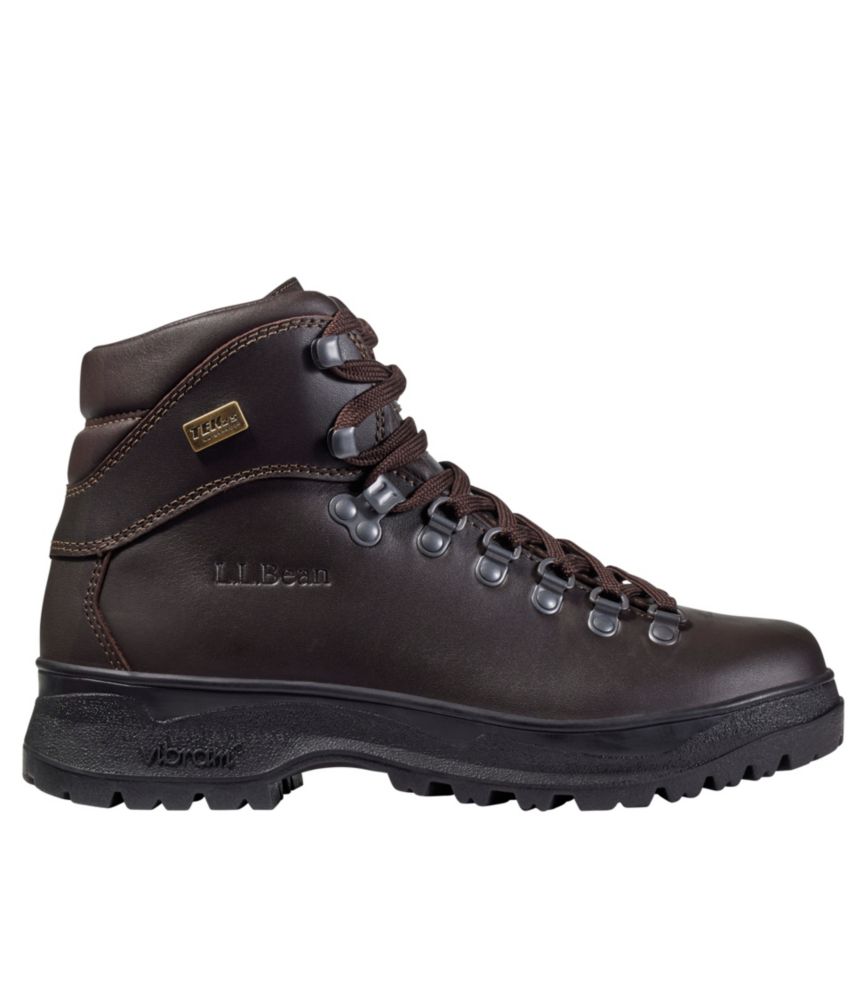
Women's Cresta II Waterproof Hiking Boots, Leather
L.L.Bean Women's Cresta II Waterproof Hiking Boots, Leather
A brown leather hiking boot with waterproof protection, cushioned EVA footbed, and Vibram® rubber sole for traction.
(0)
$280 $280
SALE
$280 $280
SALE
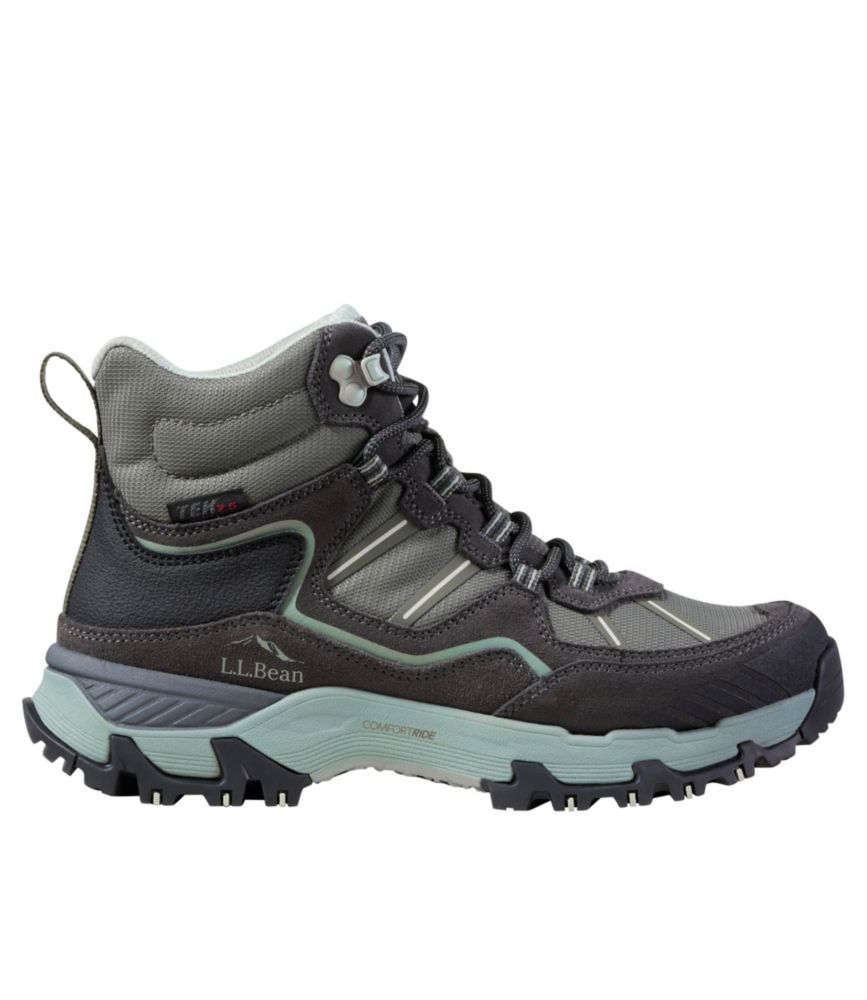
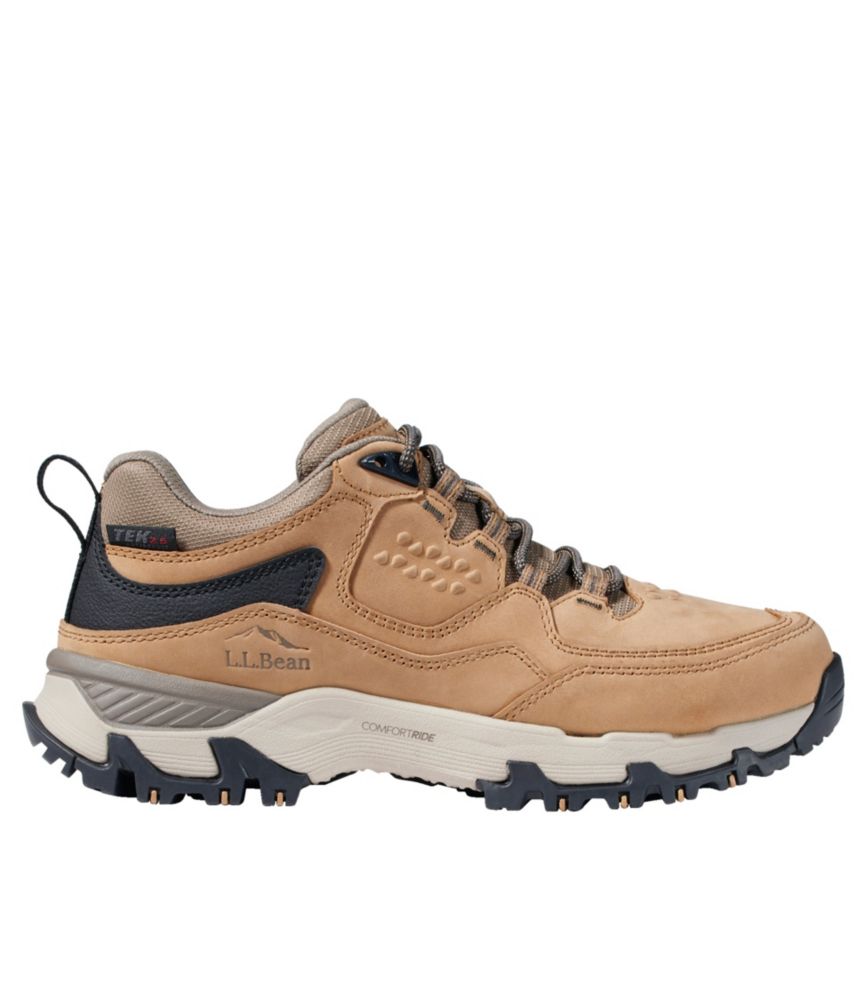
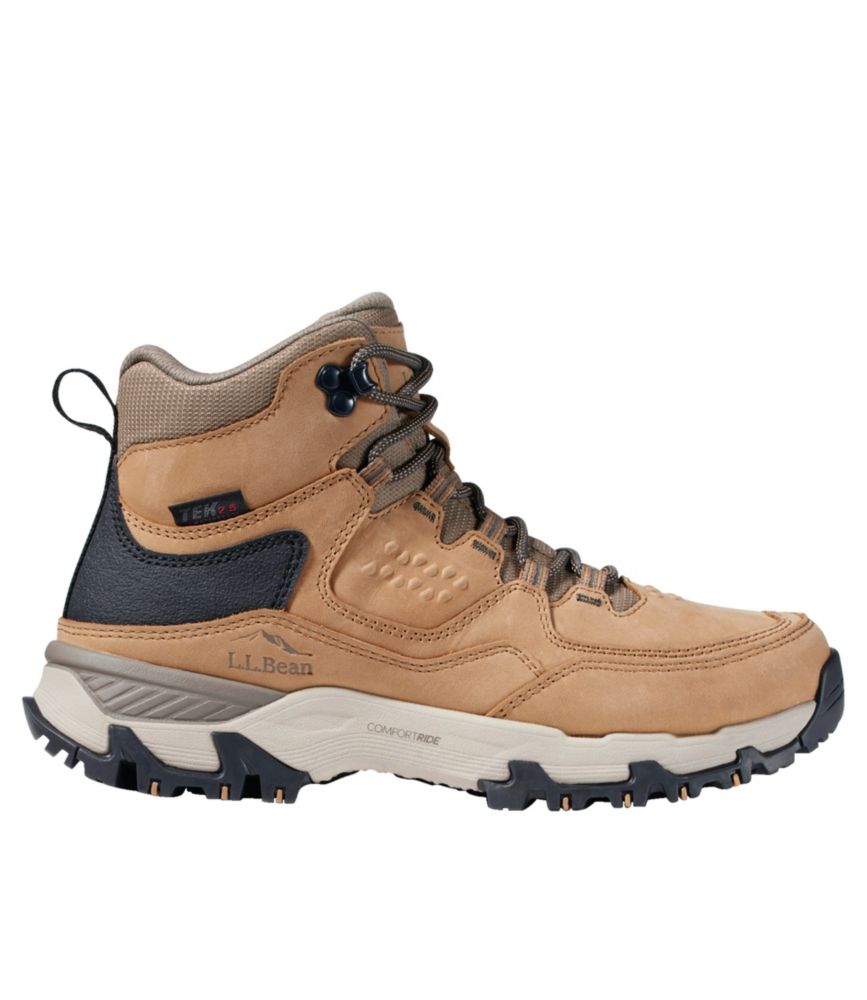
Women's Trail Model X Waterproof Hiking Boots, Leather
L.L.Bean Women's Trail Model X Waterproof Hiking Boots, Leather
A brown waterproof leather hiking boot with recycled polyester accents, EVA midsole, and enhanced wet-surface traction.
(0)
$130 $130
SALE
$130 $130
SALE
Women's Trail Model X Waterproof Hiking Boots
L.L.Bean Women's Trail Model X Waterproof Hiking Boots
A gray suede leather hiking boot with waterproof protection and enhanced traction for wet surfaces.
(0)
$120 $120
SALE
$120 $120
SALE
Women's Keen Targhee IV Mid Waterproof Hiking Boots
Keen Women's Keen Targhee IV Mid Waterproof Hiking Boots
A waterproof hiking boot with premium nubuck leather, Eco Anti-Odor, and TPU outsole for superior traction.
(0)
$180 $180
SALE
$180 $180
SALE

Women's Hiking Boots for Wide Feet

Women’s hiking boots for wide feet bring an important part of footwear selection into focus: finding a shape that suits the foot, rather than choosing by length alone. A familiar shoe size is a useful starting point, but width deserves equal attention when comparing hiking footwear. Feet of the same length can differ through the toes, forefoot, instep, and heel, so a wide fit is not simply a longer version of a standard fit. For someone whose usual boots feel crowded across the front while leaving enough space beyond the toes, looking at width can be more helpful than automatically moving up a size. The distinction between a wide size and a wide toe box matters, too. A wide size is a sizing designation, while a wide toe box describes the shape of one part of the boot; neither term tells the entire story of how footwear will fit. The most useful choice is one that takes the whole foot into account. That means considering where the widest part of the foot sits, how the heel fits, and whether the top of the foot feels crowded once the boots are laced. For hikers planning a familiar loop with a friend, joining a family outing, or beginning to explore local trails, these details make the selection more personal than a list of popular styles ever could. There is no single best fit for every woman with wide feet. A collection centered on this need offers a more relevant place to compare hiking boots, with attention to the sizing and shape details that can otherwise get lost among broader footwear choices. Personal style still belongs in the decision, whether the preference is for a classic outdoor look or a simpler design with fewer visual details.

Comparing women’s wide hiking boots is most meaningful when the size information is considered alongside the way the boots feel on both feet. Foot measurements can differ from one side to the other, and a size worn in another type of shoe may not translate exactly to hiking footwear. The stated width, size chart, and fit notes provide a better basis for comparison than the size number alone. Socks also belong in that picture: trying boots with the socks intended for hiking gives a more relevant impression than trying them with an unrelated pair. During a fitting, the toes should not feel pressed together, and the foot should not need to curl or shift into an awkward position to find space. At the same time, extra room across the forefoot does not necessarily mean that the heel needs more room. A woman with a broad forefoot and a narrower heel may be looking for a different shape than someone whose foot is fuller throughout. The instep adds another consideration, since width across the foot and volume over the top are related but distinct parts of fit. Lacing can change how a boot feels across that area, but it should not be treated as a substitute for an appropriate size and shape. A few steps on a flat floor offer only part of the picture; where a fitting area permits, noticing how the foot sits on an incline can reveal contact at the toes or movement at the heel. These are useful comparisons rather than promises attached to a width label. For shoppers choosing footwear for more than one person, Men's Hiking Boots For Wide Feet offers a related category to explore, with the same reason to consider each person’s measurements and preferences independently. A shared hiking plan does not require everyone to choose the same boot shape, size designation, or look.

Beyond sizing, the details supplied for each pair are the right place to compare materials, construction, care requirements, and the hiking use described for that footwear. Those particulars should be considered individually rather than assumed from the words “wide hiking boots.” A width designation does not identify what a boot is made from, explain its care routine, or establish how it will hold up over time. For someone who likes to keep outdoor gear for years, clear care information and thoughtful construction details are worth reading closely alongside fit information. Cleaning and storage directions can vary, and following the instructions for the chosen footwear is more useful than applying a single routine to every pair. Before using a cleaner or treatment already on the shelf, checking whether it is appropriate for the stated materials helps keep care decisions grounded in the actual footwear. Durability deserves the same practical approach: it is something to evaluate through the information provided, the demands of the intended hiking, and ongoing attention to the condition of the boots, not something guaranteed by their appearance. A first-time hiker may place particular value on straightforward sizing information, while someone replacing a well-used pair may already know exactly where earlier boots felt too narrow. Both shoppers benefit from comparing their own experience with the details in front of them rather than assuming that another person’s favorite will fit the same way. Hiking boots can also be a thoughtful gift for a woman who enjoys time on the trail, especially when the recipient has a chance to confirm the fit herself. Knowing her usual size is helpful, but knowing that she prefers a particular width or shape is more informative. Whether the next outing is a conversation-filled walk along a wooded trail or a hike to a favorite overlook, the selection begins with footwear that reflects the individual wearing it. Women’s hiking boots for wide feet keep that individual fit at the center of the choice, alongside quality, personal preference, and the simple pleasure of spending time outside.
Read More

FAQs