It's time to upgrade your browser

Your current browser is no longer supported on llbean.com. Please upgrade to one of the following for a smoother, safer shopping experience with us:

Winter Walking Shoes With Traction

Find winter walking shoes with traction for your cold-weather walks. Browse the selection and compare fit, sizing and outsole details to narrow your choices, checking each pair’s product description for traction features and recommended use.
Read More
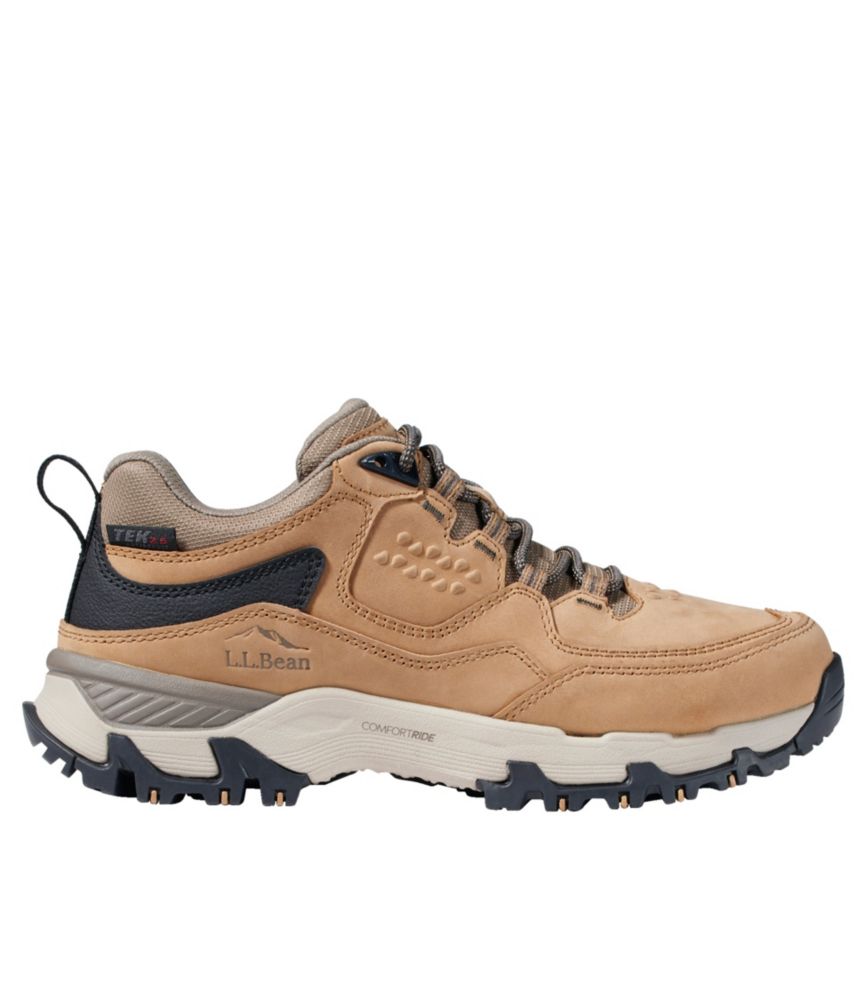
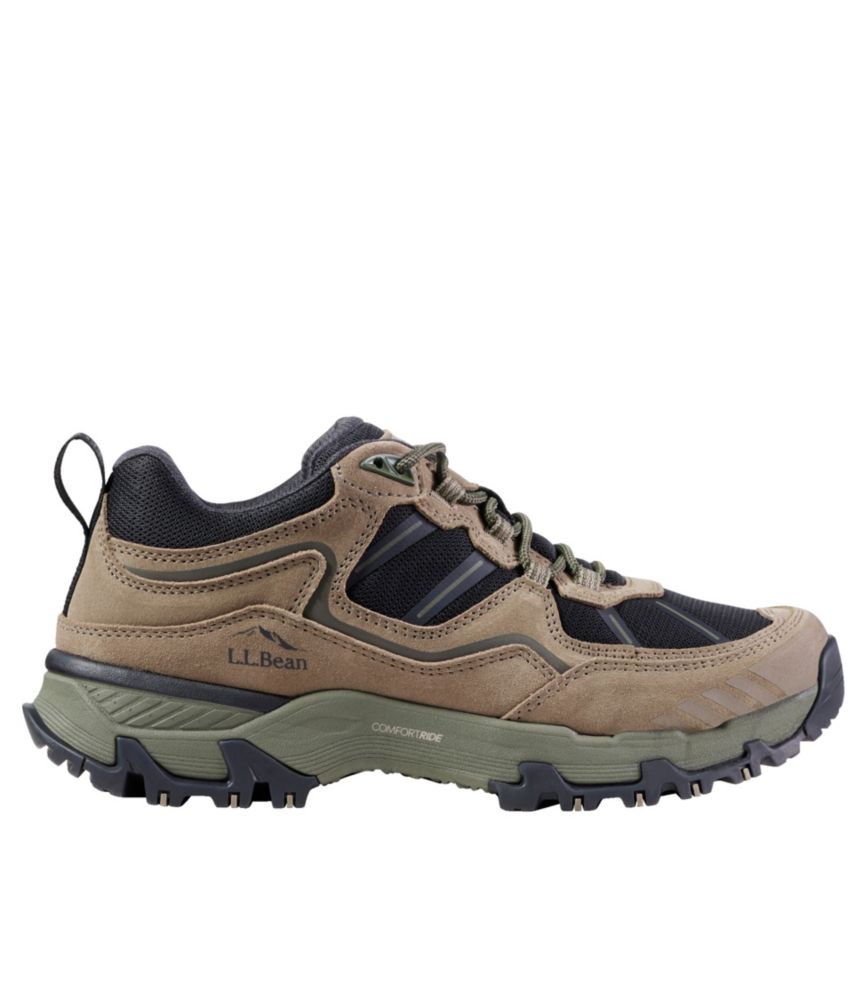
Men's Trail Model X Ventilated Hiking Shoes
L.L.Bean Men's Trail Model X Ventilated Hiking Shoes
A brown suede hiking shoe with water-resistant upper, enhanced traction, and breathable mesh panels.
(0)
$99.95 $99.95
SALE
$99.95 $99.95
SALE
Women's Elevation Trail Shoes, Waterproof
L.L.Bean Women's Elevation Trail Shoes, Waterproof
A lightweight green trail shoe with waterproof mesh, grippy rubber outsole, and thermoregulating lining for comfort.
(0)
$130 $130
SALE
$130 $130
SALE
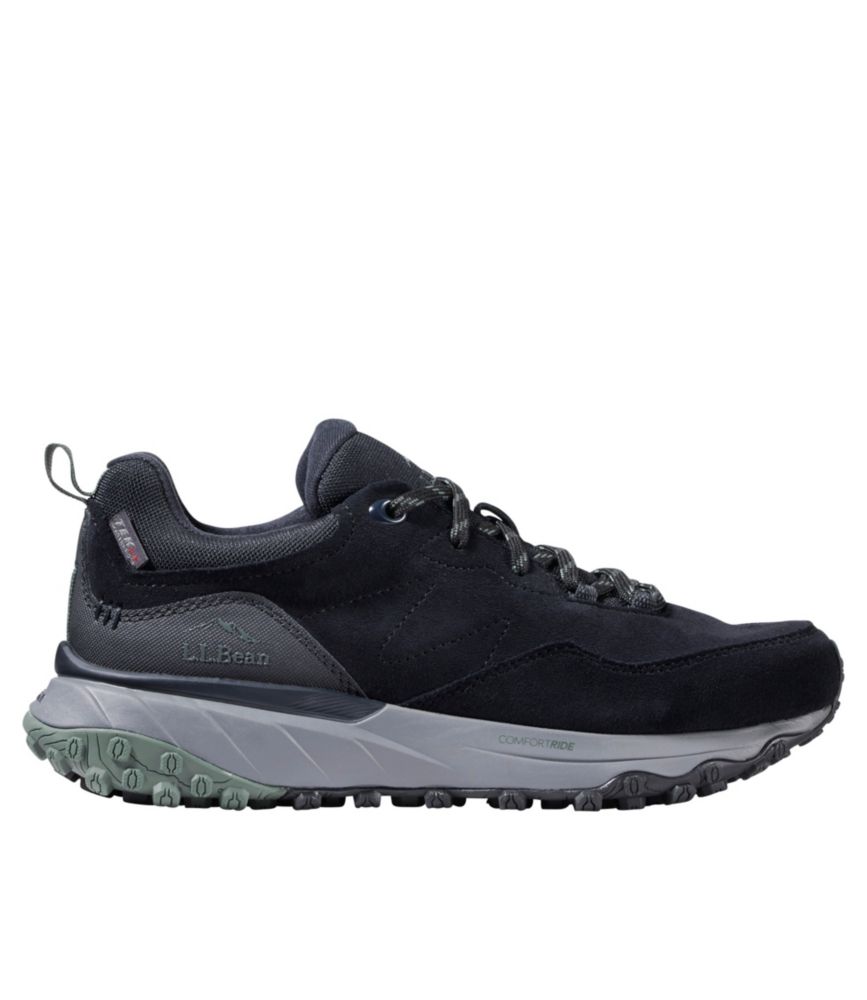
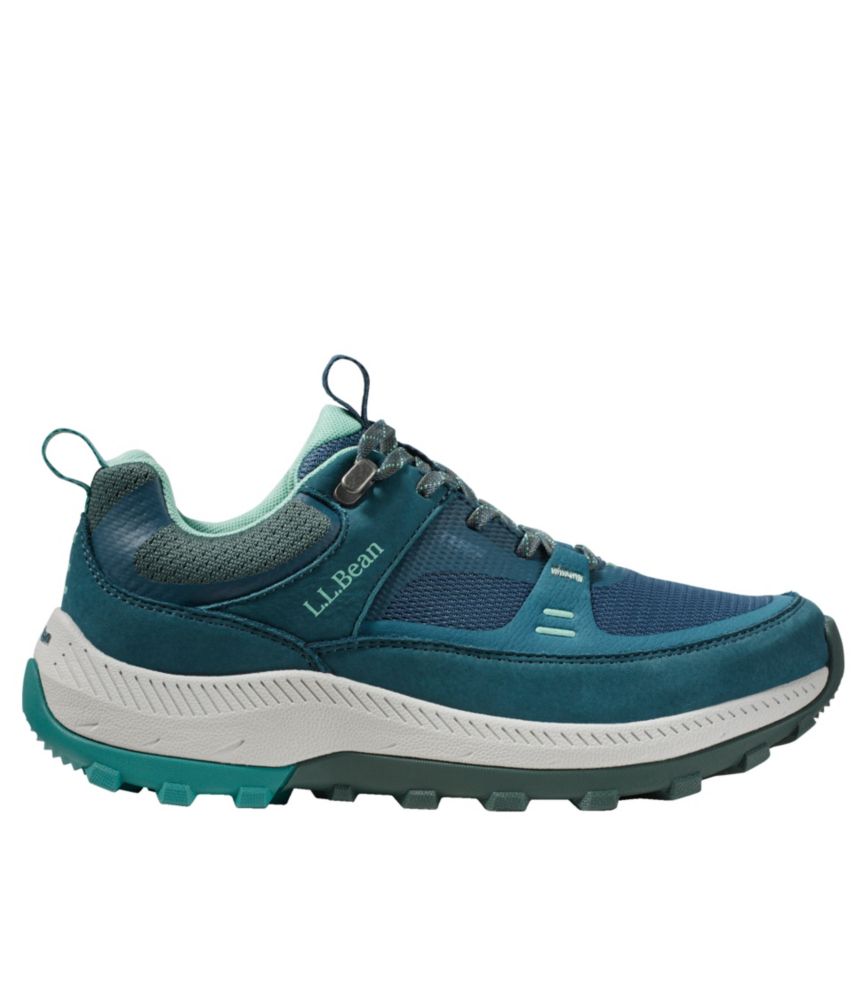
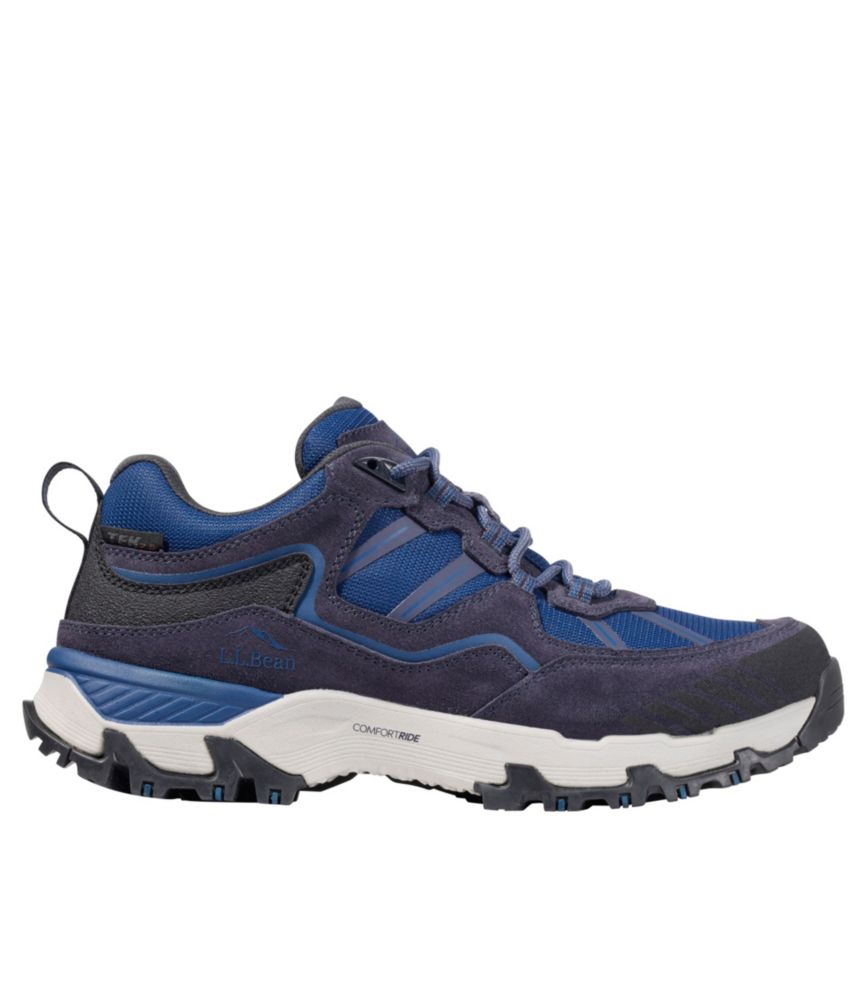
Women's Trail Model X Waterproof Hiking Shoes
L.L.Bean Women's Trail Model X Waterproof Hiking Shoes
A waterproof hiking shoe with gray suede leather, rubber outsole, and enhanced traction for wet surfaces.
(0)
$110 $110
SALE
$110 $110
SALE
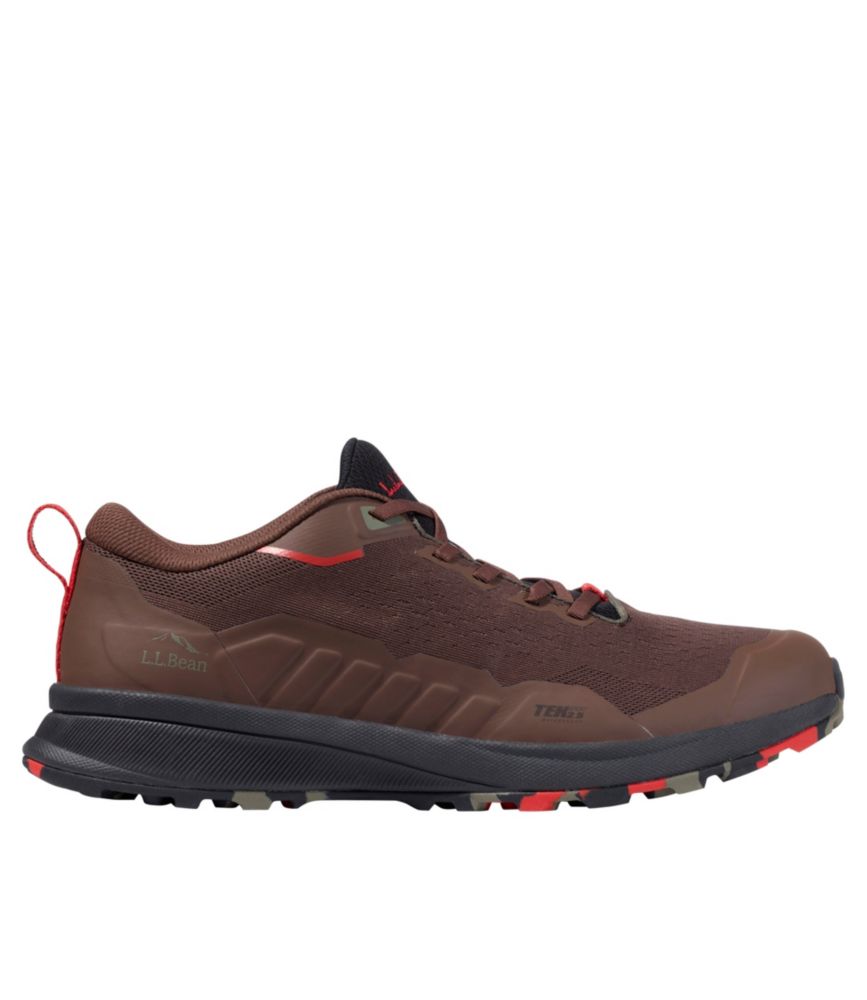
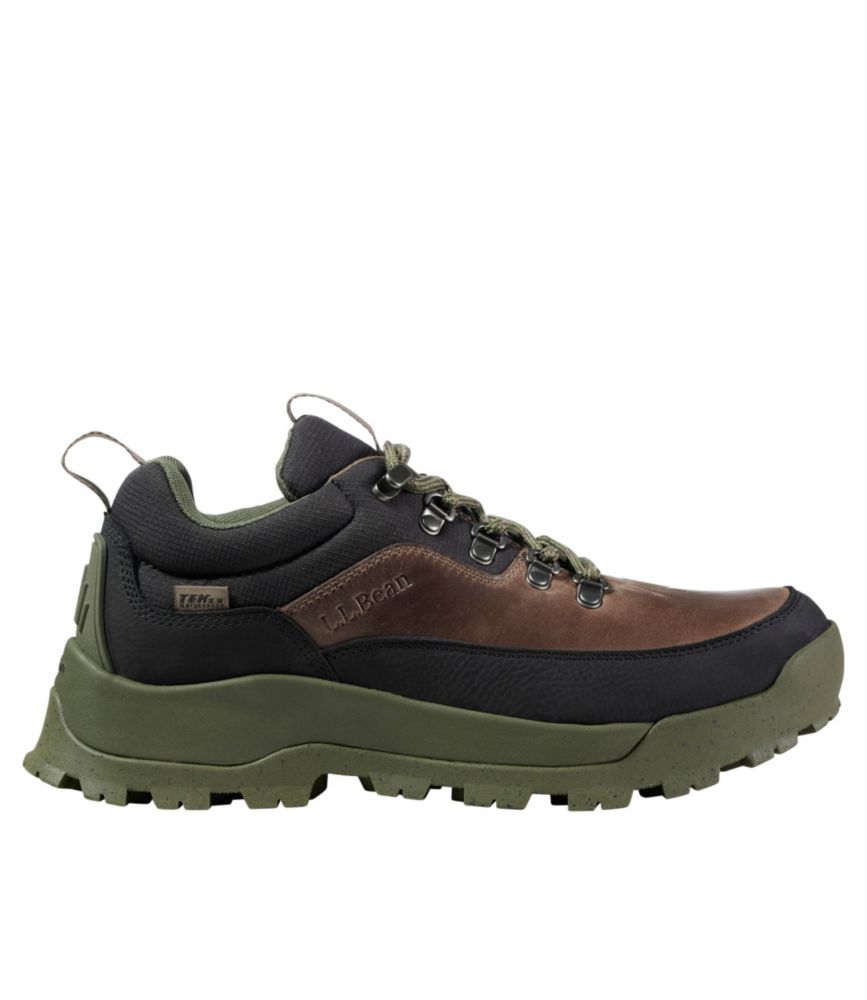
Men's Elevation Trail Shoes, Waterproof
L.L.Bean Men's Elevation Trail Shoes, Waterproof
A lightweight, waterproof brown trail shoe with recycled mesh upper and grippy rubber outsole for all-weather comfort.
(0)
$130 $130
SALE
$130 $130
SALE
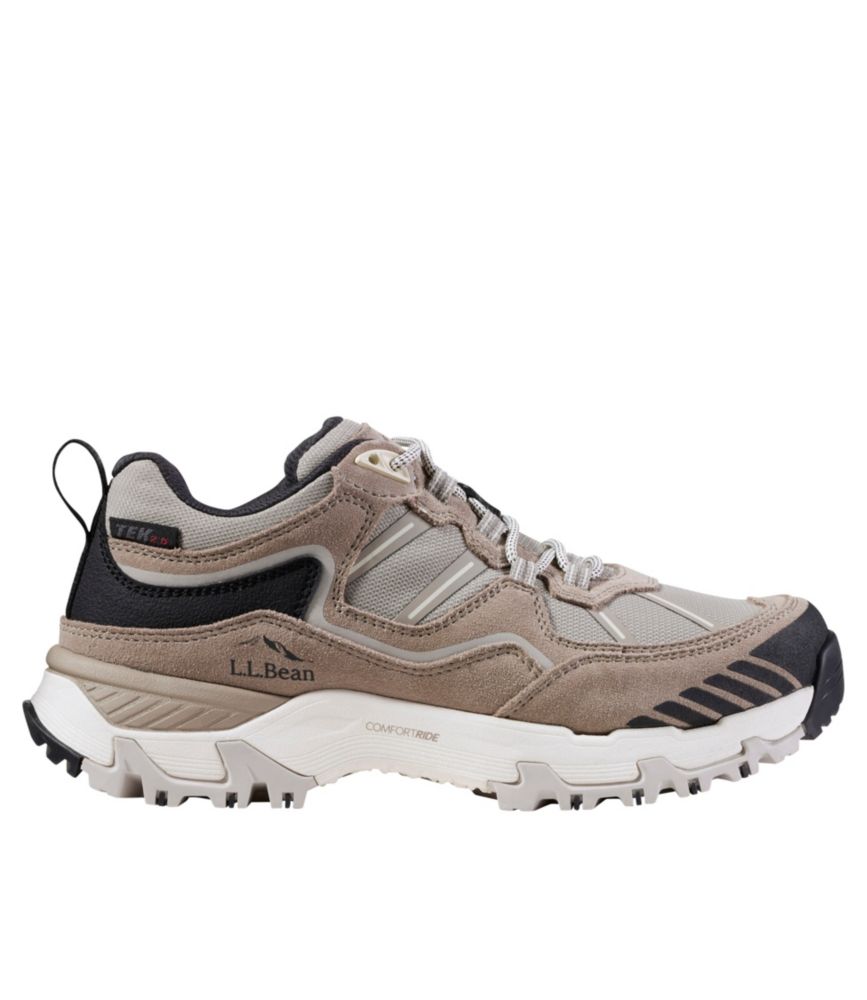
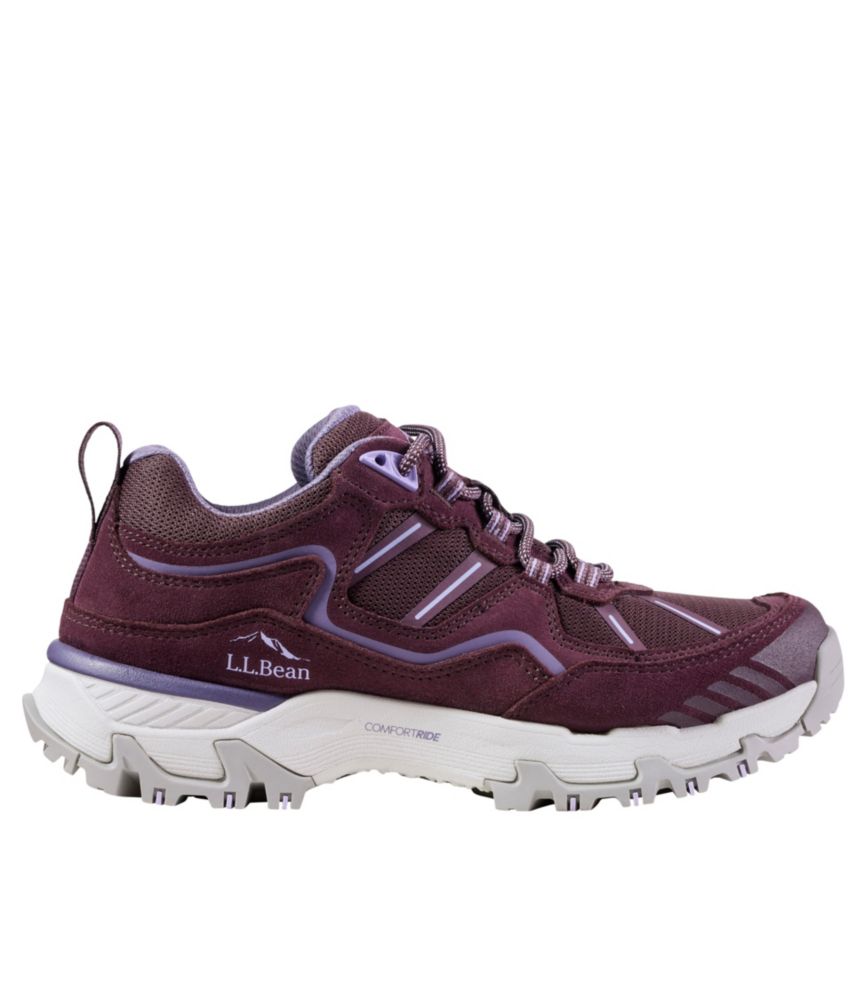
Women's Trail Model X Ventilated Hiking Shoes
L.L.Bean Women's Trail Model X Ventilated Hiking Shoes
A purple suede leather hiking shoe with water-resistant features and enhanced traction for wet surfaces.
(0)
$99.95 $99.95
SALE
$99.95 $99.95
SALE
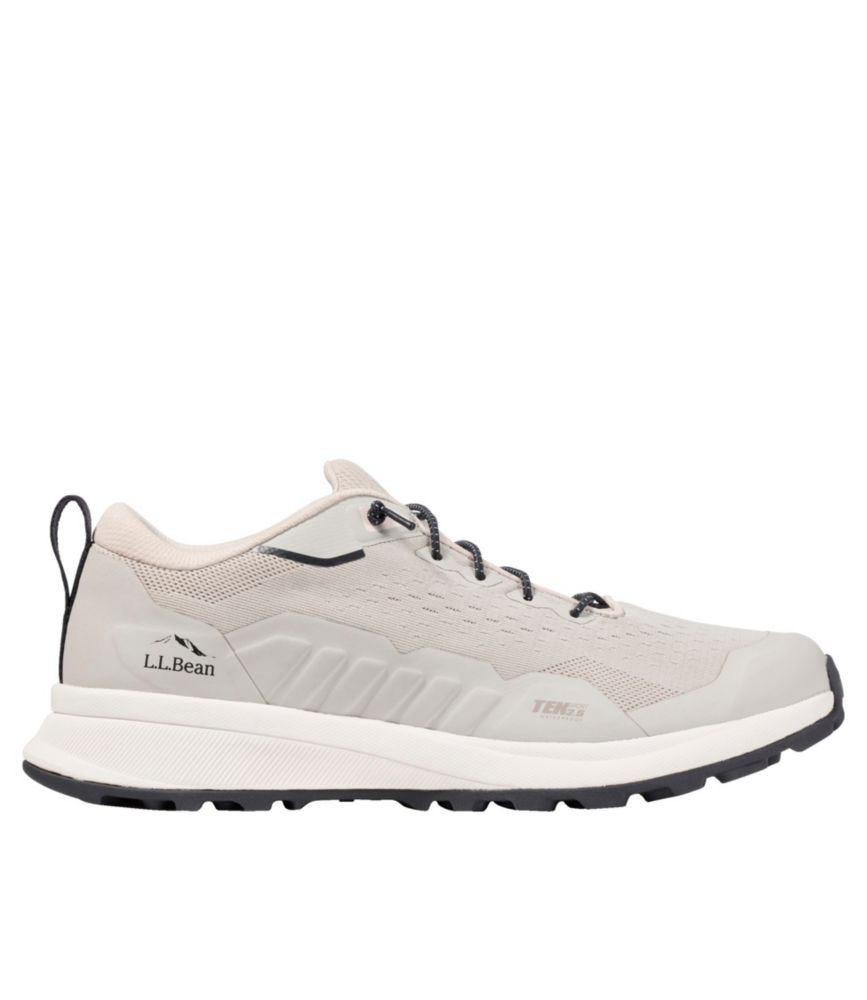
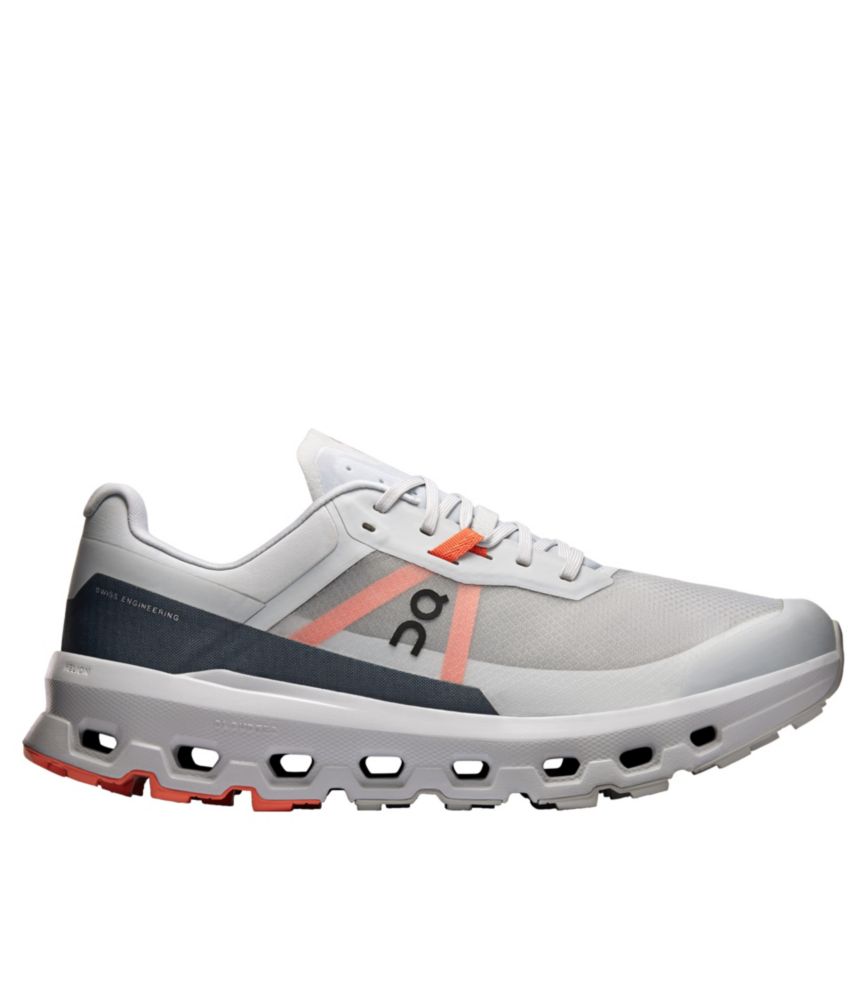
Men's On Cloudvista Trail Running Shoes
On Men's On Cloudvista Trail Running Shoes
A lightweight gray trail running shoe featuring breathable mesh, Helion™ superfoam cushioning, and Missiongrip™ rubber traction.
(0)
$150 $150
SALE
$150 $150
SALE
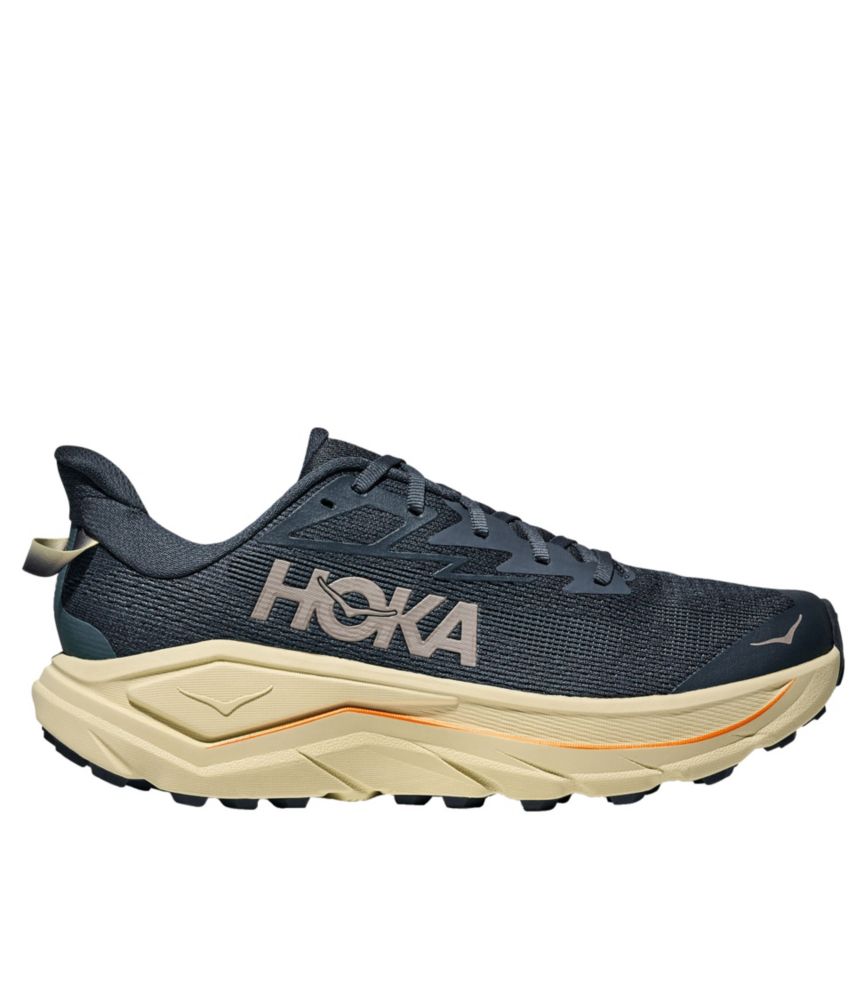
Women's HOKA Challenger 8 Trail Shoes
HOKA Women's HOKA Challenger 8 Trail Shoes
A high-cushion blue trail shoe with lightweight mesh upper, EVA midsole, and multi-directional lug outsole.
(0)
$150 $150
SALE
$150 $150
SALE

Winter Walking Shoes With Traction

Winter walking shoes with traction bring a practical focus to a familiar pleasure: heading outside for a walk, whether the destination is a neighborhood park, a friend’s front door or simply the next block. Winter gives those everyday outings a different backdrop, from bare branches overhead to snow gathered along the edges of a cleared sidewalk. Footwear choices deserve the same attention as the route itself. Traction is an important consideration, but it is not a promise of secure footing on every surface. Pavement, packed snow and ice present different conditions, and a single walk can include all three. The most useful comparison starts with the traction information provided for each pair rather than an assumption based on an outsole’s appearance. Tread patterns and outsole details offer points of comparison; any stated suitability for a particular surface should come from the shoe’s description. A substantial-looking tread alone does not establish how footwear will perform on ice. Winter walking shoes are best considered in the context of the walks someone actually takes: a short daily loop with a partner, a leisurely outing with family or a longer stroll with frequent stops to enjoy the view. Those routines help put fit, style and the stated intended use into perspective without making the choice more complicated than necessary. Someone who prefers the familiar profile of a shoe may approach the selection differently from someone who wants to compare boot styles as well. For that broader comparison, Winter Boots With Traction offers a related footwear category to explore. The distinction is worth considering alongside personal preference, not as a shortcut to assuming one shape provides better traction than another. The goal is a thoughtful match between the footwear’s documented features and the winter walking routine it will become part of.

Fit gives that comparison a more personal dimension. Two people taking the same route may prefer very different shoes, and a familiar size number is only a starting point. Length, width and the shape of the toe area all matter when comparing footwear, as does the room needed for the socks someone plans to wear. Trying shoes with those socks gives a more relevant impression than trying them with an unrelated pair. Toes should have room to move without the foot sliding around inside the shoe, and the heel should not repeatedly lift with each step. Pressure across the top of the foot or crowding at the toes deserves attention rather than an expectation that regular wear will necessarily resolve it. Individual sizing notes and measurements are more useful than a blanket recommendation to size up for winter. The way a shoe opens and fastens is another everyday consideration: some people enjoy adjusting their footwear each time, while others prefer fewer steps before heading out the door. Compare the closure shown and described for each style rather than assuming every pair works the same way. Materials also belong in the decision, but their presence should be checked in the individual description instead of inferred from a photograph or from the winter category alone. Material composition, construction details and care directions can help explain differences between otherwise similar-looking shoes. They also give a clearer picture of what owning and maintaining a pair will involve. A winter label does not mean every shoe shares the same construction or attributes. Alongside these practical details, appearance has a place: a preferred profile, a simple shape and a style that feels familiar can make the selection feel more personal. Winter walking footwear need not be chosen on looks alone, but there is room to appreciate both the details that matter underfoot and the ones that suit someone’s own sense of style.

Durability and care round out the picture, particularly for shoes intended to become part of a regular winter walking routine. Durability is worth evaluating through the construction information and maintenance requirements provided for each pair, rather than broad claims about how many seasons footwear will last. Frequency of wear, walking surfaces and care habits can all affect a shoe’s condition over time. The relevant care instructions should guide cleaning and drying; a method appropriate for one material may not be appropriate for another. After a walk, taking a moment to look over the soles and uppers can reveal collected debris or areas that need attention. Worn tread, a change in fit or visible damage deserves a closer look before another outing. These habits do not guarantee traction, but they help keep the condition of frequently worn footwear from becoming an afterthought. Conditions outside still call for judgment, including choosing a different route or postponing a walk when footing is uncertain. That practical outlook fits the spirit of winter walking: enjoying time outdoors without treating every outing as a test of distance or determination. A few blocks spent catching up with a neighbor can be just as meaningful as a longer walk with the whole family. Shoes in this category may also be a thoughtful gift for someone who already enjoys those routines, especially when their size, width and footwear preferences are known. The recipient’s usual walking habits and preferred fit matter more than choosing a pair solely because it looks seasonal. For personal shopping or gift giving, the strongest comparison brings together stated traction details, individual fit information, material descriptions and care needs. Each contributes something different, and none needs to stand in for the others. With those details in view, winter walking shoes with traction become less about an abstract checklist and more about finding footwear that suits a familiar, welcome part of someone’s day: stepping outside, sharing a little conversation and taking time to notice the world along the way.
Read More

FAQs