It's time to upgrade your browser

Your current browser is no longer supported on llbean.com. Please upgrade to one of the following for a smoother, safer shopping experience with us:

Winter Chukka Boots

Find winter chukka boots with a classic ankle-height profile and timeless style. As you compare pairs, check each product’s fit, materials and winter-specific features to choose the boots that best suit your needs.

Women's Eco Bay Chukka Boots, Leather
L.L.Bean Women's Eco Bay Chukka Boots, Leather
A black water-resistant nubuck leather chukka boot with recycled EVA cushioning, lining and grippy rubber outsole.
(0)
$130 $84.99
SALE
$130 $84.99
SALE
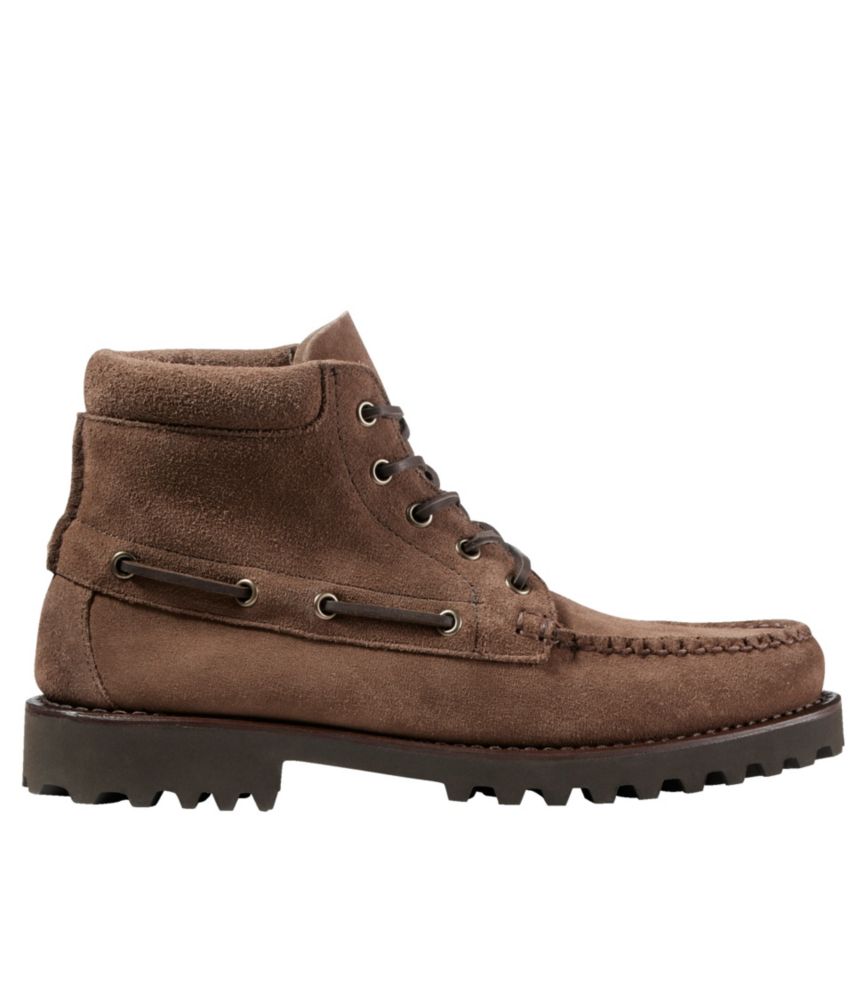
Men's Allagash Handsewn Chukka Boots
L.L.Bean Men's Allagash Handsewn Chukka Boots
A brown suede chukka boot with handsewn construction, lugged traction, cushioned footbed, and rawhide laces.
(0)
$180 $124.99
SALE
$180 $124.99
SALE
Men's Eco Bay Chukka Boots, Leather
L.L.Bean Men's Eco Bay Chukka Boots, Leather
Waterproof brown leather chukka boots with recycled-material lining, cushioned insoles, and grippy rubber outsoles.
(0)
$130 $74.99
SALE
$130 $74.99
SALE
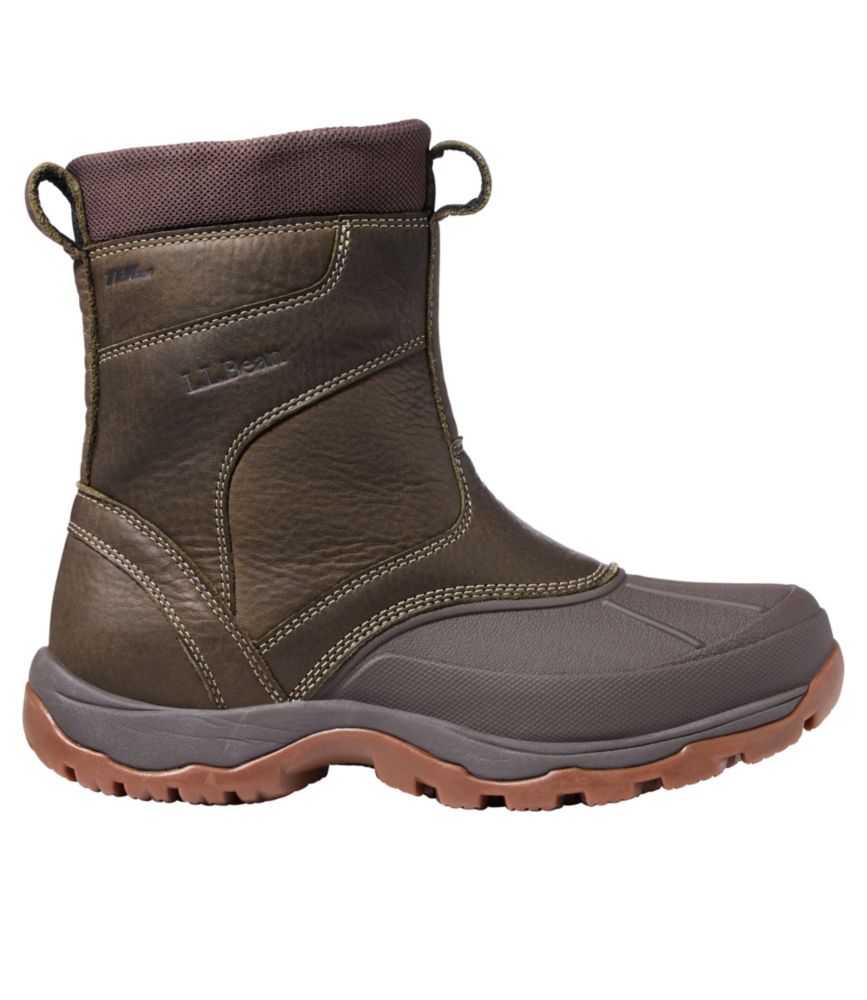
Men's Storm Chaser Boots 5, Zip
L.L.Bean Men's Storm Chaser Boots 5, Zip
A gray waterproof leather boot with 200-gram PrimaLoft insulation, side zippers and grippy rubber outsoles for winter traction.
(1,216)
$170 $170
SALE
What customers like:
Comfortable for long hours
Warmth in cold weather
Easy on and off with zipper
Great traction and water resistance
High quality and durable materials
$170 $170
SALE
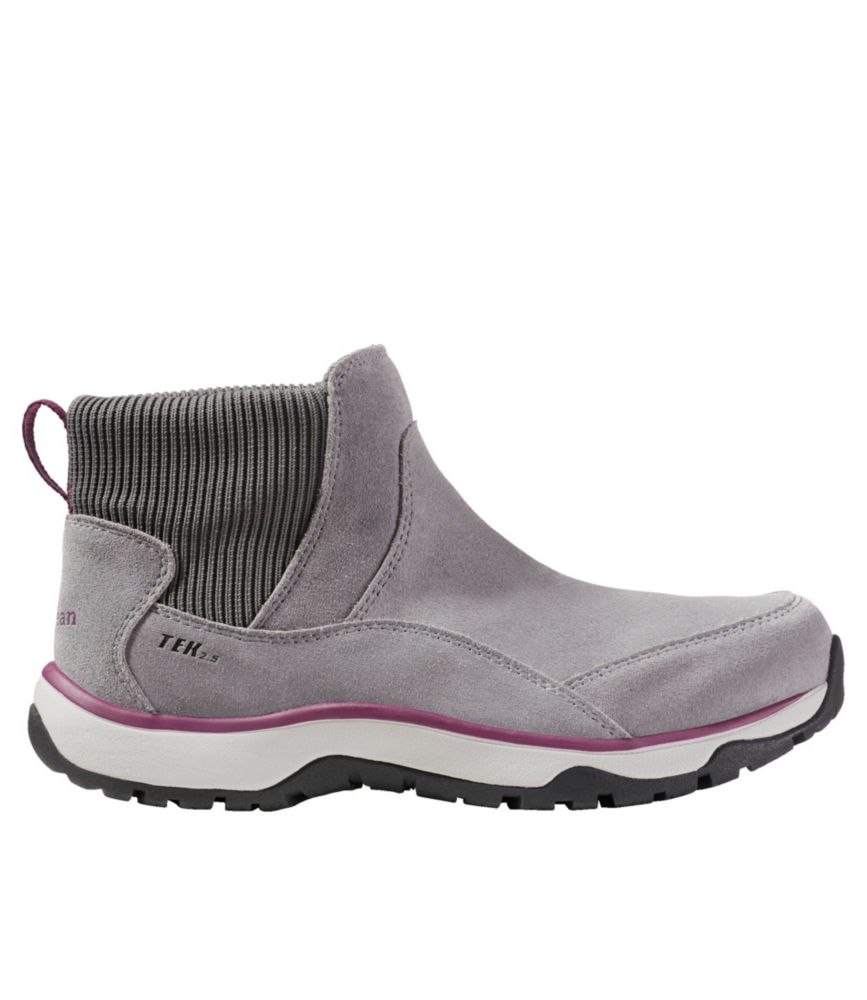
Women's Snow Sneaker 5 Boots, Pull-On
L.L.Bean Women's Snow Sneaker 5 Boots, Pull-On
A gray suede-and-fabric winter boot with 200-gram insulation, waterproof protection, and rugged traction.
(747)
$150 $150
SALE
What customers like:
Easy to pull on
Comfort
Warmth
Good grip
Well made
$150 $150
SALE

Winter Chukka Boots

Winter chukka boots bring a familiar, understated shape to a winter wardrobe: an ankle-height silhouette, lace-up styling and a look that leaves room for personal expression. Chukkas occupy a distinctive place among boots, with proportions that are easy to recognize without elaborate detailing. Their appeal often begins with that balance—a defined shape that feels less visually substantial than a taller boot, yet more pronounced than a low shoe. Within that outline, small design differences can change the overall impression. The shape of the toe, the placement of seams, the arrangement of the laces and the profile of the sole all contribute to whether a pair looks understated or more rugged. A rounded outline creates a different visual effect from a narrower one, just as prominent stitching draws the eye differently than a simpler finish. These are useful distinctions when considering how boots relate to the rest of a wardrobe. Straight-leg jeans, neatly hemmed trousers and textured sweaters each put a different emphasis on footwear, even when the boots themselves stay the same. A trouser hem that rests near the top of a chukka shows its shape differently from one that falls farther over the laces. Looking at those proportions can be more helpful than choosing from an isolated photograph alone. Winter style does not have to depend on a completely different wardrobe; sometimes the most satisfying choice is a familiar boot shape that feels consistent with the clothes already in regular rotation. For someone drawn to classic design, the attraction is often in the restraint: a recognizable outline, considered details and a style that does not need to be the loudest part of an outfit. This collection brings the winter chukka boot theme into focus, making those individual design differences a natural starting point for comparison.

Fit deserves as much attention as appearance when comparing winter chukka boots. A familiar shoe size provides a starting point, but the size and fit information for the pair under consideration offers more useful detail than size alone. Footwear preferences are personal: some people favor a closer feel through the heel, while others pay particular attention to space across the forefoot or around the toes. The socks someone expects to wear are part of that decision, too, since a fitting made with one sock thickness may feel different with another. Both feet deserve attention, and the fit should be considered while standing and walking rather than only while seated. Laces offer a way to adjust how a boot sits across the top of the foot, but they are not a substitute for choosing an appropriate size and shape. Materials deserve the same individual consideration. The material information provided for each pair is the best place to understand its construction, rather than treating a photograph, a finish or the word “winter” as a complete description. Close-up views can help reveal visible texture and detailing; written specifications provide information an image cannot establish. Care belongs in that comparison from the beginning, especially for someone who prefers a straightforward routine. Follow the directions supplied for the particular boots, including any recommendations about cleaning, drying, storage or care products. A treatment intended for one material should not automatically be used on another. Thinking about upkeep before making a choice helps connect the appeal of a pair with the attention it will need afterward. Durability is also worth considering at the individual product level, with construction details and care requirements offering a more grounded basis for a decision than appearance alone. Quality matters, but so does choosing footwear whose fit, design and maintenance needs make sense for its owner.

Personal style gives winter chukka boots their context, whether the choice is for an existing wardrobe or a thoughtful gift. Someone who repeatedly reaches for simple shapes may appreciate restrained detailing, while someone whose clothes feature visible stitching and texture may be drawn to a more pronounced outline. Neither approach requires a complete change in style. Looking at the shoes a person already chooses can reveal useful preferences: rounded or tapered toes, subtle or prominent soles, minimal detailing or a more defined pattern of seams. The relationship between boots and trousers is another small detail with a noticeable effect. A wider opening can frame the boot differently from a narrow hem, and a cuff can draw attention to the ankle-height shape. Considering a whole outfit makes these choices feel less abstract. Picture familiar jeans laid beside a favorite sweater, or a pair of trousers with the shirt usually worn with them; the right visual direction often becomes clearer when the boots are considered as part of that combination. For a gift, this kind of observation is more useful than guessing at someone else’s ideal style. Knowing the recipient’s usual footwear size helps, but an exact style preference and any known fit needs matter as well. Winter chukkas are a personal choice, and a successful gift should reflect the person receiving it rather than the giver’s wardrobe. For another silhouette to consider, the winter pac boots collection offers a related category to explore without assuming the two styles are interchangeable. The distinction starts with the overall shape and continues through the details of each individual pair. Across those choices, timeless style is less about following a prescribed look than finding proportions and details that feel familiar. A considered pair of winter chukka boots can become part of that personal style, chosen with attention to appearance, fit and the care information that accompanies it.

FAQs