It's time to upgrade your browser

Your current browser is no longer supported on llbean.com. Please upgrade to one of the following for a smoother, safer shopping experience with us:

White Winter Boots

Shop white winter boots for a light, neutral look that pairs easily with your winter wardrobe. Explore the selection and check each pair’s sizing, fit and listed features to find the right match for you.
Read More
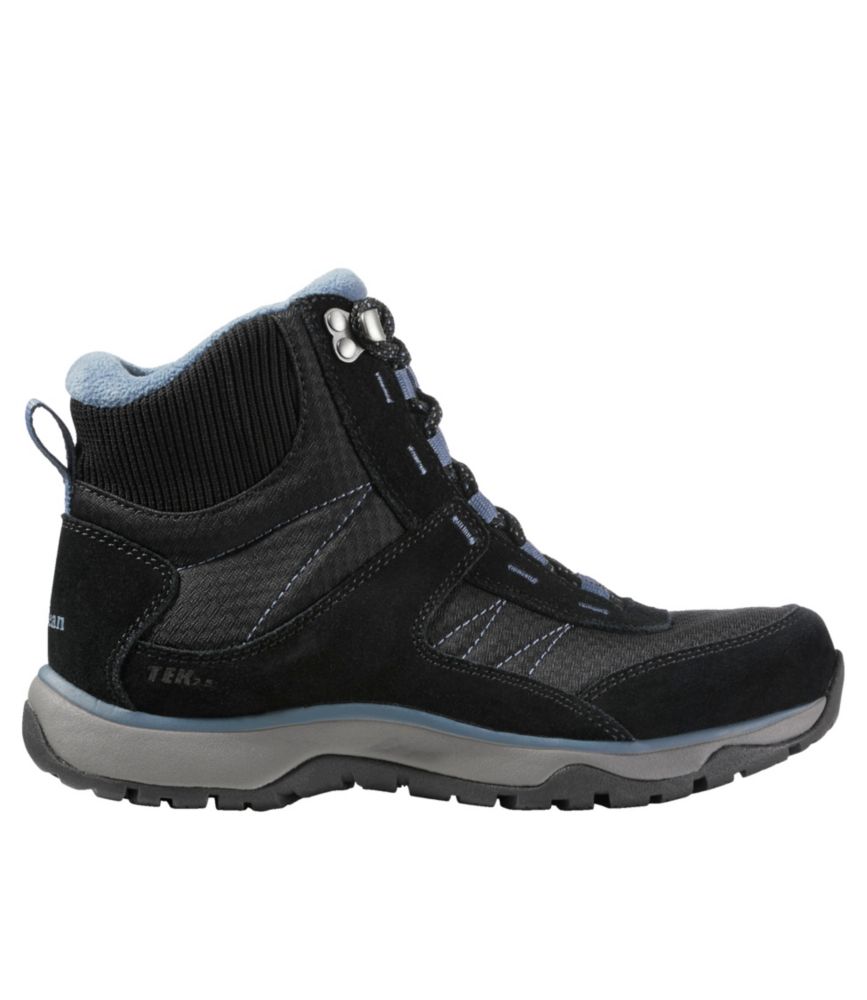
Women's Snow Sneaker 5 Boots, Lace-Up
L.L.Bean Women's Snow Sneaker 5 Boots, Lace-Up
A lace-up winter boot in black suede leather with ColdShield insulation and waterproof membrane for ultimate warmth.
(784)
$150 $150
SALE
What customers like:
Waterproof
Lightweight
Great traction
Good fit
Keeps feet warm
$150 $150
SALE
Women's Rangeley Insulated Pac Boots, Ankle
L.L.Bean Women's Rangeley Insulated Pac Boots, Ankle
A stylish mid snow boot with 200-gram PrimaLoft® insulation and waterproof full-grain leather upper.
(593)
$170 $170
SALE
What customers like:
Perfect fit
Well-made
Stylish and cute
Comfortable
Keeps feet warm
$170 $170
SALE
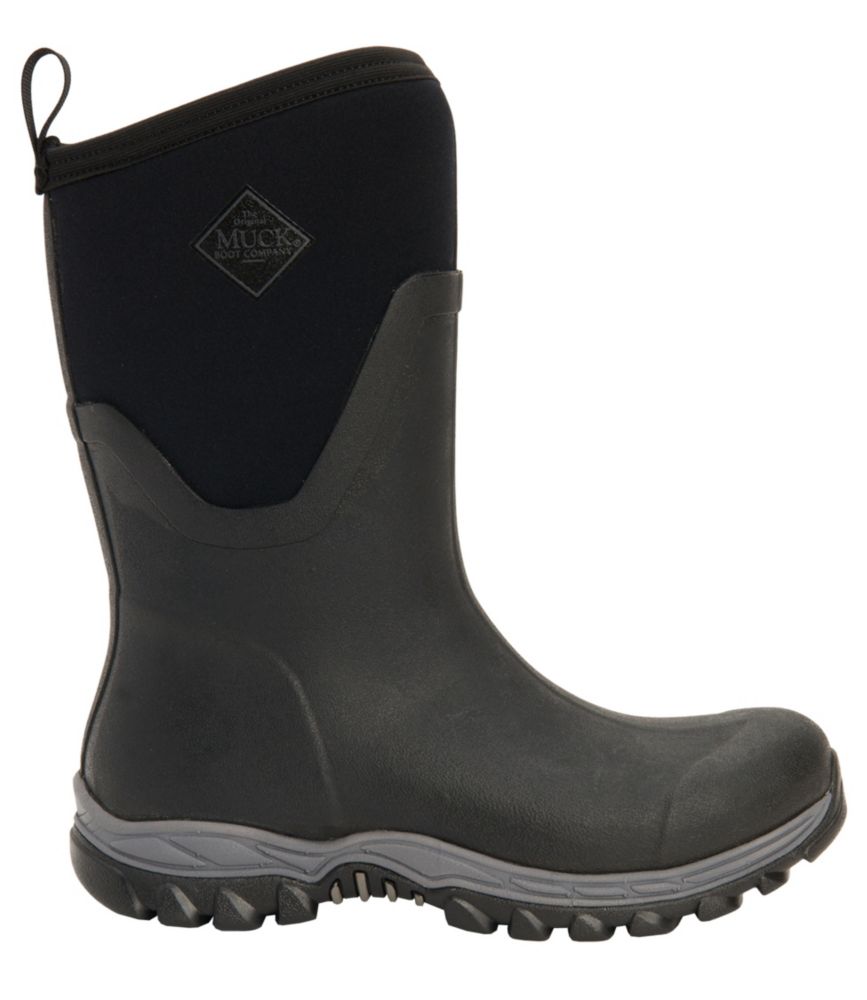
Women's Muck Arctic Sport Boot II, Mid
Muck Women's Muck Arctic Sport Boot II, Mid
A waterproof, insulated ankle boot with neoprene and rubber, offering warmth, comfort, and traction.
(0)
$160 $160
SALE
$160 $160
SALE
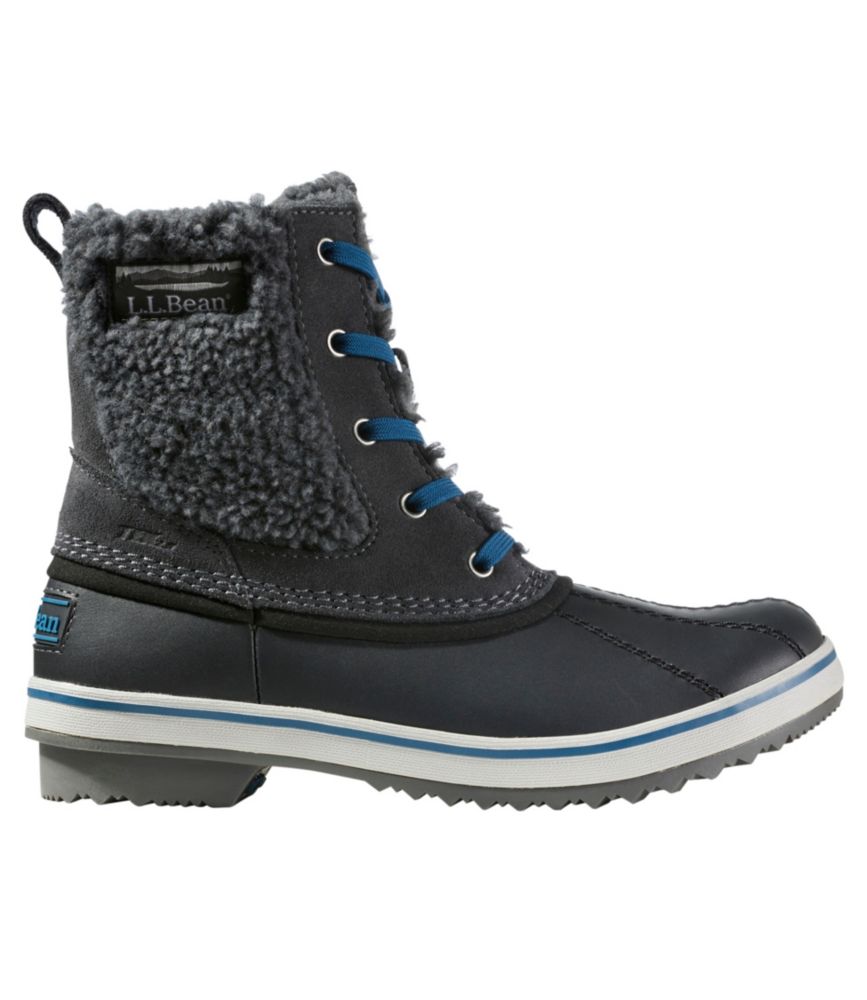
Kids' Access Winter Pull-On Boots
L.L.Bean Kids' Access Winter Pull-On Boots
A water-resistant black rubber and nylon boot with cozy fleece lining and reliable traction for winter play.
(0)
$110 $110
SALE
$110 $110
SALE
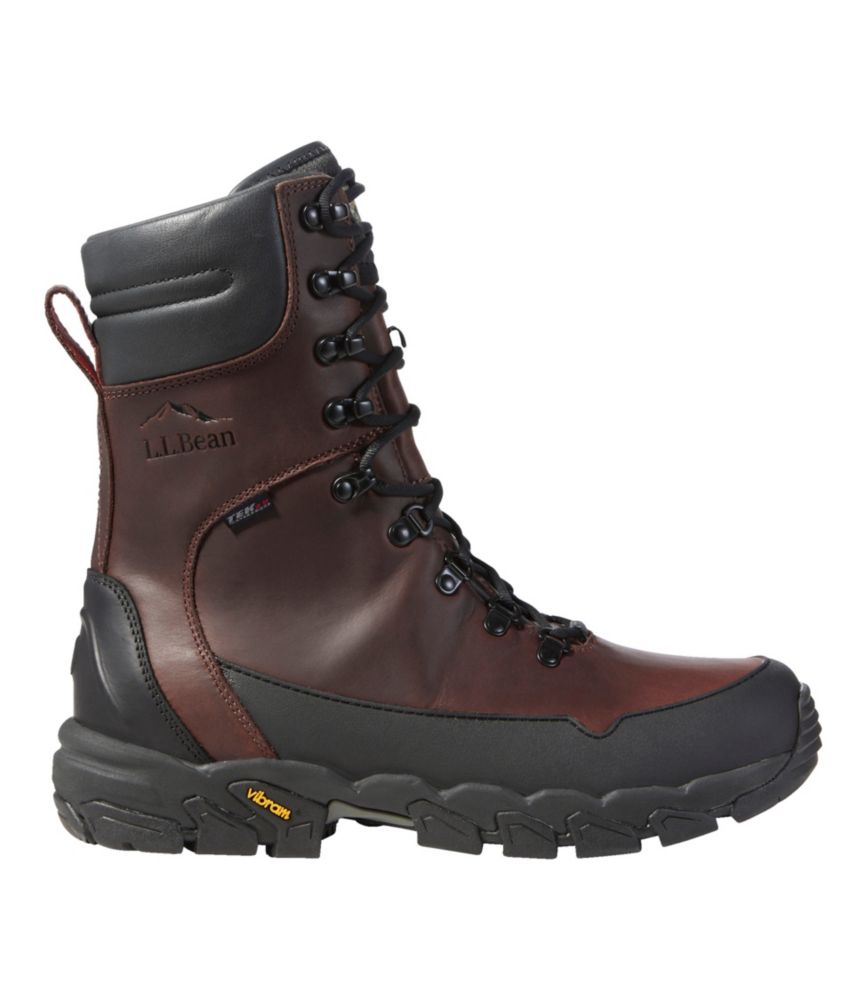
Men's Maine Warden's Field Boot
L.L.Bean Men's Maine Warden's Field Boot
A rugged, deepest brown leather boot with GORE-TEX, Primaloft insulation, and Vibram outsole for superior traction.
(0)
$280 $280
SALE
$280 $280
SALE

White Winter Boots

White winter boots bring a light, clean look to a winter wardrobe, creating a fresh contrast with the darker colors often found in coats, pants and accessories. Their appeal starts with that simple visual difference: white footwear can become a focal point in an otherwise understated outfit or tie together lighter pieces for a more coordinated look. Paired with black pants and a charcoal coat, white boots create a clear contrast without adding another pattern or bold color. With cream, gray or tan clothing, they take a quieter role, bringing together a palette of closely related shades. Neither approach requires everything to match exactly. Small differences between whites can give an outfit depth, especially when the shapes and proportions feel balanced. A straight-leg pant that meets the top of a boot creates a different line than a tapered leg tucked inside a taller shaft, while a cropped hem makes the footwear more prominent. Boot height, toe shape and the visual weight of the sole all contribute to the overall impression. A rounded profile may complement relaxed clothing, while a more streamlined shape can work with a simpler, more tailored outfit. These are useful details to compare alongside color, since two white silhouettes can have quite different personalities. White also gives patterned clothing a clear point of contrast. A checked coat, striped scarf or richly colored sweater can remain the center of attention when the rest of the outfit stays simple. For anyone who prefers a small wardrobe with pieces that coordinate easily, it helps to picture the boots beside clothing already worn regularly rather than imagining an entirely new set of outfits. The best color choice is often the one that feels natural with familiar favorites. White winter boots offer a distinctive direction without requiring a dramatic change in personal style, whether the preferred look is tonal and understated or built around a strong light-and-dark contrast.

Fit deserves just as much attention as appearance, particularly when comparing different boot shapes. A familiar shoe size is a useful starting point, but the size information and measurements for each style provide a better basis for comparison. Foot length, width and the shape of the toe area can all affect how a boot fits, and a taller shaft introduces another consideration around the calf. When trying boots on, wear the socks intended to go with them and check both feet while standing. Toes should have room rather than pressing against the front, and the foot should not feel squeezed across its widest point. Notice whether the heel shifts repeatedly and whether any part of the opening presses uncomfortably against the leg. A brief try-on can reveal more when it includes a few ordinary steps and a chance to sit down, rather than a quick look in the mirror. Where a style has adjustable closures, assess the fit after fastening them as intended; adjustment should not be treated as a substitute for the right size. For taller silhouettes, consider the clothing that will sit inside or over the shaft, since that changes the space needed and the way the outfit falls. Pants that bunch heavily above an opening may create a different appearance than expected, even when the foot size is correct. Product photographs can help with proportion, but measurements are more useful for judging height and circumference. It is also worth checking the stated color description alongside the images. Lighting and screen settings can affect how white appears, making a shade look brighter, softer or slightly different from one photograph to another. Someone coordinating boots with a favorite coat may care more about that distinction than someone looking for a clear contrast. Taken together, these details make choosing white winter boots less about finding a universally “right” style and more about finding a shape, fit and shade that belong naturally in an individual wardrobe.

Care and construction are important parts of that choice, too, especially when appearance is a large part of the appeal. White makes marks easier to notice, so it is worth reading the material information and care directions before deciding on a style. The same color does not mean the same construction, and a cleaning method appropriate for one pair should not automatically be used on another. Follow the directions provided for the boots, including any guidance about cleaning products, drying and storage. Avoid choosing a treatment simply because its packaging mentions white footwear; compatibility with the stated material matters more than color alone. Checking for marks after wear gives a clearer picture of what needs attention, while dealing with unfamiliar stains according to the care guidance avoids guesswork. Before storing boots, make sure they are clean and dry, and give them enough space that the shafts are not unnecessarily crushed or folded. Over time, checking seams, closures and soles can help identify changes in condition that deserve attention. Durability is best considered through the construction details and care requirements of an individual style, not inferred from a substantial appearance or a particular shade. Those practical considerations also matter when white winter boots are chosen as a gift. Knowing the recipient’s usual size is helpful, but preferred boot height, fit preferences and clothing colors can be equally important. Someone who regularly wears dark neutrals may appreciate the contrast of white, while someone drawn to lighter outfits may enjoy a more coordinated look. A gift feels more personal when it reflects those established preferences rather than an assumption about what the recipient should wear. For another color direction, Blue Winter Boots provides a natural comparison within a winter wardrobe. White remains a distinctive choice for its clean visual character, with the final decision resting on the details that matter most: an appropriate fit, a preferred silhouette, clear care information and a color that feels at home with favorite clothing.
Read More

FAQs