It's time to upgrade your browser

Your current browser is no longer supported on llbean.com. Please upgrade to one of the following for a smoother, safer shopping experience with us:

Wide-Wale Corduroy Pants

Shop wide-wale corduroy pants with the broad, distinctive ribs that give corduroy its classic textured look. Browse the selection and compare each pair’s fit, cut and sizing details to find the style that suits your wardrobe.
Read More
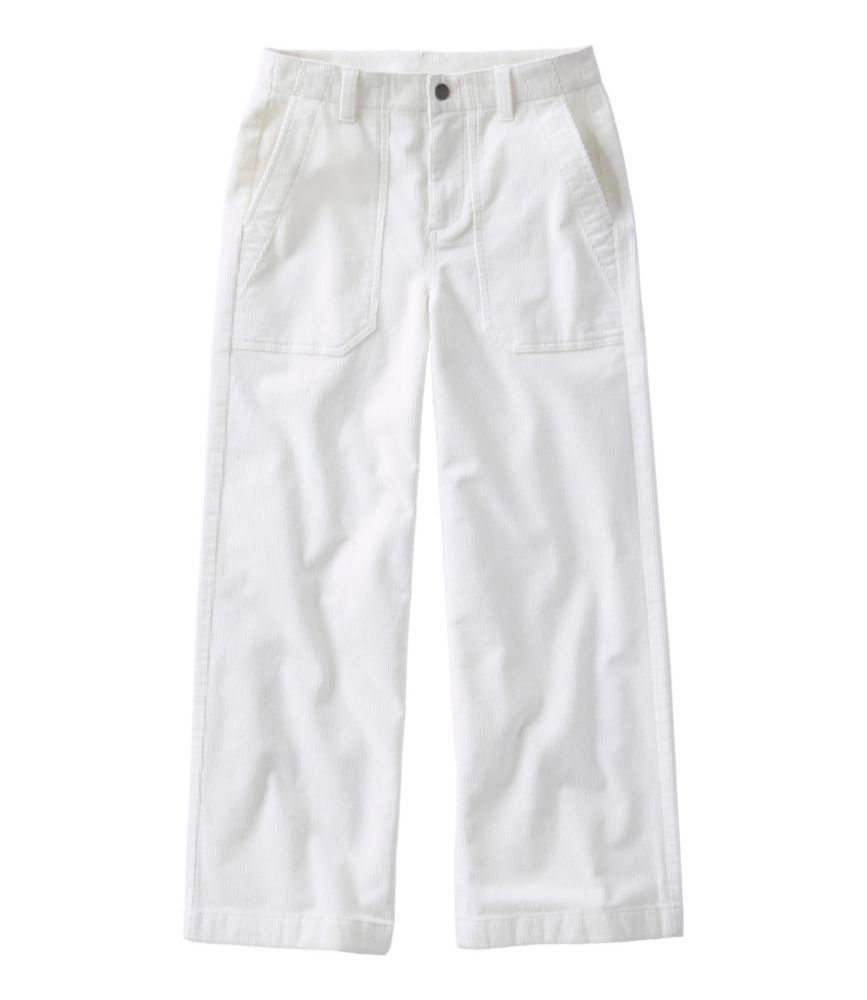
Women's 207 Vintage Corduroy Pants, High-Rise Wide-Leg
L.L.Bean Women's 207 Vintage Corduroy Pants, High-Rise Wide-Leg
A pair of high-rise, wide-leg corduroy pants in bone, made from 99% cotton for all-day comfort.
(0)
$89.95 $89.95
SALE
$89.95 $89.95
SALE
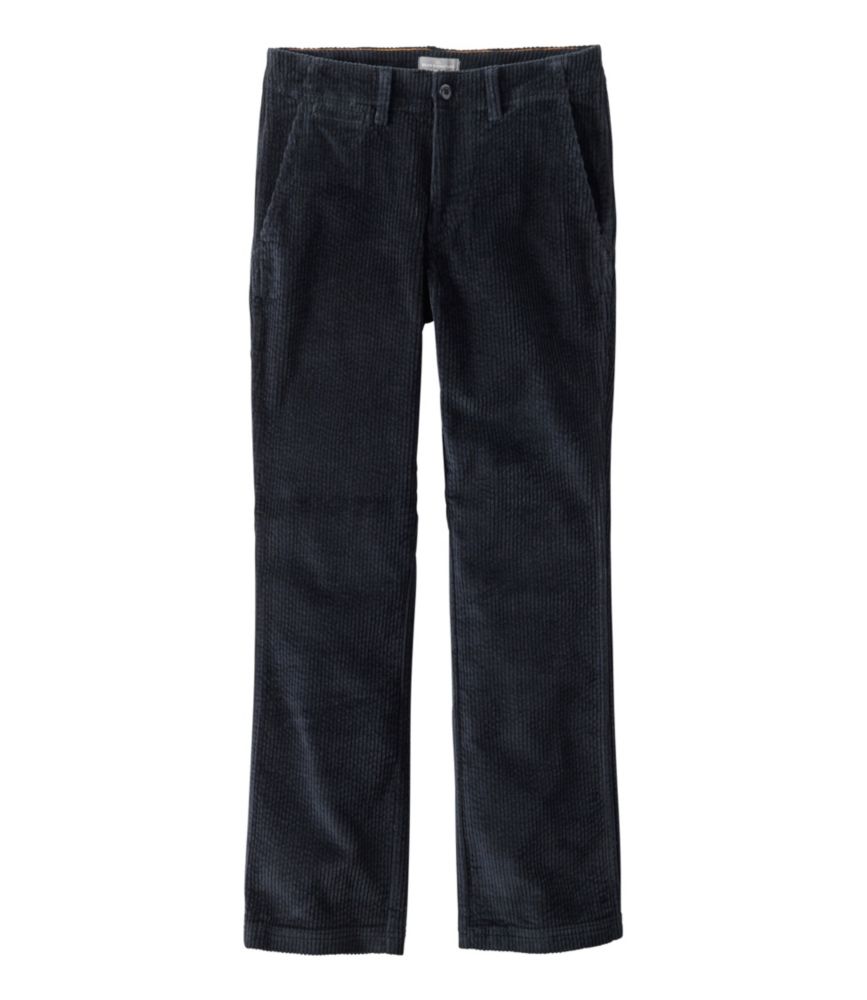
Men's Signature Washed Corduroys, Standard Fit
L.L.Bean Men's Signature Washed Corduroys, Standard Fit
A pair of black wide-wale corduroys in soft cotton blend with a straight leg and streamlined fit.
(0)
$120 $120
SALE
$120 $120
SALE
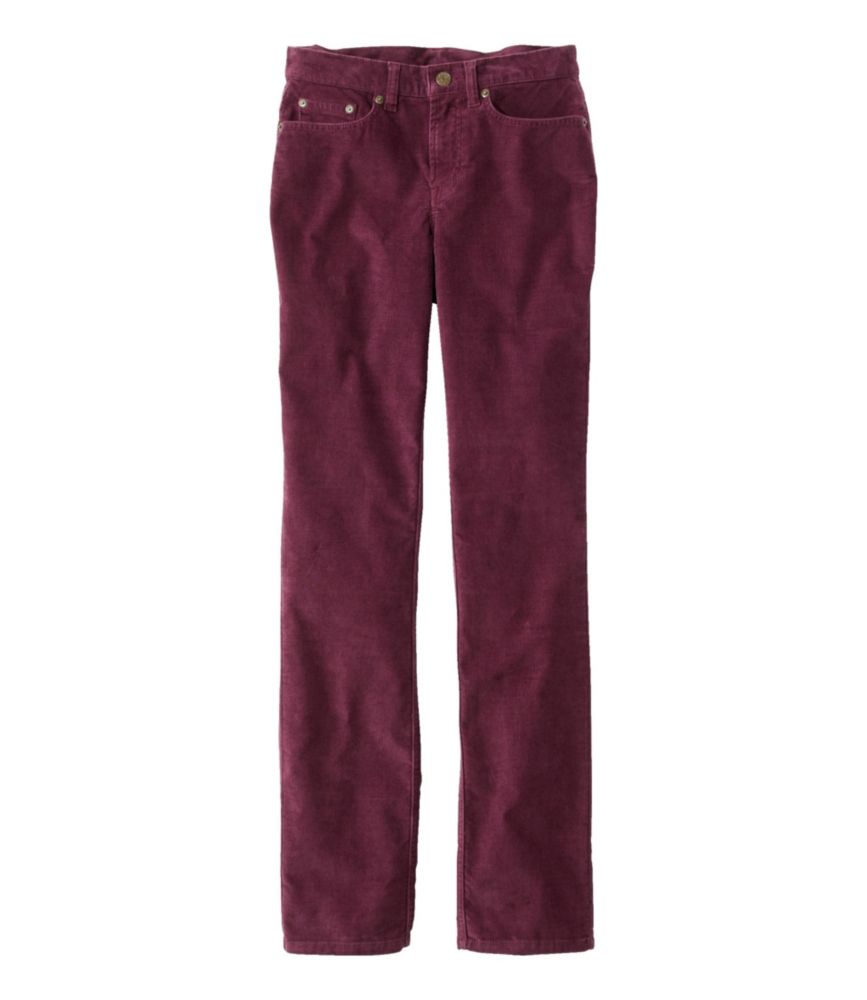
Women's BeanFlex Five-Pocket Corduroy Pants, Mid-Rise Straight-Leg
L.L.Bean Women's BeanFlex Five-Pocket Corduroy Pants, Mid-Rise Straight-Leg
A deep wine mid-rise straight-leg corduroy pant with stretch, made from 98% cotton and 2% spandex.
(820)
$89.95 $44.99
SALE
What customers like:
Stretch fabric
Classic style
Comfortable fit
$89.95 $44.99
SALE
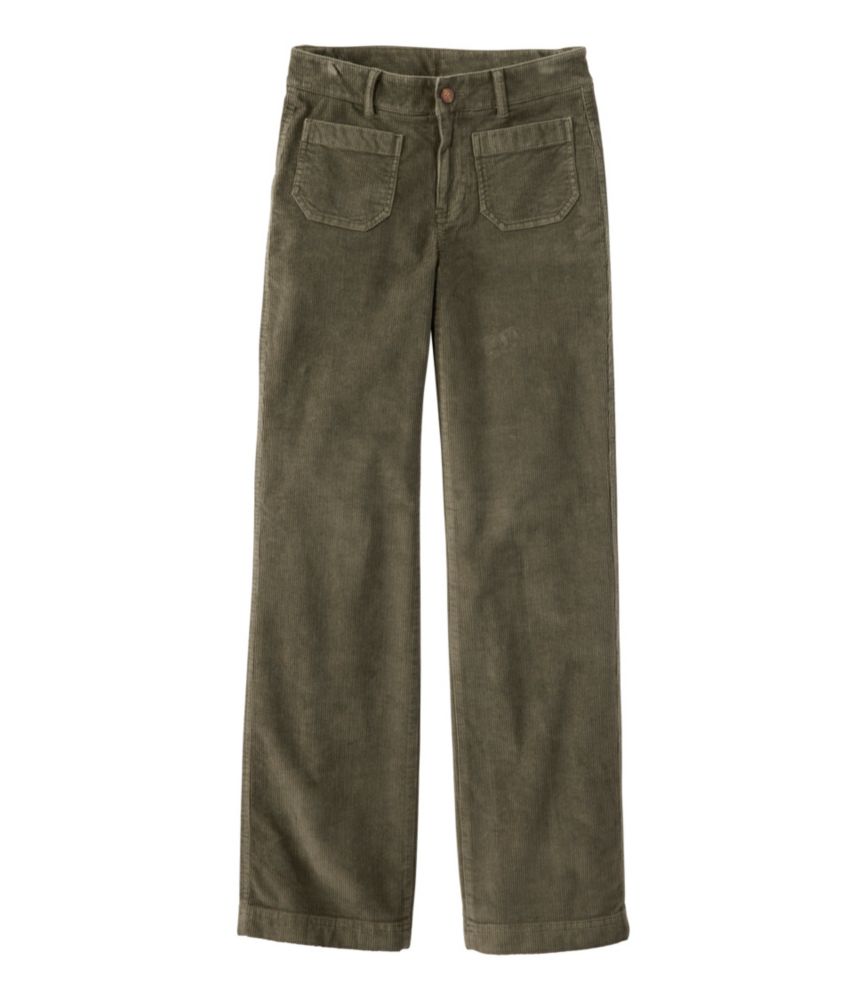
Women's 207 Vintage Corduroy Patch Pocket Pants, Mid-Rise Wide Straight-Leg
L.L.Bean Women's 207 Vintage Corduroy Patch Pocket Pants, Mid-Rise Wide Straight-Leg
A pair of green corduroy cotton pants with patch pockets and a comfortable wide straight-leg fit.
(0)
$89.95 $89.95
SALE
$89.95 $89.95
SALE

Wide-Wale Corduroy Pants

Wide-wale corduroy pants are defined by their broad, raised vertical ridges, called wales, which give the fabric its distinctive striped texture. Wale count refers to the number of ridges per inch: a lower count means wider ridges, while a higher count means finer ones. That makes “wide-wale” a description of the corduroy itself, not the shape of the pants. Wide-wale pants and wide-leg pants are not interchangeable terms; one describes the fabric’s surface, and the other describes the cut. Understanding that distinction makes it easier to compare pairs without assuming they will have the same silhouette. The broad ridges give wide-wale corduroy a pronounced visual character, with alternating raised lines and recessed channels that catch light differently. Even a single solid color can look richly detailed because of that contrast. Compared with the quieter appearance of fine-wale corduroy, wider wales put more emphasis on texture, making the fabric an important part of the overall look rather than simply a background for it. That recognizable character is part of corduroy’s lasting appeal: it feels familiar without requiring an entire wardrobe built around a particular style. For someone who tends to choose plain pants, the ridged surface offers a different look without introducing a printed pattern. For someone who already enjoys texture, wider wales make that detail more noticeable. The best starting point is deciding how prominent that texture should be, then considering the shape and proportions that feel most natural to wear. A photograph showing the fabric close up can help distinguish broad ridges from finer ones, while a full-length view helps show how those lines relate to the overall cut. Both perspectives matter, since a close-up alone cannot tell the whole story of a pair of pants. Wide-wale corduroy brings the texture; the individual design determines the rest.

Fit deserves a separate look from wale width, especially when familiar terminology can make two different pairs sound similar. Start with the rise, which helps describe where the waistband sits, and then consider the room through the hips and thighs before looking at the leg shape. A straight-leg silhouette and a wide-leg silhouette create different proportions even when the corduroy has equally broad ridges. Neither is defined by the fabric’s wale count. Rather than relying on a fit name alone, compare the listed measurements and sizing guidance with a pair of pants that already fits the way intended. Waist and hip measurements provide useful reference points, while inseam length helps establish where the hem will fall. Measuring a favorite pair laid flat can be helpful when the measurement method matches the one in the sizing information. Length also affects the appearance of the vertical ridges: a hem that stops above the shoe creates a different outline from one that rests on it. Think about that relationship alongside the shape of the leg, rather than treating inseam as an isolated number. Details around the waist deserve attention, too. Check the description and photographs for the closure, waistband construction, belt loops, and pocket placement instead of assuming these features come with a particular corduroy style. These are useful points of comparison, not details that the words “wide-wale” promise. The same approach applies when choosing pants as a gift. Knowing the recipient’s usual size is a start, but knowing their preferred rise, leg shape, and length is more informative. Someone who consistently chooses a straight cut may have a very different preference from someone who likes a broader silhouette. Taking cues from a pair they already reach for keeps the choice personal and grounded in their taste. The aim is a familiar fit with a texture they will appreciate, rather than a different shape chosen solely because the fabric looks appealing.

Color and proportion offer plenty of ways to make wide-wale corduroy part of a wardrobe without letting the texture overwhelm the whole look. A smooth, solid-colored top lets the ridges remain the main visual detail, while a patterned top introduces another element to balance. Neither approach needs to be complicated: consider the scale of the pattern, the length of the top, and how much of the waistband will show. A tucked-in shirt gives a clear view of the waist and upper shape of the pants; an untucked shirt changes where the eye sees the dividing line between top and bottom. With a broader leg, that difference can be particularly noticeable. Color creates another choice. Similar shades from top to bottom can make the outfit look more continuous, while contrasting shades draw a clearer distinction between the pieces. For a color-focused comparison, Black Corduroy Pants offers another way to explore corduroy alongside the emphasis on wale width here. Beyond appearance, read each pair’s composition and care information before deciding. Corduroy names a fabric construction; it does not, by itself, establish the exact fiber content, the presence of stretch, or the washing instructions. Those details belong to the individual pair, and broad ridges are not enough to establish durability or predict how the fabric will respond to laundering. Follow the garment’s care label for washing, drying, and any pressing instructions rather than applying one routine to every pair of cords. If a particular care routine matters, check it alongside fit and measurements, not after making a selection. That keeps the choice connected to practical preferences as well as appearance. A useful comparison brings several separate details together: the width of the ridges, the shape through the leg, the placement of the waist, the length of the hem, and the care requirements. Wide-wale corduroy supplies a distinctive starting point, while those individual details help determine which pair belongs in a wardrobe built around personal style and timeless favorites.
Read More

FAQs