It's time to upgrade your browser

Your current browser is no longer supported on llbean.com. Please upgrade to one of the following for a smoother, safer shopping experience with us:

Green Winter Boots

Find green winter boots to complement your cold-weather wardrobe. Compare the available styles and sizes, and check each pair’s fit guidance and product details to help narrow your choices.
Read More
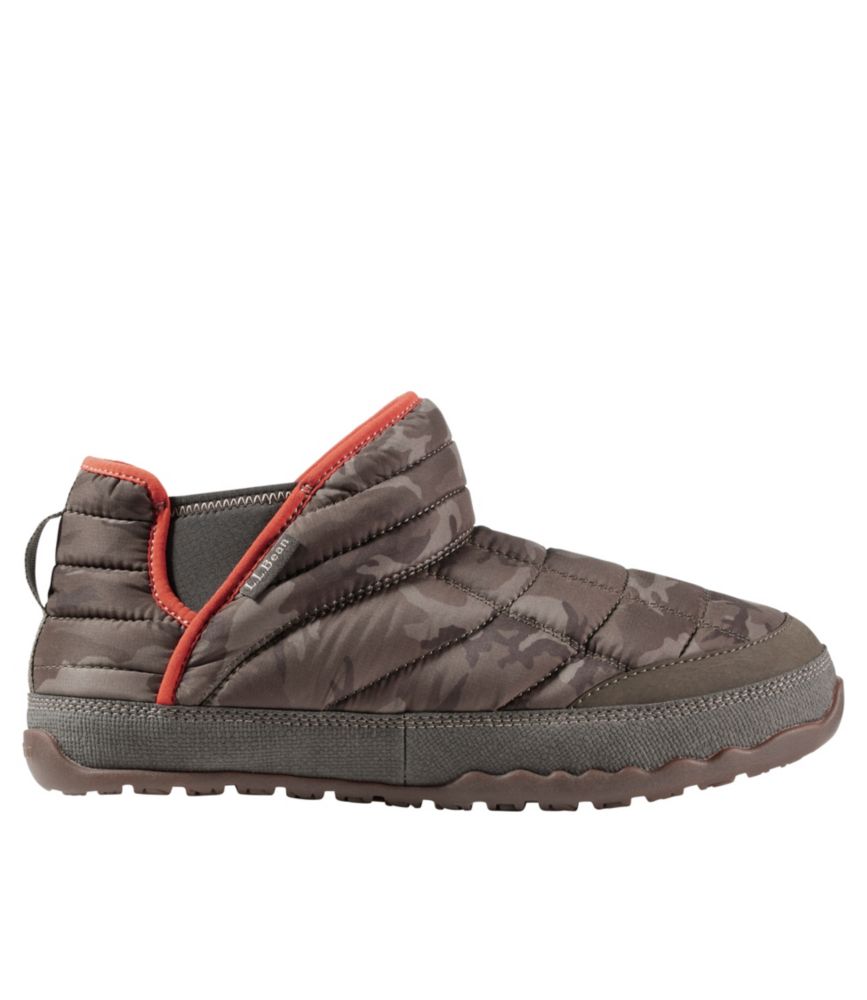
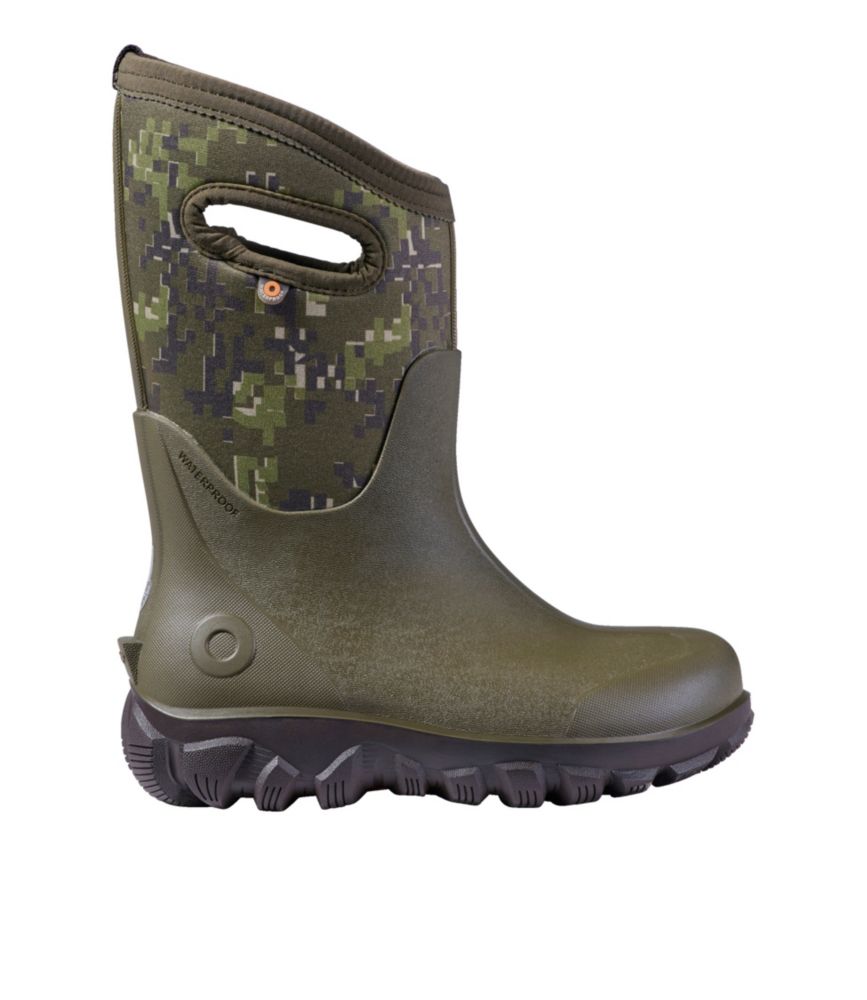
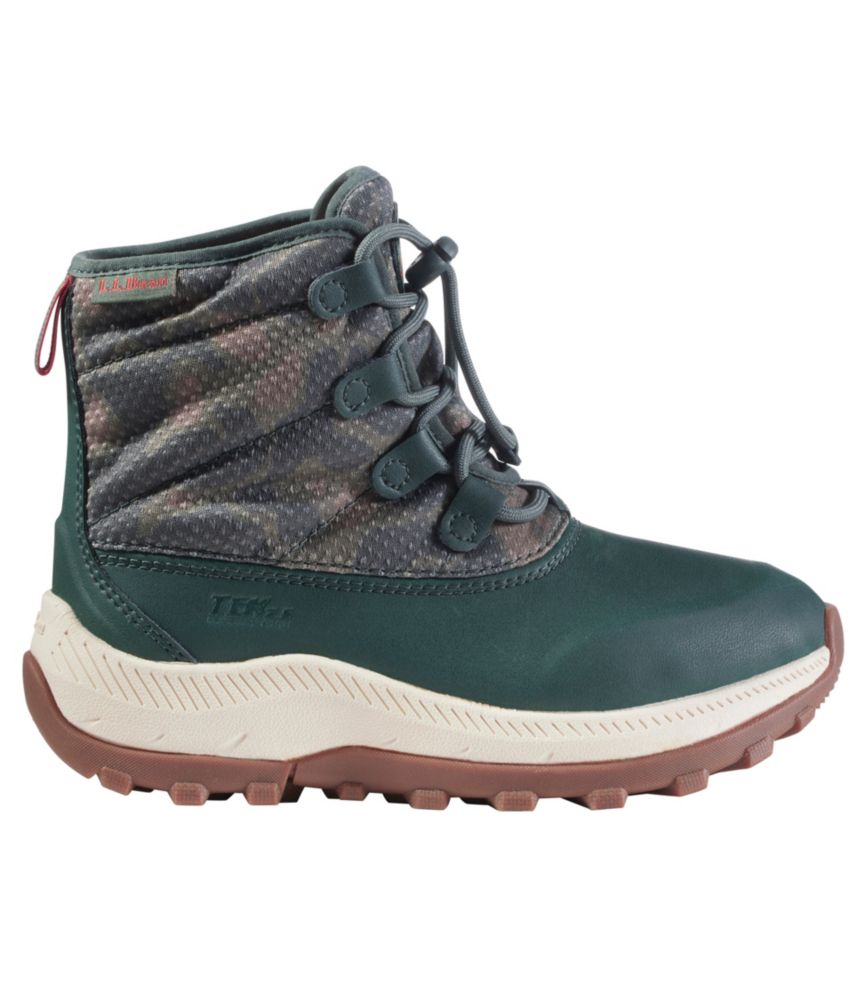
Kids' Access Insulated Snow Boots
L.L.Bean Kids' Access Insulated Snow Boots
A pair of dark green camo kids' snow boots with PrimaLoft® insulation and no-tie bungee laces.
(0)
$99.95 $99.95
SALE
$99.95 $99.95
SALE
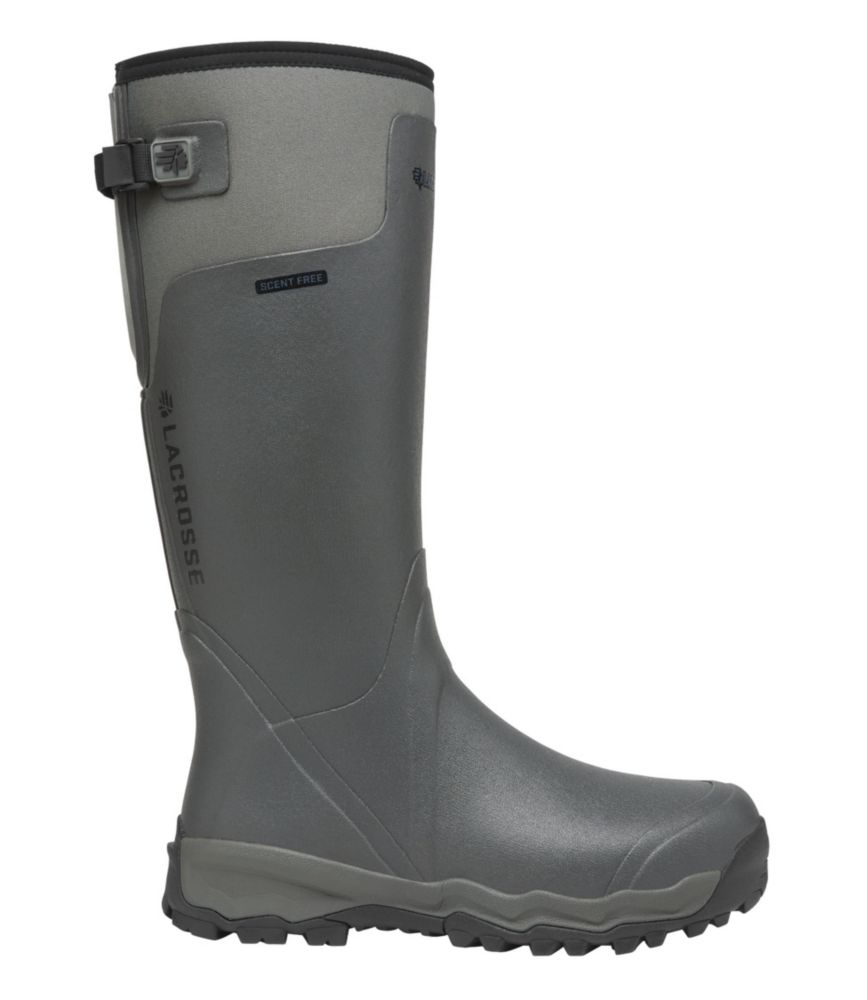
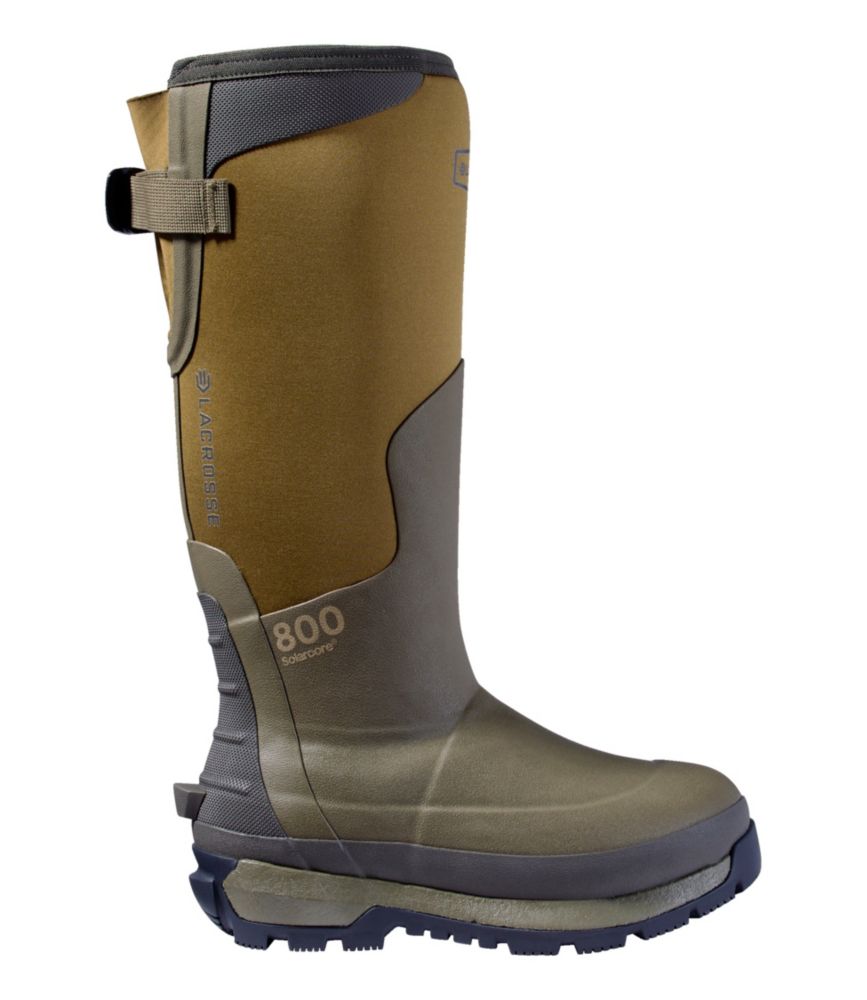
Men's Angler Wading Boots
L.L.Bean Men's Angler Wading Boots
A durable neoprene wading boot with Vibram Idrogrip outsole, providing excellent cushioning and traction.
(28)
$150 $150
SALE
What customers like:
Good support
Good workmanship
Sturdiness
Long-wearing
Comfortable
$150 $150
SALE
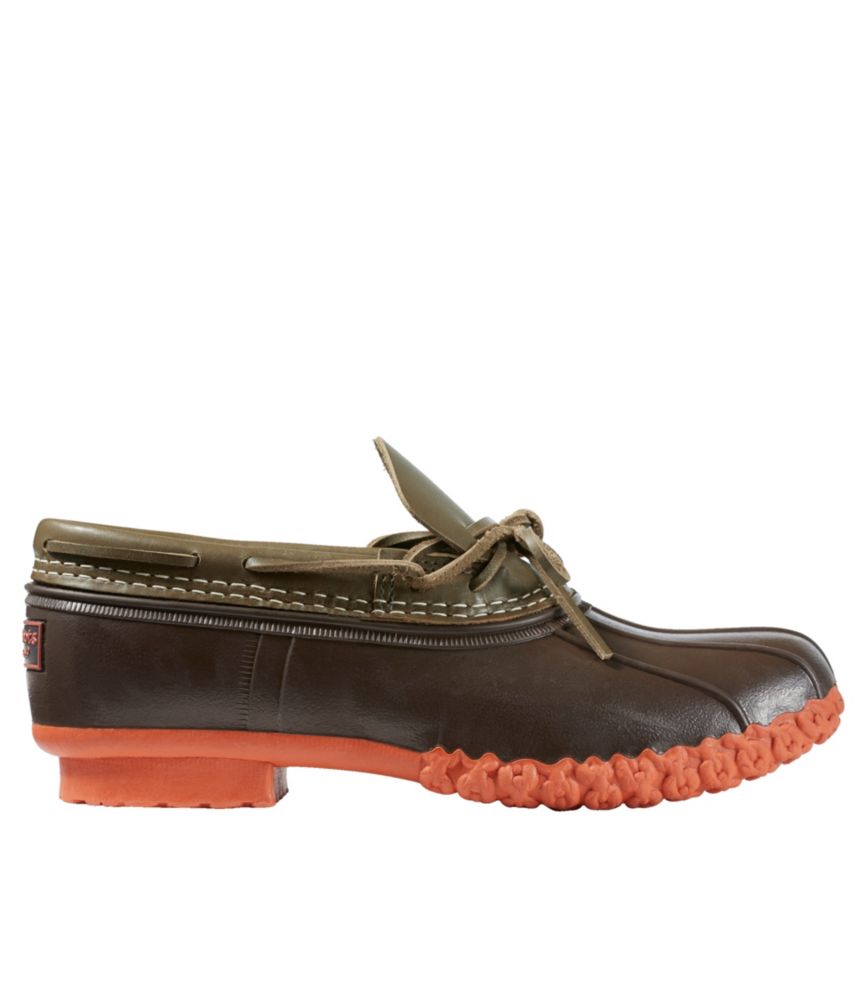
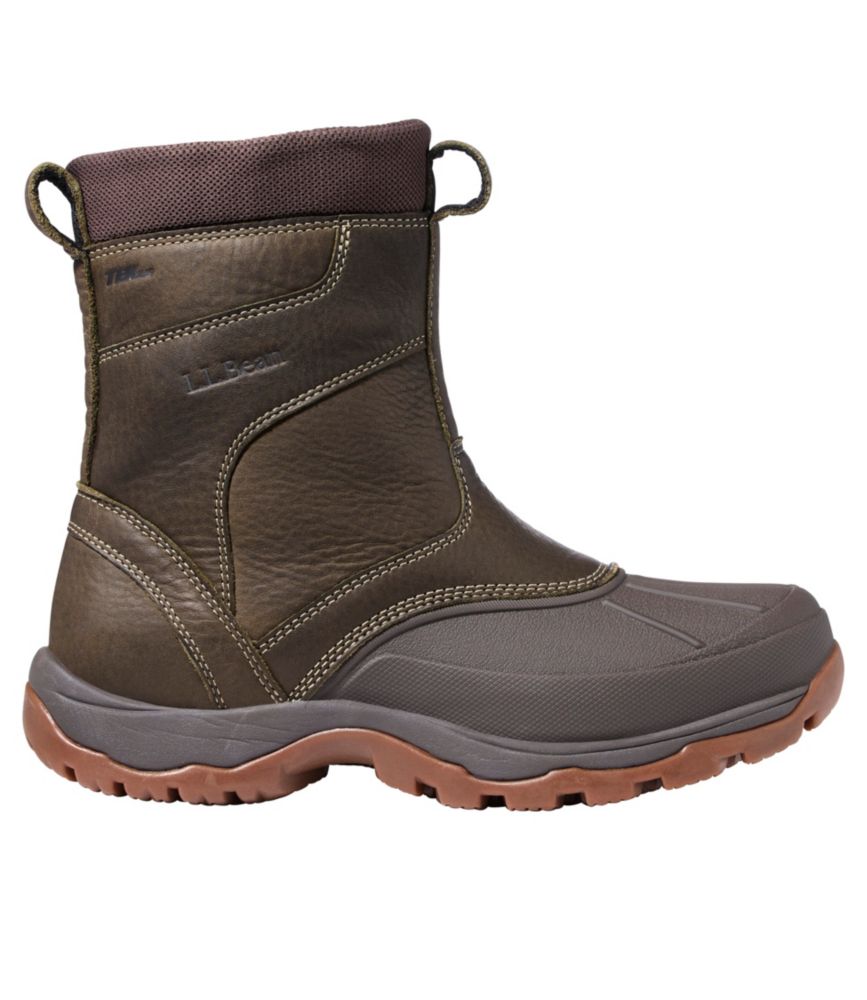
Men's Bean Boots, Rubber Mocs
L.L.Bean Men's Bean Boots, Rubber Mocs
A weather-ready slip-on boot with a supple leather upper, waterproof rubber bottom, and durable chain-tread outsole.
(0)
$99.95 $74.99
SALE
$99.95 $74.99
SALE
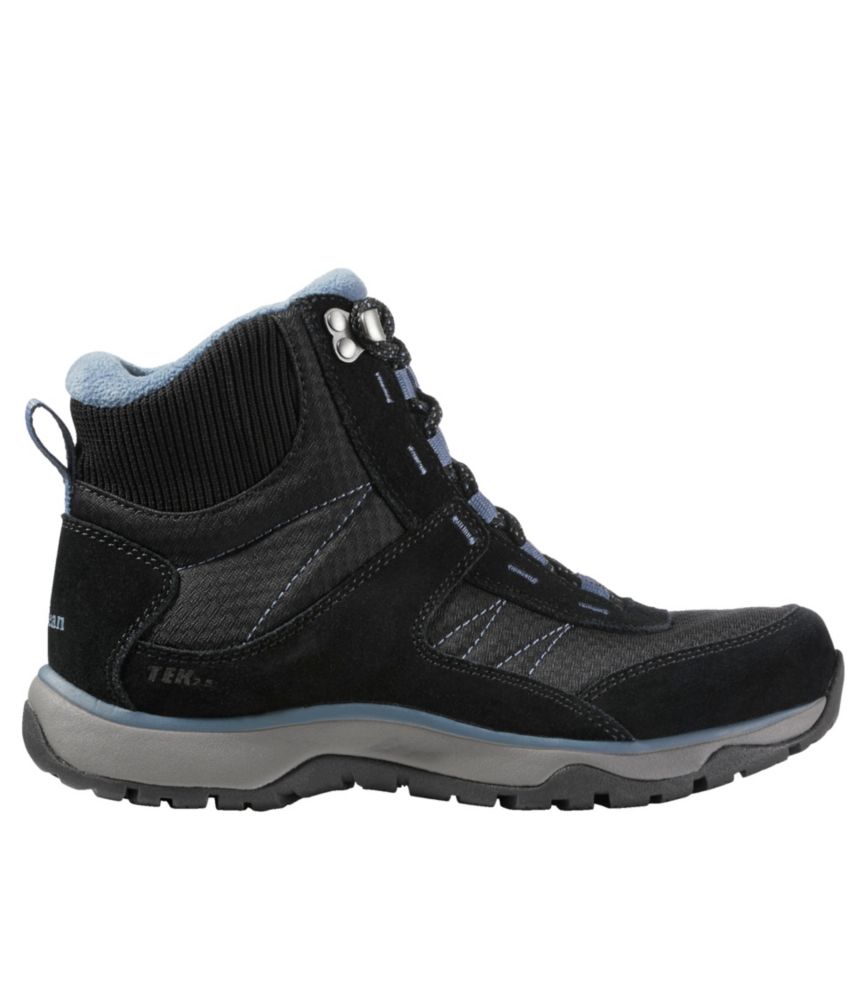
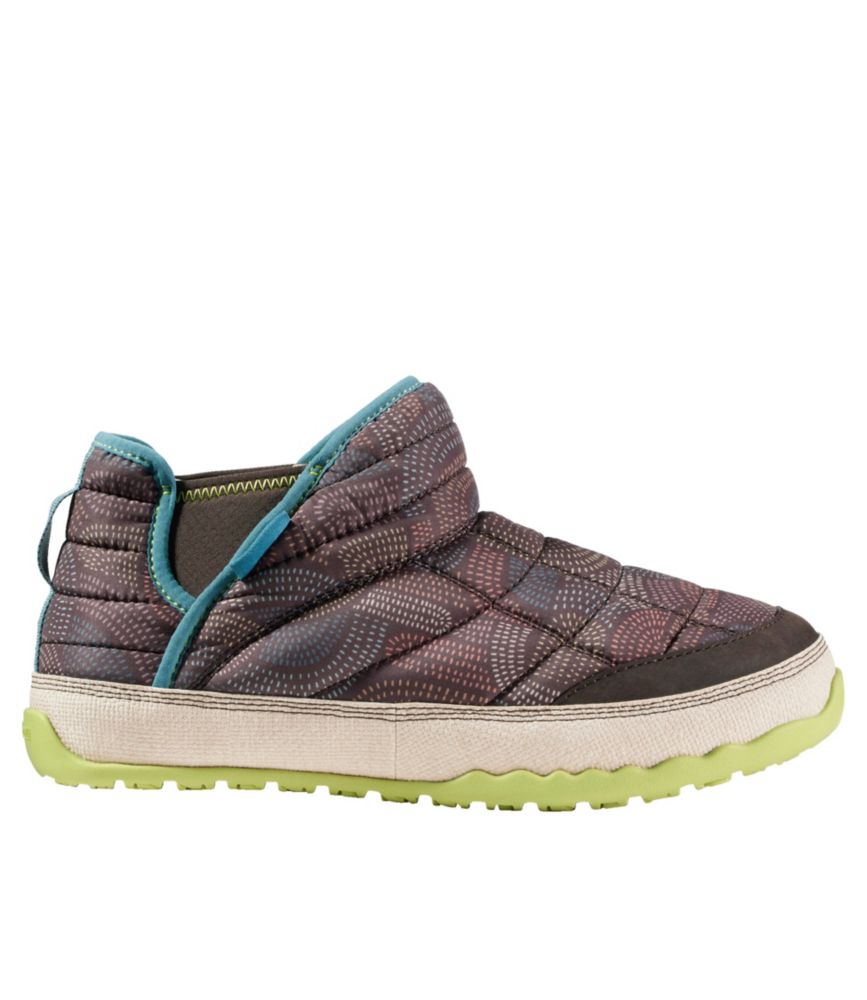
Men's Mountain Classic Quilted Ankle Boots II
L.L.Bean Men's Mountain Classic Quilted Ankle Boots II
A pair of quilted ankle boots with a flexible ripstop mesh upper and thermoregulating recycled mesh lining.
(0)
$110 $87.99
SALE
$110 $87.99
SALE
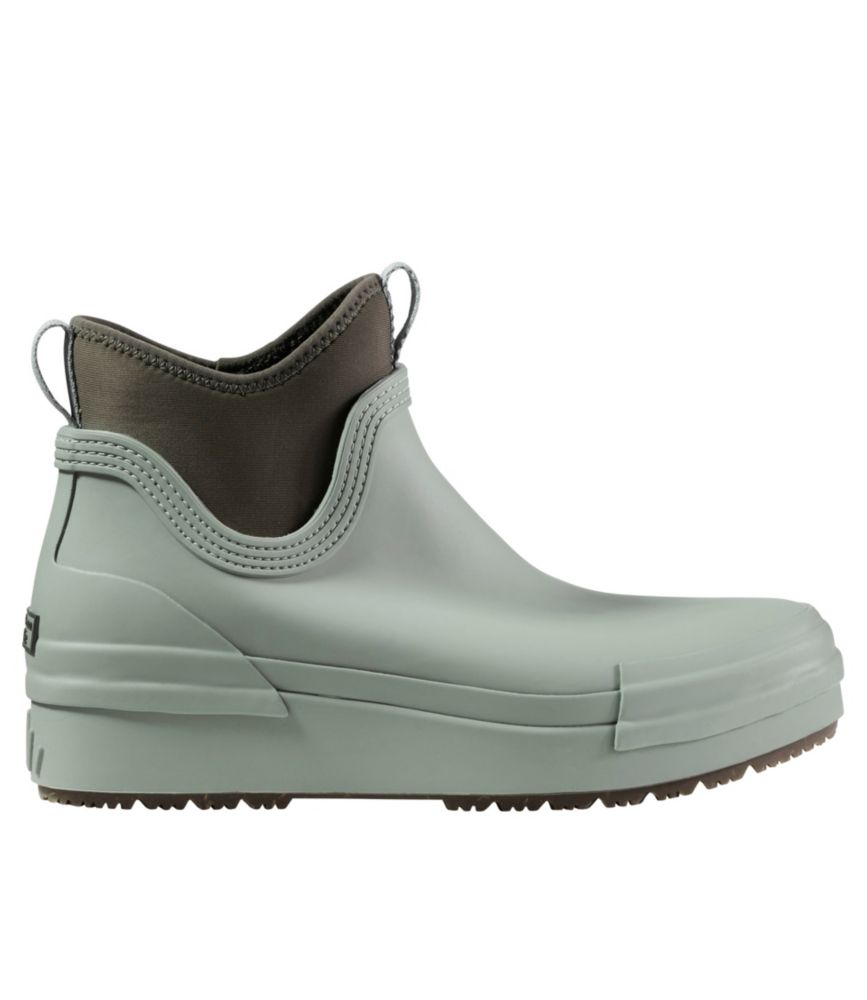
Women's Bean Light Wellie® Boots, Pull-On
L.L.Bean Women's Bean Light Wellie® Boots, Pull-On
A lightweight green rain boot with waterproof rubber, neoprene collar, and recycled polyester lining for comfort.
(0)
$99.95 $99.95
SALE
$99.95 $99.95
SALE
Men's NextVenture Hiking Shoes, Waterproof
L.L.Bean Men's NextVenture Hiking Shoes, Waterproof
A waterproof green hiking shoe with leather and rubber materials, cushioned EVA midsole, and Vibram outsole.
(0)
$150 $150
SALE
$150 $150
SALE

Green Winter Boots

Green winter boots bring a nature-inspired color to a winter wardrobe, offering an alternative to familiar black, brown, and gray footwear without calling for a completely different approach to getting dressed. Green has a close connection to the outdoors, recalling evergreen branches, moss-covered stones, and the deep color of wooded hillsides. In a pair of boots, that connection can feel understated rather than decorative. The shade makes a difference: olive has an earthy character, forest green reads darker and richer, and a muted green can sit quietly alongside everyday neutrals. When comparing colors, consider the coats, pants, and accessories that already get the most wear. A green boot paired with dark denim creates a different impression from the same color beside cream trousers or a charcoal coat. Brown and tan accents draw attention to green’s earthy side, while navy keeps the overall combination simple and familiar. There is no need for every part of an outfit to match. Letting the boots provide the main touch of color can be just as appealing as repeating green elsewhere. For a more coordinated look, green winter gloves offer a way to echo the color without making the whole outfit uniform. Slight differences in shade can make the pairing feel more personal, especially when the rest of the clothing stays neutral. Shape matters alongside color, too. The height of a boot, the line of its toe, and the visual weight of its sole all influence how it looks with different pant lengths and coat shapes. A longer coat may leave only a small section of the boots visible, making the color a subtle finishing detail. With a shorter jacket, more of the boot becomes part of the outfit. These everyday proportions help explain why choosing winter boots is as much about personal style as finding a favorite shade of green.

The right pair also starts with attention to individual fit, rather than color alone. Size information and the details provided for each pair are useful starting points, particularly when comparing unfamiliar shapes or deciding between sizes. Winter socks deserve a place in that decision: the socks someone expects to wear with the boots can affect how the fit feels, so trying both together gives a more useful impression than trying boots with a different sock thickness. Toes should have room to move without the foot sliding around, and pressure across the top of the foot or around the heel is worth noticing from the start. A few steps across a room, followed by sitting down and standing again, can reveal details that are easy to miss while looking in a mirror. Boot height is another personal consideration. Where the upper meets the leg, how the opening feels, and how a pant hem falls over or inside it can all influence the choice. Someone who prefers a straight-leg pant may want a different silhouette from someone who usually wears a narrow ankle opening. Closures deserve the same attention, including how they feel when adjusted and whether they suit the wearer’s preferences. These are individual differences, not reasons to assume one boot shape will suit everyone. The winter designation provides seasonal context, but it does not make every pair interchangeable. The individual description is the place to check intended use, construction, and any stated features rather than drawing conclusions from color, height, or appearance. A substantial-looking sole or a tall upper does not tell the whole story. For someone choosing a gift, knowing the recipient’s usual size is helpful, but knowing their preferred fit, sock thickness, and everyday style adds important context. A favorite coat or frequently worn pair of pants can offer a useful color reference without taking away the pleasure of choosing something a little different.

Materials and care are worth considering as part of that same thoughtful choice. Green describes the color of these winter boots, not their composition, so the material information attached to each pair matters. Different components may have different care requirements, and a cleaning method appropriate for one part of a boot may not be appropriate for another. Following the care directions supplied with the pair is a better starting point than treating all winter footwear alike. Before using a cleaner, brush, or treatment, check that it is recommended for the relevant material and finish; color alone is not enough to determine what to use. The small details of a regular care routine can also make ownership feel more manageable. Keeping the care information somewhere easy to find, checking the boots periodically, and addressing concerns according to the supplied directions removes some of the guesswork. For storage between winter seasons, follow any instructions about cleaning, drying, and placement rather than assuming a particular method suits every pair. Durability is another consideration best approached through the actual construction details and recommended use, not through a rugged appearance or an outdoorsy color. Clear information helps set realistic expectations and makes comparisons more meaningful. Just as important is choosing a style that still feels like a natural part of the wearer’s wardrobe after the initial appeal of the color. Green can be distinctive without dominating an outfit, especially when its tone complements familiar clothing. For someone who usually chooses neutral footwear, a subdued shade may feel like a small, welcome change; someone who already enjoys color might prefer making the boots a more noticeable part of the overall look. Neither approach requires replacing everything else in the closet. The most satisfying choice brings together a color the wearer enjoys, an individual fit that feels right, care requirements they understand, and documented details that match their expectations. With those considerations in place, green winter boots can become a thoughtful expression of personal style and an appreciation for the outdoors.
Read More

FAQs