It's time to upgrade your browser

Your current browser is no longer supported on llbean.com. Please upgrade to one of the following for a smoother, safer shopping experience with us:

Waterproof Hunting Pants

Find waterproof hunting pants for wet days in the field. Compare individual product details for fit, sizing and waterproof features, and consider the room you’ll need for layers when choosing your pair.

Men's Wildcat Waterproof Insulated Snow Pants
L.L.Bean Men's Wildcat Waterproof Insulated Snow Pants
Waterproof insulated snow pants in black nylon with PrimaLoft® insulation, snow gaiters and scuff guards.
(363)
$200 $200
SALE
What customers like:
High quality
Waterproof
Stylish design
Versatile use
Excellent warmth
$200 $200
SALE
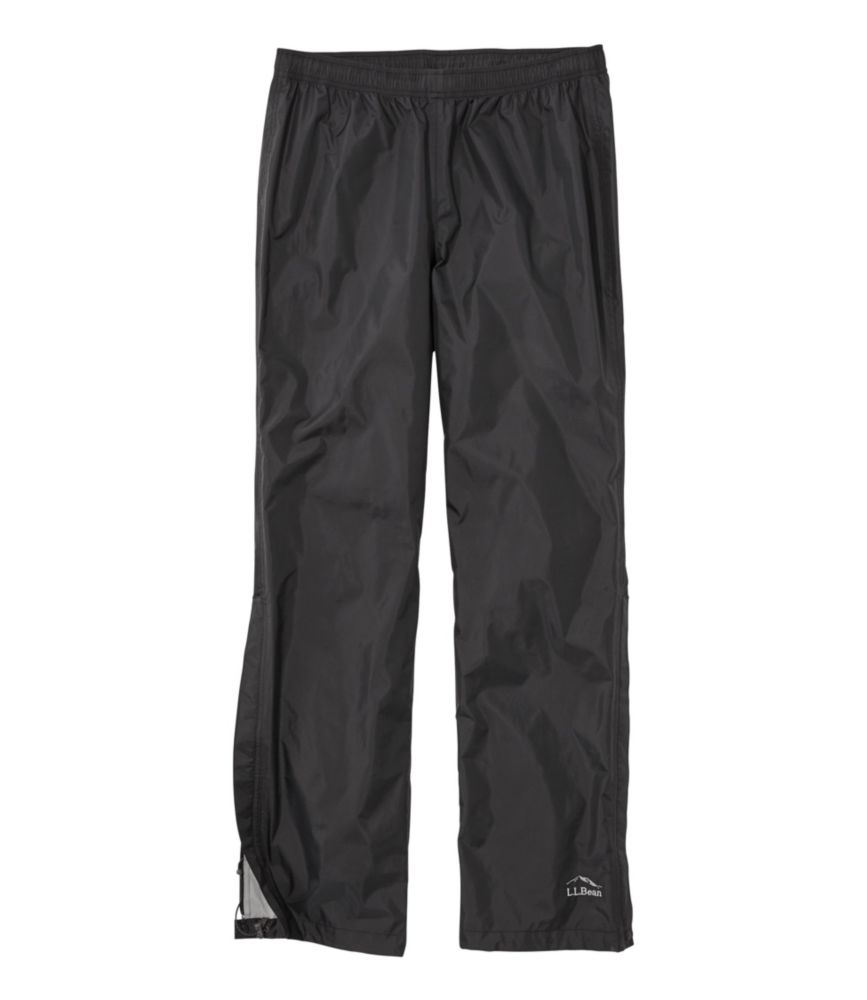
Men's Trail Model Rain Pants
L.L.Bean Men's Trail Model Rain Pants
A waterproof rain pant in black recycled nylon with breathable TEK protection and packability.
(263)
$99.95 $99.95
SALE
What customers like:
Trim fit
Lightweight
Packable
True length
Keeps you dry
$99.95 $99.95
SALE
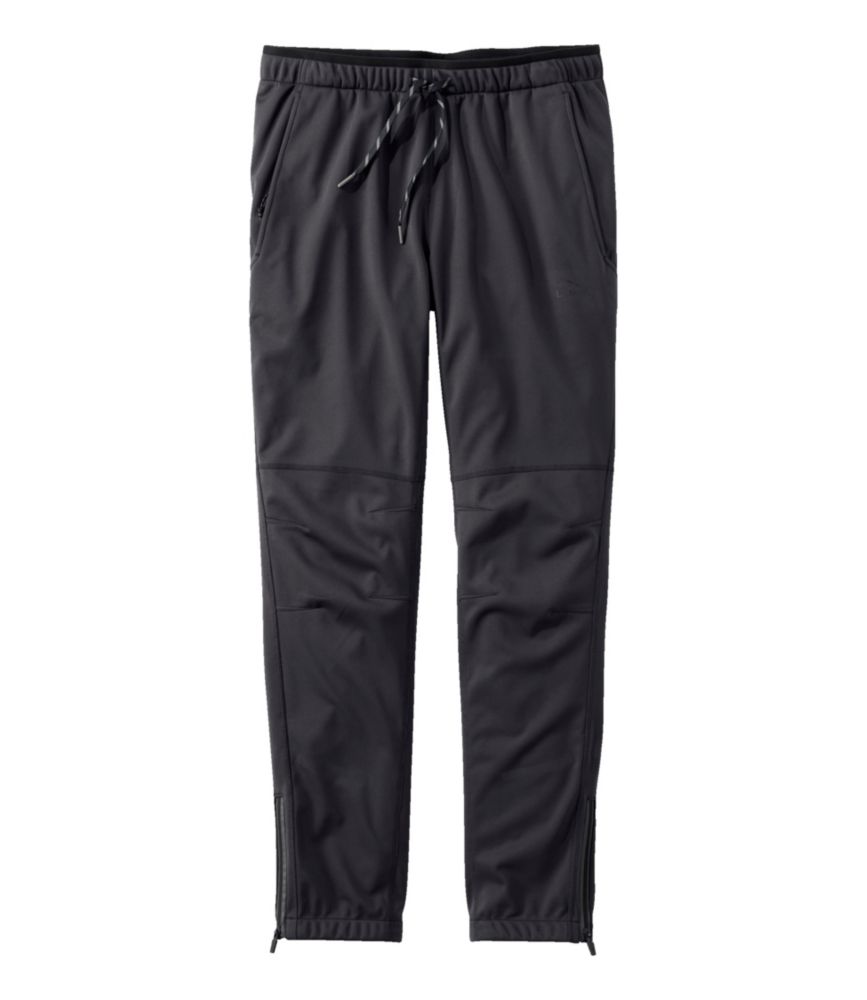
Men's Bean Bright All Weather Pant
L.L.Bean Men's Bean Bright All Weather Pant
Wind- and water-resistant polyester pants with a fleece backing, stretch gusset, tapered legs, and reflective accents.
(0)
$110 $110
SALE
$110 $110
SALE
Men's Tek Upland Waterproof Briar Pants
L.L.Bean Men's Tek Upland Waterproof Briar Pants
A brown nylon hunting pant with waterproof, breathable TEK 3.0 fabric, briar-resistant overlays and articulated mobility.
(0)
$220 $220
SALE
$220 $220
SALE

Waterproof Hunting Pants

Waterproof hunting pants are hunting apparel intended for wet conditions, with waterproof construction as the defining feature. Rain on a field edge, water beading on tall grass, and a damp path through the woods all give context to the choice, but the waterproof designation is only the beginning of a useful comparison. The right pair also needs to make sense for the person wearing it, the way they hunt, and the clothing they plan to wear with it. Start with the intended use stated in the product description rather than assuming that every pair of hunting pants has the same purpose or construction. A hunt that involves frequent walking presents different fit considerations from one that involves extended sitting, even when both take place in wet conditions. Think through the ordinary movements of the day: stepping over a fallen branch, bending to pick something up, sitting on a low seat, or kneeling beside a gear bag. Those details help turn a broad category into a more personal choice. Material information deserves a close look, too. Read the listed fabric composition and construction details for each style, and consider those details alongside the care requirements rather than judging by appearance alone. Waterproof describes a particular attribute; it does not, by itself, establish fabric weight, feel, warmth, or any other characteristic. Likewise, a photograph cannot tell the whole story about how a fabric feels or how a cut fits. Measurements and written descriptions provide a better starting point. Color and pattern can be part of the decision, but they should be considered separately from the waterproof designation. For someone putting together a hunting wardrobe, the goal is a clear match between the stated product details and personal preferences, not the longest list of features. A thoughtful choice begins with knowing which details matter for the hunt being planned and confirming those details before choosing.

Fit is especially important when comparing waterproof hunting pants because a familiar waist size does not answer every sizing question. Begin with current body measurements and the size chart provided for the style, then look for information about rise, inseam, and the cut through the seat and legs. Compare those measurements with pants that already fit well, keeping in mind any clothing intended to be worn underneath. If an additional layer is part of the plan, include it when assessing fit rather than automatically choosing a larger size. Extra room in one area does not necessarily mean the proportions will be right elsewhere. The waistband should be evaluated while standing and sitting, and the leg length should be considered with the footwear intended for the hunt. A hem that looks right without boots may sit differently once dressed for the day. When trying pants on, take a few deliberate steps, sit down, bend at the knees, and check for pulling through the hips or thighs. These simple movements offer more useful information than a quick look in the mirror. Consider personal preferences about where a waistband sits and how much room feels right through the leg; there is no single preferred fit for every hunter. Pocket placement is another detail to check in the description and during a try-on. If carrying small essentials in pants pockets is part of an established routine, consider where those pockets sit while seated and whether their layout suits that routine. Check any listed closures or adjustment details individually rather than expecting them throughout the category. Hunters refining an existing wardrobe may already know which proportions they prefer, while someone buying a first pair may benefit from spending more time with measurements. Either way, choosing thoughtfully means looking beyond the size label. The most useful comparison is between the actual fit information and the movements, clothing, and footwear that will be part of wearing the pants.

Care and durability deserve the same attention as size and appearance. Before choosing waterproof hunting pants, read the care instructions and consider whether that routine fits the way hunting clothing is normally cleaned and stored at home. Follow the instructions supplied with the garment, including any directions about washing, drying, or additional care. Do not assume that a method used for another pair of pants is appropriate here, even if the two look similar. If dirt collects around a hem or along a pocket opening, consult those instructions before treating it, and check the garment before putting it away. Give particular attention to areas that receive frequent contact during wear, such as the knees, seat, and lower legs. When comparing durability information, look for specific construction details in the description rather than treating a rugged appearance as evidence of a particular capability. Waterproof is not another word for indestructible, and ordinary care remains part of owning the garment. Storage matters as a practical consideration, too: follow any supplied directions, and choose a place where the pants can be kept with their care information easy to find. For gift giving, waterproof hunting pants make the most sense when the recipient’s hunting interests, measurements, and fit preferences are already known. A familiar pants size is helpful, but knowing the preferred inseam and usual cut can make the choice more considered. Someone who hunts regularly may have strong preferences about pocket layout or waistband placement, so those details are worth understanding before selecting a gift. If hiking apparel is also on the shopping list, explore Waterproof Hiking Trousers as a separate category and compare the stated details for that activity. For hunting pants, keep the decision grounded in their intended purpose: waterproof construction, an appropriate fit, clearly described materials, and care requirements that are understood from the start. Together, those considerations provide a practical basis for choosing hunting clothing with confidence.

FAQs