It's time to upgrade your browser

Your current browser is no longer supported on llbean.com. Please upgrade to one of the following for a smoother, safer shopping experience with us:

Two Ply Cashmere Sweaters

Explore two-ply cashmere sweaters with timeless style. Compare available designs, sizes and fit details to find the right addition to your wardrobe, and check individual product pages for fabric composition and care instructions.
Women's Classic Cashmere, Crewneck
L.L.Bean Women's Classic Cashmere, Crewneck
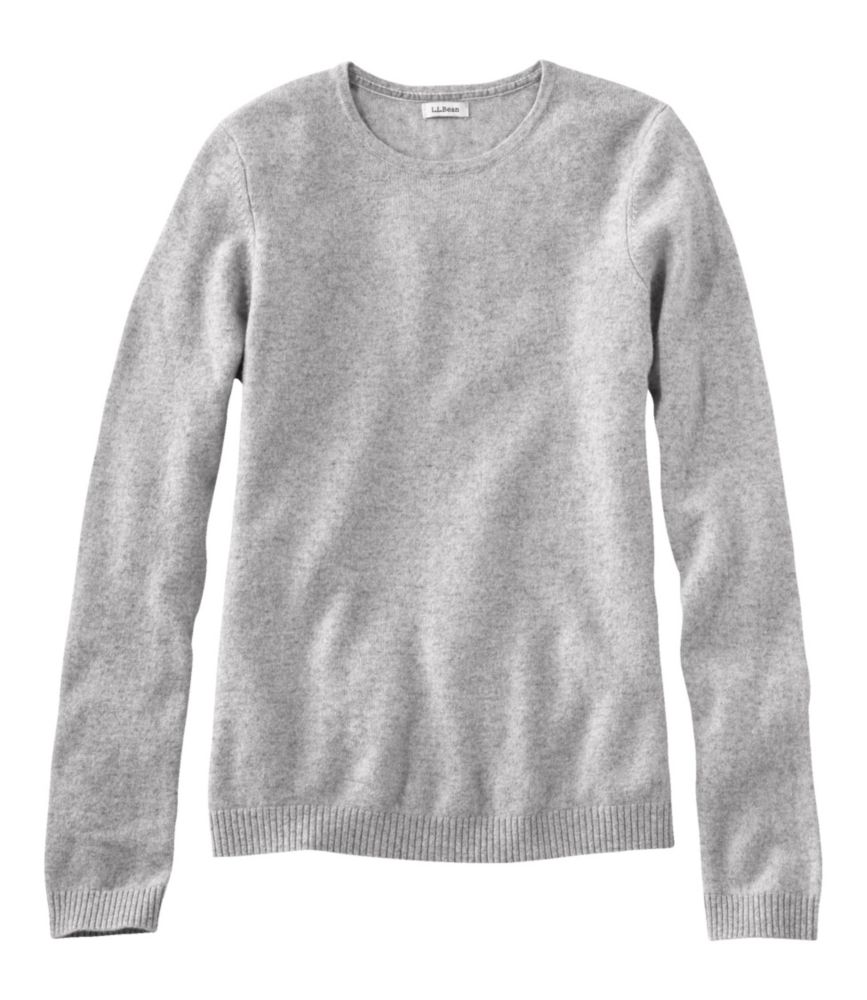
A gray women's crewneck sweater in luxurious 100% two-ply Inner Mongolian cashmere with softly shaped fit.
(4,495)
$130 $130
SALE
What customers like:
Classy appearance
Warmth
Durability
Good fit
Super soft
$130 $130
SALE
Women's Classic Cashmere Sweater, Crewneck Stripe
L.L.Bean Women's Classic Cashmere Sweater, Crewneck Stripe
A blue striped cashmere sweater crafted from luxurious two-ply Inner Mongolian cashmere with softly shaped fit.
(444)
$140 $140
SALE
$140 $140
SALE
Women's Classic Cashmere Sweater, Relaxed Polo
L.L.Bean Women's Classic Cashmere Sweater, Relaxed Polo
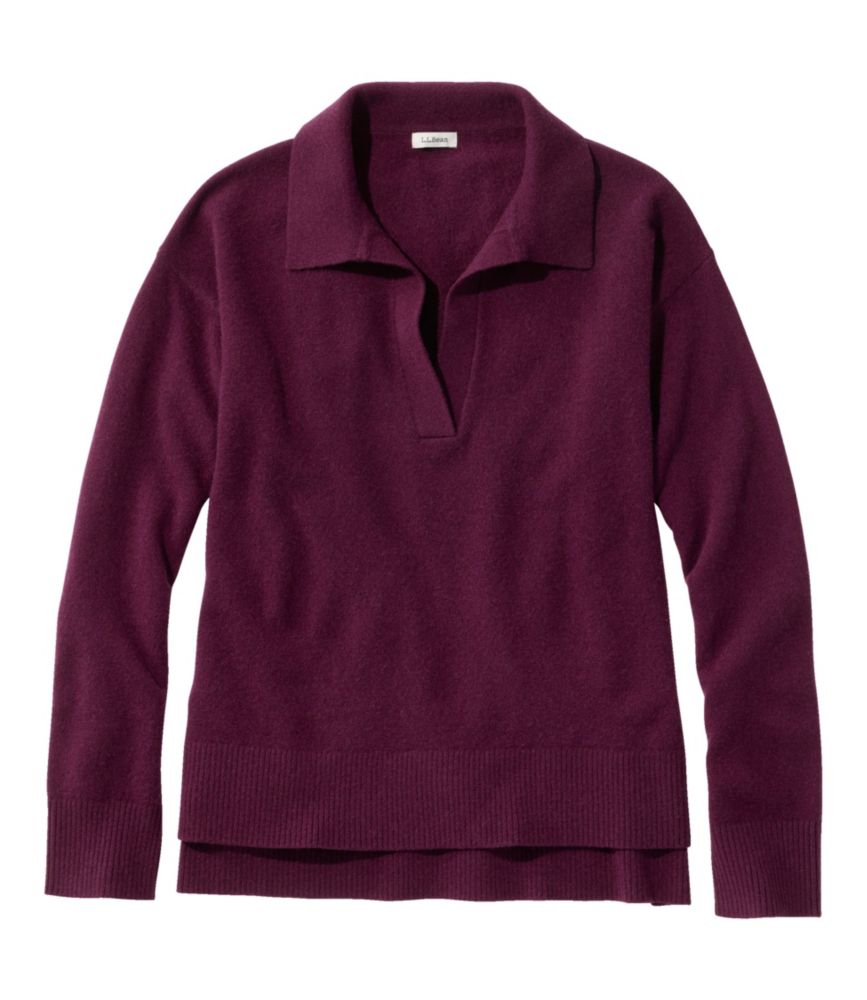
A brown cashmere polo sweater in soft two-ply yarn, featuring a split neckline and high-low hem.
(0)
$150 $150
SALE
$150 $150
SALE
Women's Classic Cashmere Sweater, Button-Front Cardigan
L.L.Bean Women's Classic Cashmere Sweater, Button-Front Cardigan
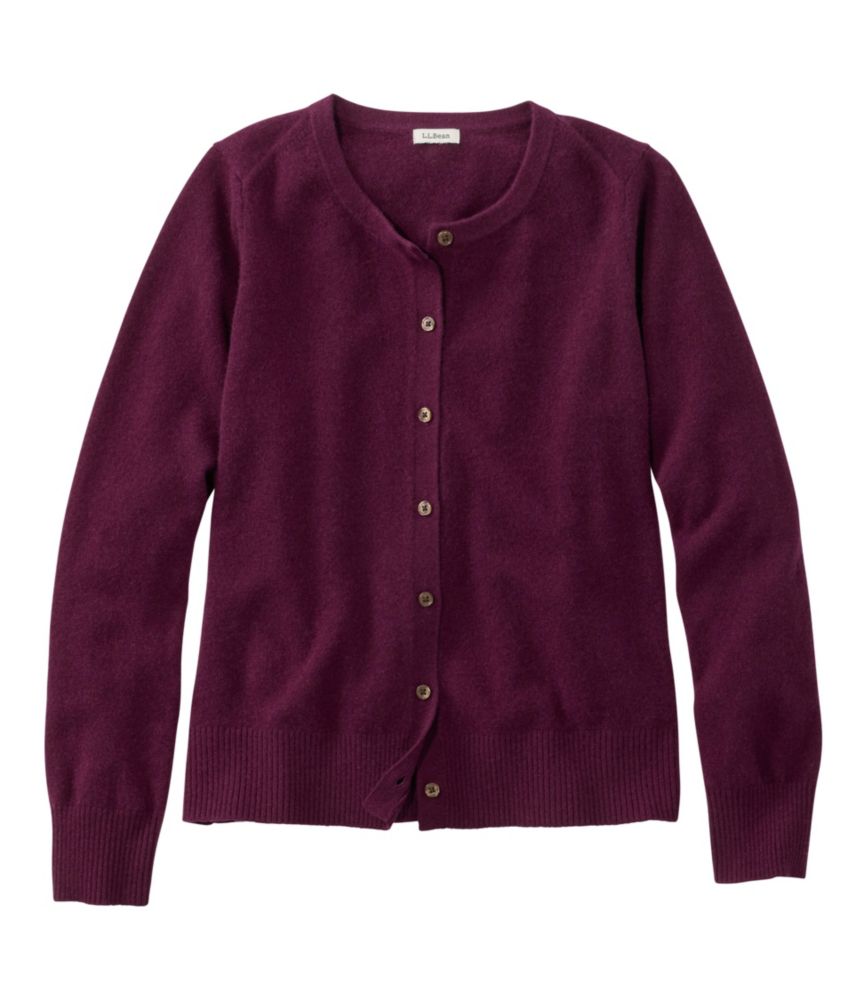
A brown two-ply cashmere cardigan with a crewneck, button-front placket, and ribbed cuffs and hem.
(0)
$180 $180
SALE
$180 $180
SALE
Women's Cotton/Cashmere Sweater, Polo Stripe
L.L.Bean Women's Cotton/Cashmere Sweater, Polo Stripe
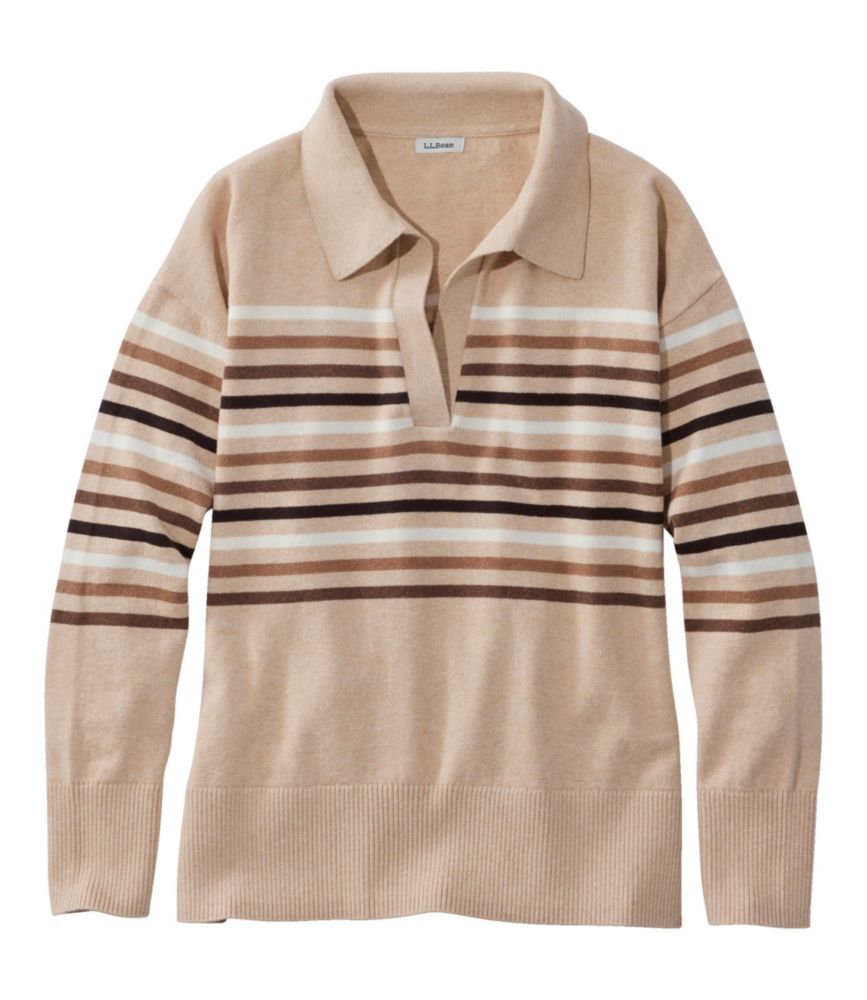
A tan striped cotton-cashmere polo sweater with lightweight warmth, a split neck, and machine-washable comfort.
(0)
$79.95 $54.99
SALE
$79.95 $54.99
SALE

Two Ply Cashmere Sweaters

Two-ply cashmere sweaters bring together a familiar wardrobe staple and a specific yarn construction: two individual strands are twisted together to form the yarn used in the knit. “Two-ply” describes that yarn, not two layers of fabric or two sweaters’ worth of material. Cashmere identifies the fiber, while ply identifies how the yarn is assembled; neither term, by itself, tells the whole story of a finished sweater. Cashmere comes from the fine undercoat of cashmere goats, and the fiber content listed in a garment’s details provides the clearest description of its composition. For anyone comparing sweaters, that distinction makes the terminology more useful than a broad promise about quality. Two-ply should not be treated as a universal rating for thickness, weight, durability, or resistance to pilling. Those qualities cannot be established from the ply count alone, and two sweaters with the same ply description may differ in other important respects. The appeal of this category also lies in the choices beyond the yarn: the line of a neckline, the proportions of a sleeve, the length of the body, and the overall simplicity or detail of the design. A sweater can have a place in a wardrobe because its shape feels familiar, because its proportions complement favorite pieces, or because its design reflects the wearer’s personal style. Looking at those details alongside the material description gives a more complete picture than focusing on a single number. Someone drawn to an understated look may pay particular attention to an uninterrupted front and restrained finishing, while another person may prefer more visible knit detail. Neither preference changes what two-ply means. It simply helps connect a technical description with the individual choices that make a sweater feel like a considered addition rather than another garment in the drawer.

Fit deserves the same attention as fiber and yarn construction when comparing two-ply cashmere sweaters. A size label is a starting point, but the garment’s measurements and fit description provide more useful context for its proportions. Shoulder placement, sleeve length, body length, and the width through the chest all contribute to the way a sweater sits. Personal preference matters here: some people favor a closer outline, while others prefer more room through the body. Comparing the listed measurements with a sweater that already fits well can make those preferences easier to recognize. It also helps to distinguish body measurements from garment measurements, since they describe different things and should not be read interchangeably. Product photography can offer another point of reference, especially when considered alongside model measurements, but it does not replace the size information. Notice where the hem falls, how much room appears through the sleeves, and how the shoulder seam is positioned rather than relying on the overall impression of a photograph. Neckline preferences are equally individual. The amount of space around the neck, the relationship between the opening and the shoulders, and the balance of the neckline with the rest of the garment can all influence a choice. A favorite pair of straight-leg pants or a familiar skirt offers a concrete reference for deciding which body length and silhouette belong in an existing wardrobe, without assuming that every sweater has the same proportions. Color is another personal consideration: the shades someone repeatedly reaches for often say more than a color chosen in isolation. For a related selection centered on simplicity, explore Simple Cashmere Sweaters. Across either collection, the most meaningful comparison brings together the stated composition, the construction details, and the wearer’s preferred shape, rather than asking one feature to stand in for the whole garment.

Care information is another important part of choosing cashmere, and it belongs in the decision before a sweater becomes part of a regular wardrobe. The instructions supplied with each garment should determine its cleaning and drying routine; the phrase “two-ply cashmere” is not a substitute for its care label. Check those instructions rather than assuming that the same method applies to every cashmere sweater. Details such as whether a garment calls for hand washing, machine washing, or professional cleaning need to come from the garment itself, along with any directions about detergent, water temperature, reshaping, and drying. This is also where personal habits matter. Someone who already follows a separate routine for knitwear may view care differently from someone who prefers to handle all clothing alike. Understanding the stated requirements makes the choice more practical without turning care into an afterthought. Storage deserves similar consideration: the available drawer or shelf space, the way garments are organized, and any supplied storage recommendations are worth keeping in mind. For questions about pilling, repairs, or changes in appearance, seek advice appropriate to the particular garment instead of treating ply count as a guarantee of how it will wear. A two-ply cashmere sweater can also be a personal gift choice, with the recipient’s preferences providing the best starting point. A familiar neckline, a known size, and a clear sense of the shapes they already enjoy are more useful than guessing from someone else’s taste. If the gift is a surprise, an existing favorite sweater can offer clues about sleeve length, body proportions, and color preferences without requiring an exact match. Consider the care routine as thoughtfully as the appearance, especially when choosing for someone whose clothing habits are different from the giver’s. Whether the sweater is a gift or a personal choice, its value in a wardrobe comes down to the complete decision: clearly described cashmere, an understood two-ply construction, proportions chosen with care, and a design the wearer genuinely wants to reach for.

FAQs