It's time to upgrade your browser

Your current browser is no longer supported on llbean.com. Please upgrade to one of the following for a smoother, safer shopping experience with us:

Ribbed Cashmere Sweaters

Explore ribbed cashmere sweaters with textured knits and timeless style. Browse the selection for a look that suits your wardrobe, and compare each sweater’s fit, fiber content and care instructions to help you choose.
Read More
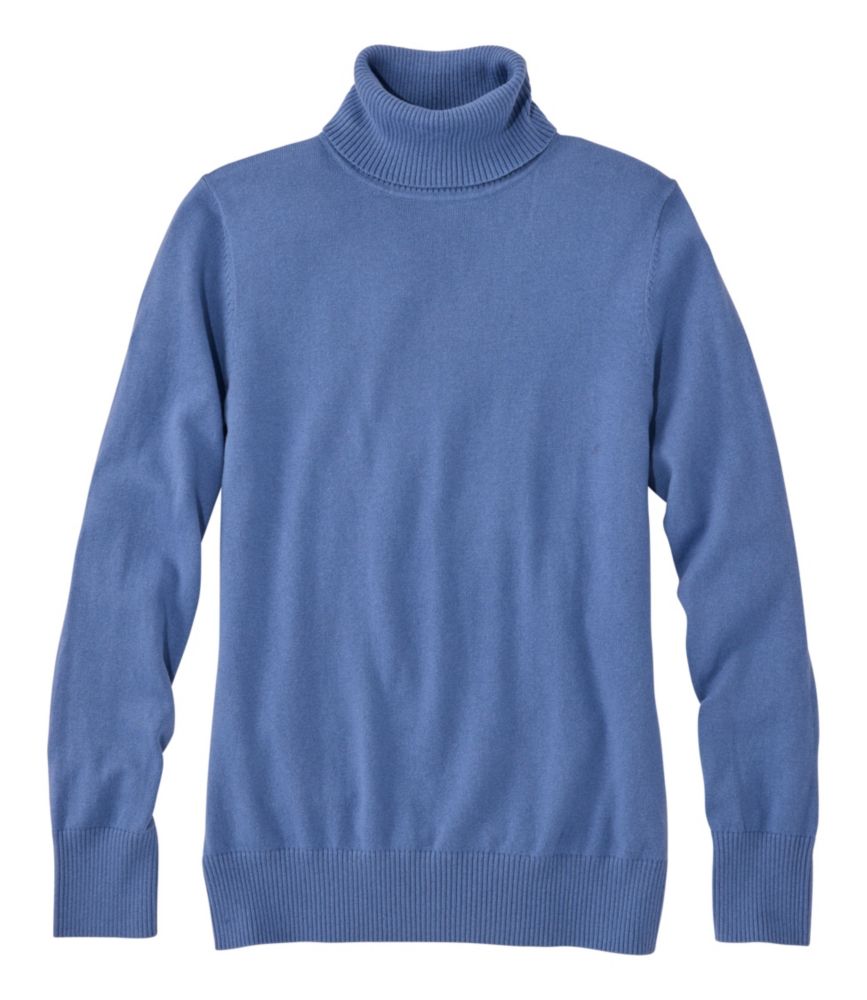
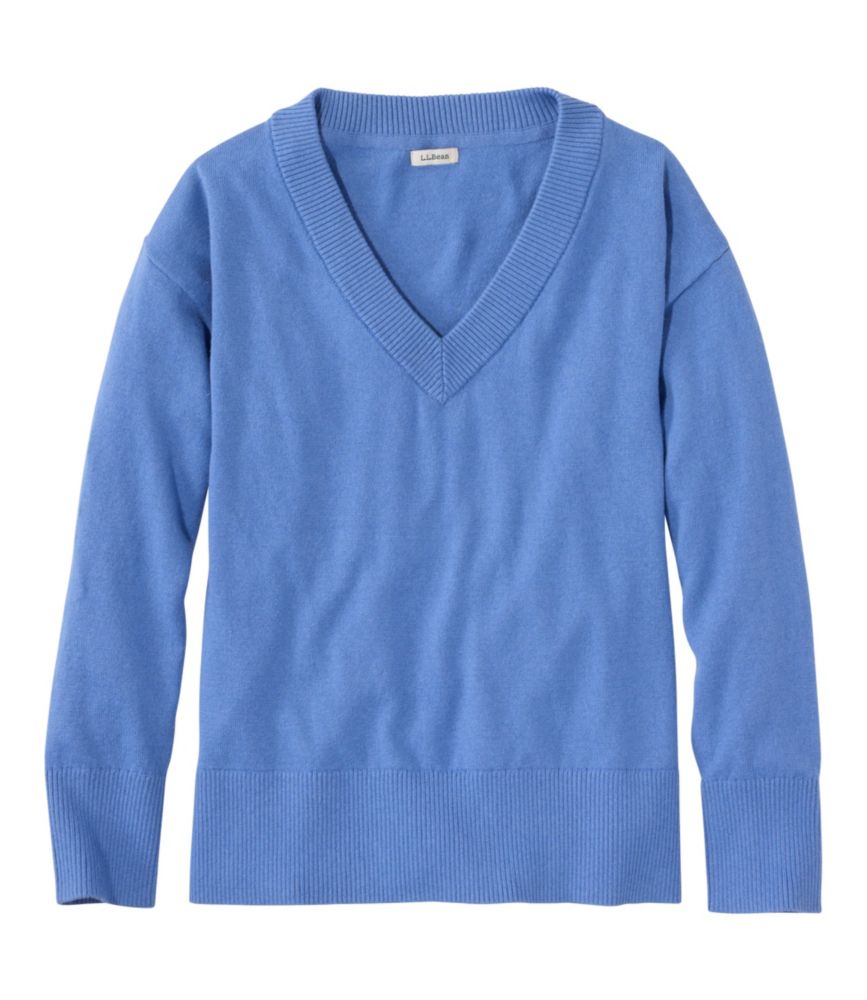
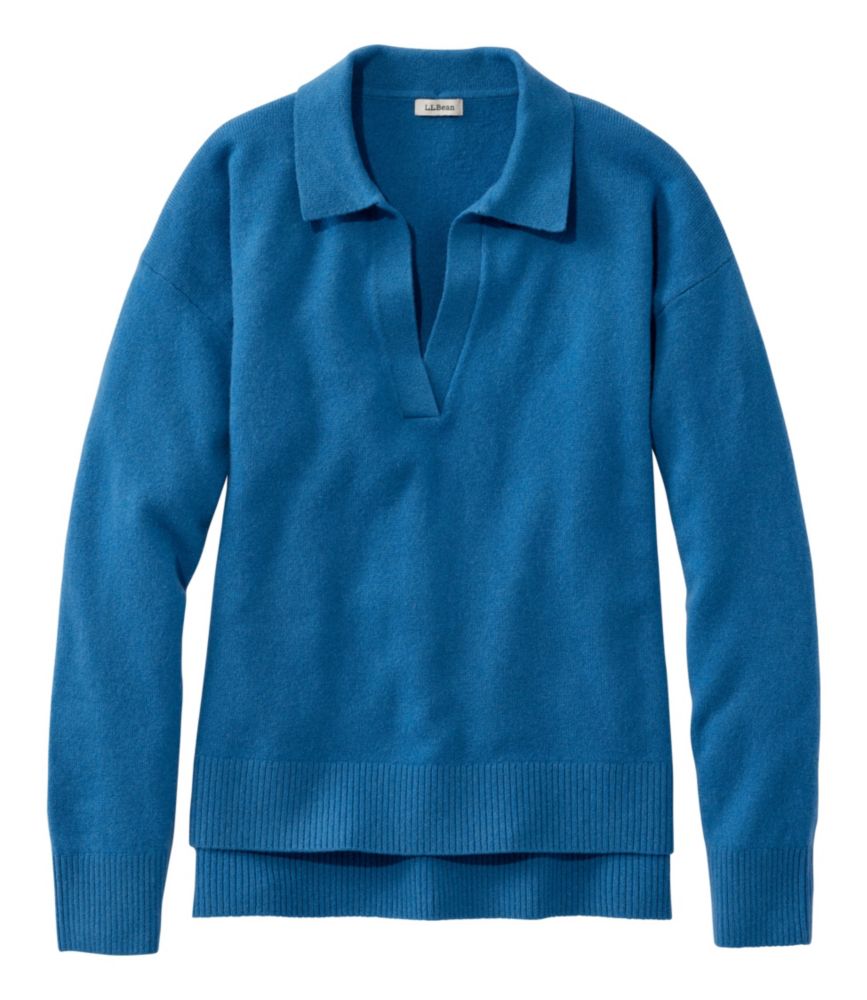
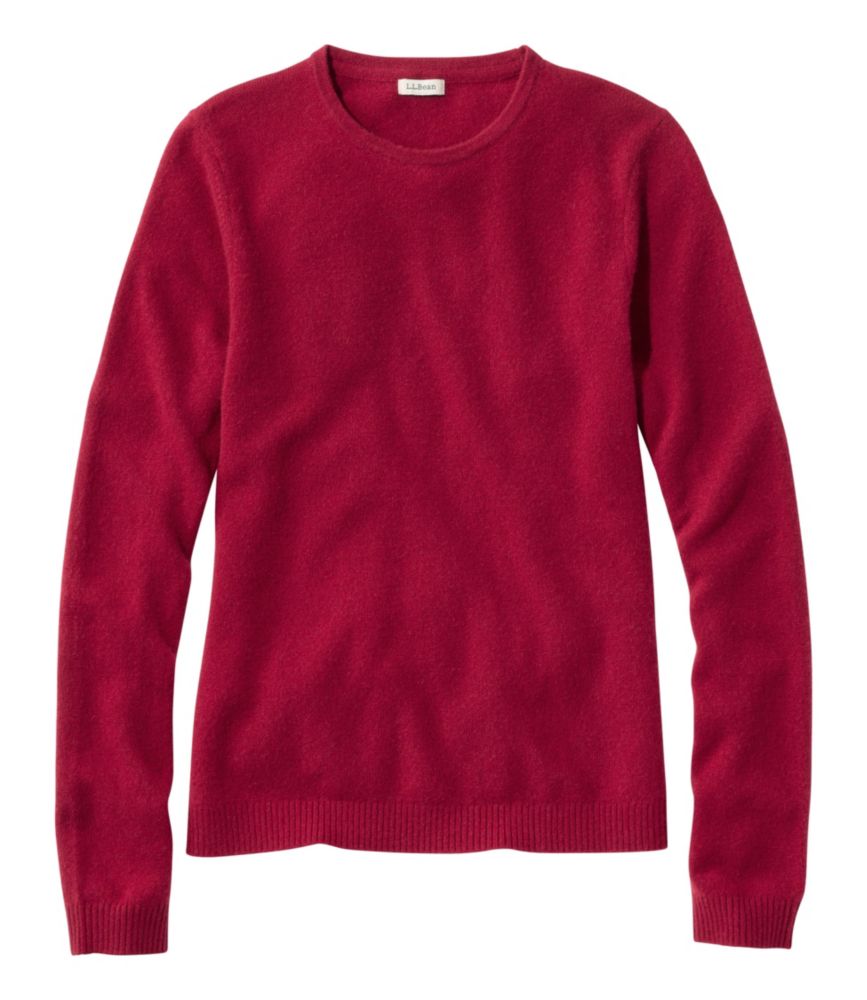
Women's Classic Cashmere, Crewneck
L.L.Bean Women's Classic Cashmere, Crewneck
A luxurious blue cashmere crewneck sweater that softly shapes the body and falls at the hip.
(4,495)
$130 $109.99
SALE
What customers like:
Versatile style
Softness
Warmth
Good fit
Beautiful color
$130 $109.99
SALE
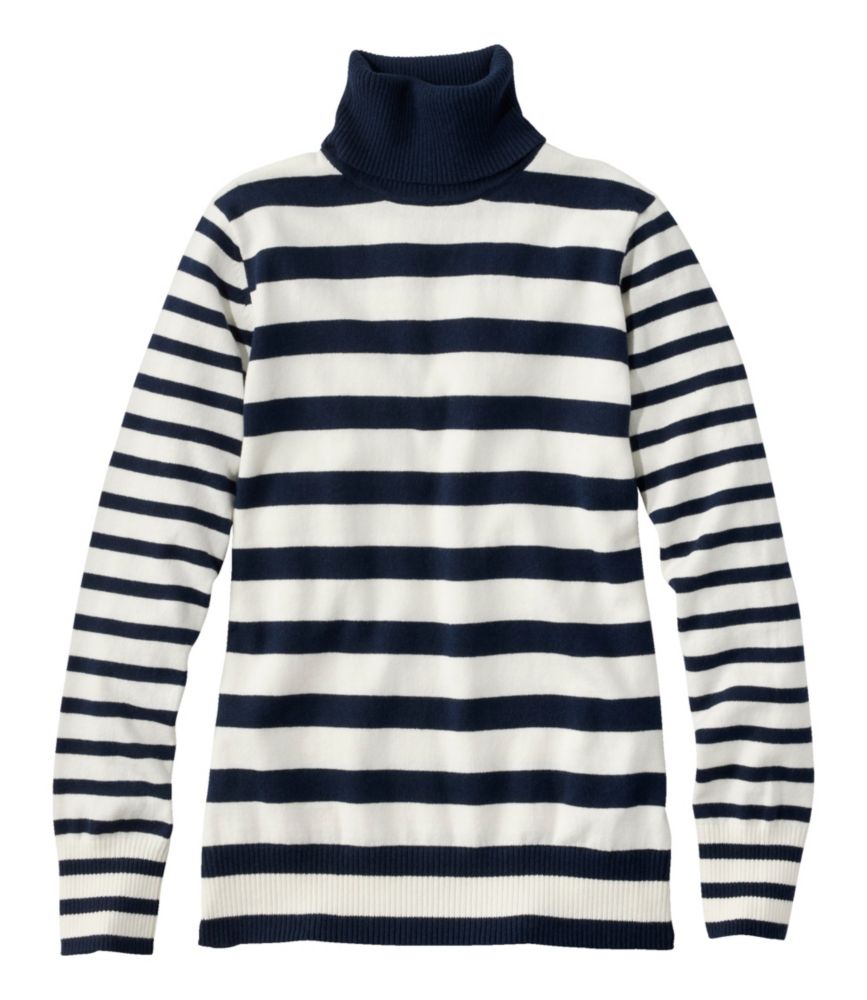
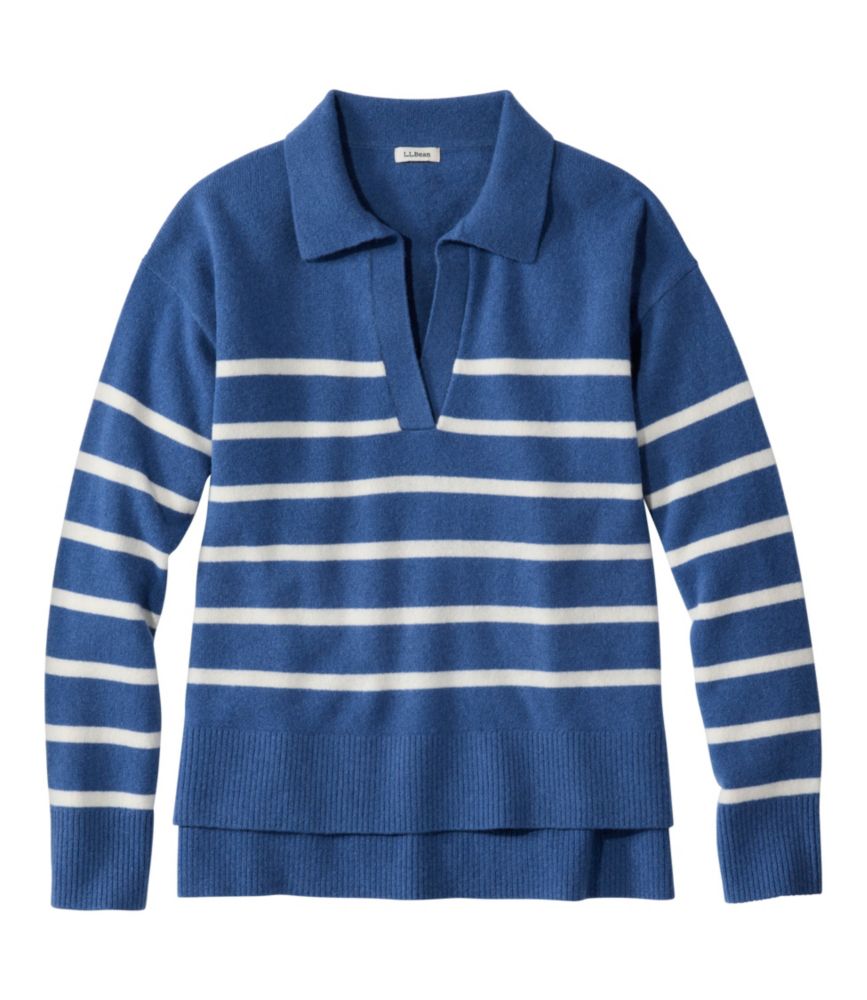
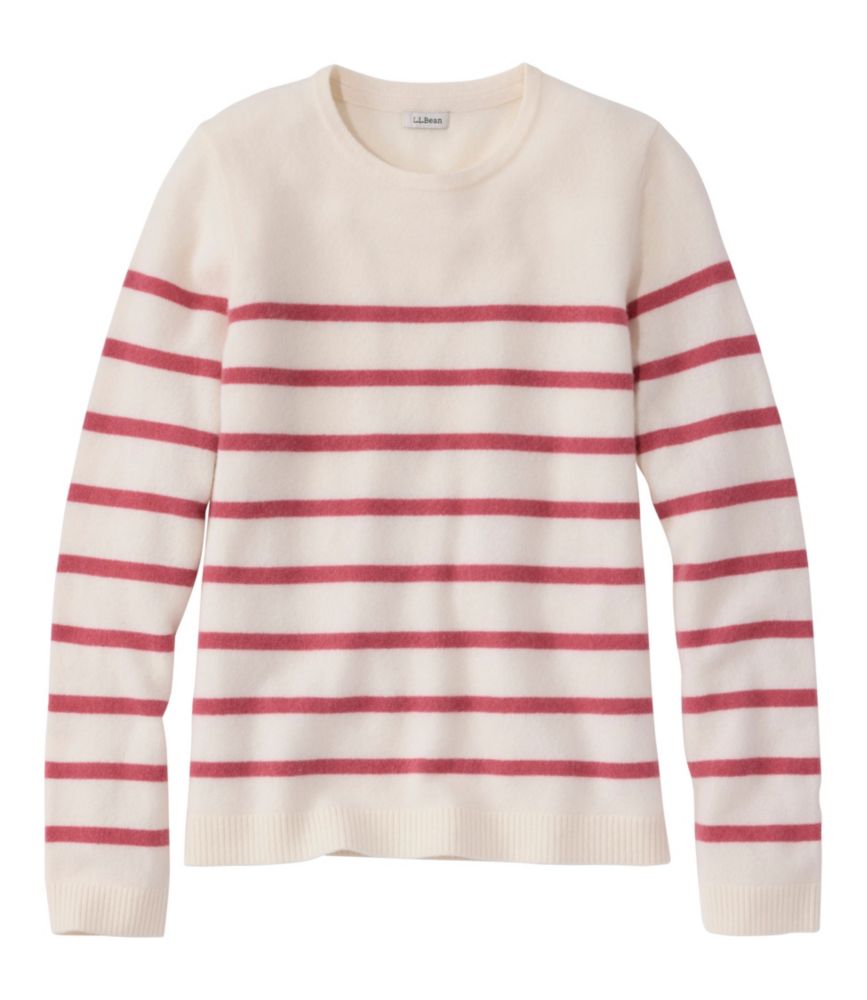
Women's Classic Cashmere Sweater, Crewneck Stripe
L.L.Bean Women's Classic Cashmere Sweater, Crewneck Stripe
A luxuriously soft, slightly fitted striped crewneck sweater made from 100% Inner Mongolian cashmere.
(444)
$140 $69.99
SALE
What customers like:
Lightweight warmth
High quality cashmere
Luxuriously soft
Excellent fit
Perfectly matched stripes
$140 $69.99
SALE
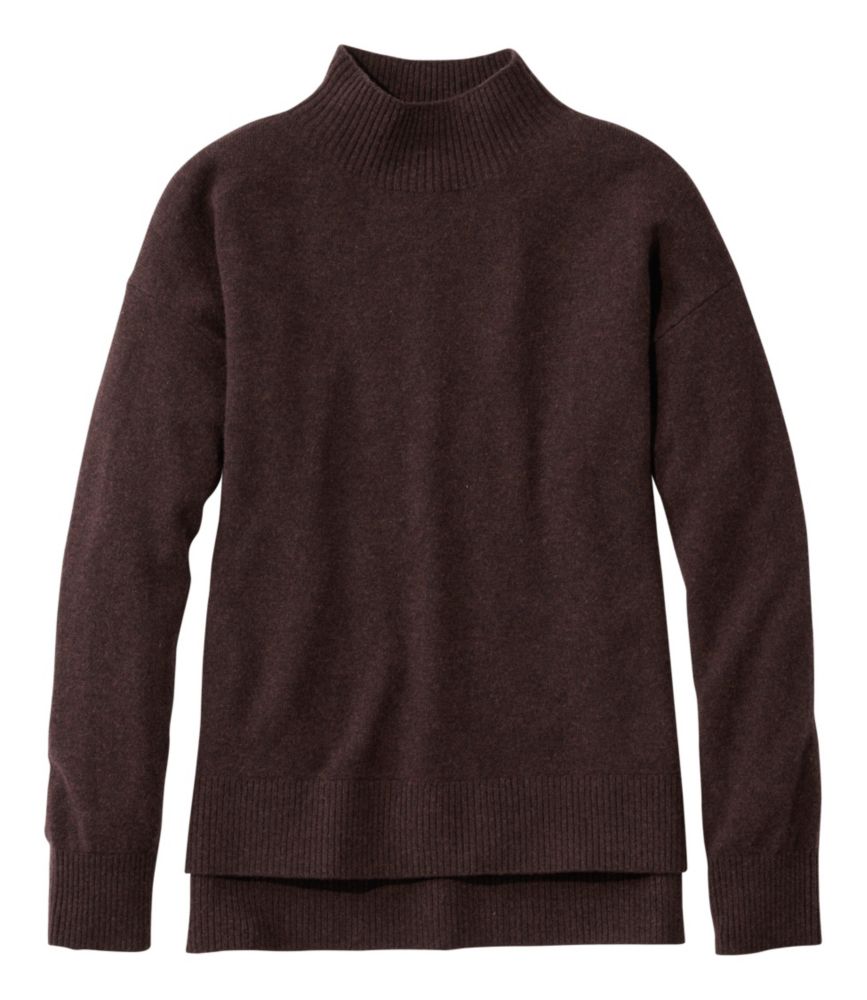
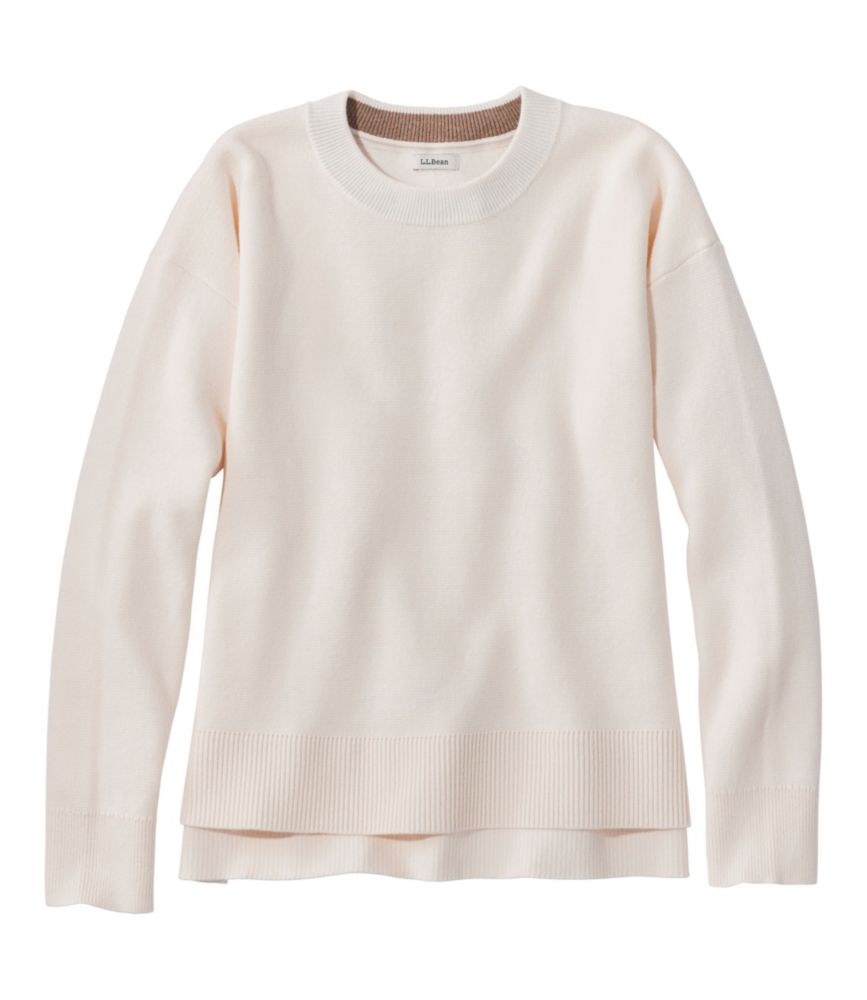
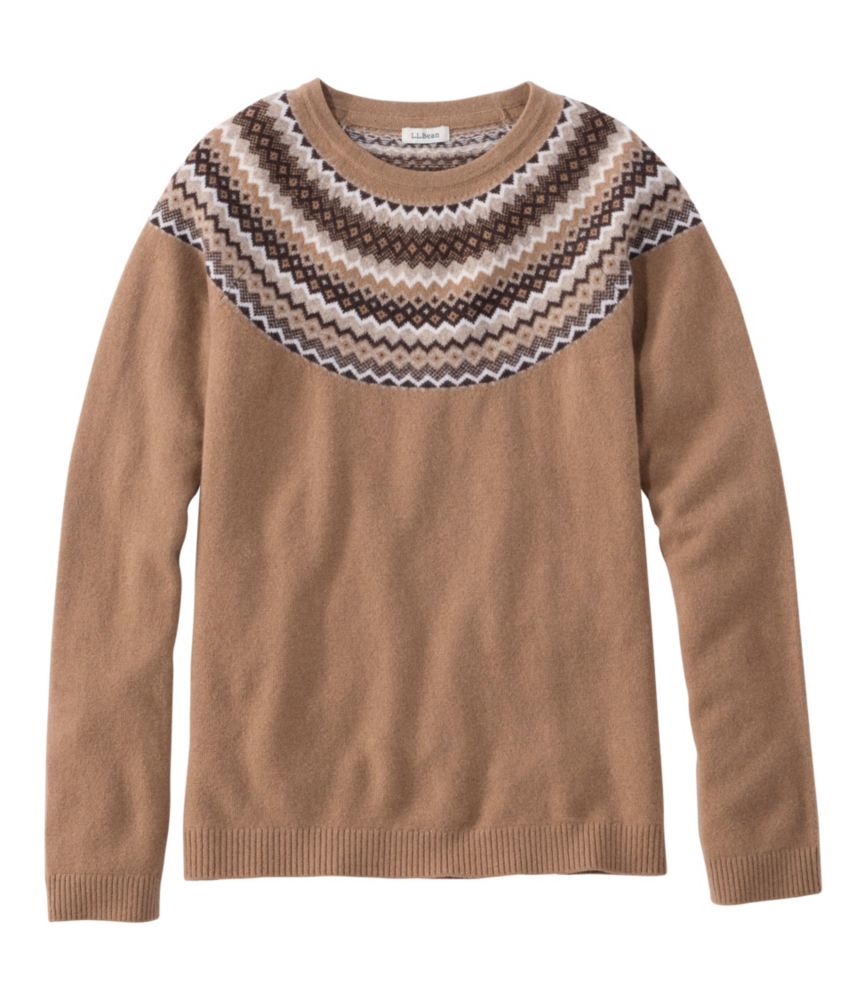
Women's Classic Cashmere Sweater, Relaxed Mockneck
L.L.Bean Women's Classic Cashmere Sweater, Relaxed Mockneck
A luxuriously soft brown mockneck sweater crafted from 100% Inner Mongolian two-ply cashmere.
(0)
$170 $170
SALE
$170 $170
SALE
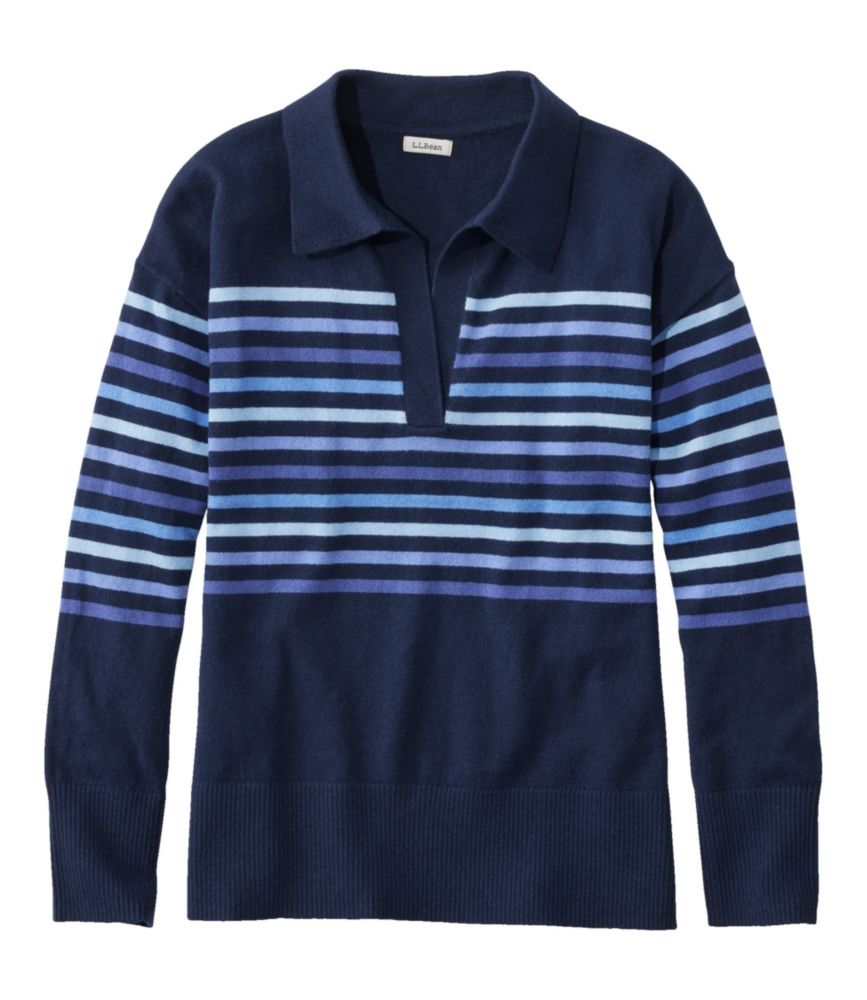
Women's Cotton/Cashmere Sweater, V-Neck Stripe
L.L.Bean Women's Cotton/Cashmere Sweater, V-Neck Stripe
A blue striped V-neck sweater in a soft cotton-cashmere blend with lightweight warmth and ribbed trim.
(0)
$69.95 $58.99
SALE
$69.95 $58.99
SALE

Ribbed Cashmere Sweaters

Ribbed cashmere sweaters bring together a familiar knit pattern and a distinctive material, with raised lines that give the surface depth and definition. Ribbing is formed by alternating knit and purl stitches, creating a series of ridges and recessed channels rather than a uniformly flat face. The spacing of those lines makes a noticeable difference in the overall look: narrow ribs create a finer pattern, while broader ribs make the texture more prominent. Ribbing can also appear in different places, so it is worth distinguishing an allover ribbed body from a sweater with ribbed cuffs, a ribbed neckline, or a ribbed hem. Those details are not interchangeable, and photographs of the front, back, and sleeves help show how the pattern carries through the design. Cashmere refers to the fiber, while ribbed describes the knit structure; one names the material and the other names how the surface is formed. The fiber comes from the fine undercoat of cashmere goats, but the word cashmere alone does not establish a sweater’s exact composition. Checking the listed fiber percentages is the clearest way to understand whether a design is entirely cashmere or includes other fibers. The same care with detail applies to the appearance of the knit. A close-up can reveal the scale of the ribs, while a full-length image shows how that texture relates to the neckline, sleeves, and hem. A simple outline lets the repeated lines stand out; a more pronounced collar or a different sleeve shape changes their visual balance. Color adds another point of comparison, especially when choosing a shade to sit alongside clothing already in a wardrobe. Rather than treating every ribbed cashmere sweater as the same basic style, consider the combination of composition, rib spacing, proportions, and finishing details. Together, those elements give each design its character without requiring elaborate decoration or a complicated outfit.

Fit deserves as much attention as the texture, particularly because the lines of a ribbed knit can look different depending on how closely the sweater follows the body. Start with the size chart and any stated fit description, then compare the measurements with a sweater whose proportions already feel right. Chest measurements are useful, but shoulder placement, sleeve length, body length, and the shape of the hem also deserve a look. Check whether a measurement refers to the garment itself or to the person wearing it; the distinction matters when comparing numbers. A photograph can suggest an overall silhouette, but it cannot replace measurements or explain every detail of fit. Someone who prefers a closer outline may assess the space through the chest and sleeves differently from someone who likes more room. Neither preference is a reason to assume that sizing up or down will produce the intended result, since the neckline, shoulders, and sleeves change along with the body. If a shirt will be worn underneath, allow for that preference when reviewing the fit information rather than relying on the ribbed construction to provide extra room. Think about proportions from top to bottom as well. Where the hem meets the waistband can influence whether the sweater looks better left untucked or arranged with a small front tuck, and sleeve length affects how the cuffs sit at the wrist. For a straightforward combination, compare the sweater’s ribbing with the lines of jeans, trousers, or a skirt already in the closet. A visibly textured knit beside a plainer surface gives the eye a clear point of interest, while several strong patterns create a different effect. Shoppers comparing ribbed texture with a simpler overall look can also explore Simple Cashmere Sweaters. The most useful comparison is not which look is more elaborate, but which neckline, proportions, and degree of texture feel most like the person who will wear it.

Care is another important part of choosing cashmere, and the best starting point is the instruction label attached to the particular sweater. A shared fiber name does not mean every garment should receive identical treatment. Before choosing, read the care information and consider whether the stated routine fits comfortably into household habits. Follow the specified cleaning method, including any directions about water temperature, drying, or professional cleaning, rather than assuming that advice for another cashmere garment applies. A universal washing schedule based on a fixed number of wears is not a substitute for the garment’s instructions and its actual condition. Similarly, recommendations for brushes, combs, or other fabric-care tools should be checked against the guidance for that sweater before use. When thinking about durability, avoid treating fiber content or a photograph as a promise of how long a garment will last. Pay attention instead to the construction information provided and to the care steps the maker recommends. Keeping those instructions accessible makes it easier to check a detail later, especially if the label uses symbols that need interpretation. The same practical approach makes a ribbed cashmere sweater a more considered gift. Begin with what the recipient already chooses: a familiar neckline, a preferred sleeve shape, a usual hem length, and a color that fits naturally among their favorites. An existing sweater can be a helpful reference for measurements, provided its fit is one the recipient actually likes. Notice whether they favor texture throughout a garment or prefer smaller details at the edges, and whether they enjoy closer or roomier silhouettes. Care preferences matter here, too; the cleaning routine should be part of the choice rather than an afterthought. There is no need to build an entirely new wardrobe around a textured sweater. Often, the strongest choice is the one with proportions that make sense alongside familiar clothing and details the wearer will appreciate each time they get dressed. Clear composition information, thoughtful fit comparisons, and attention to the care label provide a grounded way to choose ribbed cashmere with confidence.
Read More

FAQs