It's time to upgrade your browser

Your current browser is no longer supported on llbean.com. Please upgrade to one of the following for a smoother, safer shopping experience with us:

Twill Bags

Explore twill bags with classic style and versatility. Compare individual bags for dimensions, handle options and closure details to find the right match for what you carry and how you like to carry it.
Carryall Spinner Pullman, Large
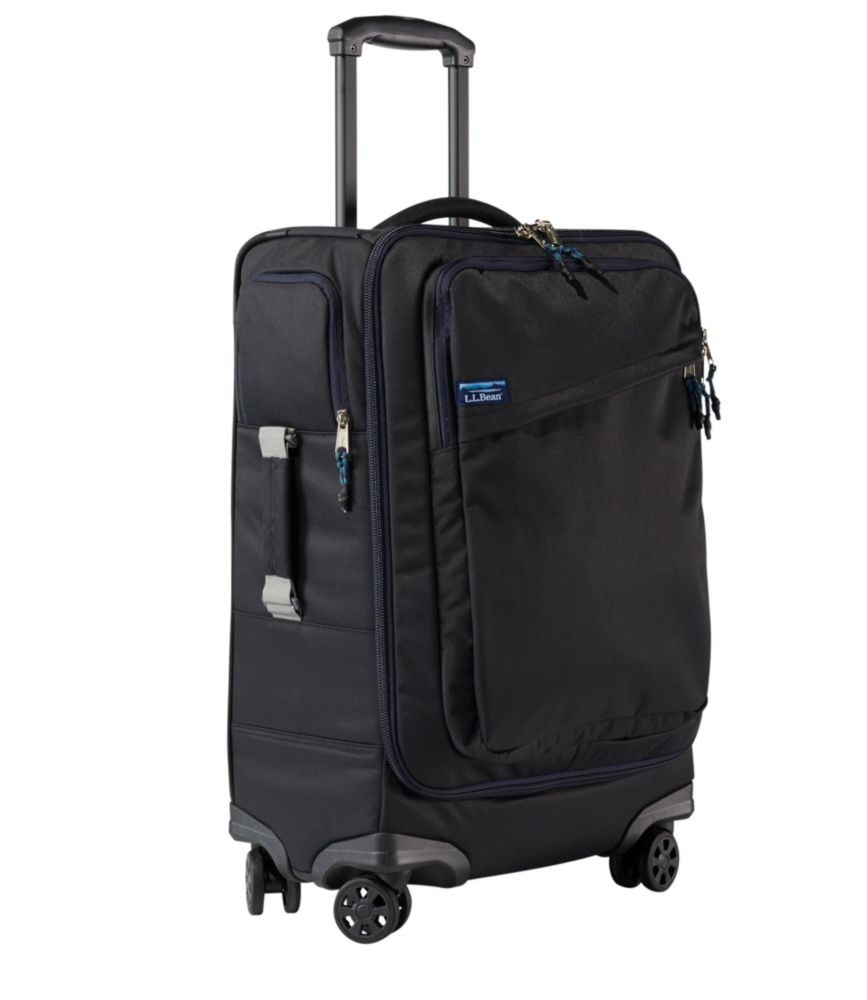
L.L.Bean Carryall Spinner Pullman, Large
A black polyester spinner suitcase with rugged abrasion-resistant twill, 360° wheels and organized storage.
(164)
$250 $184.99
SALE
What customers like:
Wrinkle-free
Well-made
Lightweight
High-quality fabric
Good pockets
$250 $184.99
SALE
Carryall Spinner Pullman, X-Large
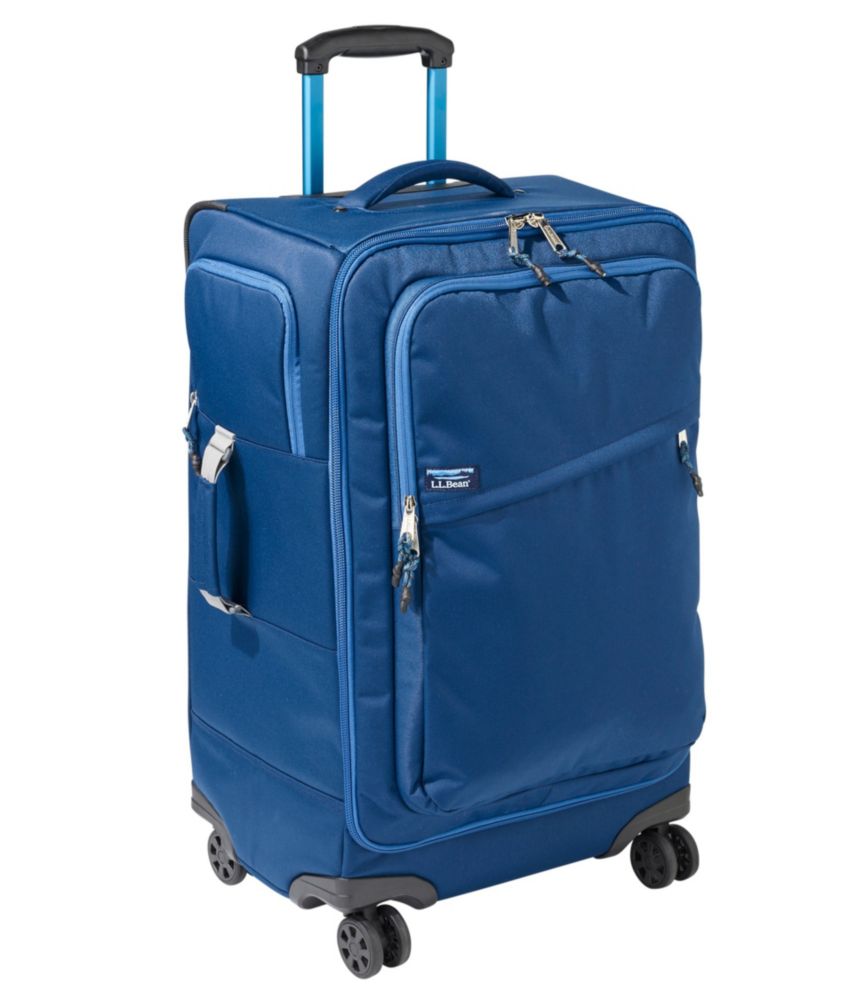
L.L.Bean Carryall Spinner Pullman, X-Large
A blue polyester spinner suitcase with rugged abrasion-resistant twill, smooth 360° mobility and organized storage.
(143)
$300 $300
SALE
What customers like:
Separate area for shoes
Shoe pocket
Overall design
Zippered compartments
Handle
$300 $300
SALE
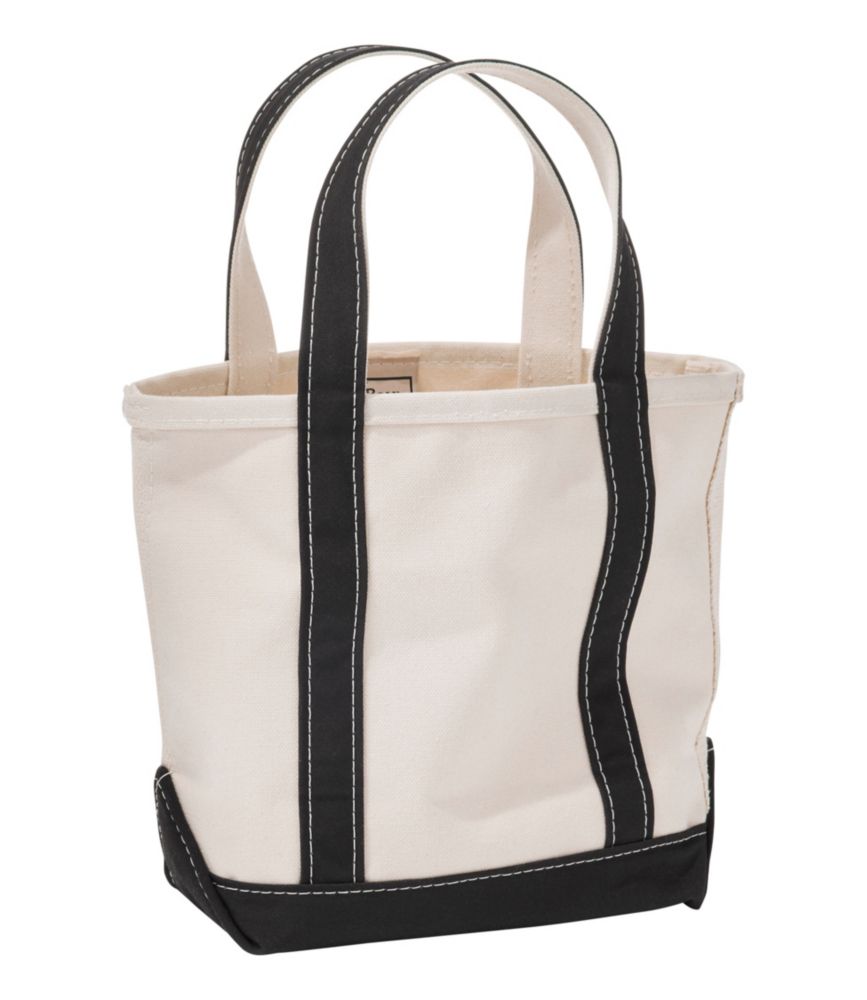
Boat and Tote®, Open-Top
L.L.Bean Boat and Tote®, Open-Top
A black open-top tote crafted from heavyweight cotton canvas with reinforced handles and double-stitched seams.
(7,836)
$32.95 $32.95
SALE
What customers like:
Attractive appearance
Durability
Sturdiness
Great workmanship
Versatility
$32.95 $32.95
SALE
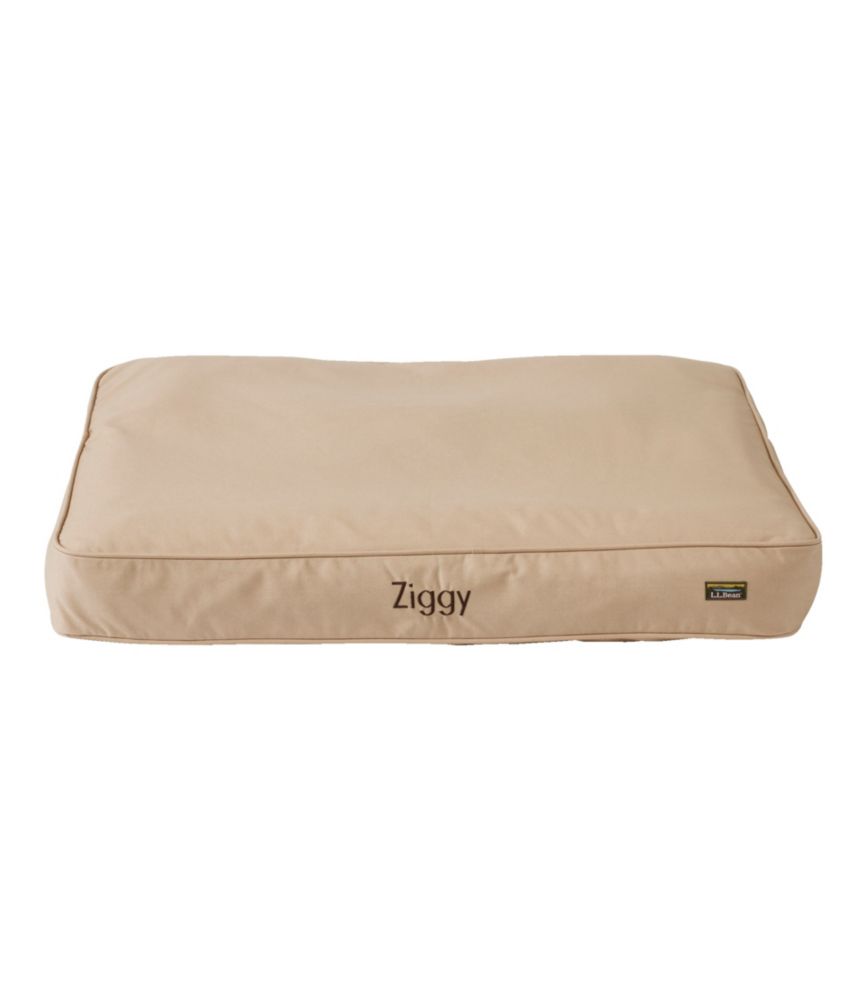
Premium Denim Dog Bed Replacement Cover, Rectangular
L.L.Bean Premium Denim Dog Bed Replacement Cover, Rectangular
A brown denim-twill replacement dog bed cover with recycled polyester, washable construction and chew-discouraging zipper garage.
(77)
$89.95 $89.95
SALE
$89.95 $89.95
SALE

Twill Bags

Twill bags bring a distinctive woven texture to a familiar accessory, with diagonal lines that give the fabric its recognizable character. Twill is a weave rather than the name of a single fiber, so its defining feature is the way the threads form that angled pattern. The effect can be subtle from a distance and more noticeable up close, adding visual interest without relying on a print or prominent decoration. That balance gives twill an approachable, classic look: enough detail to stand on its own, yet understated enough to sit comfortably alongside other textures. When comparing twill bags, the fabric’s appearance is only one part of the overall design. Shape, proportion, stitching, and the relationship between the body and handles all contribute to the finished look. A broad rectangular outline creates a different impression from a narrow, vertically proportioned shape, even when both share a similar weave. Likewise, a plainly finished edge and a contrasting trim can lead the eye in different directions. These details help explain why bags described with the same fabric term may have quite different personalities. The diagonal weave provides a common thread, not a complete description of every bag. Individual material information remains important because twill alone does not identify fiber content, fabric weight, finish, or care requirements. For someone drawn to texture rather than ornament, that distinction makes the category especially interesting to explore. The appeal lies in the interaction of small details: the angle of the weave, the placement of a seam, the outline of a handle, or the amount of visible stitching. Seen together, those elements create a style that feels considered without being elaborate. Twill also offers a visual connection to other woven wardrobe pieces, making it a natural point of interest for anyone who appreciates clothing and accessories with recognizable fabric character. Its diagonal pattern gives a simple shape something worth a closer look, while leaving the overall design room to speak for itself.

Proportions deserve as much attention as texture when choosing a twill bag. Photographs establish the overall appearance, while listed dimensions give that appearance a more concrete scale. Width, height, and depth describe different aspects of the shape; two bags with a similar front view can have noticeably different profiles when viewed from the side. Comparing those measurements with a familiar bag can be more revealing than relying on a size description alone. Handle drop and strap measurements, when provided, add another useful reference point, particularly for someone with an established preference about where a bag sits. Personal fit is not simply a matter of choosing the largest or smallest option. Some people prefer a compact outline, while others are drawn to more generous proportions, and neither preference needs to dictate the level of decorative detail. A larger silhouette can still look restrained, just as a smaller one can have a strong visual presence. Openings, closures, interior layouts, and exterior details are other points of comparison wherever they are specified in an individual description. Their placement affects the design as a whole, from an uninterrupted front panel to a shape divided by visible seams or pockets. These are worth considering alongside the fabric rather than treating them as secondary details. A close-up photograph might highlight the twill pattern beautifully, but a full view shows how that texture relates to the bag’s outline. Interior photographs and measurements provide a different kind of context, helping distinguish an appealing image from a design that matches personal preferences. Someone who likes simplicity may favor a quieter arrangement of details; someone who enjoys visible construction may pay closer attention to stitching and panel placement. The most satisfying choice brings those preferences together rather than asking one feature to do all the work. Texture may be the first thing that catches the eye, but scale, shape, and the small decisions throughout the design give a twill bag its individual character.

Care and construction information round out that picture, especially when a bag is being chosen with long-term ownership in mind. The word twill does not establish a cleaning method or a level of durability, and the weave’s appearance is not a substitute for the details supplied for an individual bag. Fiber content, finishes, trim, and other components can affect care requirements, making the attached care label and product-specific directions the appropriate references. A general fabric recommendation may not account for every part of a finished accessory. Following the stated instructions keeps care decisions grounded in the actual construction rather than assumptions about the texture. The same attention to detail is helpful when considering a gift. A recipient’s preferred bag size, usual silhouettes, and taste in visible hardware or decoration offer more useful clues than the idea that one style suits everyone. Think of the person who consistently chooses clean lines, or the friend whose favorite accessories have distinctive stitching and clearly defined shapes. Those familiar preferences can help narrow the choices without turning the gift into a guess about someone else’s routine. Twill’s recognizable pattern also creates a connection across different parts of a wardrobe. For another expression of the weave, Twill Men's Pants offers a related category to explore, with the same fabric term appearing in a different form. Coordinating pieces do not need identical textures or matching details; a shared sense of simplicity can be enough. A bag’s shape might echo the clean lines of an outfit, while its diagonal weave adds a separate point of interest. Ultimately, choosing among twill bags comes down to appreciating both the common fabric character and the distinctions that make each design its own. Clear material information, meaningful measurements, considered construction details, and specific care directions all contribute to that choice. Together with a style that feels personally appealing, they provide a fuller basis for selecting a bag than texture alone.

FAQs