It's time to upgrade your browser

Your current browser is no longer supported on llbean.com. Please upgrade to one of the following for a smoother, safer shopping experience with us:

Trail Model X Hiking Shoes

Shop Trail Model X Hiking Shoes for your next hike. Browse the available selection and compare sizing, fit information and individual product features to find the pair that best matches what you’re looking for.

Men's Trail Model X Waterproof Hiking Shoes
L.L.Bean Men's Trail Model X Waterproof Hiking Shoes
A brown suede hiking shoe with a waterproof membrane, cushioned support, and enhanced wet-surface traction.
(0)
$110 $110
SALE
$110 $110
SALE
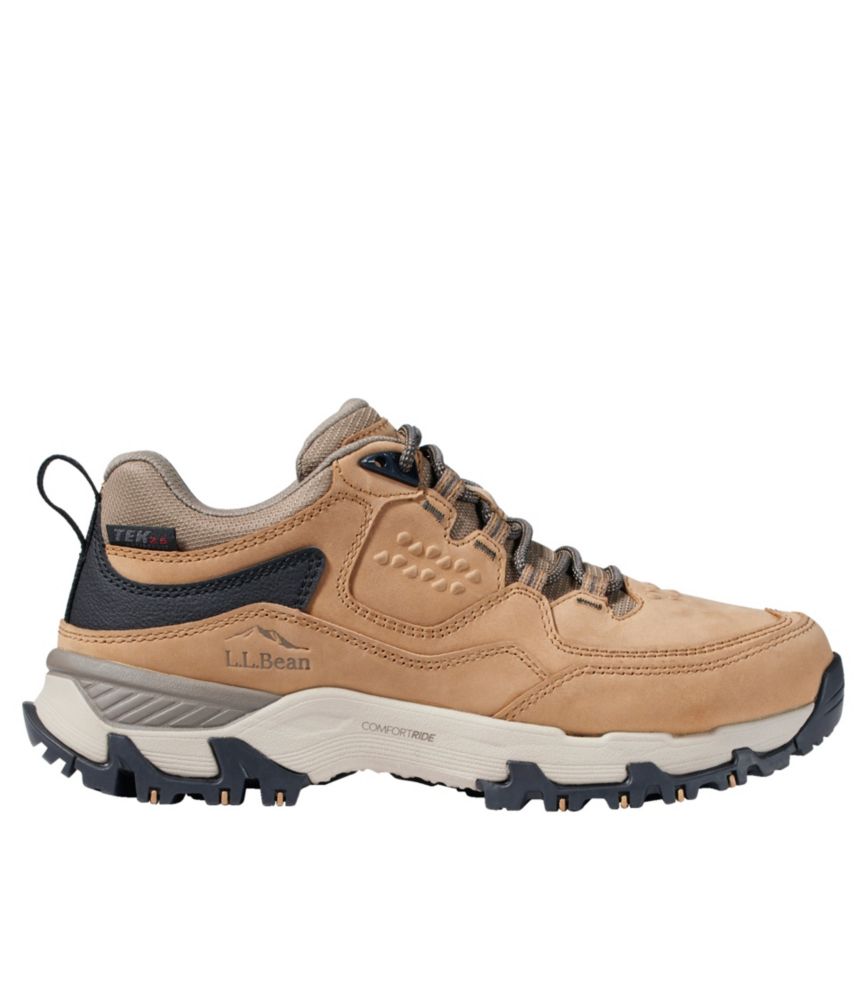
Women's Trail Model X Waterproof Hiking Shoes, Leather
L.L.Bean Women's Trail Model X Waterproof Hiking Shoes, Leather
Waterproof hiking shoes with a brown leather upper, TEK2.5® membrane, rock plate, and high-traction rubber outsole.
(0)
$120 $120
SALE
$120 $120
SALE
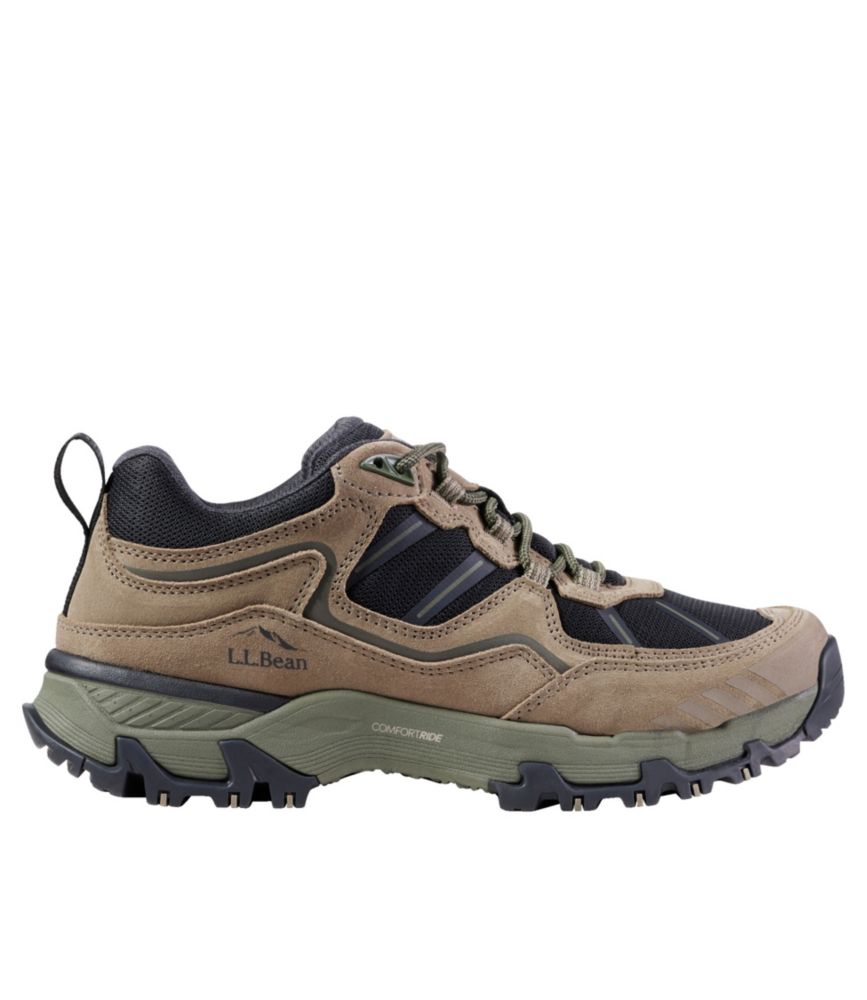
Men's Trail Model X Ventilated Hiking Shoes
L.L.Bean Men's Trail Model X Ventilated Hiking Shoes
Ventilated hiking shoes with brown suede, breathable mesh, water resistance, protective toe and enhanced wet traction.
(0)
$99.95 $69.99
SALE
$99.95 $69.99
SALE
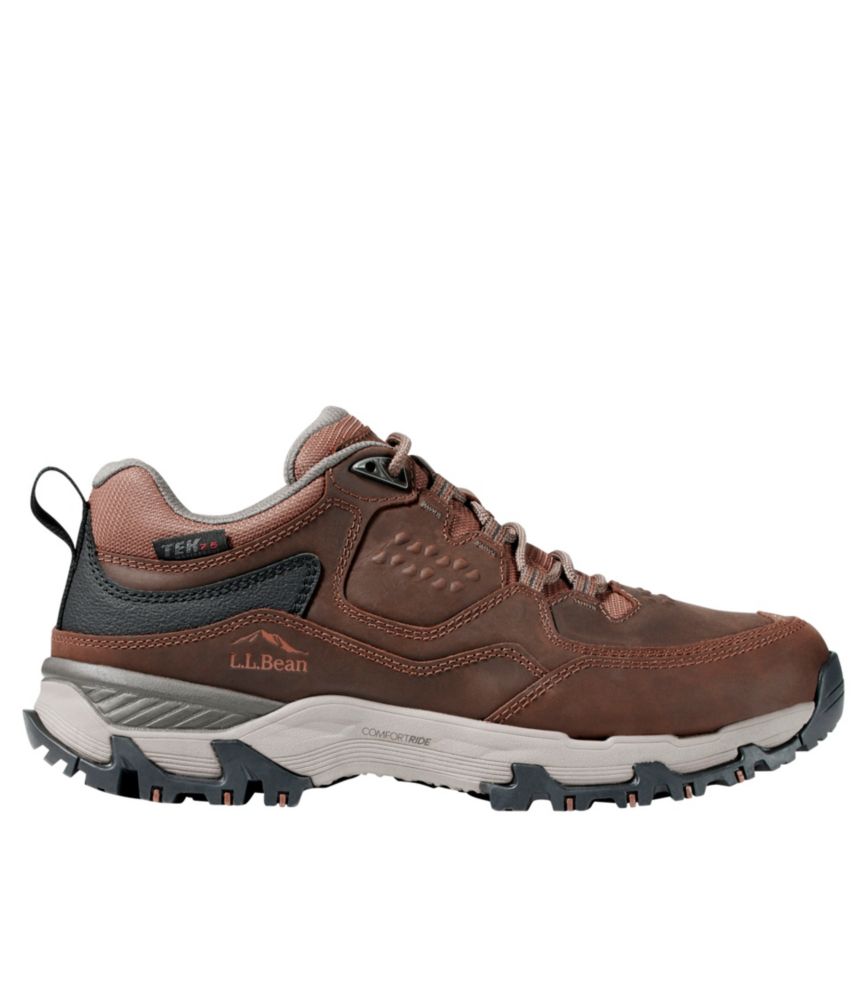
Men's Trail Model X Waterproof Hiking Shoes, Leather
L.L.Bean Men's Trail Model X Waterproof Hiking Shoes, Leather
A brown waterproof leather hiking shoe with breathable mesh, EVA cushioning and grippy rubber outsoles.
(0)
$120 $120
SALE
$120 $120
SALE
Women's Trail Model X Waterproof Hiking Shoes
L.L.Bean Women's Trail Model X Waterproof Hiking Shoes
A waterproof hiking shoe with gray suede, breathable mesh, cushioned support, and high-traction rubber outsoles.
(0)
$110 $110
SALE
$110 $110
SALE
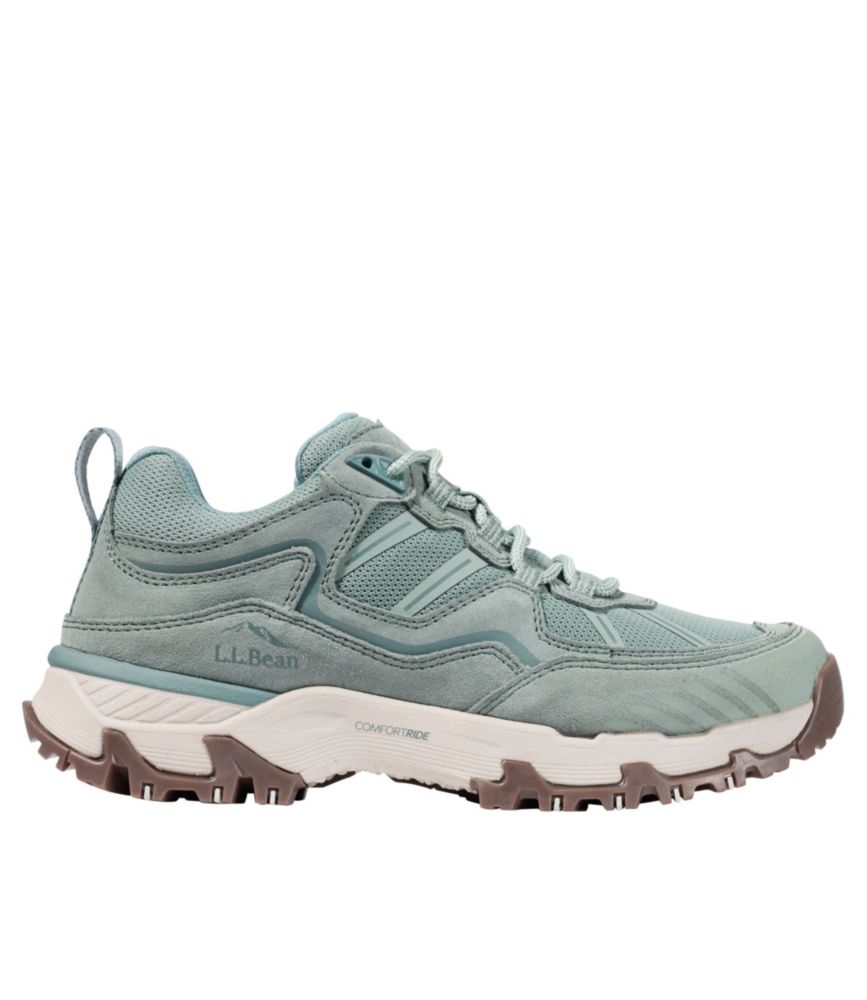
Women's Trail Model X Ventilated Hiking Shoes
L.L.Bean Women's Trail Model X Ventilated Hiking Shoes
A green hiking shoe with water-resistant suede, breathable mesh, rubberized toe, rock plate, and high-traction outsole.
(0)
$99.95 $69.99
SALE
$99.95 $69.99
SALE

Trail Model X Hiking Shoes

Hiking shoes are a personal part of getting ready for the trail, whether the plan is a familiar loop with family or a route that has been on the wish list for years. They belong to the small collection of essentials that hikers choose with their own habits, preferences and plans in mind. Some people enjoy returning to the same trail often enough to recognize every bend; others look forward to choosing a different destination whenever schedules line up. Both approaches leave room for the same thoughtful purchase: footwear selected for hiking, with attention to the individual details rather than appearance alone. This collection provides a focused starting point for that choice. Instead of treating every shoe as interchangeable, it helps to consider what matters personally, from the way a size usually fits to the look that feels most natural. A straightforward design may appeal to someone who favors understated outdoor style, while another shopper may begin with the shape of a favorite pair and compare from there. Quality and timeless style are worthwhile considerations, but a useful comparison also leaves room for individual preference. Hiking can mean an unhurried outing with plenty of stops to admire the view, a regular weekend tradition with a friend or a family gathering organized around time outside. The people sharing the trail may have different experience levels and different ideas about the perfect route. Choosing shoes remains an individual decision within that shared experience. The most helpful starting point is a clear understanding of the footwear itself, followed by a realistic sense of personal fit and the hiking plans ahead. That approach keeps the selection grounded in what matters, without turning a simple purchase into a competition over technical language or someone else’s idea of what a hiker should wear.

Fit deserves particular attention because a size number tells only part of the story. Two people who usually purchase the same size can have very different preferences about the room around their toes, the shape through the middle of the foot and the feel around the heel. A familiar size is a useful reference, not a substitute for the information attached to an individual pair. Measurements, size charts and any stated fit notes give that reference more context. When comparing hiking shoes, the fit of footwear already worn and enjoyed can also be helpful: where it feels right, where it feels too close and where there is more room than preferred. Those observations are more useful than choosing by a number alone. Trying shoes on with the socks intended for hiking adds another piece of context, as does fastening each shoe as it would be worn on the trail. Both feet deserve attention rather than assuming that the fit on one side tells the whole story. These are personal considerations, not reasons to expect every hiker to choose the same shape or size. Someone buying a first pair may want to spend more time understanding the fit information, while an experienced hiker may arrive with a clear list of preferences from previous pairs. Neither approach needs to be complicated. The aim is a considered choice based on the individual shoe and the person wearing it. Appearance has a place in that choice, too. A favorite silhouette or an understated look can make one option feel more personally appealing than another, even before the finer details are compared. Keeping appearance and fit in the same conversation helps make the purchase feel complete rather than driven by just one feature. For a household choosing footwear for more than one hiker, allowing each person to make those comparisons separately recognizes a simple truth: sharing a trail does not mean sharing the same fit preferences.

Care and long-term ownership belong in the decision as well. The construction details and care directions for an individual pair provide a better basis for planning than a general assumption about hiking shoes. Different shoes can have different cleaning instructions, so checking those directions before choosing a cleaning method is a practical part of looking after them. Following the stated drying recommendations matters just as much; a familiar household routine is not automatically the right routine for every pair. Regular attention also creates an opportunity to notice changes in condition rather than discovering them while getting ready to leave for a hike. Questions about durability are best considered alongside the stated construction details and the amount of hiking the owner expects to do, rather than treating appearance as evidence of how a shoe will wear. For a related look at this footwear theme, explore Trail Model X Footwear and use the individual descriptions to make meaningful comparisons. The same personal approach is especially useful when hiking shoes are being considered as a gift. A shared interest in hiking makes the idea thoughtful, but the recipient’s size and fit preferences still deserve attention. Someone who enjoys planning family outings may appreciate being included in the selection, just as a regular hiking companion may already know precisely what feels right. A conversation about favorite trails can open the door to a conversation about footwear without taking the enjoyment out of giving. Ultimately, a pair of hiking shoes is part of a larger experience: agreeing on a meeting place, looking over the route together and setting aside time for the outdoors. Choosing with care keeps the focus on the person who will wear them and the hikes they look forward to sharing. It is a practical, personal way to prepare for more time on the trail.

FAQs