It's time to upgrade your browser

Your current browser is no longer supported on llbean.com. Please upgrade to one of the following for a smoother, safer shopping experience with us:

Technical Shells

Find technical shells that suit your preferences, with shell outerwear to compare by style, fit and individual product features. Check each item’s description and sizing information to understand the differences and choose the right option for you.
Read More
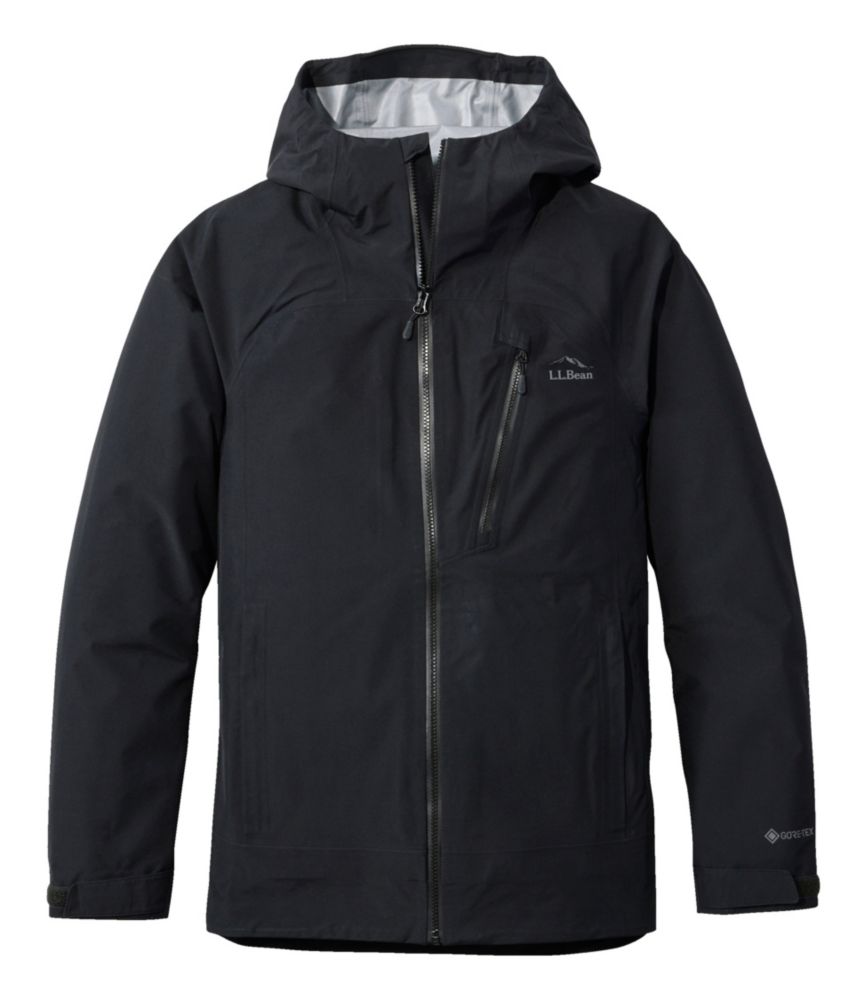
Men's Pathfinder GORE-TEX Shell Jacket
L.L.Bean Men's Pathfinder GORE-TEX Shell Jacket
A versatile black jacket featuring lightweight, windproof GORE-TEX ePE fabric, perfect for four-season adventures.
(0)
$300 $300
SALE
$300 $300
SALE
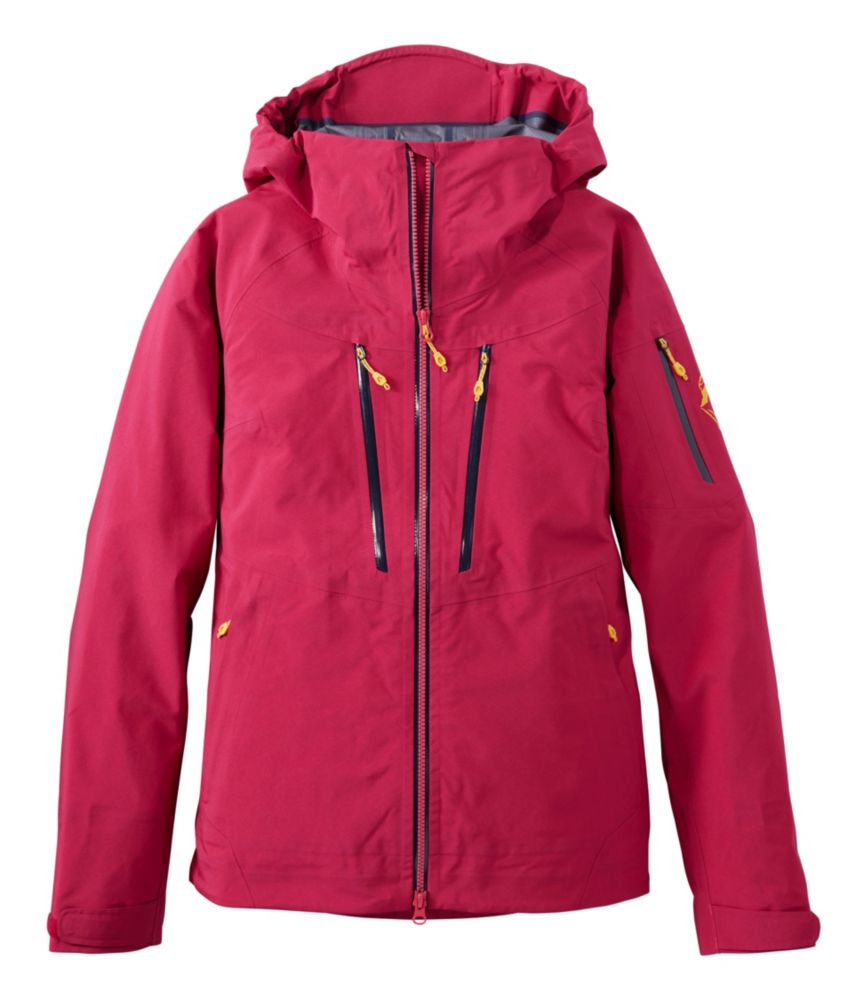
Women's GORE-TEX Pro Patroller Jacket
L.L.Bean Women's GORE-TEX Pro Patroller Jacket
A red, highly durable GORE-TEX Pro shell jacket offering waterproof, windproof, and breathable mountain protection.
(0)
$550 $550
SALE
$550 $550
SALE
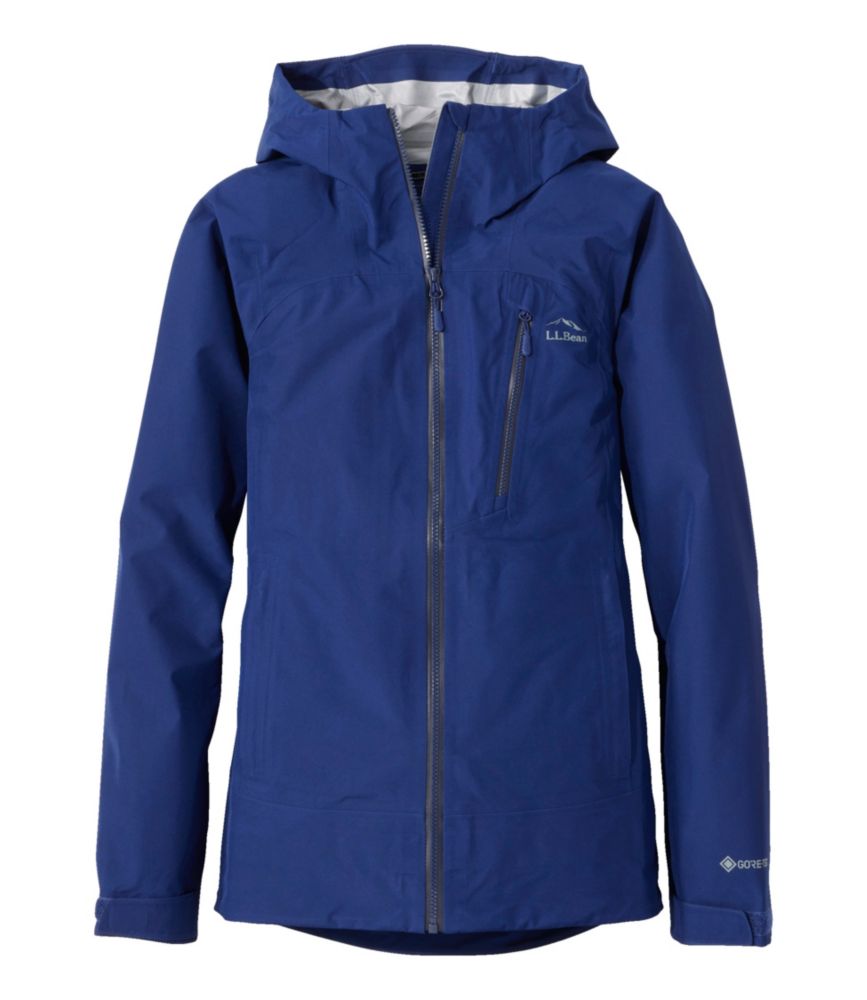
Women's Pathfinder GORE-TEX Shell Jacket
L.L.Bean Women's Pathfinder GORE-TEX Shell Jacket
A versatile blue GORE-TEX shell jacket offering waterproof, windproof protection with a comfortable, lightweight design.
(0)
$300 $300
SALE
$300 $300
SALE
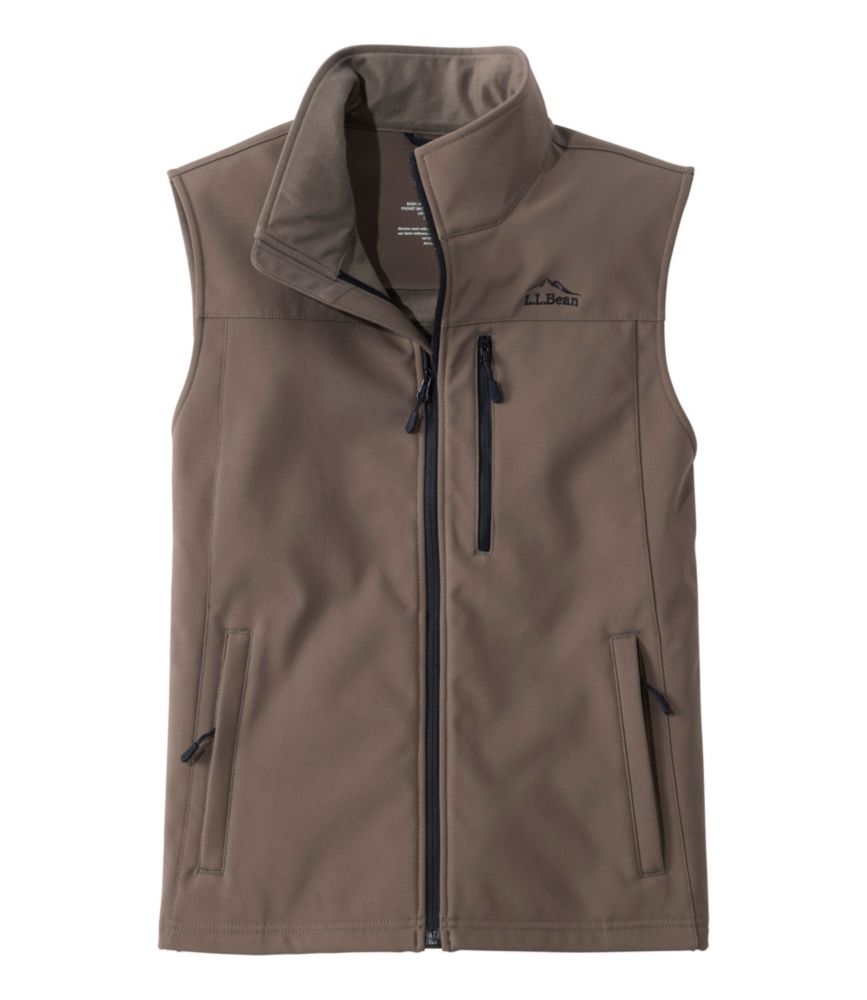
Men's Hunter's Pathfinder Soft Shell Vest
L.L.Bean Men's Hunter's Pathfinder Soft Shell Vest
A brown, wind- and water-resistant soft shell vest with fleece lining and built-in stretch for comfort.
(0)
$140 $140
SALE
$140 $140
SALE
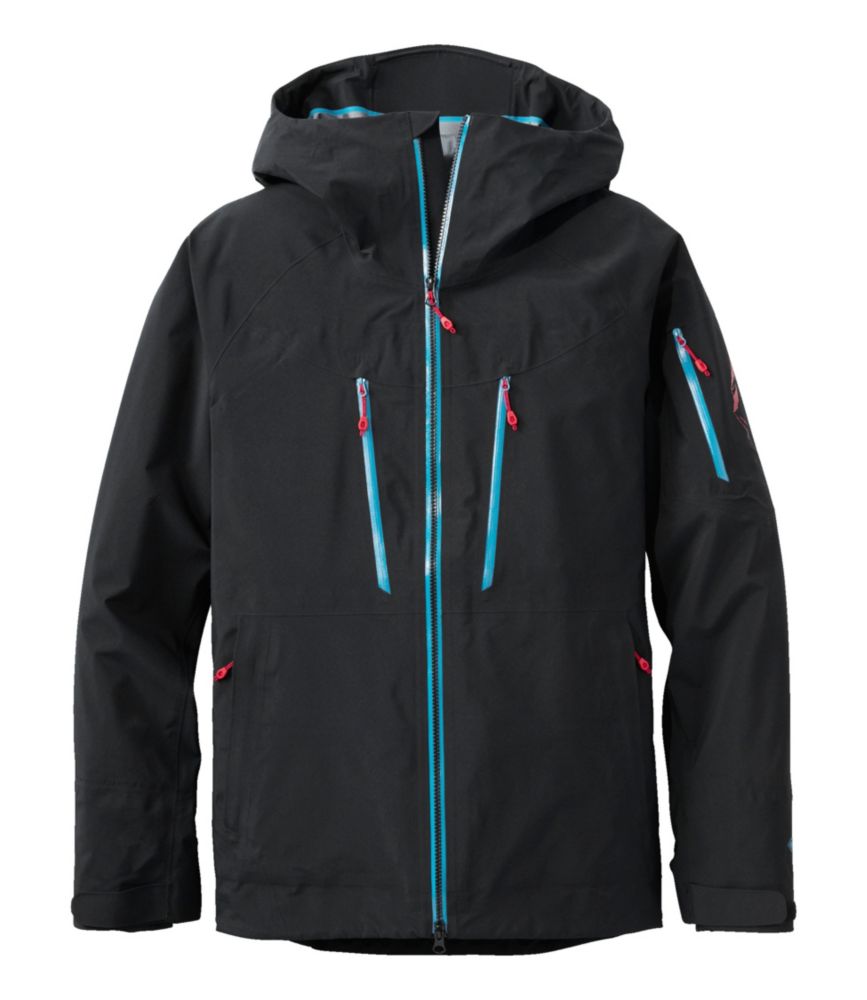
Men's GORE-TEX Pro Patroller Jacket
L.L.Bean Men's GORE-TEX Pro Patroller Jacket
A black, highly durable GORE-TEX Pro shell jacket with ePE membrane, waterproof, windproof, and PFAS-free.
(0)
$550 $550
SALE
$550 $550
SALE
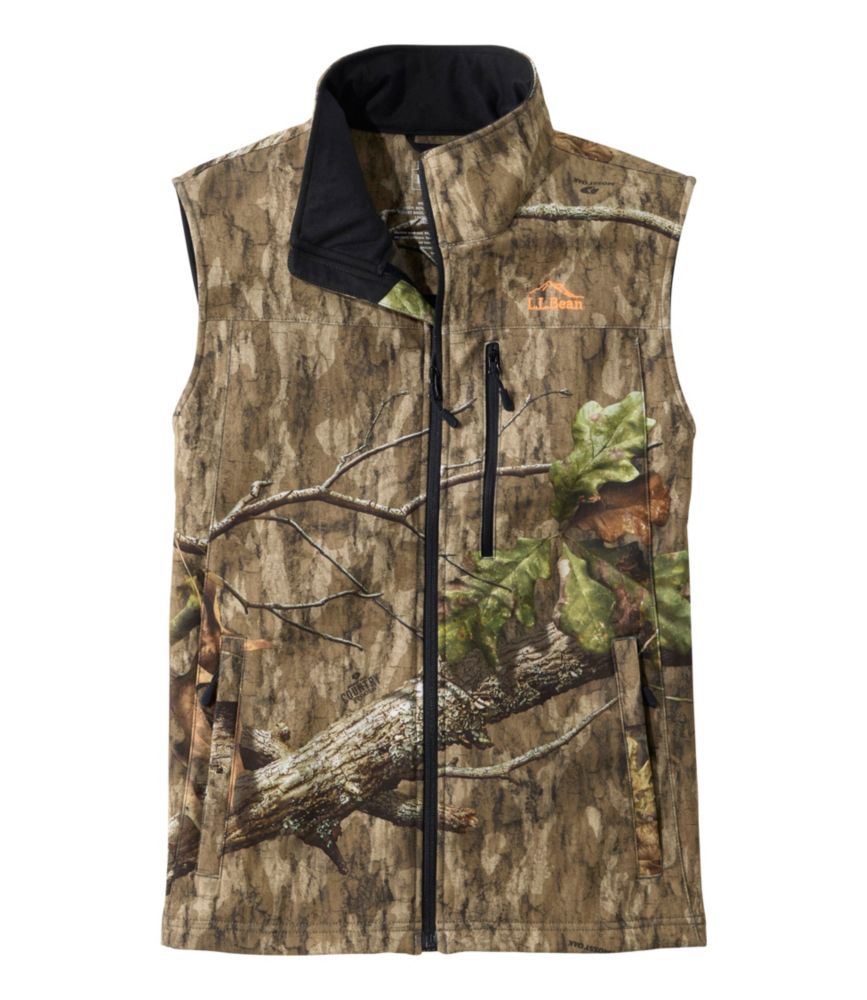
Men's Hunter's Pathfinder Soft Shell Vest, Camo
L.L.Bean Men's Hunter's Pathfinder Soft Shell Vest, Camo
A camo-patterned, wind- and water-resistant soft shell vest with fleece lining and built-in stretch.
(0)
$140 $140
SALE
$140 $140
SALE

Technical Shells

Technical shells belong to the outerwear part of a wardrobe, where personal preferences about shape, length and fit can make a meaningful difference. The collection offers a place to explore that category, with the details of each garment helping distinguish one design from another. A clean silhouette, a preferred neckline or a particular hem shape can be just as important to the choice as the name on the page. Some people like clothing with a simple, understated appearance; others enjoy more visible design details. Neither approach needs to be complicated. The most useful starting point is often a garment already hanging in the closet: something with a familiar length, sleeves that sit where expected and proportions that feel right. Comparing its measurements with the listed measurements of a technical shell can make the decision more concrete. Size names alone do not tell the whole story, so chest, sleeve and body-length information deserve attention wherever provided. Two people who wear the same size may prefer quite different amounts of room, and a preferred fit can vary from one type of clothing to another. Think about where the shoulder seam usually sits, how much space feels right through the body and whether a shorter or longer hem suits your proportions. Those details help turn a broad category into a more personal selection. Product photographs also provide useful context for the overall shape, though the size information remains important when comparing garments. A front view may draw attention to the closure and pocket arrangement, while another angle can clarify the outline of the sleeves or hem. Taken together, those details offer a fuller picture than a single image. The goal is a considered choice: outerwear that reflects your taste, fits according to your preferences and makes sense alongside the clothing you already own. There is room for both a familiar look and a slightly different silhouette, without setting aside the details that matter most to you.

Materials, construction and care information add another layer of context when comparing technical shells. Fabric content belongs to the individual garment, so the listed composition is the place to understand what a particular design contains. Construction descriptions can add detail about how that garment is put together, while close-up photographs may show elements that are less apparent in a full-length view. These are separate pieces of information, and each contributes something to the overall decision. Appearance alone cannot answer every question about a garment, just as a category name cannot replace its description. A thoughtful comparison considers the details together rather than allowing one prominent feature to determine the entire choice. Quality is also worth considering beyond the first impression. Look closely at the information provided about seams, closures and finishing, and notice which details are explained rather than filling in the gaps from a photograph. Care deserves the same attention as fit and appearance because it becomes part of owning the garment. The care label should guide washing, drying and any other treatment; a routine used for another piece of outerwear may not be the right one for this garment. Before making a selection, consider whether its stated care requirements fit the way clothing is maintained at home. Afterward, keep those instructions accessible and check them again when needed. If a mark needs attention or a closure seems different after wear, identify the issue before choosing a treatment or attempting a repair. Following the garment’s directions is more useful than applying a general rule to everything called a shell. Storage is another detail best considered with the individual garment’s instructions in mind. A familiar place in the closet, enough space to see what is there and an occasional check of the clothing already owned can make wardrobe decisions more deliberate. Durability is a worthwhile consideration, but the specific construction details and care requirements provide firmer ground for comparison than broad expectations about the category.

Choosing technical shells can also be a matter of understanding someone’s habits and tastes, especially when outerwear is intended as a gift. A recipient may have a clear preference for a certain length, a particular fit or clothing with fewer visible details. Those preferences are often easier to recognize in the pieces worn repeatedly than in a description of personal style. The garment kept near the front of the closet, the sleeve length someone notices immediately or the neckline they tend to choose can all offer useful clues. Knowing the recipient’s measurements and fit preferences is more helpful than relying on a size remembered from a different type of clothing. When those details are uncertain, a conversation about what they like can make the gift more personal without turning it into a guessing game. The same thoughtful approach applies when selecting something for yourself. Consider what already earns a regular place in the wardrobe, what feels missing and whether the appeal of a garment comes from its overall shape or one particular detail. A purchase does not need to introduce an entirely different style to feel worthwhile; sometimes the most satisfying choice is one that reflects preferences already well understood. Other times, a different proportion or design brings welcome variety. Either way, comparison is clearest when the same details receive attention across the options: measurements, silhouette, listed construction and care. For a separate look at bags, explore Soft Shell Bags, whether considering another gift or simply browsing a different category. Outerwear and bags each deserve their own close look, with personal preferences guiding the choice rather than a similar name. The appeal of a well-considered wardrobe lies in that attention to the individual pieces. Technical shells can be approached with the same straightforward care: notice the design, understand the garment information and choose according to the person who will wear it. That leaves the focus where it belongs, on a thoughtful selection with a clear place in someone’s wardrobe.
Read More

FAQs