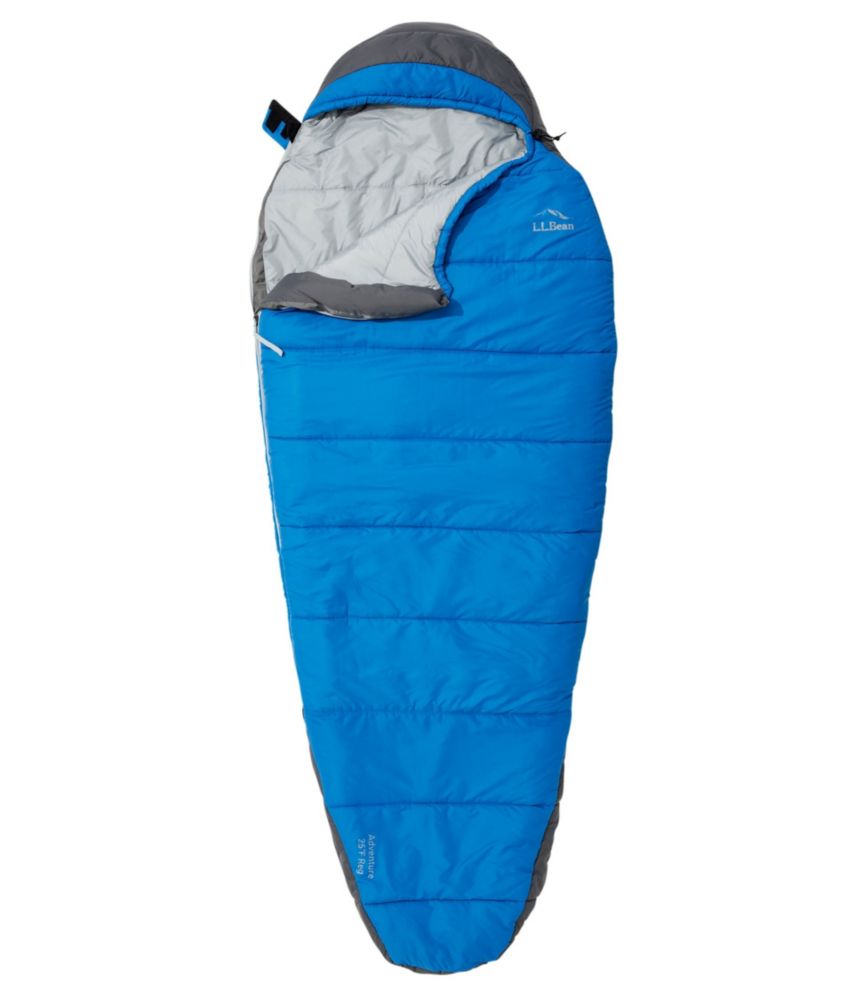
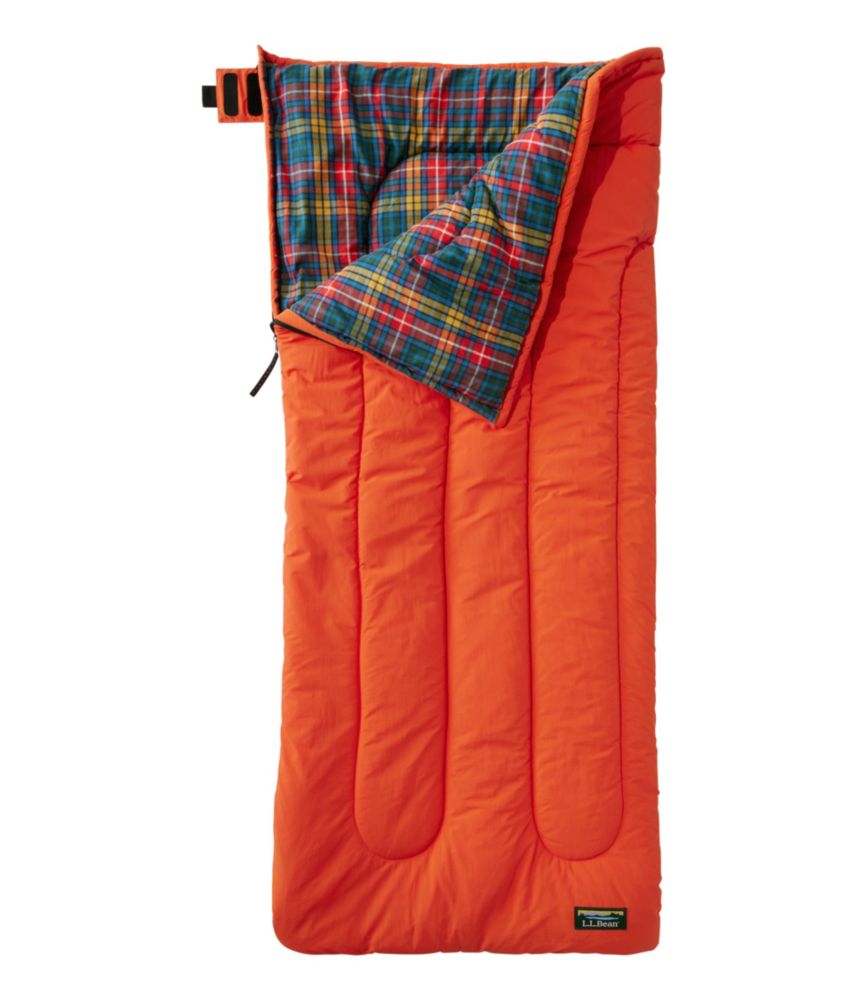
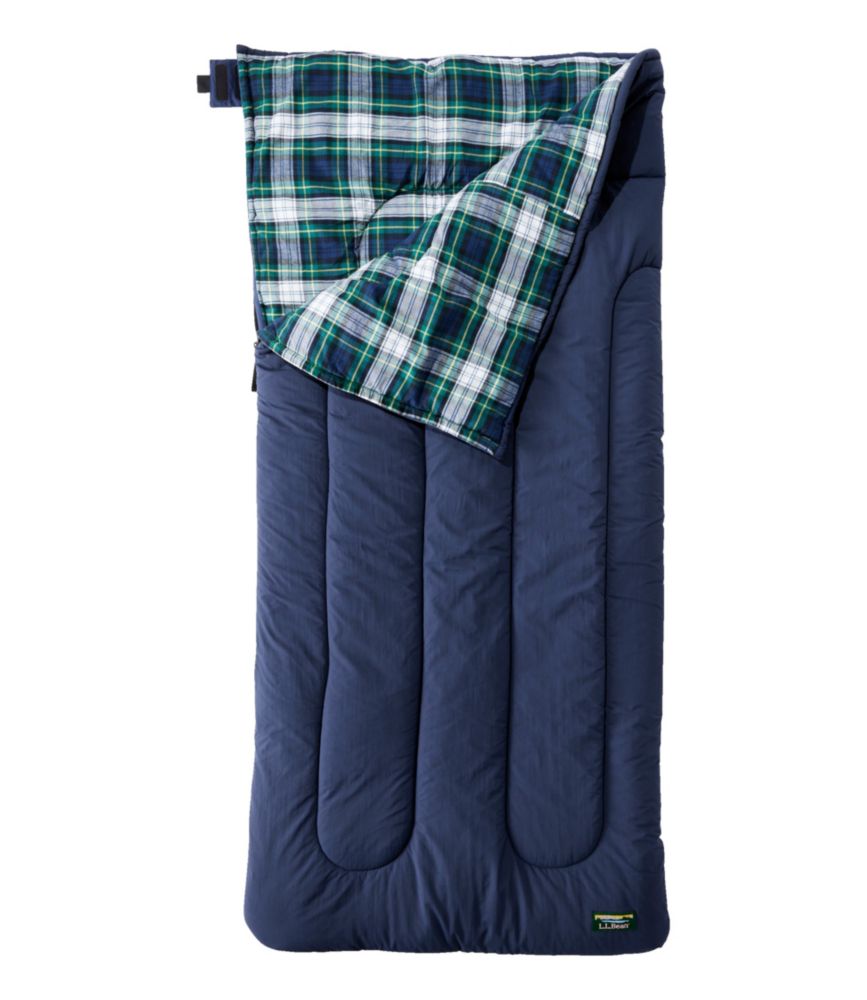
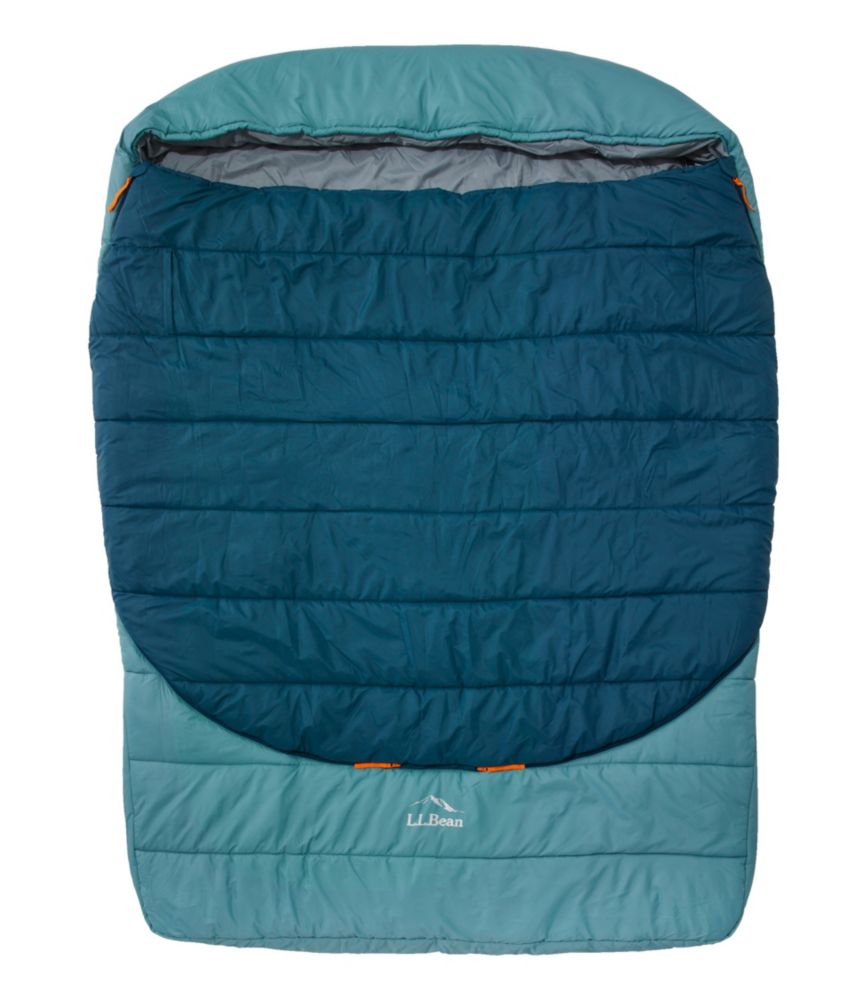
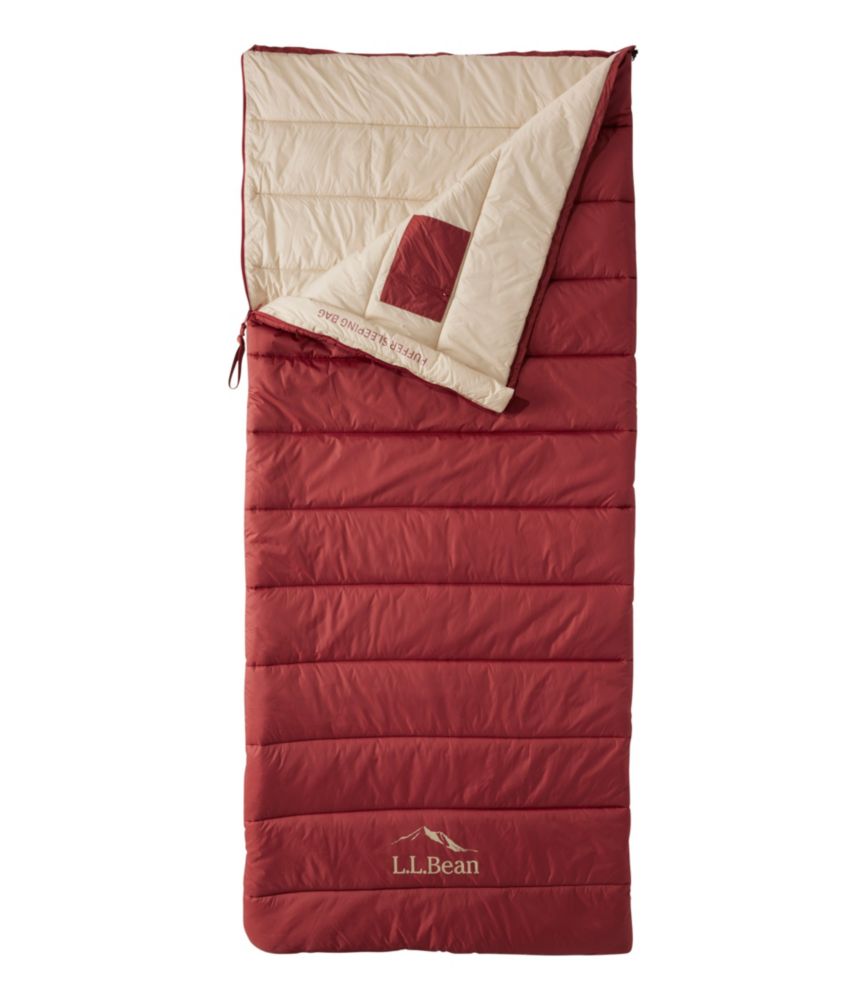
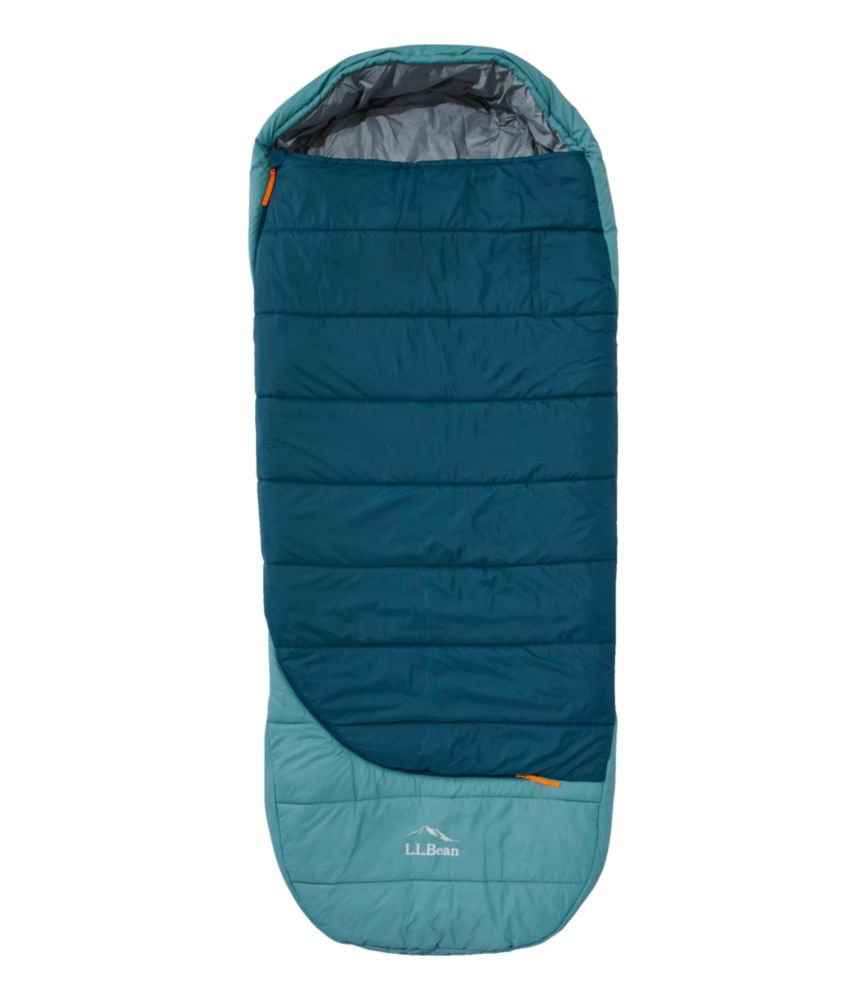
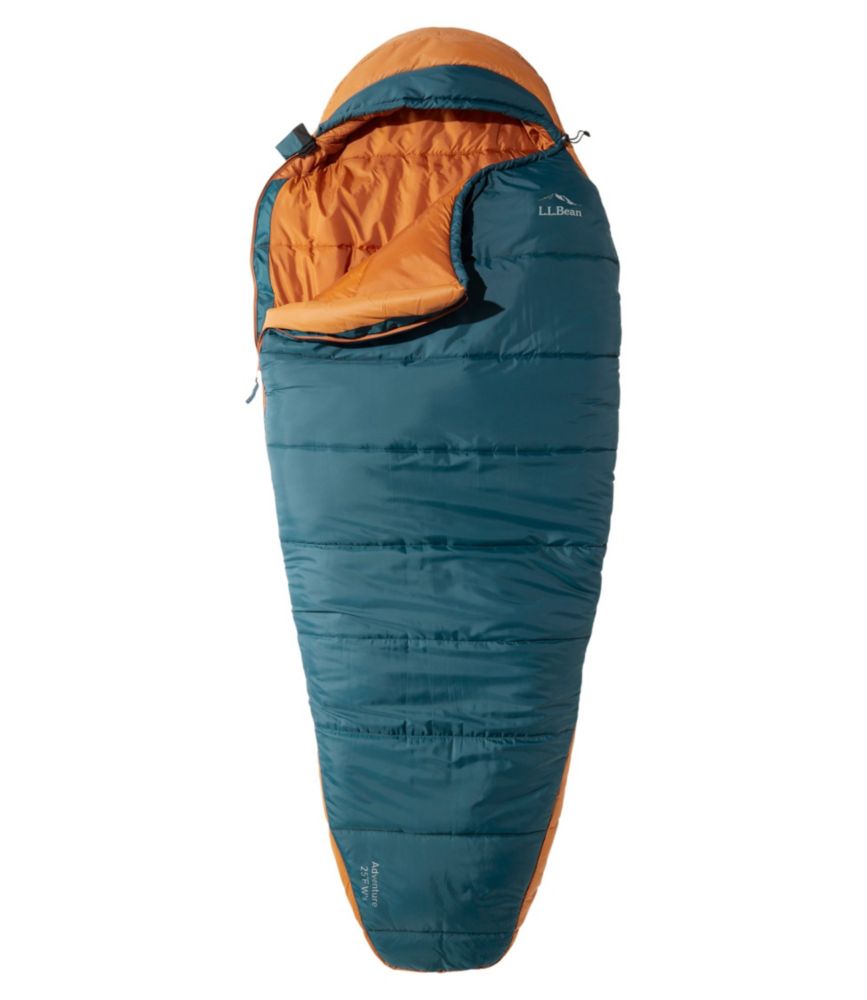
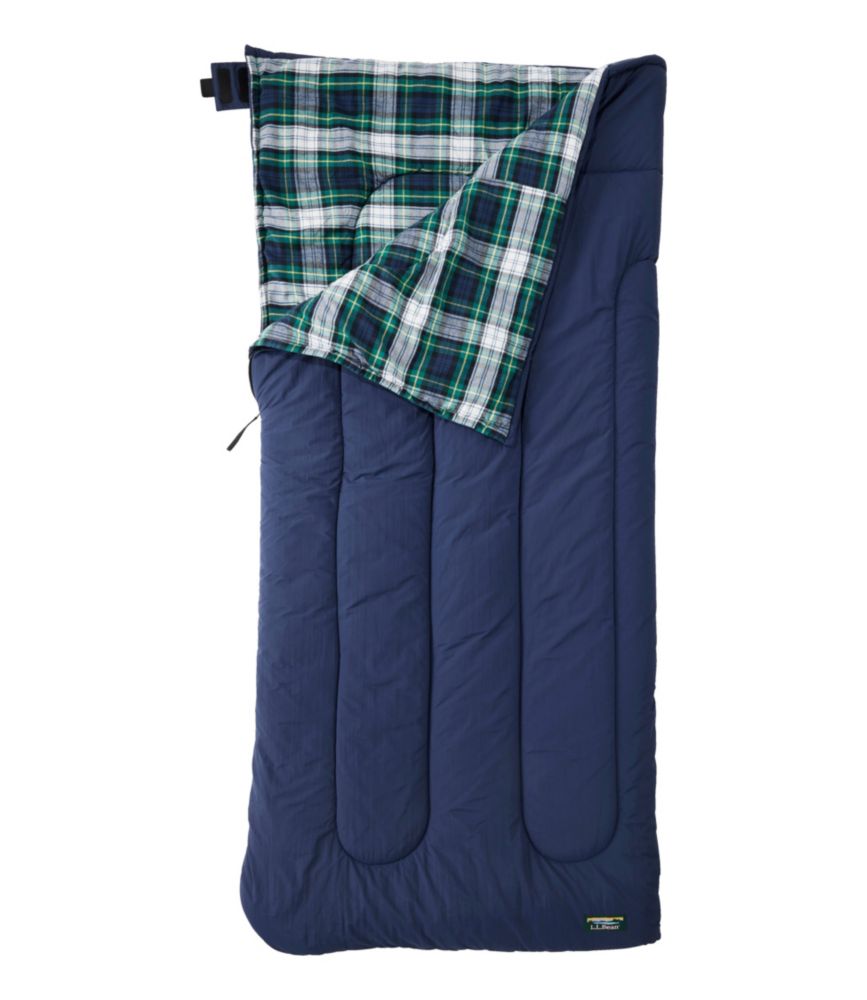
Synthetic Sleeping Bags
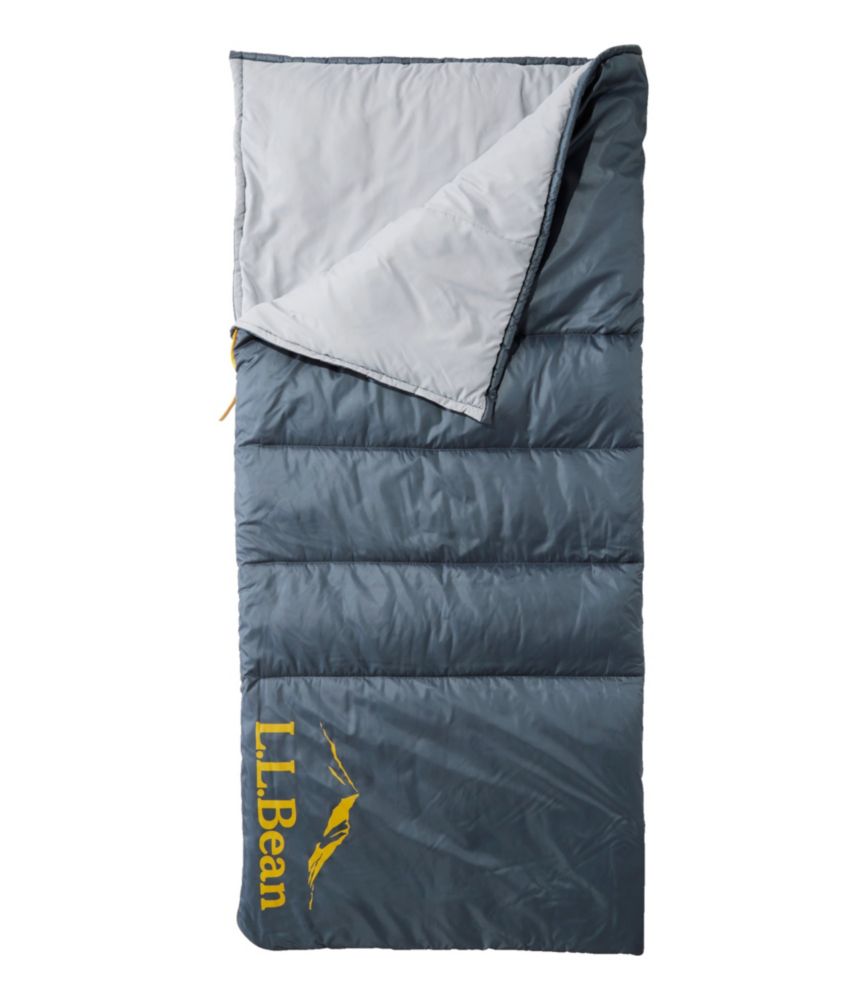
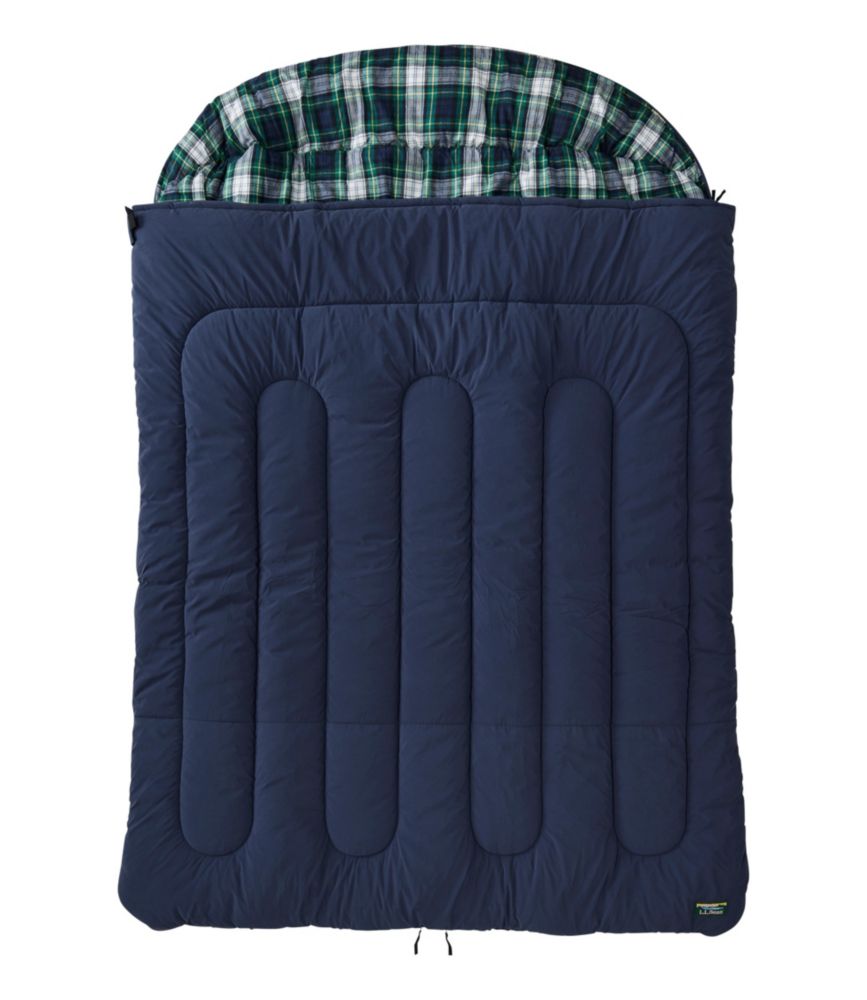
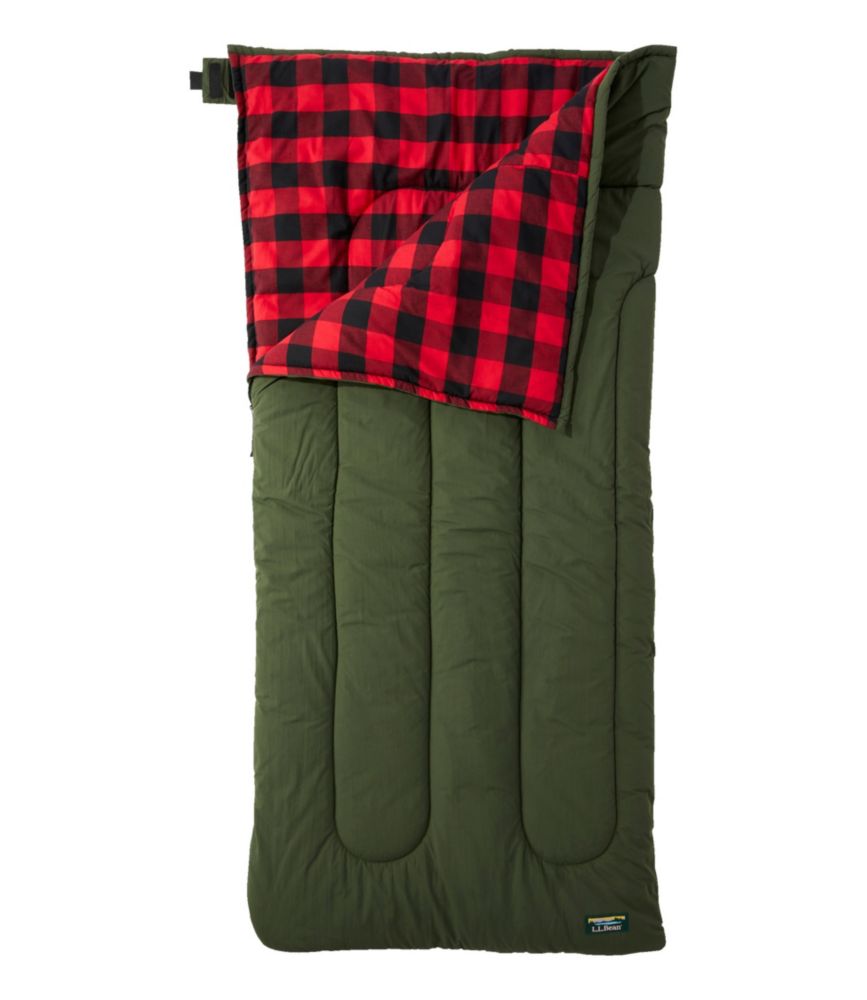
As the weather warms and outdoor plans fill the calendar, synthetic sleeping bags become a staple for everything from car camping to backcountry treks. Many outdoor enthusiasts choose them for river trips, humid nights, or any adventure where moisture is in the forecast. For those packing up for a weekend at a state park or a multi-day hike, the versatility of synthetic insulation stands out. While they might be a bit bulkier than down bags, innovations in design have made it easier than ever to find a synthetic bag that balances warmth, comfort, and packability. A classic L.L.Bean 20 degree sleeping bag, for example, offers enough insulation to keep you cozy on chilly nights without overheating as temperatures rise. Pairing your bag with a supportive L.L.Bean sleeping pad can make all the difference, adding comfort and an extra layer of insulation from the ground. And because synthetic bags are generally straightforward to care for, families can spend less time worrying about maintenance and more time enjoying the outdoors. Just remember to store your synthetic bag loosely in a breathable sack between trips to help preserve its loft and longevity—a small habit that pays off in years of comfortable camping.
Whether you’re a seasoned backpacker, a parent introducing kids to their first campout, or someone looking for a practical, easy-care option for sleepovers and road trips, synthetic sleeping bags offer a blend of comfort, value, and reliability that fits a wide range of needs. Their resilience in damp climates, hypoallergenic construction, and family-friendly durability make them a favorite choice for anyone who believes in the joy of shared outdoor experiences. For those looking to compare styles, warmth ratings, or find the right fit for their adventure, you’ll find a helpful resource at Quality Sleeping Bags, where you can explore tips and options designed to help you rest easy, wherever the journey takes you.
Synthetic sleeping bags are valued for their ability to keep you warm even if they get damp from rain or condensation. They dry relatively quickly, are durable enough for regular outdoor use, and are easy to care for—most can be washed at home. Their reliable insulation and approachable price point make them a favorite for campers of all experience levels.
To help your synthetic sleeping bag maintain its loft and insulation, store it loosely in a large, breathable storage sack or hang it in a cool, dry place. Avoid keeping it compressed in its stuff sack for long periods, as this can reduce its ability to trap warmth over time.
Synthetic sleeping bags come in a range of temperature ratings, so you can find options suitable for warm summer nights or chilly autumn adventures. For colder conditions, look for bags with extra insulation and draft protection features. Always check the temperature rating to match your destination and the season.
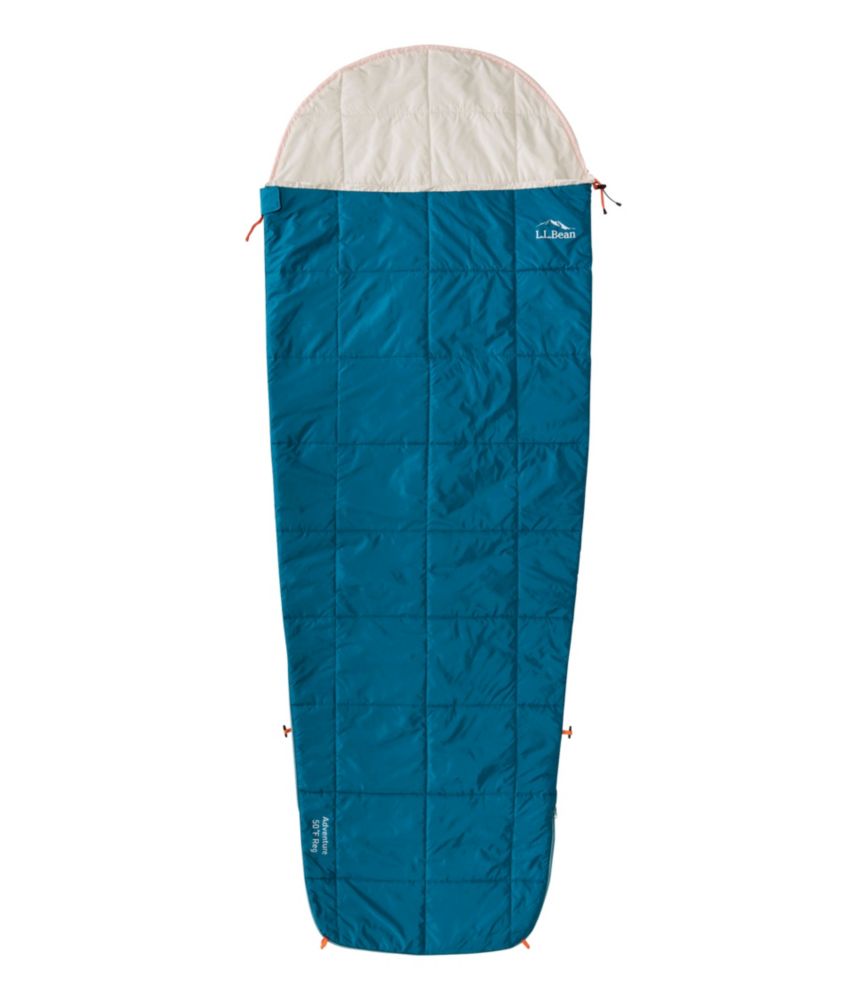
Many synthetic sleeping bags are designed with backpackers in mind, offering a balance of warmth, weight, and packability. While they may be slightly bulkier than down bags, newer models are surprisingly compact and lightweight, making them a practical choice for backpacking, especially in damp or unpredictable climates.
Most synthetic sleeping bags can be machine washed on a gentle cycle with mild detergent. It's best to use cold water and avoid fabric softeners. After washing, tumble dry on low heat with a few clean tennis balls to help restore loft. Always follow the care instructions provided with your sleeping bag for best results.