It's time to upgrade your browser

Your current browser is no longer supported on llbean.com. Please upgrade to one of the following for a smoother, safer shopping experience with us:

Sunglasses For Small Faces

Find sunglasses for small faces with proportions suited to a smaller fit. Explore frame shapes that complement your features, and compare frame width, bridge measurements and temple length to help narrow down the right size for you.
Read More
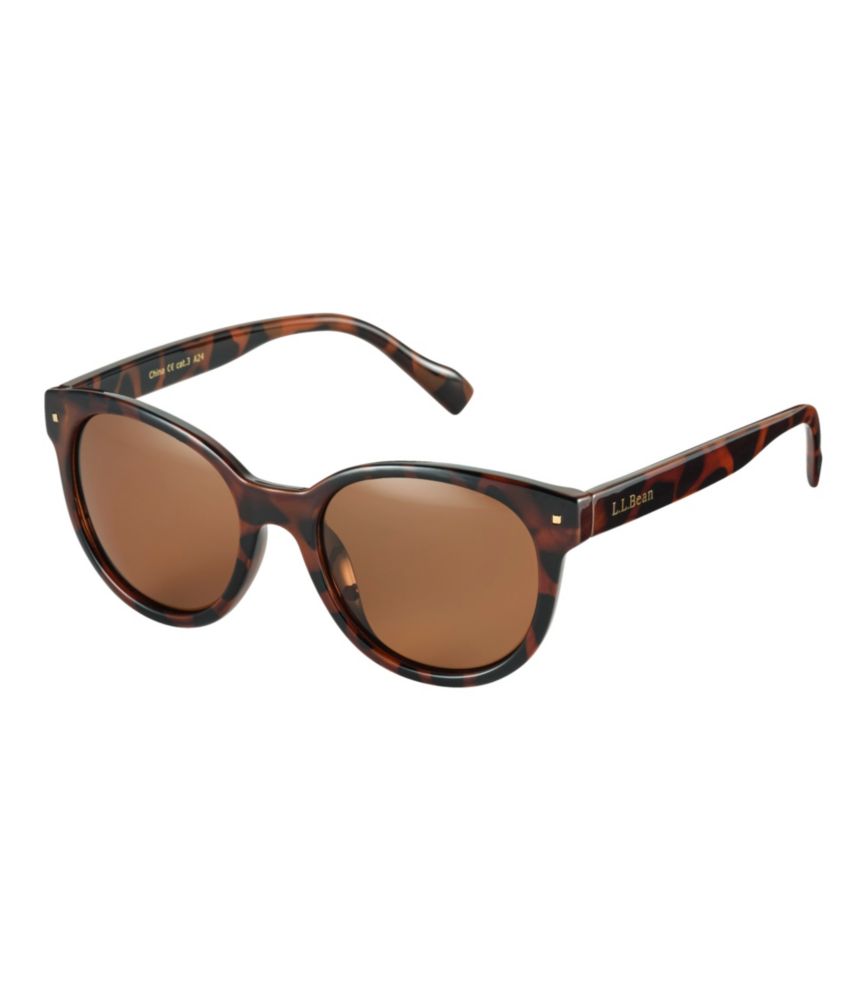
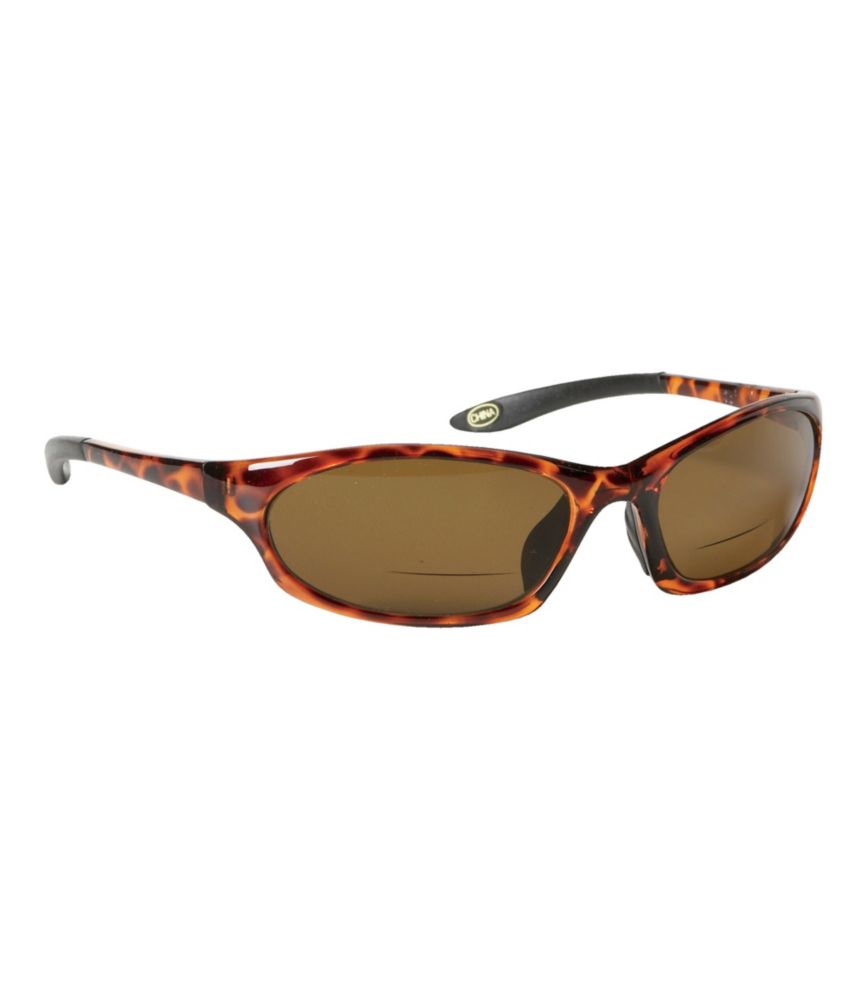
Polarized Performance Bifocals, Small
L.L.Bean Polarized Performance Bifocals, Small
A pair of tortoise sunglasses with polarized lenses and built-in 1.5x bifocal magnifier for small faces.
(265)
$89.95 $89.95
SALE
What customers like:
Effective bifocals
High quality
Stylish design
Good fit
Comfortable softness
$89.95 $89.95
SALE
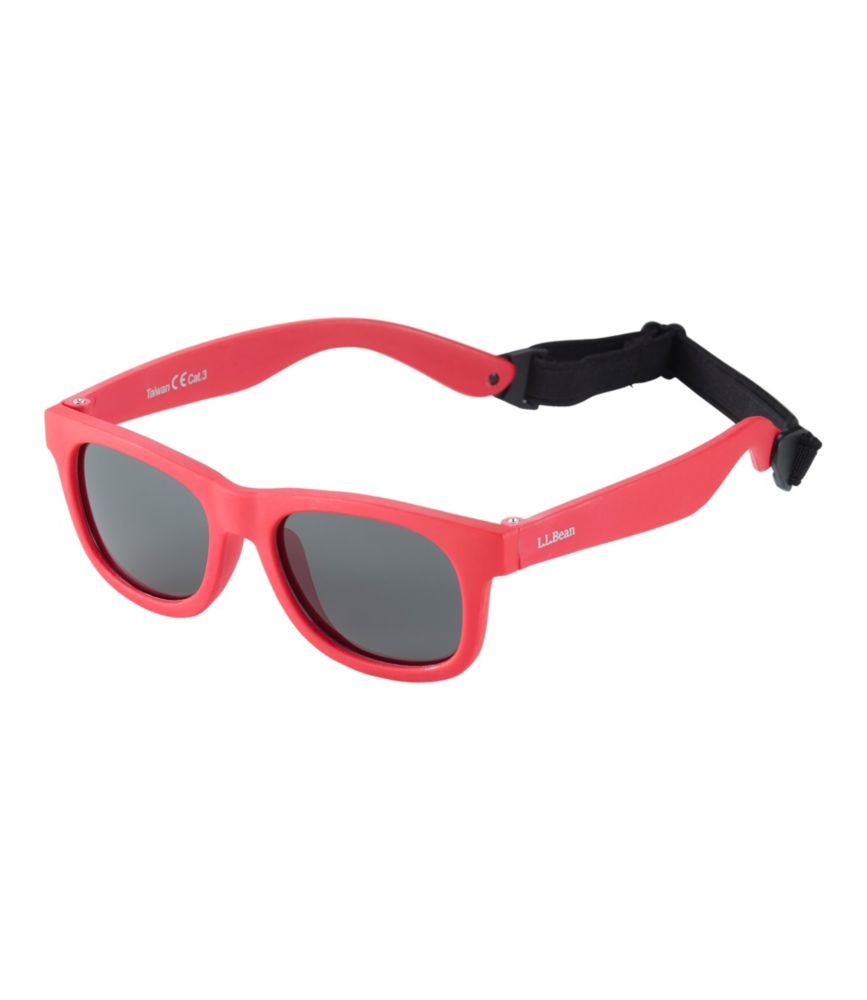
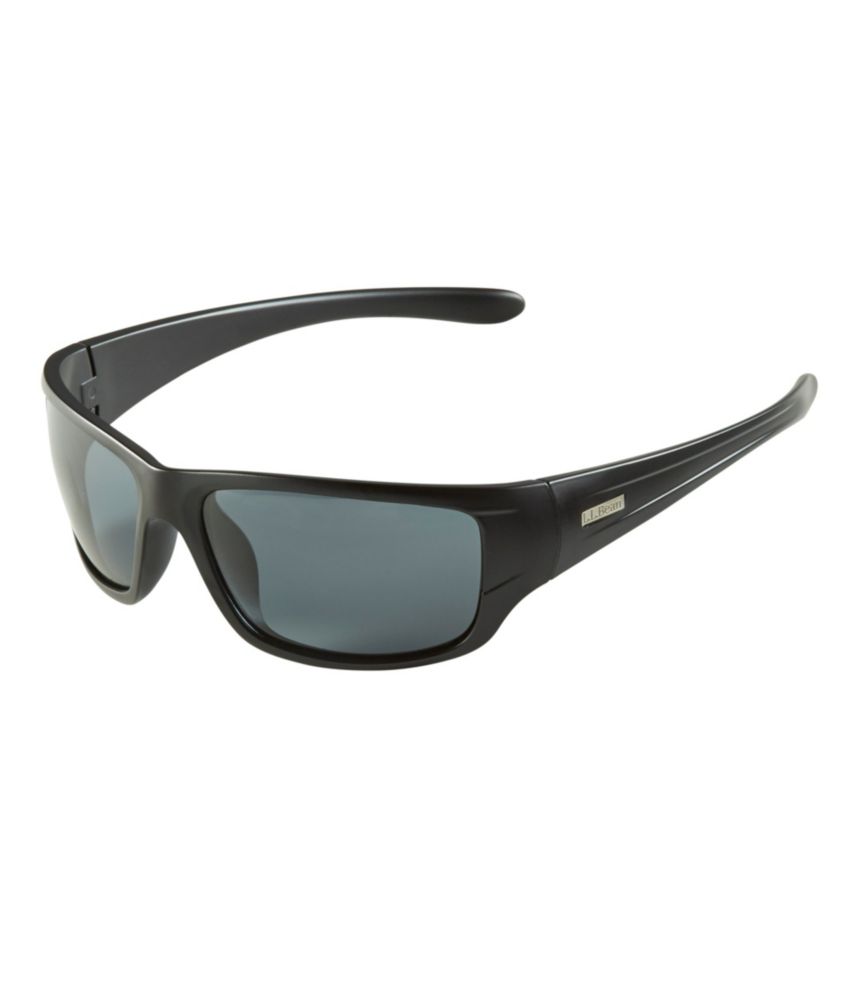
L.L.Bean Higgins Beach Polarized Sunglasses
L.L.Bean L.L.Bean Higgins Beach Polarized Sunglasses
A pair of black polarized sunglasses with lightweight recycled polycarbonate frames and scratch-resistant lenses.
(0)
$44.95 $44.95
SALE
$44.95 $44.95
SALE
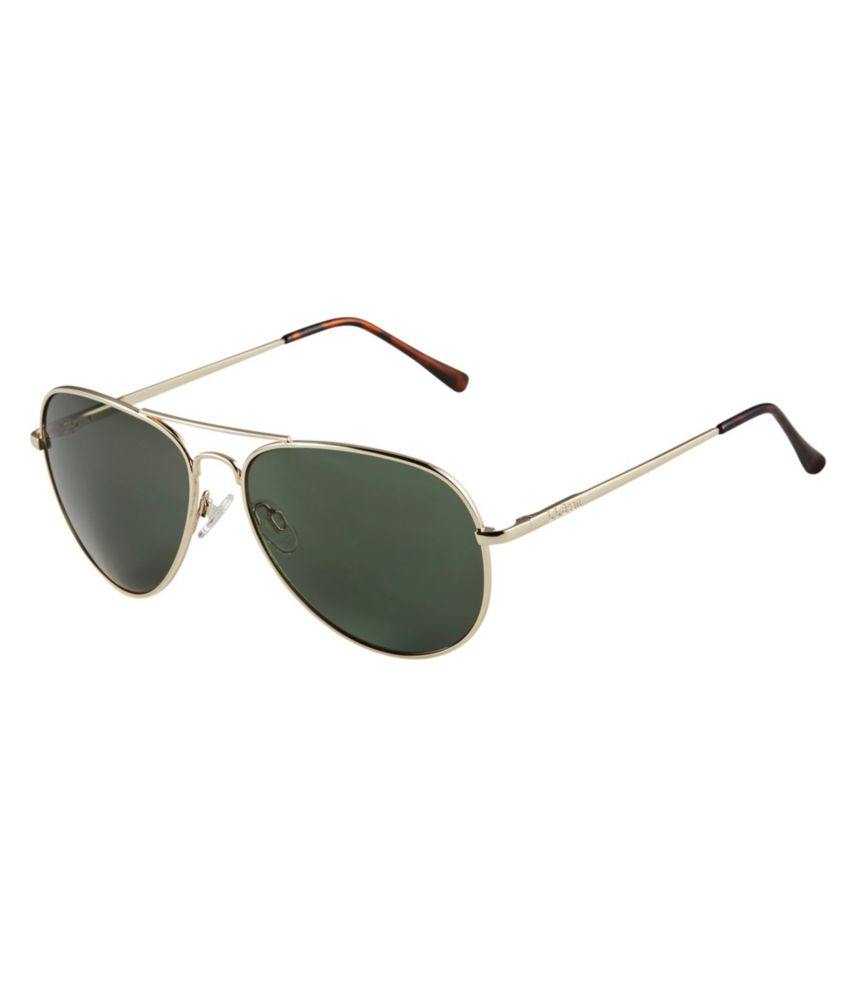
Adults' L.L.Bean Classic Aviator Polarized Sunglasses
L.L.Bean Adults' L.L.Bean Classic Aviator Polarized Sunglasses
A pair of shiny gold aviator sunglasses with polarized lenses, offering 100% UV protection and a comfortable fit.
(0)
$89.95 $89.95
SALE
$89.95 $89.95
SALE
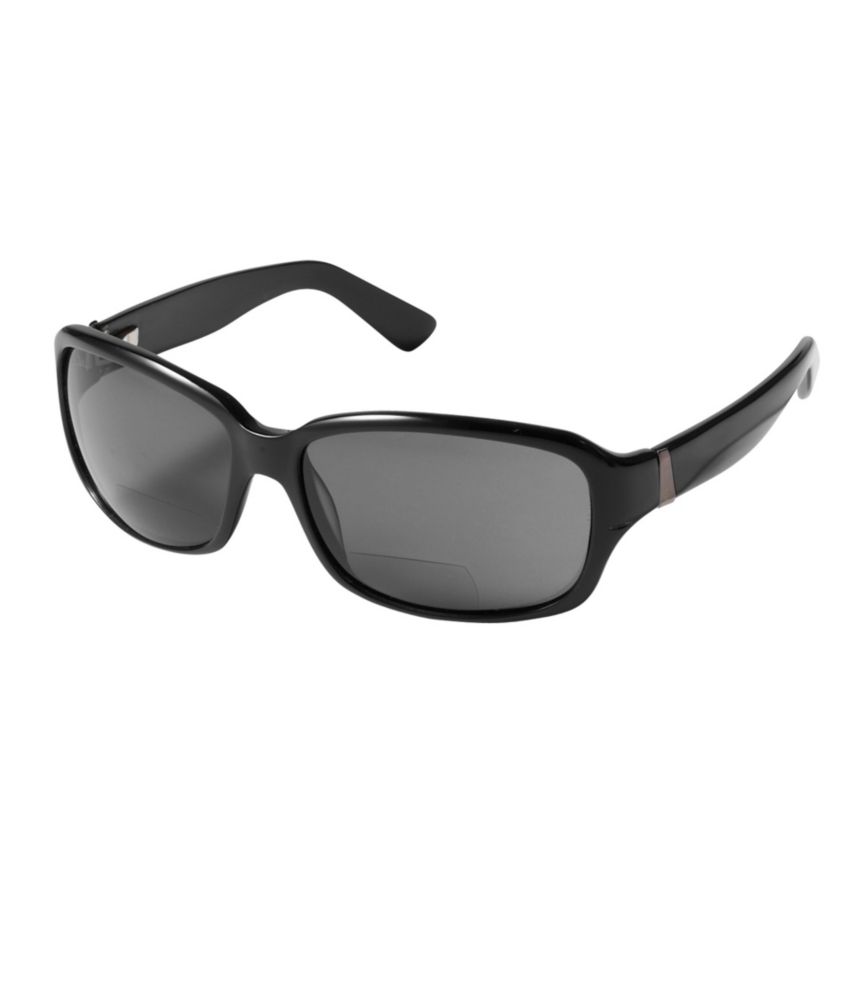
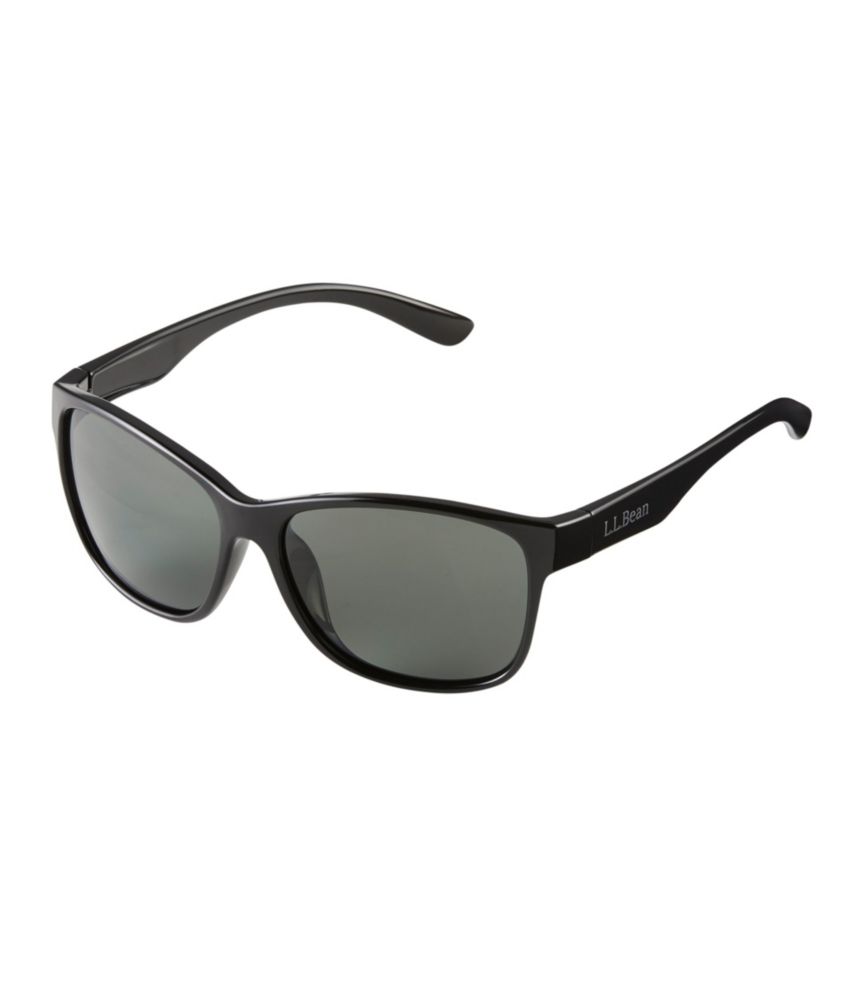
Women's L.L.Bean Rockland Polarized Sunglasses
L.L.Bean Women's L.L.Bean Rockland Polarized Sunglasses
A pair of shiny black sunglasses with polarized, scratch-resistant lenses and a lightweight nylon frame.
(84)
$89.95 $89.95
SALE
What customers like:
Attractive design
Perfect fit
Comfortable wear
Well-made frame
High-quality lenses
$89.95 $89.95
SALE
Women's L.L.Bean Kennebunkport Polarized Sunglasses
L.L.Bean Women's L.L.Bean Kennebunkport Polarized Sunglasses
A pair of elegant, lightweight sunglasses with polarized lenses and 100% UVA/UVB protection in demi brown.
(0)
$44.95 $44.95
SALE
$44.95 $44.95
SALE
Women's Polarized Bifocal Sunglasses
L.L.Bean Women's Polarized Bifocal Sunglasses
A stylish pair of women's polarized bifocal sunglasses with built-in magnifier and 100% UV protection.
(0)
$89.95 $89.95
SALE
$89.95 $89.95
SALE

Sunglasses For Small Faces

Sunglasses for small faces bring the focus to proportion: frames that complement smaller facial dimensions without overwhelming the features behind them. A smaller face may be narrow across the temples, shorter from brow to cheek, or a combination of both, so a small-fit label is a starting point rather than a complete description. Overall frame width, lens width, bridge width, and temple length each help explain how a pair will sit. Lens widths around 48–50 millimeters can be a useful starting point for comparison, but that measurement alone does not determine whether sunglasses will suit a small face. Two frames with the same lens width can have noticeably different overall dimensions because of their bridges, rims, and the way the temples attach. The proportions of a familiar, well-fitting pair often provide more useful context than a size label by itself. Measurements printed inside a temple commonly identify lens width, bridge width, and temple length in millimeters; total frame width, when listed separately, adds another helpful point of reference. The result is a clearer picture of size before personal style enters the decision. Someone with a narrow face and a higher bridge may prefer different proportions from someone whose face is equally narrow but whose bridge is lower. Likewise, a shorter face may call for attention to lens height as much as frame width. Sunglasses that extend far beyond the sides of the face can look oversized even when the lenses themselves seem relatively small. A deeper frame may sit close to the cheeks, while a shallower shape creates a different balance between brows, eyes, and cheekbones. Small faces are not all alike, and sunglasses for smaller proportions need not share one look. The most relevant distinctions are the frame’s actual dimensions and how its shape relates to the individual wearing it, rather than a rigid rule about what every petite face should wear.

Style offers plenty of room for personal preference within those smaller proportions. Rounded outlines introduce curves, angular shapes create more defined lines, and frames with a subtle lift at the outer corners draw attention toward the brows. These are visual differences, not rules about which face shapes belong in which sunglasses. A person who likes a crisp, straight brow line may find that detail more important than whether a frame is described as round or square. Another may prefer a softly curved lower rim that echoes the contours of the cheeks. Frame thickness also changes the impression: a substantial outline makes the sunglasses a more noticeable part of an outfit, while a finer outline leaves more of the face visible. Neither approach requires a larger overall frame. An expressive look can come from a distinctive silhouette rather than extra width, which is especially helpful when oversized styling tends to hide smaller features. Color adds another layer of choice. Dark outlines create a clear contrast around the eyes, while lighter or translucent tones can give the same shape a less pronounced appearance. Patterned frames introduce visual texture, and understated solid colors keep the emphasis on the silhouette. The relationship between sunglasses and a wardrobe can be just as personal as the relationship between sunglasses and facial proportions. Someone drawn to simple shirts, familiar denim, and uncomplicated accessories may favor an equally straightforward frame. Someone who enjoys a distinctive accessory may prefer a stronger brow line or a more sculpted shape. Neither choice needs to follow a passing trend. For shoppers comparing styles across categories, women’s sunglasses offer another point of comparison, with individual measurements remaining more useful than the category name for understanding size. A women’s designation does not automatically mean a narrow fit, just as a small frame does not belong to only one style or audience. Keeping those distinctions separate makes it easier to appreciate the look of a pair without losing sight of its proportions.

Fit becomes most meaningful in the small details of wearing sunglasses. The bridge should rest without a pronounced pinch, the temples should not press tightly against the sides of the head, and the frame should not need repeated repositioning simply to sit where expected. Those observations matter more than whether a particular number falls within a suggested small-size range. A frame can be narrow enough across the front yet have temples that feel too short; another can have an appealing lens shape but a bridge that does not match the wearer’s features. Cheek contact is another useful distinction, especially when a smile lifts the cheeks toward the lower rims. Eyelash clearance and the position of the top edge relative to the brows can also change how a pair feels and looks. Comparing those details with a familiar pair gives the dimensions a practical meaning beyond the numbers on a product page. Construction, materials, care requirements, and durability information belong in that comparison at the individual-frame level rather than being assumed from a small-fit description. Product details can clarify what a particular frame is made from, how its sizing is described, and which cleaning and storage directions apply. Following those specific directions avoids treating every frame and lens finish as though they need identical care. For a gift, the recipient’s existing sunglasses can provide helpful clues about both measurements and taste: a favorite shape, a preferred frame color, or a temple length that already fits well. Smaller facial proportions alone do not reveal whether someone likes a bold outline or a barely noticeable one. A thoughtful choice considers those preferences alongside size, without assuming that an adult with a small face should simply choose children’s frames. Sunglasses for small faces are ultimately about finding the right scale without giving up individual expression. Clear measurements, considered proportions, and a style that feels familiar to the wearer make a more useful foundation than a universal promise of the perfect fit.
Read More

FAQs