It's time to upgrade your browser

Your current browser is no longer supported on llbean.com. Please upgrade to one of the following for a smoother, safer shopping experience with us:

Youth Sunglasses

Find youth sunglasses with your child's size and style in mind. Browse the selection and compare available sizing and fit details on each product page to help choose the right pair.
Read More
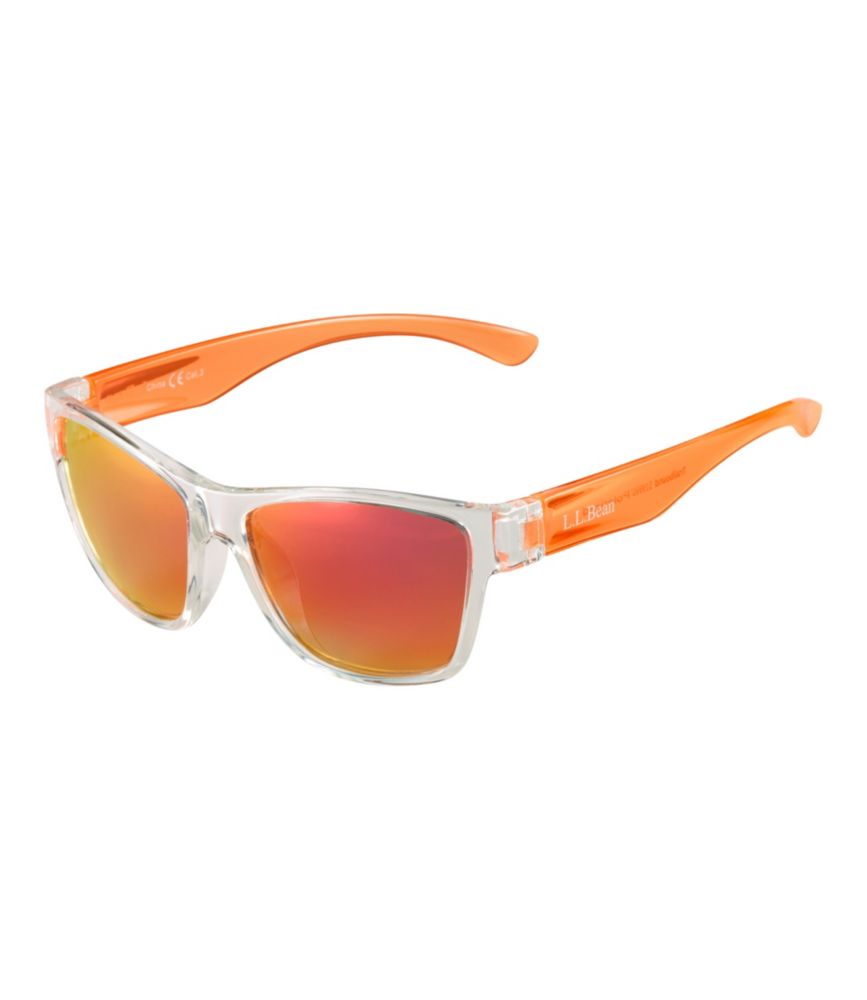
Kids' L.L.Bean Trailbound Polarized Sunglasses
L.L.Bean Kids' L.L.Bean Trailbound Polarized Sunglasses
A pair of shiny crystal and orange sunglasses offering polarized lenses and 100% UV protection for kids.
(0)
$22.95 $22.95
SALE
$22.95 $22.95
SALE
Kids' L.L.Bean Southside Child Polarized Sunglasses
L.L.Bean Kids' L.L.Bean Southside Child Polarized Sunglasses
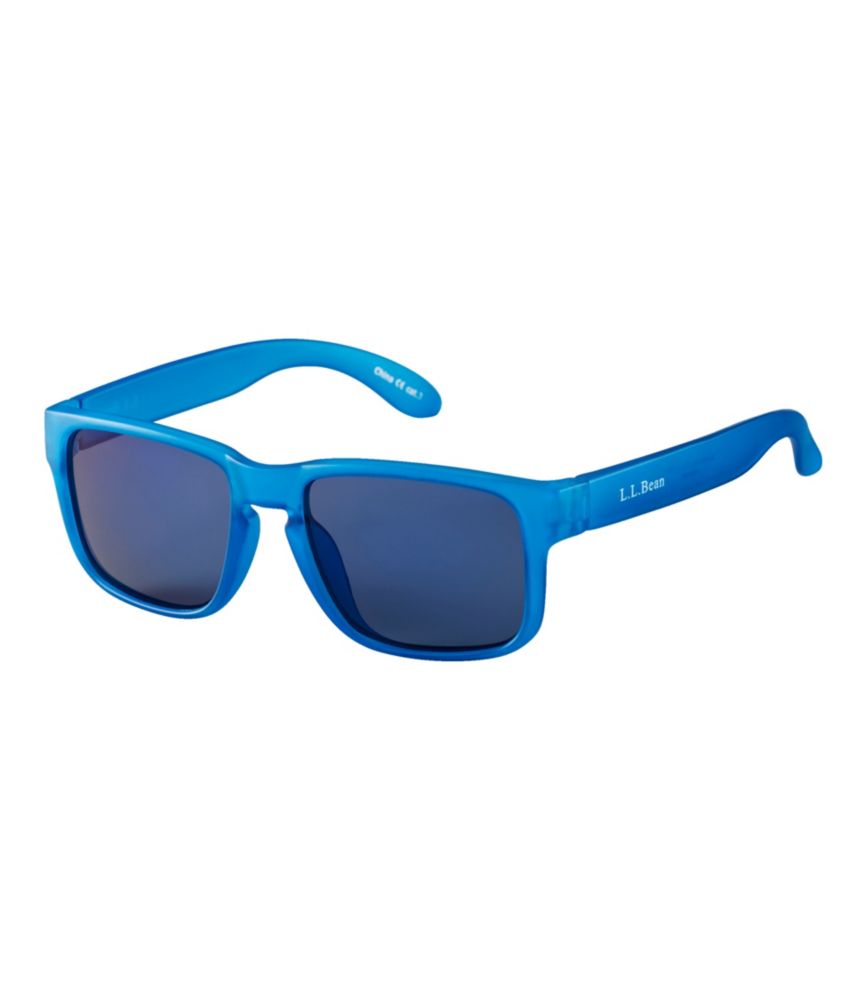
A pair of crystal blue polarized sunglasses offering 100% UVA/UVB protection for kids ages 5 to 7.
(0)
$22.95 $22.95
SALE
$22.95 $22.95
SALE
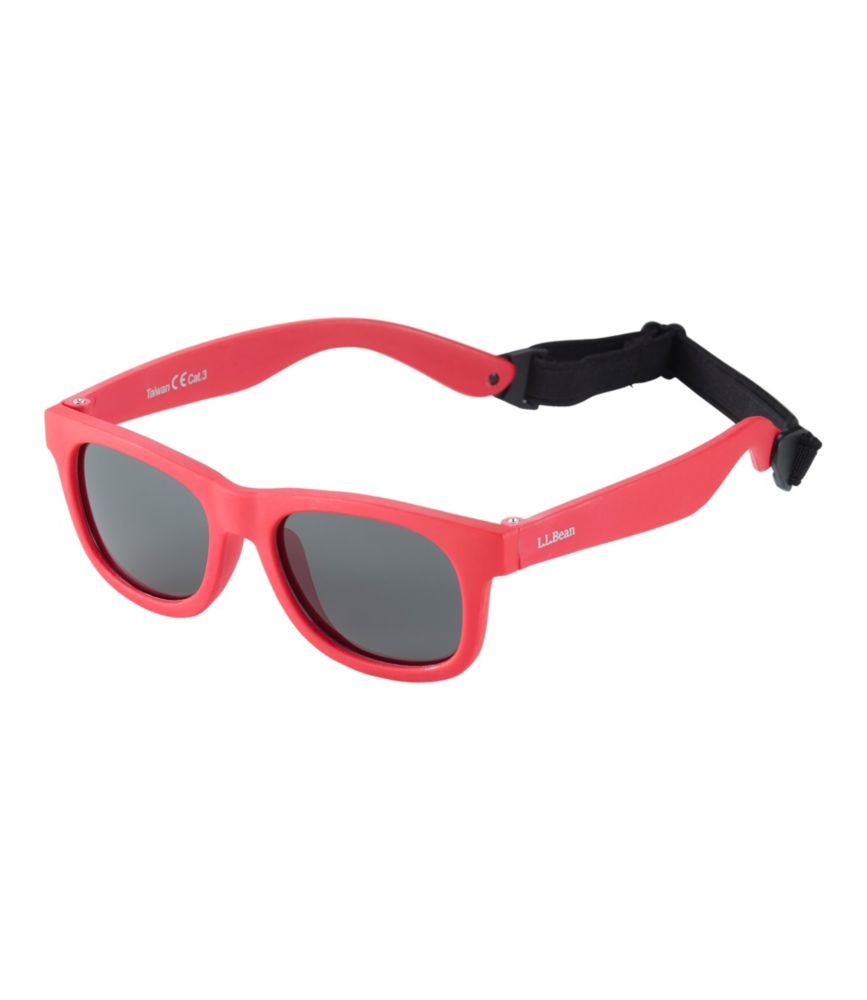
Toddlers' L.L.Bean Trail Polarized Sunglasses
L.L.Bean Toddlers' L.L.Bean Trail Polarized Sunglasses
A pair of durable, matte red toddler sunglasses with polarized lenses and an adjustable strap for secure fit.
(25)
$22.95 $22.95
SALE
What customers like:
Ideal for toddlers
Kids enjoy wearing them
Secure elastic strap
$22.95 $22.95
SALE
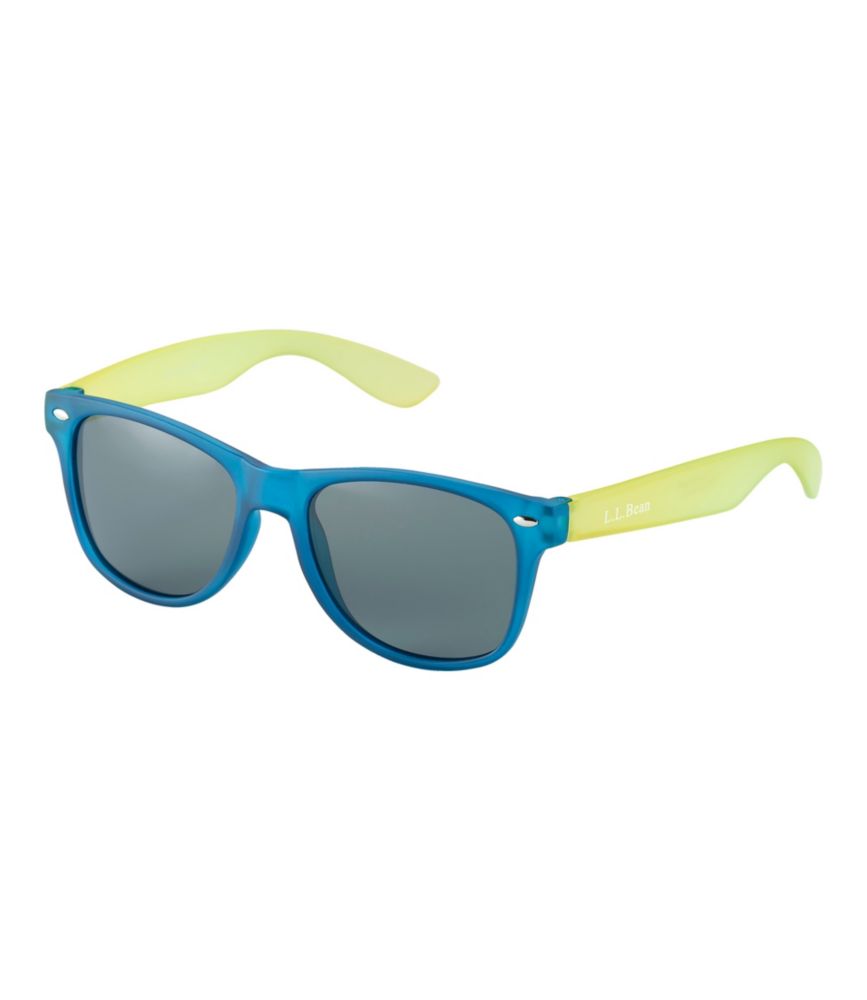
Kids' L.L.Bean C-Jay Polarized Sunglasses
L.L.Bean Kids' L.L.Bean C-Jay Polarized Sunglasses
A pair of two-tone polarized sunglasses for kids aged 4-8, blocking 100% UV light with durable polycarbonate frames.
(0)
$22.95 $22.95
SALE
$22.95 $22.95
SALE
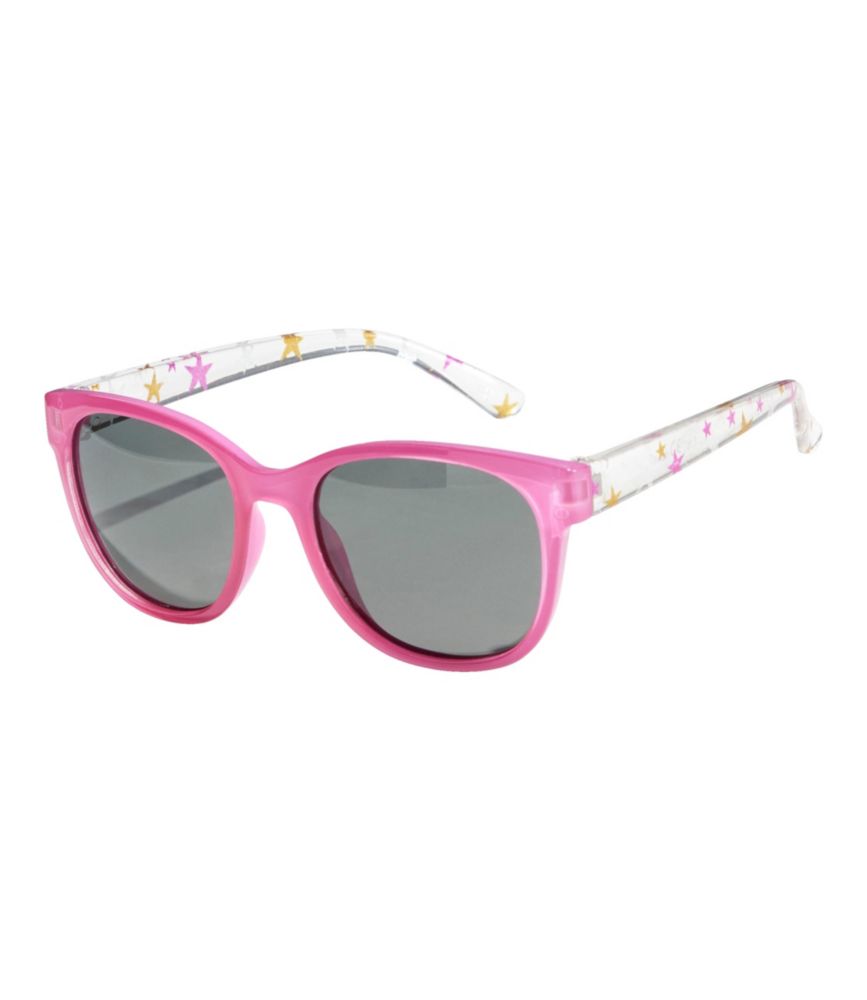
Kids' L.L.Bean Bayside Polarized Sunglasses
L.L.Bean Kids' L.L.Bean Bayside Polarized Sunglasses
A pair of shiny pink kids' sunglasses with polarized lenses and 100% UVA/UVB protection.
(0)
$22.95 $22.95
SALE
$22.95 $22.95
SALE

Youth Sunglasses

Youth sunglasses bring a familiar accessory into a young person’s developing sense of style, making the choice as much about individual preference as appearance. Some children gravitate toward a simple, understated look, while others enjoy a frame that adds a little personality to whatever they are wearing. Giving them a say in the decision can make the selection feel like their own, whether they are choosing a first pair or replacing one they have outgrown. A useful starting point is the shape and proportion of eyewear they already like: a rounded outline, a more angular profile, or something in between. Frame color can be another way to narrow the search, especially for a child who already has a favorite shade or prefers accessories that coordinate with several outfits. There is no need for sunglasses to match every jacket or shirt; a style that feels familiar to the wearer is often a more meaningful choice than a perfectly coordinated set. Youth sizing deserves its own attention, too. The word “youth” describes a broad group rather than one universal size, and children of the same age can have different facial proportions. Age recommendations can offer a starting point, but listed dimensions and a careful fit check provide more individual guidance. Compare any measurements given with a pair that already fits, taking care to compare the same measurement rather than treating every number as overall frame width. Looking at the front of the frame alone does not tell the whole story, since the bridge and the arms also affect how a pair sits. As the weather turns cooler and familiar layers come back into rotation, personal taste may change, but the central considerations stay straightforward: an appropriate size, a pleasing shape, and a style the young wearer has helped choose.

Fit is worth considering separately from style when browsing youth sunglasses. A frame can look right in a photograph yet feel different once it is on, so measurements and the wearer’s feedback both matter. During a fit check, look for a level position across the face, with the bridge resting without obvious gaps or pinching and the arms sitting without pressing against the sides of the head. Ask the child where they notice pressure rather than relying only on how the sunglasses look from the front. Younger wearers may describe an uncomfortable spot simply as “tight” or “funny,” so a little patience can help identify whether the issue is at the nose, the temples, or behind the ears. Check whether the frame touches the cheeks when the child smiles and whether the eyelashes brush the lenses. Ordinary movements, such as looking down and turning the head, can reveal a fit issue that is less apparent while standing still. Choosing a substantially larger size to leave room for growth can create a poor fit in the meantime; reassessing size as a child grows is a more practical approach. If the wearer also uses prescription eyeglasses, seek advice from an eye care professional about appropriate eyewear options rather than assuming any pair will work alongside them. For gift giving, these personal details are especially useful. A parent or caregiver may know the recipient’s measurements, fit preferences, and favorite frame shape, while the child can offer a clear opinion about appearance. A gift does not have to be a complete surprise to feel thoughtful. Inviting a young person to help choose can be part of the occasion, especially when it gives them an opportunity to explain what they like. For a separate eyewear category, explore Running Sunglasses; keep the individual wearer’s sizing needs central to any comparison rather than assuming different categories fit alike.

Caring for youth sunglasses begins with a few clear habits and the instructions supplied with the pair. Follow the recommended cleaning method instead of assuming that a household cleaner, paper towel, or shirt hem is appropriate. Cleaning requirements can differ, so checking those directions before the first cleaning is a useful step for both children and caregivers. An adult can demonstrate the process, then let the child take part as appropriate, keeping the routine simple enough to remember. Handling the frame with both hands when putting sunglasses on or taking them off is another habit worth practicing. When they are not being worn, give them a consistent place to go rather than leaving them loose among other belongings. A designated spot near the family’s usual gathering place can make the routine easier to remember: the child takes them from that spot and returns them there afterward. If a case is used, check that it accommodates the frame without forcing the arms or pressing on the lenses. Storage is also a good opportunity to notice changes in condition. Look over the frame, lenses, and hinges periodically, and have a loose, bent, or damaged pair assessed rather than asking a child to keep adjusting it. Durability should be evaluated from the information provided for the particular pair, not inferred from a sporty appearance, a thicker-looking frame, or a youth label. The same careful approach applies when deciding whether sunglasses meet the requirements of an organized activity; check those requirements separately rather than treating the category name as evidence of suitability. As children become more independent, responsibility for their belongings can develop in small, manageable steps, from remembering where sunglasses belong to telling an adult when something no longer feels right. Siblings may have quite different preferences and proportions, even when they share other accessories, so each wearer deserves an individual fit check. Choosing youth sunglasses is ultimately a personal process, grounded in clear sizing information, attention to condition, and a young person’s own response to the way a pair looks and feels.
Read More

FAQs