It's time to upgrade your browser

Your current browser is no longer supported on llbean.com. Please upgrade to one of the following for a smoother, safer shopping experience with us:

Spring Gowns

Explore spring gowns to find a style that feels like you for the season ahead. Compare the available designs and review each gown’s sizing, fit and care details to help choose the one that’s right for you.
Read More
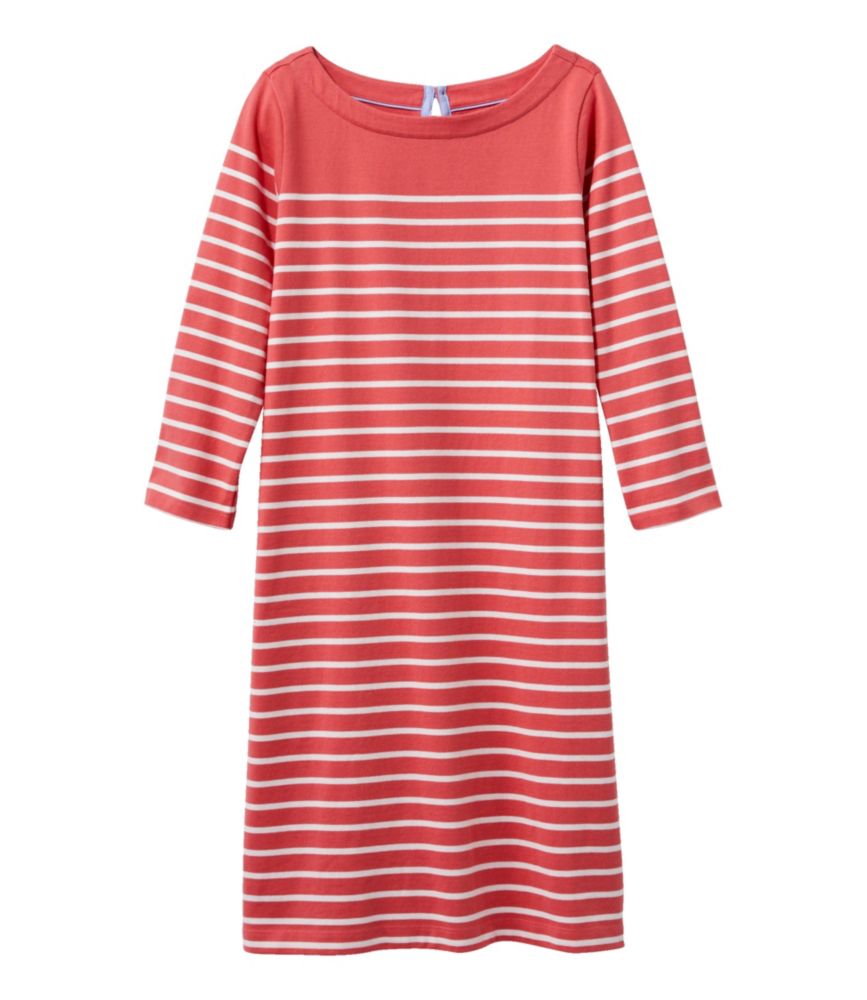
Women's Heritage Mariner Dress, Stripe
L.L.Bean Women's Heritage Mariner Dress, Stripe
A pink, soft cotton jersey dress with nautical stripes, boatneck styling, pockets and three-quarter sleeves.
(0)
$79 $30.99
SALE
$79 $30.99
SALE
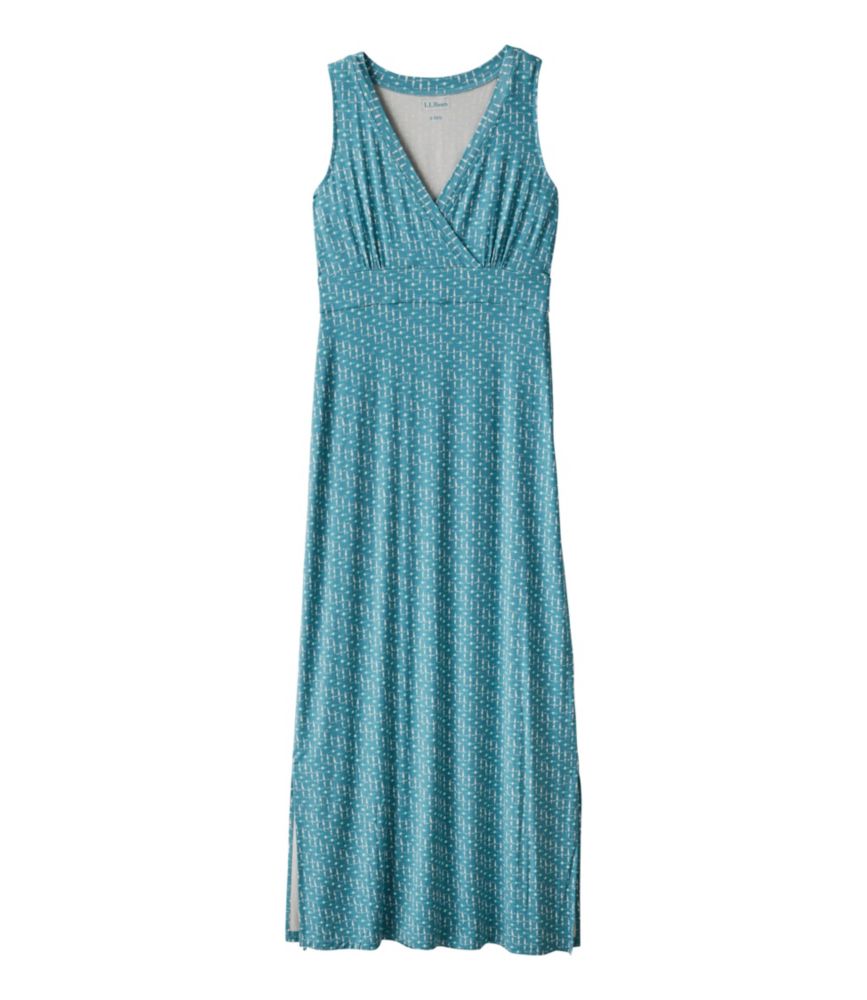
Women's Summer Knit Maxi Dress, Print
L.L.Bean Women's Summer Knit Maxi Dress, Print
A blue printed maxi dress in soft, stretchy rayon jersey with a flattering fit-and-flare silhouette.
(0)
$69 $33.99
SALE
$69 $33.99
SALE
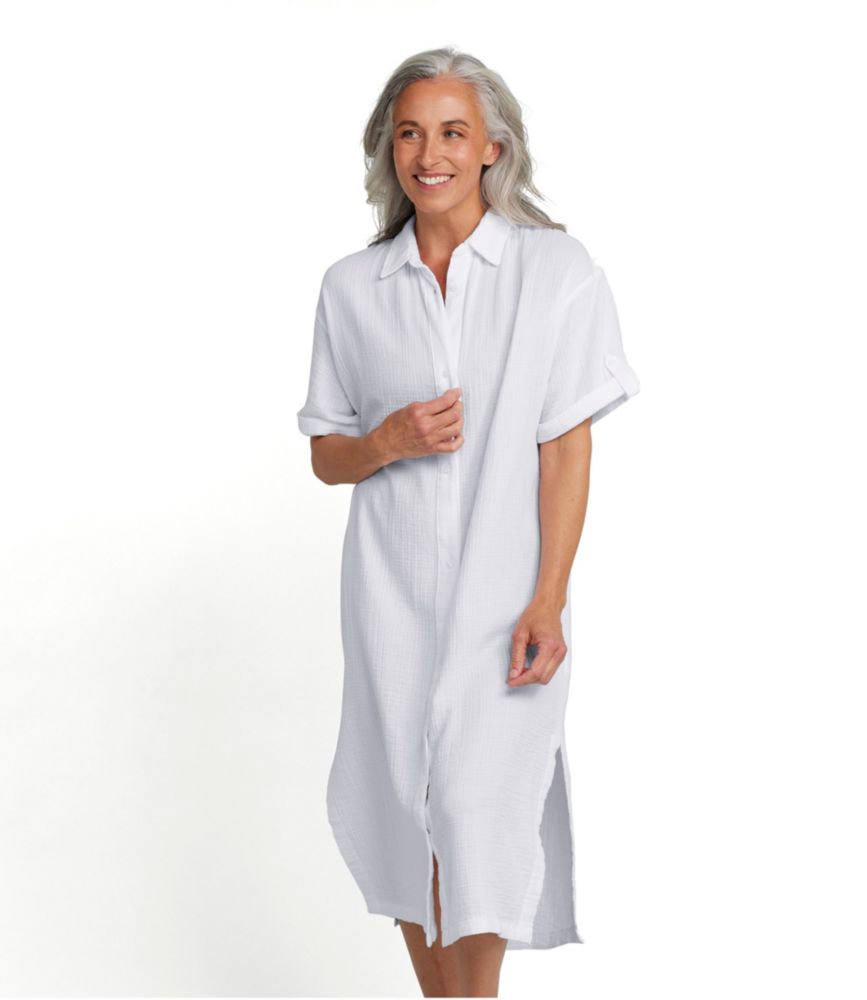
Women's Cloud Gauze Midi Dress
L.L.Bean Women's Cloud Gauze Midi Dress
A breezy white cover-up in lightweight crinkled cotton gauze with relaxed midi silhouette and side slits.
(0)
$79 $34.99
SALE
$79 $34.99
SALE

Spring Gowns

Spring gowns bring a seasonal point of view to one of the most familiar wardrobe pieces: the dress. Color, silhouette and detail all contribute to that impression, and each deserves a little attention when comparing styles. For some shoppers, spring means pale shades reminiscent of blossoms and new leaves; for others, it means a clearer, stronger color or a print with a botanical influence. Neither approach needs to feel elaborate. A single color can give the outline of a gown more prominence, while a patterned design makes the placement and scale of the print part of the overall look. Small, closely spaced motifs create a different visual effect from large flowers with more space between them. The same is true of contrast: a print with similar shades reads differently from one with distinct light and dark areas. Looking at the full garment, rather than only a close-up, helps put those details in perspective. Length is another important part of the picture. The word gown often suggests a longer dress, but the listed length and photographs provide a more useful reference than the name alone. A clearly defined waist, a straighter outline or a skirt with a broader shape can each change the proportions of the finished look. Your own preferences are the best starting point. A familiar neckline or sleeve shape may matter more than a decorative detail that first catches your eye. Spring style can be expressed through a restrained color choice just as readily as through a prominent floral pattern. The goal is not to assemble every seasonal detail in one outfit, but to find a combination that feels considered and recognizably yours. Thinking about the clothes you already enjoy wearing can make that choice more grounded: recurring colors, preferred lengths and favorite proportions often reveal more than a passing impression from a photograph.

Fit deserves the same attention as appearance when choosing spring gowns, particularly because a longer silhouette makes the relationship between the upper body, waist and hem easy to notice. A size designation is only a starting point; the accompanying size chart, garment measurements and fit description provide the context needed for comparison. Your usual dress size may not tell the whole story, and a photograph cannot establish where a waist seam or neckline will sit on you. Comparing the stated dimensions with your measurements gives those details a clearer frame of reference. It also helps to distinguish body measurements from garment measurements, since they describe different things. When length is listed, the measuring point matters as much as the number itself. Height alone does not account for every difference in proportion, so details about the bodice and waist placement can be useful alongside overall length. Consider the shape as a whole rather than treating each measurement as a separate decision. A neckline draws attention to the upper portion of a dress, sleeves change its outline, and the position of the waist influences the balance between bodice and skirt. These are visual and fit considerations, not rules about which bodies should wear which styles. Personal preference belongs at the center of the choice. Some people favor a more defined outline; others prefer less emphasis at the waist. Product photographs from the front, side and back can help clarify the design, especially when a detail is not obvious in the main image. Closures, seams and any listed adjustments are also worth reviewing rather than assuming how a gown is arranged. The shoes you plan to pair with a longer dress provide another reference for assessing the stated hem length. Taken together, these details make comparison more meaningful than relying on a size label or an appealing image alone, while leaving room for the individual tastes that make an outfit feel personal.

Materials, construction and care information add another layer to the selection process, even when two spring gowns appear similar at first glance. The product description and care label are the right places to confirm those details; color and photography alone do not establish fabric composition or cleaning requirements. Reading that information alongside the fit notes gives a more complete picture of the garment without making assumptions about how it will feel or perform. Construction details deserve attention, too. Seams, closures, lining information and decorative elements, when listed or pictured, help explain how a design is put together. They are useful points of comparison, but they should not be treated as a promise of durability based on appearance alone. Care requirements are part of the decision from the beginning, not something to discover after choosing a dress. A garment’s stated cleaning and storage instructions can help you decide whether its care routine fits your preferences. Those instructions should remain the reference after purchase, particularly when the design includes details that need individual attention. Color is another way to narrow a broad selection without losing sight of those practical considerations. If green is a shade you return to, browsing green spring dresses offers a related starting point for comparing that color direction. Green can recall the varied shades of spring foliage, from a pale leaf to a deeper botanical tone, while its effect in an outfit depends on the particular shade and surrounding colors. A patterned design that includes green presents a different visual choice from a dress centered on one color. Looking at those distinctions alongside neckline, length and waist placement keeps the comparison focused on the whole garment. Accessories already in your wardrobe can provide useful color references without becoming the deciding factor. The most considered choice brings appearance, fit information and care expectations together, allowing a spring gown to reflect your preferences rather than a fixed idea of what seasonal dressing should look like.
Read More

FAQs