It's time to upgrade your browser

Your current browser is no longer supported on llbean.com. Please upgrade to one of the following for a smoother, safer shopping experience with us:

Spoon Shaped Sleeping Bags

Explore spoon shaped sleeping bags with a contoured profile that offers an alternative to traditional rectangular and mummy shapes. Compare each bag’s listed dimensions, sizing and product details to find the option that best matches your preferences.
Read More
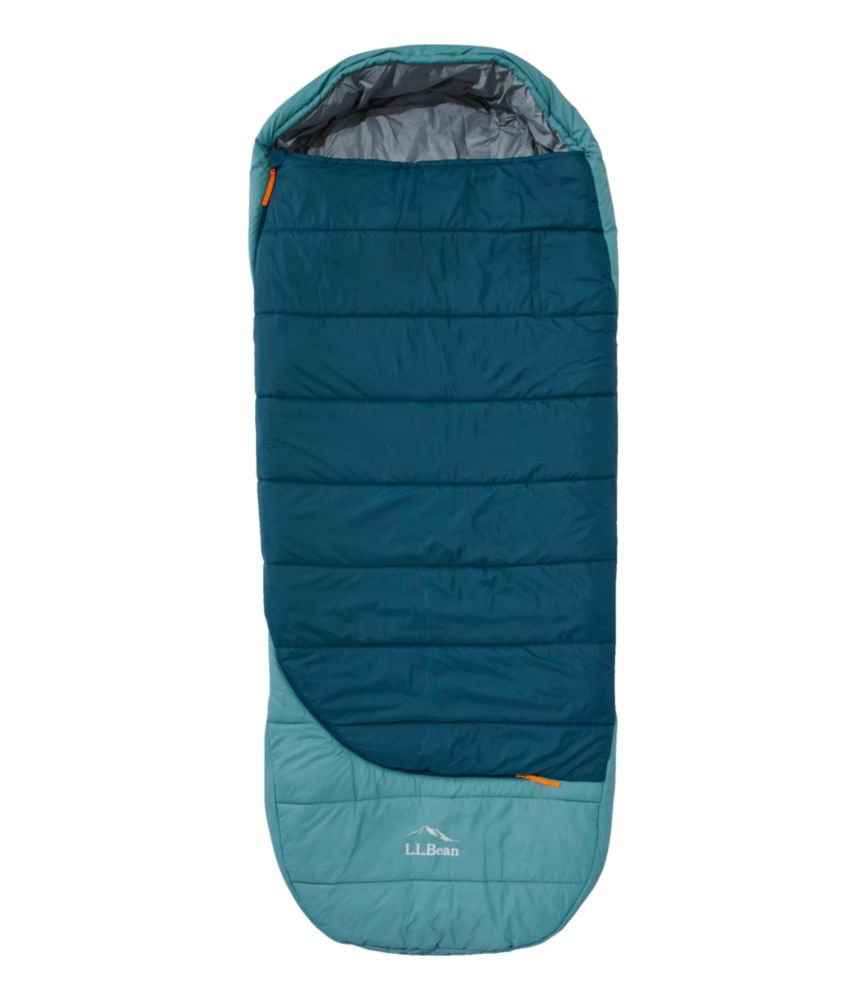
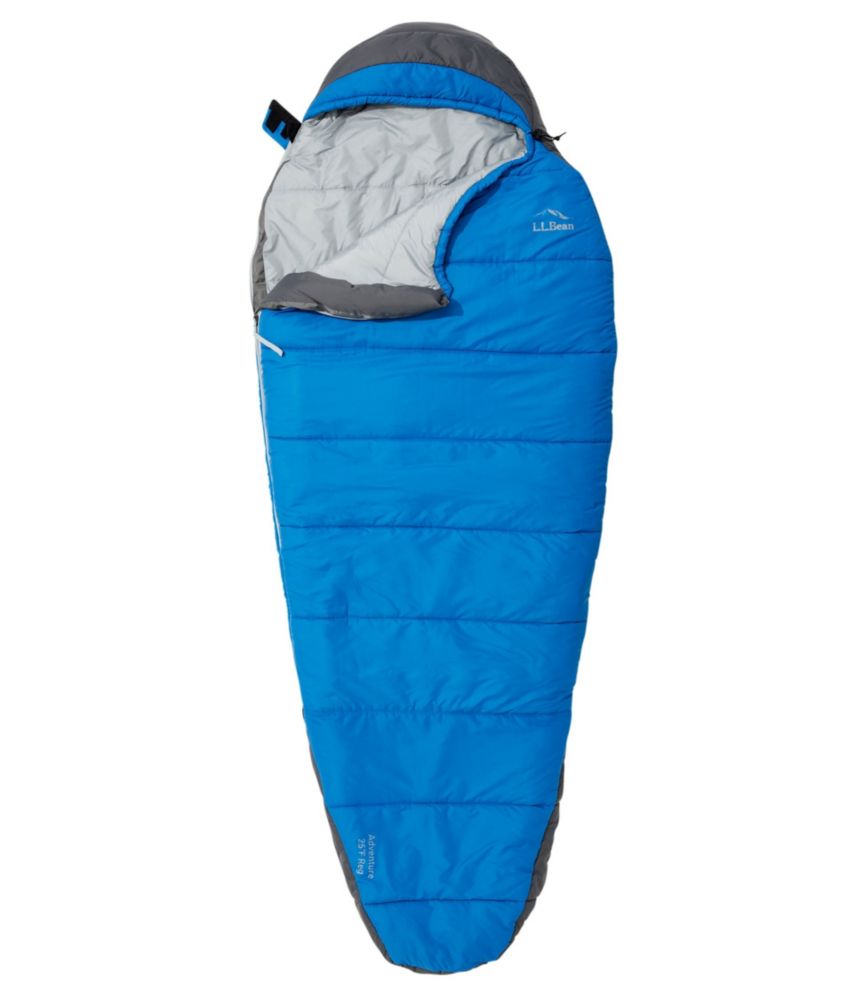
L.L.Bean Adventure Sleeping Bag, 25° Mummy
L.L.Bean L.L.Bean Adventure Sleeping Bag, 25° Mummy
A comfortable mummy sleeping bag in crisp lapis with high-loft polyester insulation and integrated pad sleeve.
(0)
$150 $150
SALE
$150 $150
SALE
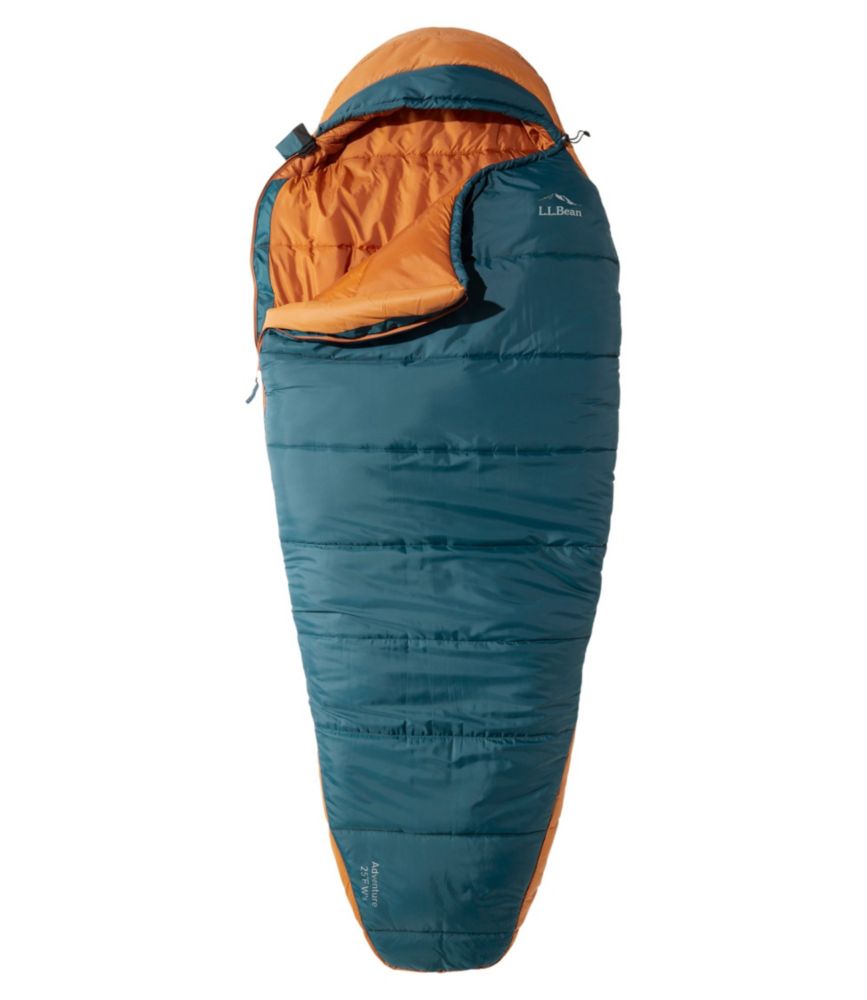
Women's L.L.Bean Adventure Sleeping Bag, 25° Mummy
L.L.Bean Women's L.L.Bean Adventure Sleeping Bag, 25° Mummy
A deep admiral blue mummy sleeping bag with high-lofting polyester insulation and integrated pad sleeve.
(0)
$130 $130
SALE
$130 $130
SALE

Spoon Shaped Sleeping Bags

Spoon shaped sleeping bags take their name from their outline: a contoured silhouette with wider sections around the elbows and knees and a narrower section between them. That shape is the defining feature of the category, making the outline a useful starting point when comparing designs. Rather than following the straight sides of a rectangular sleeping bag or the more continuous taper of a mummy shape, the spoon profile has a distinct change in width along its length. The name describes the shape, however, not a standard set of measurements or a promise about how every bag will feel. Two sleeping bags with the same general outline can have different lengths, proportions, and fit recommendations, so the details deserve as much attention as the silhouette. Overall length is only one part of that picture. Shoulder, hip, and knee measurements, when provided, help put the contour into perspective, while the recommended user height offers a separate reference for sizing. A product’s exterior dimensions and its recommended user height are not interchangeable, and photographs alone cannot show exactly how a particular size will fit. Personal preferences matter, too: someone who likes a closely outlined shape may look at the same measurements differently from someone who prefers a more generous fit. Familiar habits, such as sleeping with bent knees or keeping arms close to the body, can help clarify which dimensions deserve a closer look without making sleeping position a substitute for the product’s own fit information. The most useful comparison brings the outline, measurements, and individual preferences together. Spoon shaped sleeping bags share a recognizable design idea, but the distinctions within that shape are what make browsing beyond the category name worthwhile. Clear photographs and detailed specifications give that comparison substance, helping turn a general preference for a contoured sleeping bag into a more considered selection.

Beyond the outline, spoon shaped sleeping bags are best compared through the information attached to each design rather than assumptions drawn from the category name. Materials, construction, care requirements, weight, and packed dimensions are separate details; none can be determined simply by looking at the spoon profile. Material descriptions should identify what a particular bag contains, while construction details explain how its parts are arranged. These facts are more useful than broad labels when deciding what belongs on a personal shortlist. Likewise, a photograph of a bag spread open tells a different story from its listed packed measurements. Keeping those two views separate makes it easier to understand the product as a whole without confusing its full-size outline with the space it occupies when put away. Closures and other design details, where listed, also deserve an individual look. Their location and configuration may matter to personal preference, but the shape name alone does not establish which features are included. Any temperature information should be considered alongside the manufacturer’s explanation of the rating and the intended use stated for that particular sleeping bag. A spoon-shaped outline is not itself a temperature rating, a seasonal designation, or a statement of suitability for a specific setting. Care is another important point of comparison, especially for someone who prefers a straightforward routine. Washing, drying, and storage directions should come from the individual care label rather than a general rule applied to all sleeping bags in the category. Before choosing, it is worth knowing what those directions involve and whether they fit the space and equipment at home. Durability deserves the same fact-based approach: the outline alone does not establish how long a product will last. Specific construction information and the prescribed care routine offer a sounder basis for consideration than a sweeping category claim. Together, these details keep the focus on the actual product rather than expectations attached to its name.

Choosing among spoon shaped sleeping bags is ultimately a matter of connecting those concrete details with the person who will use the bag. For someone replacing a familiar sleeping bag, the old one can provide a helpful reference: its labeled size, overall dimensions, and shape offer a starting point for understanding what should stay similar and what deserves reconsideration. A person making a first selection may have fewer reference points, making clear size guidance and complete product descriptions especially valuable. Either way, there is no need to treat one silhouette as the right answer for everyone. A shared love of the outdoors leaves plenty of room for different preferences, including how closely someone likes a sleeping bag to follow the body. The same individual attention matters when choosing a gift. A sleeping bag can be a thoughtful gift for an outdoor enthusiast who has expressed an interest in this shape, but the recipient’s measurements and preferences should guide the choice more than the giver’s own habits. Knowing the size of a bag they already like can be more useful than guessing from a photograph, and a conversation about their preferred fit can preserve the thoughtfulness of the gesture without leaving the essentials to chance. For a broader comparison of sleeping bag categories, Padded Sleeping Bags offers another place to browse; individual descriptions remain the source for understanding what each design includes. Keeping a few priorities in mind—shape, sizing, clearly stated specifications, and care—can make a wide assortment feel more manageable without reducing the decision to a single feature. The distinctive spoon contour is a clear place to begin, not a replacement for the rest of the details. A considered choice comes from seeing how those details fit together, with attention to the person behind the purchase and the small preferences that make a piece of outdoor gear feel like their own.
Read More

FAQs