It's time to upgrade your browser

Your current browser is no longer supported on llbean.com. Please upgrade to one of the following for a smoother, safer shopping experience with us:

Spandex Dresses

Explore spandex dresses with a focus on the silhouette and fit you prefer. Check each dress’s fabric composition, length and sizing details to compare your options and find a style that feels right for your wardrobe.

Women's Summer Knit Maxi Dress, Print
L.L.Bean Women's Summer Knit Maxi Dress, Print
A blue printed knit maxi dress with a flattering fit-and-flare silhouette, faux-surplice styling, and longer side slits.
(0)
$69 $33.99
SALE
$69 $33.99
SALE
Women's Beech Point Dress, Print
L.L.Bean Women's Beech Point Dress, Print
A blue printed dress in stretchy cotton-TENCEL™-spandex fabric with UPF 50+ and an A-line silhouette.
(0)
$79 $38.99
SALE
$79 $38.99
SALE
Women's Summer Knit Maxi Dress
L.L.Bean Women's Summer Knit Maxi Dress
A black knit maxi dress in soft, stretchy rayon jersey with a flattering fit-and-flare silhouette.
(0)
$59.95 $29.99
SALE
$59.95 $29.99
SALE
Women's Summer Knit Dress, Three-Quarter-Sleeve Scoopneck
L.L.Bean Women's Summer Knit Dress, Three-Quarter-Sleeve Scoopneck
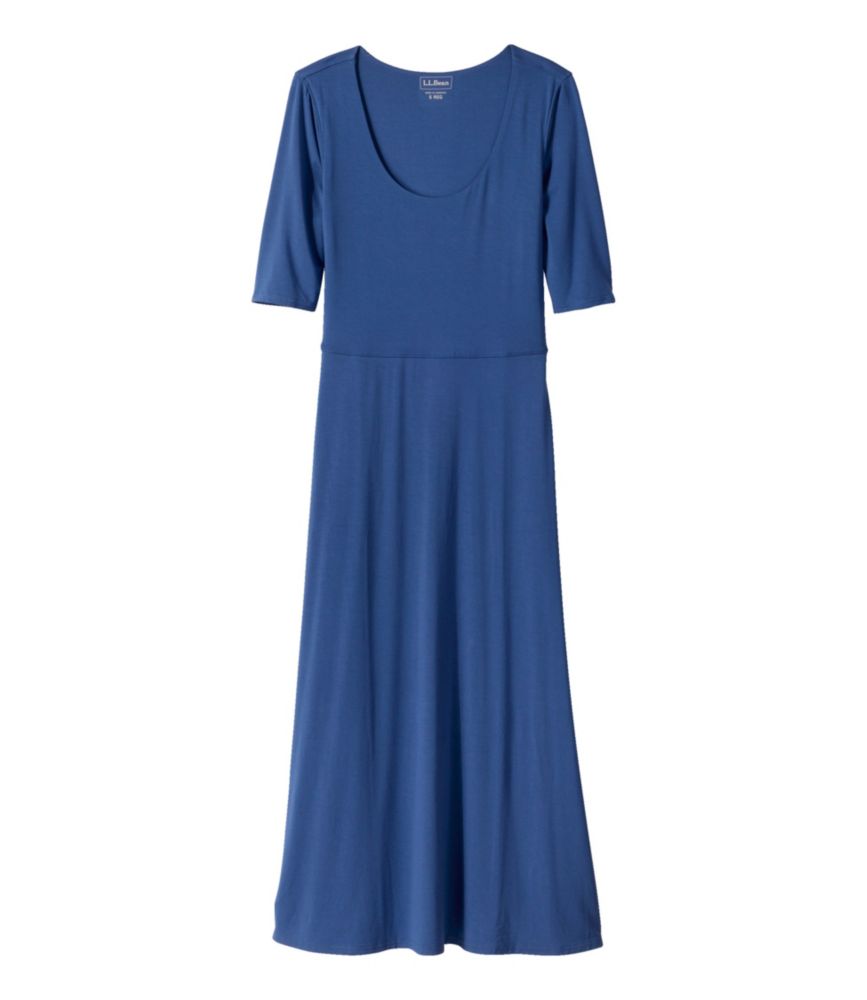
A blue rayon-spandex midi dress with three-quarter sleeves, scoopneck styling, and a flattering fit-and-flare silhouette.
(0)
$59.95 $39.99
SALE
$59.95 $39.99
SALE
Women's Summer Knit Dress, Three-Quarter-Sleeve Scoopneck Print
L.L.Bean Women's Summer Knit Dress, Three-Quarter-Sleeve Scoopneck Print
A blue printed rayon-spandex knit midi dress with a fit-and-flare silhouette, scoopneck, and three-quarter sleeves.
(0)
$69.95 $44.99
SALE
$69.95 $44.99
SALE

Spandex Dresses

Spandex dresses include spandex in their fabric composition, but the name does not describe just one shape or style. The complete design matters as much as the material description, from the line of the skirt to the shape of the neckline. A straight silhouette creates a different outline from a flared one, while a defined waist changes the proportions compared with a dress that falls in a continuous line. Those distinctions are a useful starting point when finding a dress that reflects your personal style. Necklines and sleeves contribute to the overall look, too. A rounded opening frames the face differently from an angular neckline, and the length and shape of a sleeve can shift the visual balance of the dress. Details such as gathers, pleats, and seam placement deserve a closer look when they are part of a design, since each contributes something different to its shape. Color and pattern offer another way to narrow the choice. A solid color draws attention to the outline and details, while a print becomes part of the dress’s overall character. Small repeating motifs and larger patterns create different impressions, even in otherwise similar silhouettes. Rather than choosing by color alone, consider how all those elements work together. A neckline you already enjoy, a familiar skirt shape, or a hem length that feels right can be a more useful reference than an unfamiliar style description. Looking closely at front, side, and back photographs also gives a fuller picture than relying on a single view. The back of a neckline, the position of a waist seam, and the shape of a hem are all part of the finished design. Spandex dresses are best considered as complete garments, with the fabric composition informing the choice alongside the proportions and details that first catch your attention.

Fit adds another layer to that decision. The presence of spandex does not, by itself, establish whether a dress has a close, straight, or relaxed cut, and a familiar size label is only one point of reference. The stated fit description, size chart, and garment measurements provide more specific information. Body measurements and garment measurements serve different purposes: one describes the person, while the other describes the finished clothing. Keeping that distinction in mind makes comparisons clearer. When a size chart lists body measurements, compare them with your own measurements rather than with the dimensions of another dress. When finished garment measurements are provided, a dress you already own can offer a helpful reference. Lay it flat and measure the same areas identified in the product information, taking care not to confuse a flat width with a full circumference. Length is especially personal because the same stated measurement can fall at different points on people of different heights and proportions. A description such as knee length offers a general reference, but the measurement gives a more concrete basis for comparison. Waist placement matters as well; matching a listed size does not necessarily tell you where a waist seam will sit. If model measurements are provided, they can add context without replacing your own comparison. Fabric composition belongs in this closer look, too. The listed percentage tells you how much spandex is present, while the complete composition provides a fuller description of the fabric. That percentage is not a substitute for information about cut, dimensions, or construction. Likewise, a photograph can show the outline of a dress without explaining every detail of its fit. Reading the description alongside the images helps bring those separate pieces of information together. The aim is a clear understanding of the dress rather than an assumption based on a single material name or size.

Care is another practical consideration when comparing spandex dresses, particularly if you have an established clothing-care routine. The complete garment’s care label is the reference for washing, drying, and pressing; the word spandex alone does not provide those instructions. Check the stated care requirements before choosing, including any directions that apply to decorative details or other parts of the construction. A familiar routine is useful only when it matches the label, so it is worth noticing whether a dress calls for a different approach from clothing already in your closet. Care information is also relevant when thinking about keeping a garment over time. It gives you a clearer picture of the attention the dress will need, without relying on a broad assumption about durability based on its material category. Construction details deserve consideration alongside care: the finish of a hem, the arrangement of seams, and any fastening shown in the description are part of understanding the garment as a whole. Personal style remains just as important as those practical details. Think about the necklines you consistently choose, the lengths you reach for, and whether you prefer the dress itself or its accessories to be the main focus. A favorite necklace may help you picture a neckline, while a familiar pair of shoes can give context to a hem length. These small points of reference make the choice more personal without requiring a completely different wardrobe. If a dress is being considered as a gift, the recipient’s preferred fit and care routine are more useful starting points than a guess based on appearance alone. An accurate size and a sense of the shapes they enjoy wearing can make the selection more thoughtful. For a related clothing category, explore Spandex Sportswear. Across your choices, giving equal attention to design, fit, composition, and care helps keep the focus on clothing that reflects the person who will wear it.

FAQs