It's time to upgrade your browser

Your current browser is no longer supported on llbean.com. Please upgrade to one of the following for a smoother, safer shopping experience with us:

Snow Bibs For Snowboarding

Shop snow bibs for snowboarding and compare options by size, fit and style. Review each pair’s sizing information and product details to narrow your choices and find the bibs that match your preferences.

Read More
Kids' Cold Buster Snow Bibs
L.L.Bean Kids' Cold Buster Snow Bibs
A black, wind- and water-resistant snow bib with warm Thinsulate insulation, reinforced panels and internal gaiters.
(453)
$99.95 $99.95
SALE
What customers like:
Great fit
High quality
Keeps kids warm and dry
Sturdy and durable
Excellent warmth
$99.95 $99.95
SALE
Kids' Waterproof Wildcat Insulated Ski Bibs
L.L.Bean Kids' Waterproof Wildcat Insulated Ski Bibs
A blue, waterproof recycled-nylon ski bib with 80-gram insulation, fleece lining and snow-blocking gaiters.
(49)
$130 $130
SALE
What customers like:
Great size
Top-notch warmth
Waterproof
Perfect fit and comfort
Not bulky
$130 $130
SALE
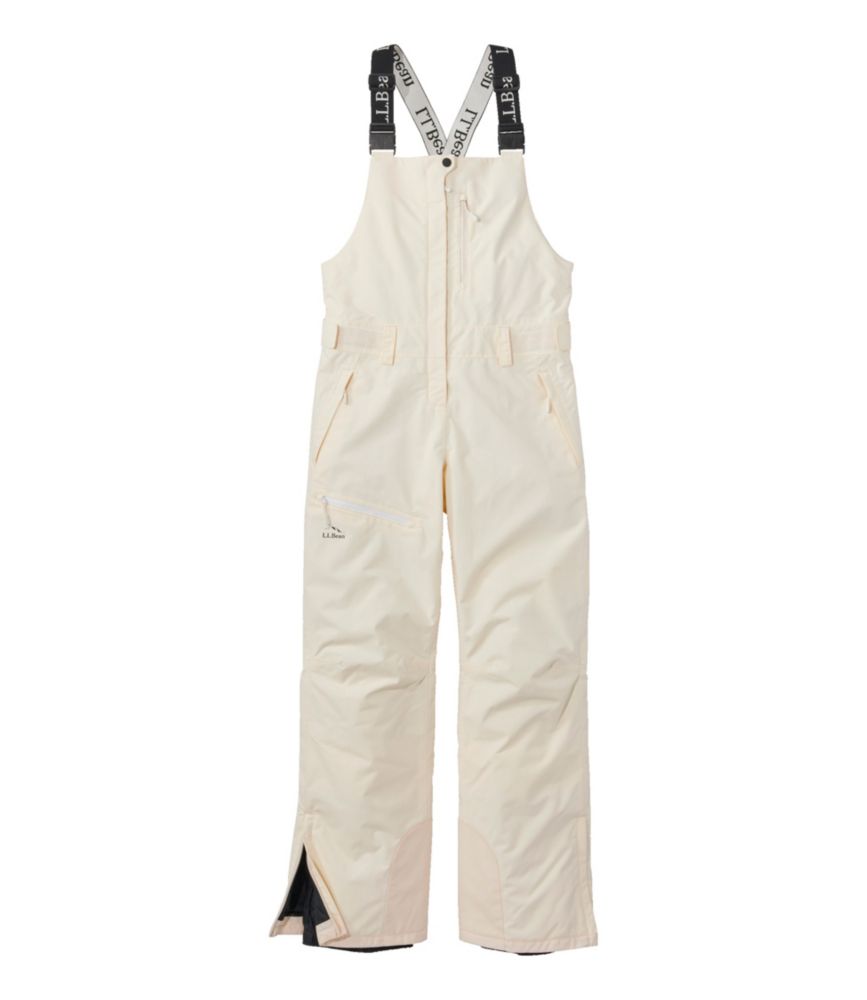
Women's Wildcat Bib Pants
L.L.Bean Women's Wildcat Bib Pants
A white, waterproof, windproof nylon bib with recycled insulation, articulated knees and snow-protective gaiters.
(0)
$220 $220
SALE
$220 $220
SALE
Toddlers' Cold Buster Snow Bibs
L.L.Bean Toddlers' Cold Buster Snow Bibs
A blue insulated snow bib made from wind- and water-resistant polyester with snow-blocking features.
(0)
$74.95 $74.95
SALE
$74.95 $74.95
SALE

Snow Bibs For Snowboarding

Snow bibs for snowboarding have an overall-style silhouette, with pants that extend above the waist into a bib panel held by shoulder straps. That shape sets them apart from traditional snow pants and gives a snowboarding outfit a distinct look, whether the preference is understated or more expressive. The height and shape of the bib, the line of the legs and the proportions through the body all contribute to the overall appearance. For someone who already has a favorite snowboarding jacket, those details can be as important as color when putting an outfit together. A shorter jacket reveals more of the bib, while a longer one changes how much of the upper section is visible. Photographs showing the front, back and side of a garment can help make those differences clear. Snowboarding brings together people with different experience levels and personal styles, from someone arriving for a first lesson to friends who have shared the same mountain traditions for years. Choosing clothing for those outings is personal, too. One person may prefer a relaxed-looking silhouette; another may favor a more closely defined shape. Neither preference needs to follow a passing trend. Familiar proportions, thoughtful details and a look that feels like a natural extension of an existing wardrobe can make the choice more straightforward. Picture the familiar start of a snowboarding day: boards gathered beside the car, friends checking the trail map and a favorite jacket pulled from its usual place. Bibs become part of that familiar outfit, rather than something that needs an entirely different approach to personal style. The collection offers a place to consider this distinctive garment shape in the context of snowboarding, with attention to the details that matter to the person wearing it. The appeal lies in finding the right combination of proportions, appearance and individual preference—not in assuming every snowboarder wants the same look.

Fit deserves particular attention with snow bibs because the garment spans the legs and torso rather than ending at the waist. Two people who usually choose the same pant size may have different torso lengths, inseam measurements or preferences through the hips and thighs. A size chart and any garment-specific fit notes provide more useful context than a size label alone. Waist, hip and inseam measurements each tell part of the story, while the upper section introduces another proportion to consider. Shoulder-strap placement and the height of the front panel also affect where the bib sits on the body. Any adjustment features should be confirmed in the individual description rather than assumed from the overall shape. The clothing intended to go underneath matters during a fitting, too; trying bibs with that clothing gives a clearer impression than trying them over something entirely different. Standing in front of a mirror shows the silhouette, but sitting down and bending into a snowboarding stance can reveal whether the proportions suit the wearer’s preferences. These ordinary moments are worth considering alongside the photograph: leaning forward to fasten a binding, sitting on a bench to put on boots or reaching down to pick up a board. The relationship between the hem and snowboarding boots is another detail best assessed together, rather than judged from the pants alone. Pocket placement, closures and other design details can be considered in the same personal way, with their exact layout checked in the garment information. Someone who prefers a simple appearance may focus on clean lines, while someone else may place more importance on how the design is arranged. For a gift recipient, a familiar size is a starting point, but their measurements, preferred fit and existing snowboarding outfit offer a fuller picture. A little attention to those preferences makes the selection feel considered without requiring the giver to guess how another person likes clothing to fit.

Fabric content, construction details and care requirements are also part of choosing snow bibs for snowboarding, and those details belong to the individual garment. The overall-style shape alone does not establish what a pair is made from or how it should be maintained. A fabric listing provides the composition, while the care label gives the directions that apply to that particular pair. Those details are worth considering alongside the appearance, especially for someone who prefers a familiar laundry routine. Any questions about cleaning, drying or special treatment are best answered by the stated instructions, not by the way the garment looks. The same attention applies to durability: construction information and any documented details offer a firmer basis for comparison than broad assumptions about snowboarding clothing. After an outing, checking the garment and following its care directions can become part of putting equipment and clothing away, alongside returning boots to their place and setting the board aside. Before storage, pockets can be checked for a trail map, a forgotten wrapper or the small belongings that tend to come home from a day on the mountain. These everyday considerations help connect the purchase with the person’s actual routine. Color is another lasting part of that decision. A preference for a simple palette may lead to Black Snow Bibs, particularly when a favorite jacket already brings plenty of color to the outfit. Looking at the whole combination, including the jacket and boots, gives a more complete sense of the intended look. For gifting, that existing outfit can offer useful clues without making assumptions about someone else’s taste. Whether the bibs are chosen for a new snowboarder or someone with years of familiar runs behind them, the most meaningful considerations remain personal: the right proportions, clearly understood garment details, care requirements that fit the household routine and a style the recipient would choose for themselves.
Read More

FAQs