It's time to upgrade your browser

Your current browser is no longer supported on llbean.com. Please upgrade to one of the following for a smoother, safer shopping experience with us:

Slip-On Shoes for Everyday Wear

Find slip-on shoes for everyday wear that suit your routine and personal style. Browse the selection and compare each pair’s sizing, fit guidance and design details to choose shoes that work with your everyday wardrobe.
Read More
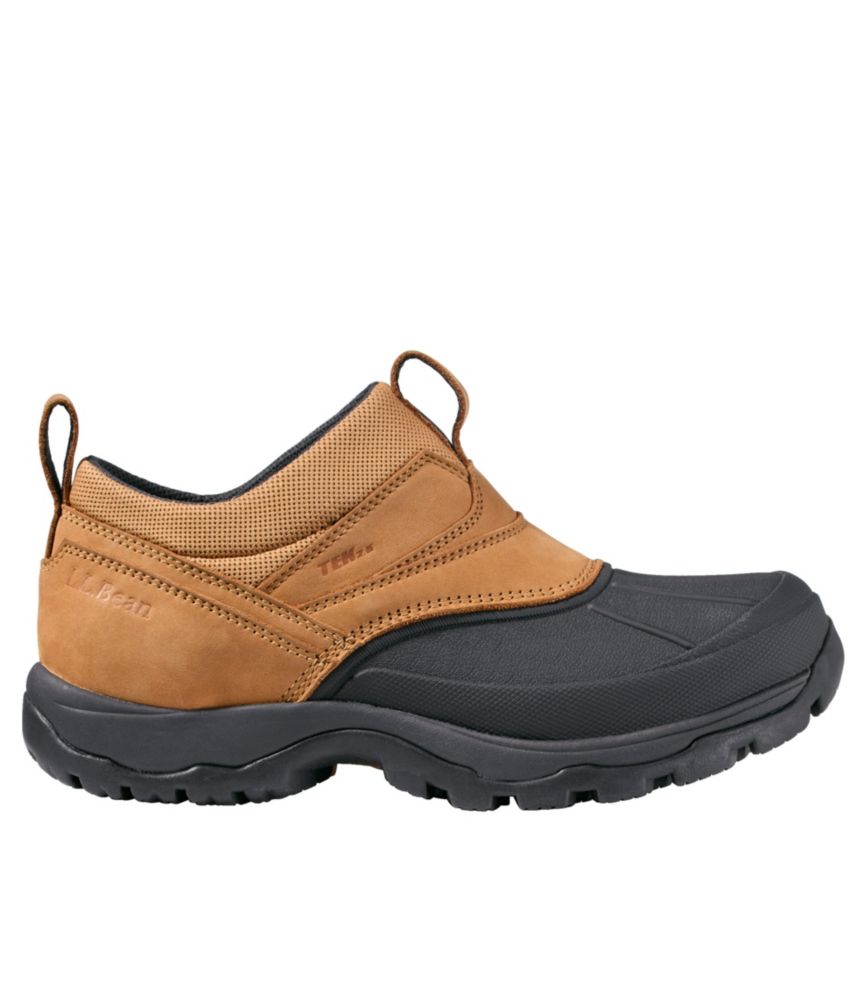
Men's Storm Chaser 5 Slip-Ons
L.L.Bean Men's Storm Chaser 5 Slip-Ons
A rugged brown slip-on featuring waterproof leather, rubber sole, and insulation for all-weather comfort and grip.
(3,695)
$130 $130
SALE
$130 $130
SALE
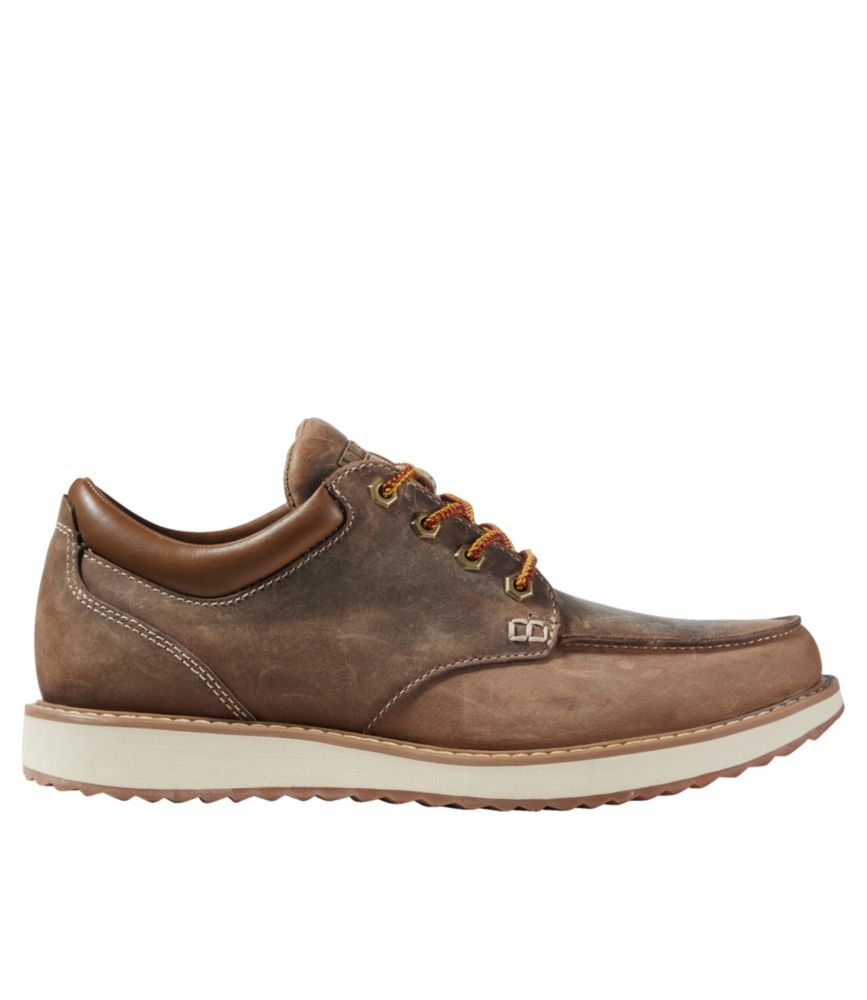
Men's Stonington Shoes, Moc-Toes
L.L.Bean Men's Stonington Shoes, Moc-Toes
A rugged dark cocoa leather shoe with sneaker-like comfort, water-resistant protection, and a molded rubber outsole.
(1,369)
$140 $140
SALE
What customers like:
Well-made construction
Lightweight
Versatile design
Water-resistant leather
Comfortable fit
$140 $140
SALE
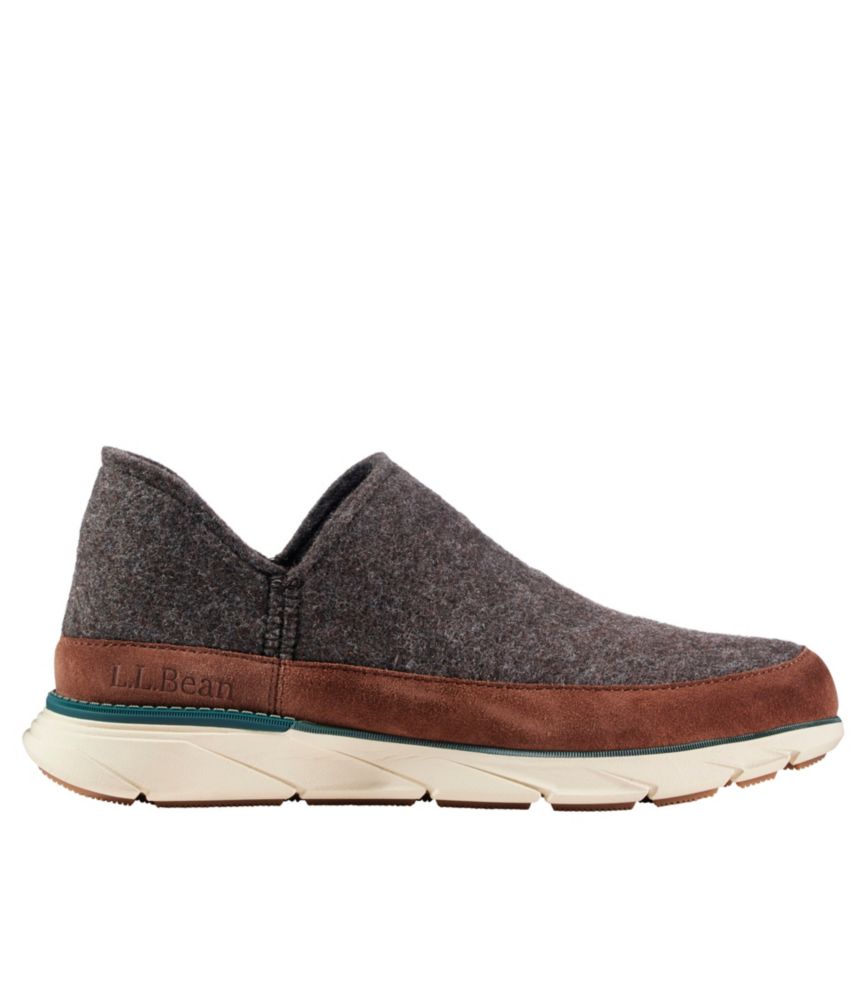
Women's Downeast Slip-Ons, Wool
L.L.Bean Women's Downeast Slip-Ons, Wool
A cozy toasted coconut slip-on with a wool blend upper, suede rand, and durable rubber outsole.
(0)
$110 $54.99
SALE
$110 $54.99
SALE
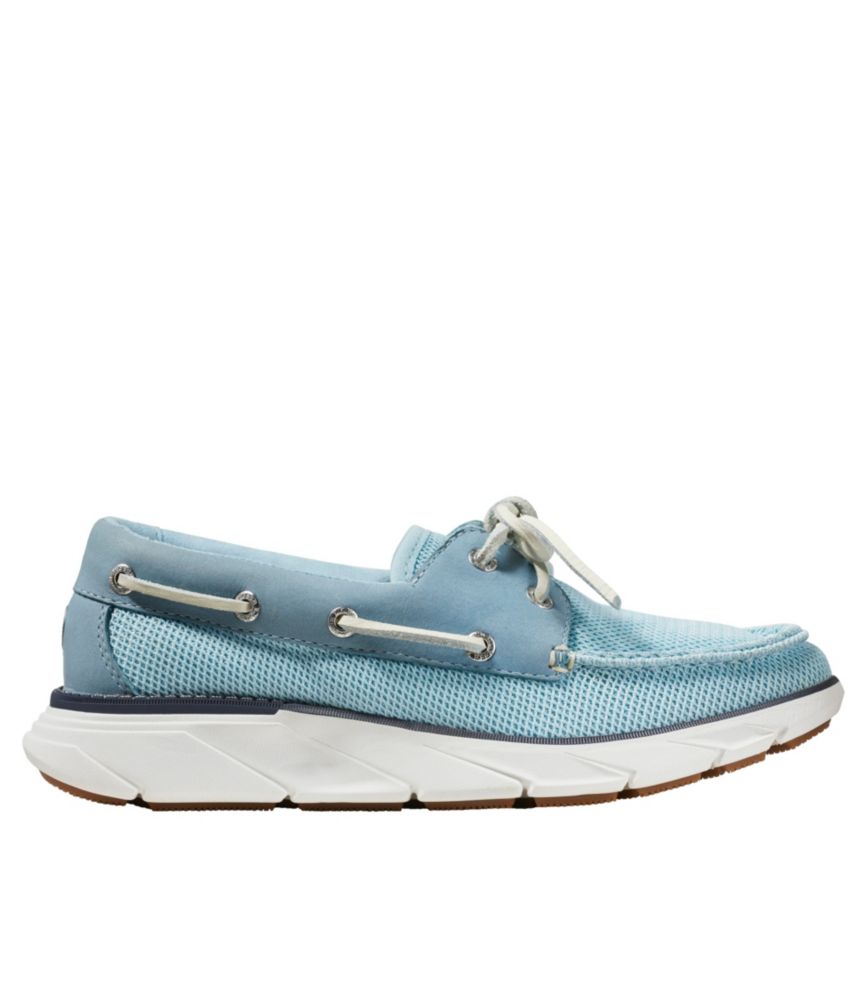
Women's Kennebec Boat Shoes, 2-Eye
L.L.Bean Women's Kennebec Boat Shoes, 2-Eye
A mist blue leather boat shoe with athletic sneaker comfort, water-resistant upper, and exceptional wet/dry traction.
(0)
$109 $39.99
SALE
$109 $39.99
SALE
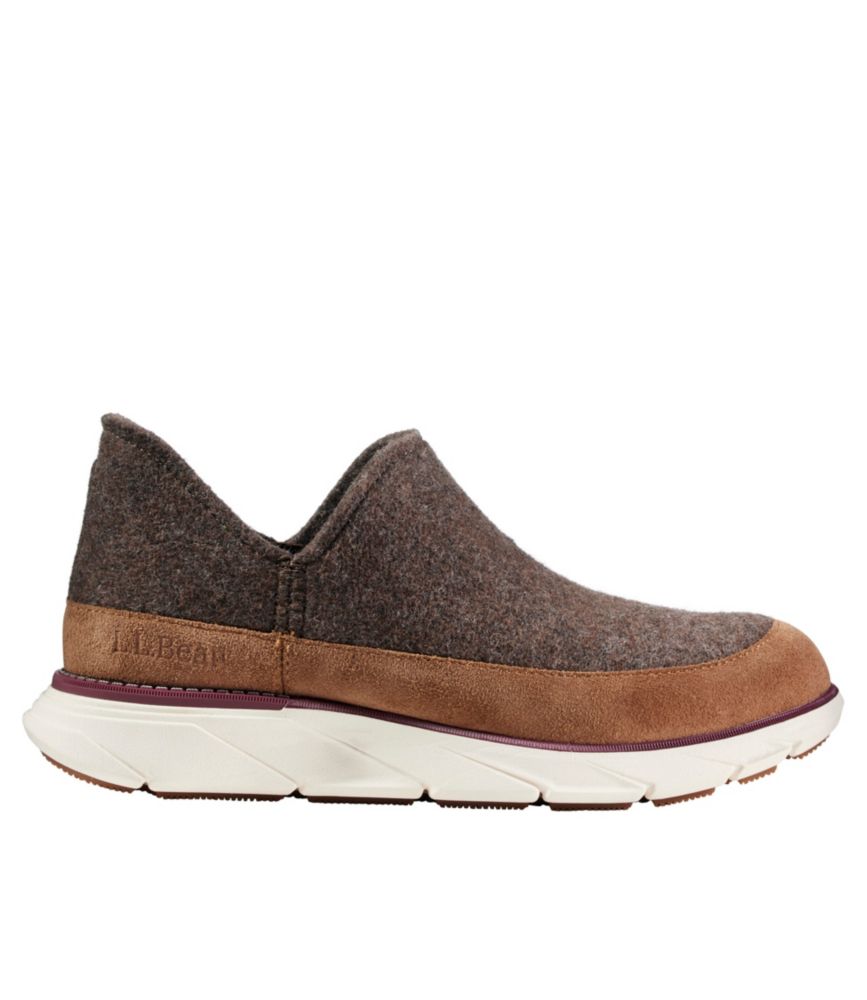
Men's Downeast Slip-Ons, Wool
L.L.Bean Men's Downeast Slip-Ons, Wool
A cozy, cocoa-colored slip-on with a wool blend upper, cushioned EVA footbed, and durable rubber outsole.
(0)
$110 $54.99
SALE
$110 $54.99
SALE
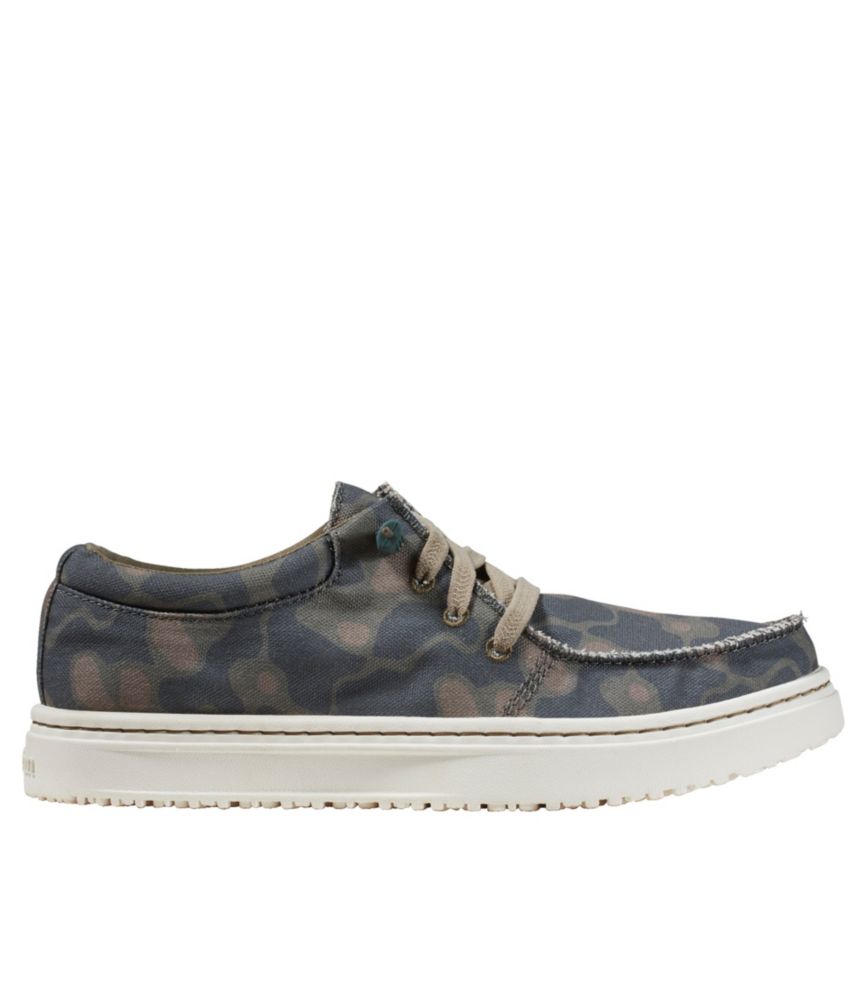
Women's Higgins Beach 4-Eye Slip-Ons, Print
L.L.Bean Women's Higgins Beach 4-Eye Slip-Ons, Print
A lightweight, breathable deep olive camo slip-on with a flexible canvas upper and cushioned midsole.
(0)
$79.95 $39.99
SALE
$79.95 $39.99
SALE

Slip-On Shoes for Everyday Wear

Slip-on shoes for everyday wear bring a simple, familiar style to the footwear chosen most often. Their defining feature is a slip-on design rather than laces that need to be tied, but that shared detail leaves plenty of room for personal preference. Shape, color, proportions, and the amount of detail all influence how a pair looks alongside the clothes already in a closet. A rounded profile offers a different visual impression from a more tapered shape, just as a plain upper looks different from one with prominent seams or decorative accents. The right choice starts with those small distinctions, not with the idea that one style belongs in every wardrobe. Picture the shoes beside a favorite pair of straight-leg jeans, casual trousers, or a simple skirt. Consider whether the goal is a quiet finishing touch or a little contrast, and whether the shape feels familiar enough to reach for regularly. An understated design can make sense for someone who prefers a small, coordinated wardrobe, while a more distinctive silhouette may appeal to someone who enjoys variety. Neither approach requires chasing trends. Everyday footwear is personal, and the most useful comparisons are often between the details a person already likes and those they would rather leave behind. The line of the opening, the height of the sole, and the way the shoe meets a pant hem can be as relevant to that decision as the overall color. Looking at photographs from several angles helps reveal those proportions more clearly than a single front view. For a related selection, explore slip-on casual walking shoes, then check each pair’s description for its stated purpose and individual details. A shared slip-on shape is a starting point for comparison, not a promise that every pair has the same construction, feel, or intended use.

Fit deserves a closer look because a slip-on shoe does not offer the same lace adjustment as a lace-up design. That does not mean every slip-on fits alike; the opening, interior shape, and sizing guidance need to be considered pair by pair. Begin with the size chart and any fit notes rather than relying entirely on the number printed inside a familiar shoe. Length is only one part of the picture. Width, room around the toes, space over the top of the foot, and the fit at the heel all matter when deciding whether a particular shape is right. During an indoor try-on, wear the socks intended for the shoes and check both feet while standing and taking a few ordinary steps. Notice whether the toes feel crowded, whether an edge presses against the foot, or whether the heel moves more than expected. A shoe that slips on is not necessarily a shoe that fits well, and a tight opening should not be mistaken for a secure overall fit. Follow the individual fit guidance rather than assuming an uncomfortable area will change with wear. If personal inserts are part of an everyday footwear routine, check the product details for compatibility instead of assuming there will be enough room. The same careful approach applies when comparing materials and construction: read the specifications for the particular pair, since appearance alone cannot establish composition or explain how the interior is made. Close-up images can help show the placement of seams and the shape of the opening, while written details provide information a photograph cannot. Everyday wear also means something different from one person to another. A pair chosen to complement casual clothes may be evaluated differently from footwear needed for a setting with specific requirements. Let the stated intended use guide that distinction, and look for explicit information whenever a particular feature matters. Keeping those decisions tied to the individual shoe makes the selection more meaningful than relying on broad descriptions or a familiar silhouette.

Care and durability are worth considering before a pair becomes part of the daily routine. Neither can be judged from the slip-on format alone, and the care instructions for one pair should not be carried over to another. Check the stated cleaning method, any drying directions, and any restrictions on cleaning products before deciding what maintenance will involve. If machine washing is not expressly listed, do not assume it is appropriate. The same applies to treatments recommended for shoes that merely look similar. A practical care routine begins with knowing what the particular pair requires and keeping those instructions somewhere easy to find. Details about construction can also help inform expectations, but a photograph or a substantial-looking sole does not establish how long a shoe will last. Frequency of wear, the wearer’s habits, and following the prescribed care all belong in that consideration; no single appearance guarantees durability. Periodically looking over the shoes for changes in their condition is more useful than assuming that a favorite pair will remain unchanged indefinitely. These everyday considerations matter just as much when slip-on shoes are a gift. A recipient’s known size is helpful, but their preferred width, usual socks, favored shapes, and existing footwear offer a fuller picture. Someone who consistently chooses simple designs may appreciate a similarly understated look, while another person may have a clear preference for visible detailing. Notice those established choices rather than making assumptions based on age or lifestyle. When possible, ask about fit preferences directly, since a thoughtful footwear gift should reflect the person who will wear it. For a personal purchase, take the same approach: start with familiar preferences, compare the details carefully, and leave room for differences between styles. Slip-on shoes for everyday wear need not make a dramatic statement to earn a place in a wardrobe. A well-considered choice brings together the look someone enjoys, an appropriate individual fit, and care requirements they understand—small decisions that help make getting dressed feel more personal and straightforward.
Read More

FAQs